



2018 New England Fall Foliage Forecast
Planning a New England autumn adventure? Our forecaster predicts a late season of bright, bold color. Read on for the full 2018 fall foliage forecast.
By Jim Salge|Aug 16 2018|


A sailboat is moored in a pond reflecting peak autumn colors.
Credit: Jim SalgeIn New England, autumn is more than a season — it’s a fantastic celebration to be experienced with all your senses. Fall in New England has a certain feel to it: cool and dry and crisp. It has many smells and flavors, from fair food and apple crisp to cider doughnuts at the orchard, plus pumpkin spice everything. Sounds abound, too, from the breeze rustling the leaves to the calls from birds migrating south. And of course, there are sights: the New England fall foliage and autumn colors that serve as the backdrop to this entire event.

Credit: Jim Salge
Fall is a celebration that will feel especially well earned this year. This summer has been hot and unreasonably, historically humid. A fall-like morning sounds so idyllic right now! The cool weather will certainly come though, and when it does, it will kick-start the cascade of colors that spreads across New England annually.
Our fall weather is beautiful, and the average weather and climate patterns are well suited to bringing out the best colors in our forests. Additionally, bright fall colors can develop after a wide range of seasonal conditions in the spring and summer. Simply put, our autumn colors rarely disappoint.
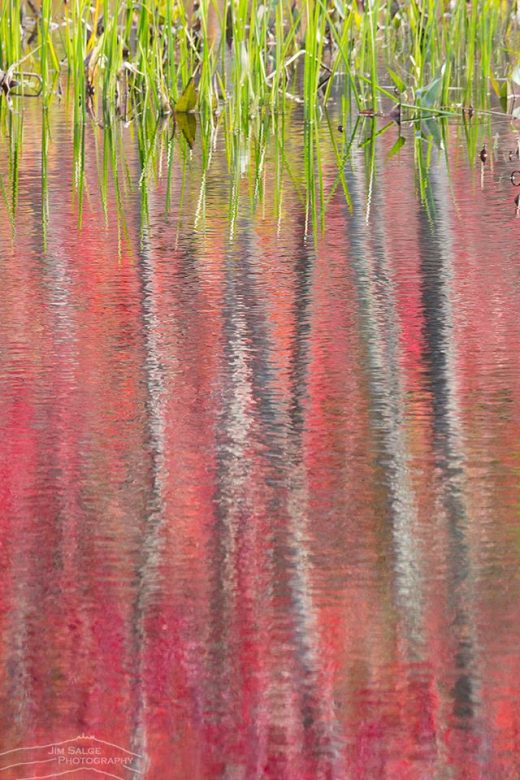
Credit: Jim Salge
Foliage seasons can be different from year to year, though. They can start early or end late. They can range from predominantly yellow to overwhelmingly red. They can be strikingly vibrant or complex with muted tones. Many of the factors that go into these differences are already determined, and some require good fall weather to fully reach peak potential. But in general, what you want is a seasonably mild and reasonably wet spring, a summer with adequate rainfall, and, most important, lots of warm, sunny days and clear, cool nights in the weeks leading up to autumn.
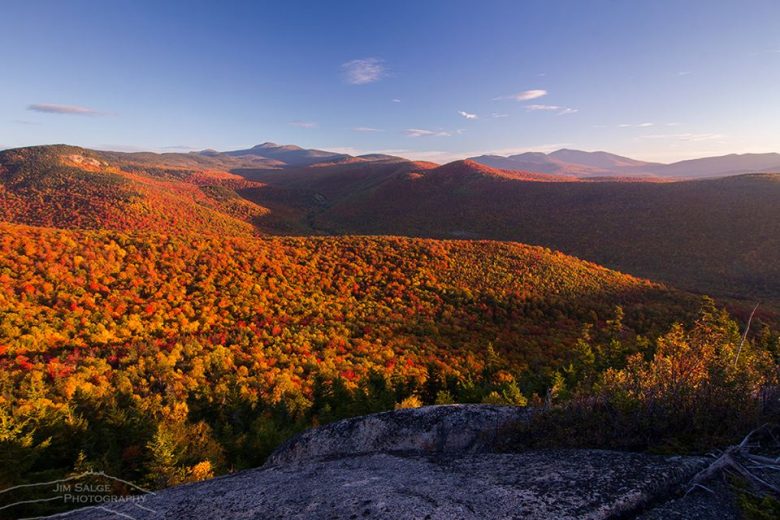
Credit: Jim Salge
So how do we think this year will stack up? We have to look back on the factors that have affected our summer canopy of leaves so far. And overall, things have stacked up fairly well.
2018 NEW ENGLAND FALL FOLIAGE FORECAST | THE LEAD-UP
The story of our forest canopy began this winter, when we narrowly averted disaster. After a frigid January and a snowy start to the winter, an unprecedented midwinter thaw in late February nearly swelled the buds on the trees to the point that later frosts would have been disastrous. Temperatures touched 80 degrees in southern New England, and even Manchester, New Hampshire, hit 76 degrees, a new all-time highest temperature for the month.
True to form for New England, it snowed two days later. And when the switch flipped back to cold, it stayed there. It didn’t reach 76 in Manchester again until May, and Worcester, Massachusetts, had its snowiest meteorological spring ever, with five days of measurable snow in April.
This streak of cool weather stalled the trees from leafing out a few weeks later than normal; many remained bare well into May. When the leaves finally began growing, the precipitation in the region all but shut off. The late snowpack provided ample water for the leaves, but the lack of additional rain had two other offsetting effects.
Rain in the spring can promote the growth of fungi of many kinds, good and bad. The dry weather warded off a detrimental leaf fungus that we look out for every year, but it also limited the propagation of the fungus that is most effective in managing gypsy moth populations.
We have therefore certainly seen some defoliation from a variety of caterpillars this year, but it is scattered throughout the region. In Vermont, for example, 75,000 acres were chewed through, but that’s only about 1.5 percent of the total forested landscape. We’ve seen similar numbers from New Hampshire and Massachusetts.
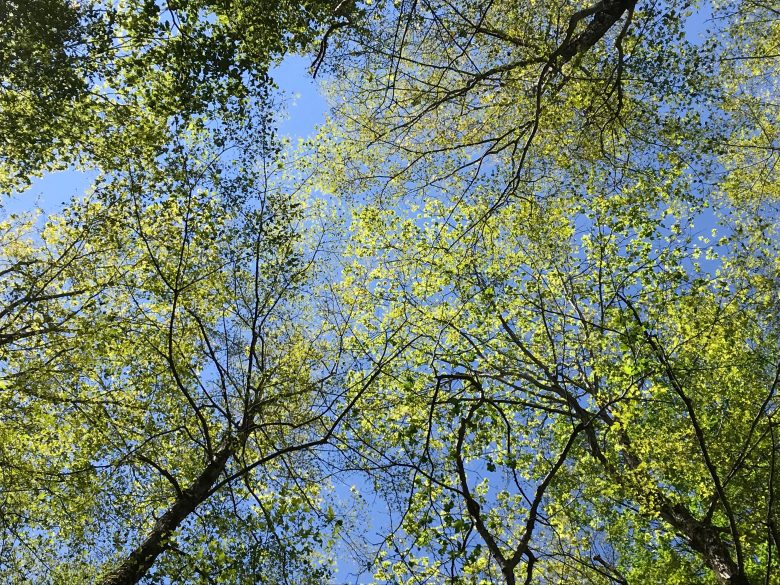
Credit: Jim Salge
Beyond those acres, the leaves have continued to look healthy through the summer, despite some record heat and unbelievably persistent humidity. A bit of drought set in after the dry weather continued from May into July, but thunderstorms have occurred regularly since, keeping things very wet. The combination of rain and humidity has been a boon for mushrooms on the forest floor, but so far the leaf canopy has avoided foliage-killing growths.
2018 NEW ENGLAND FALL FOLIAGE FORECAST
With the leaves generally in good shape, the best foliage colors will emerge if early fall features abundant sunshine, limited but timely rainfall, and cool overnight temperatures.
The long-range forecasts into autumn are based largely on the prediction for an El Nino to develop this year. This will keep the polar jet stream north and temperatures likely continuing above normal. A forecast like this can lead to a bright foliage season, but one that is often later than historical averages. The last two El Nino autumns were 2009 and 2015, and of those, one was right on time and one was a bit late.
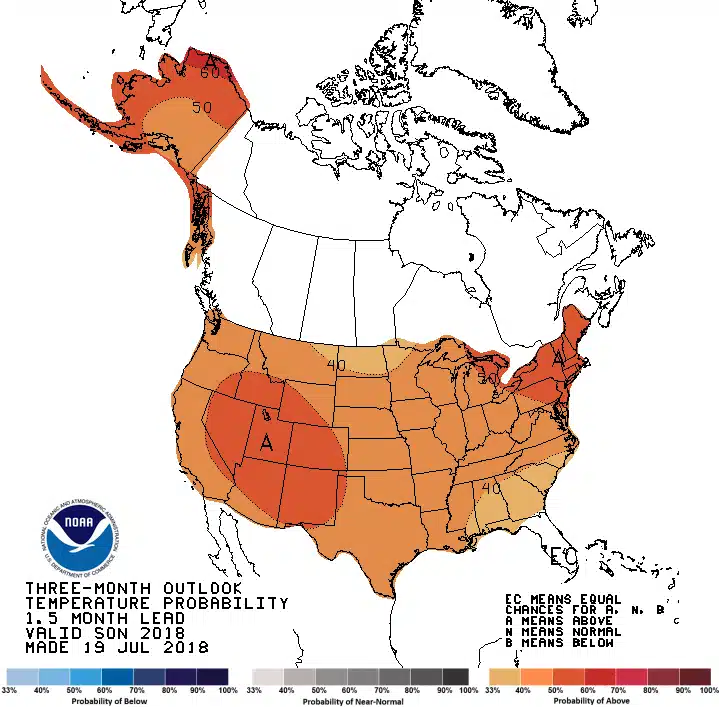
Credit: NOAA/NWS
The quality of the autumn colors tends to be more impacted by cloudiness and rainfall than temperatures. Long-range outlooks and historical analogs tend to point toward normal amounts of precipitation, absent a tropical system.
Putting this all together, we are fairly confident that the leaves will be bright, bold, and healthy when they begin to change in most areas, and a colorful, vibrant show should be on tap across most of New England this year. We also believe that the leaves, especially up north, will turn a bit later than historical averages.
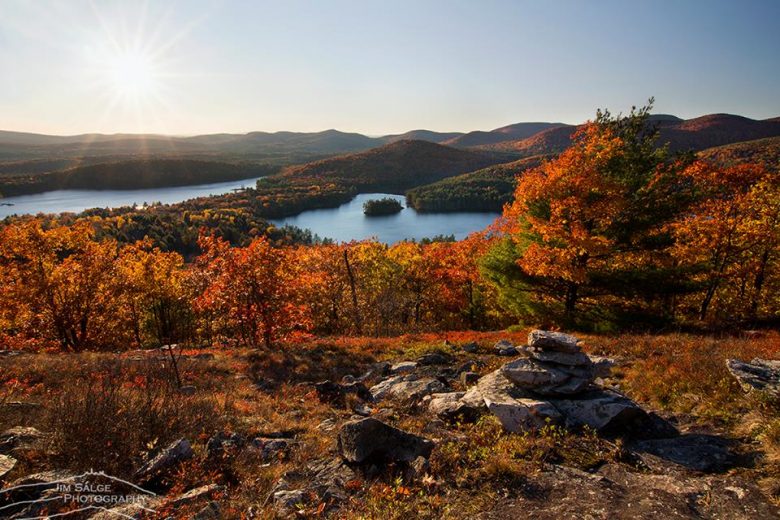
Credit: Jim Salge
For travelers factoring this outlook into their vacation plans, it’s important to note that peak foliage in New England does not arrive at all places at the same time. While maximum color may stay at a specific location for only a few days, peak colors can be found in the region for weeks. Therefore, finding peak conditions when leaf peeping through New England may require a few miles on the road.
At NewEngland.com, we offer many tools to help you both plan your visit and stay abreast of the changing leaves as they happen. We have our peak foliage prediction map, our map of live foliage updates, a foliage app, and weekly reports throughout the season.
We can’t wait to share the New England fall foliage season with you!
MORE NEW ENGLAND FALL FOLIAGE:
10 Places to Visit in New England in Fall
Prettiest Fall Foliage Villages in Vermont
Best Corn Mazes in New England
How to Take Your Best Fall Foliage Photos
New England Cruises | Fall Foliage From the Water



including the likely hood of months to consider would have been helpful but thank you for a good try.
Hi there. Fall foliage in New England is an ongoing event, with peak color showing up at different times throughout the region from late September through late October. You can learn more about where you’re likely to find the best color in our September/October 2018 feature “Peak Perfection | How to Find Peak Foliage Color in New England.” See it here: https://newengland.com/yankee-magazine/seasons/fall/how-to-find-peak-foliage-color-in-new-england/
We plan on being in the area,from,September 24th to October 17th.Have never been to the New England States before! Very excited about seeing the area. We’ve heard it breath taking!
when will foilage poeak in southern & then in northern maine
Gotta say this is something I miss most not living in New England anymore. ?
I love the White Mountains in the fall. The vibrant colors of red and golds shimmering from the leaves. The sound of rushing water as I drive through the Kancamagus Highway. Living in Miami now, I miss the White Mountains every late September, early October.
I live in San Diego now but grew up in Center Harbor NH. There was one particular oak tree on Bean rd that was hundreds of years old and it would always be the first in the area to turn. Would start about mid august and be a reminder that fall was coming soon.