Maine
Classic Barns of Maine | Sense of Place
What can an old barn reveal about life in New England? We sent photographer Sara Gray to capture life inside the classic barns of Maine.
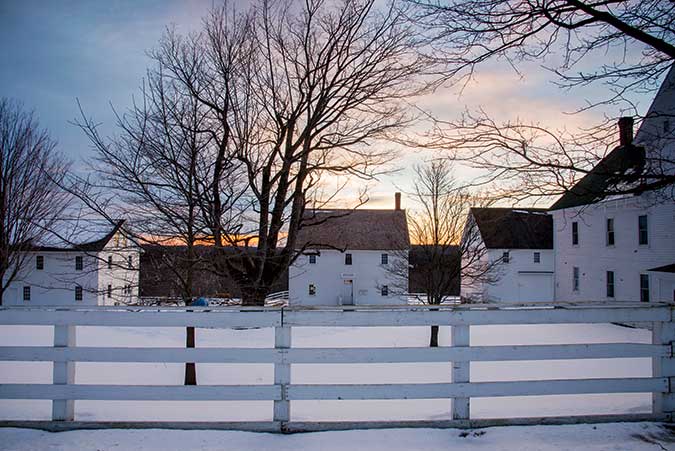
Sabbathday Lake Shaker Village.
Photo Credit: Sara GraySHAKER VILLAGE
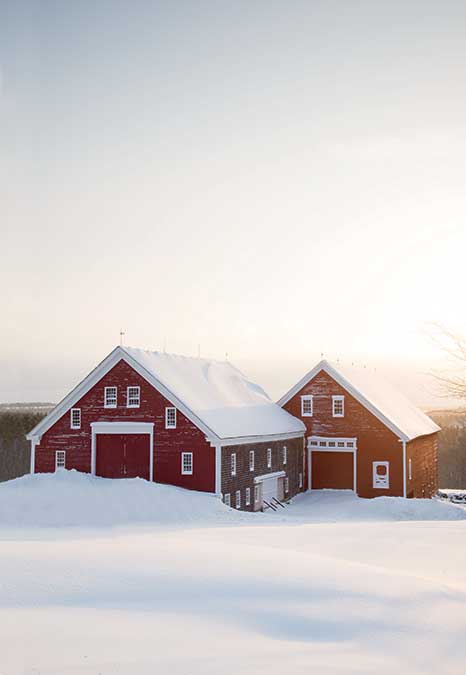
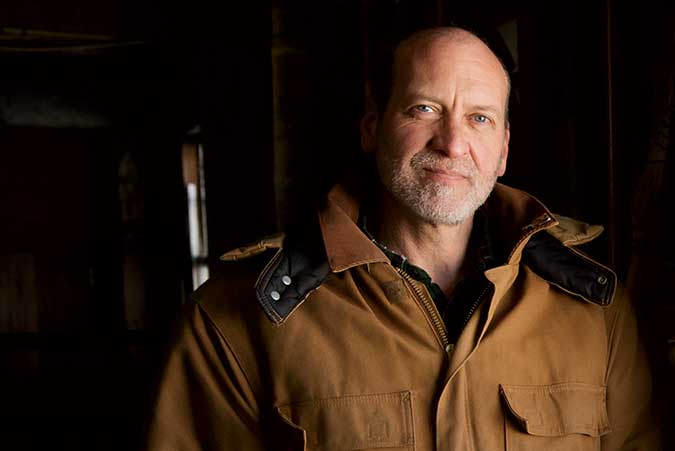
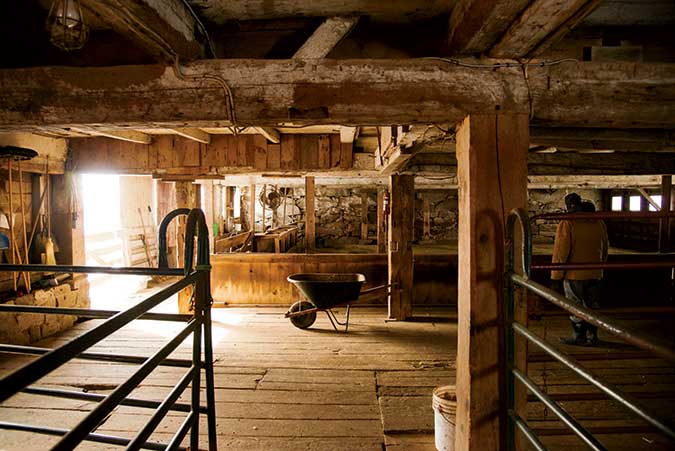
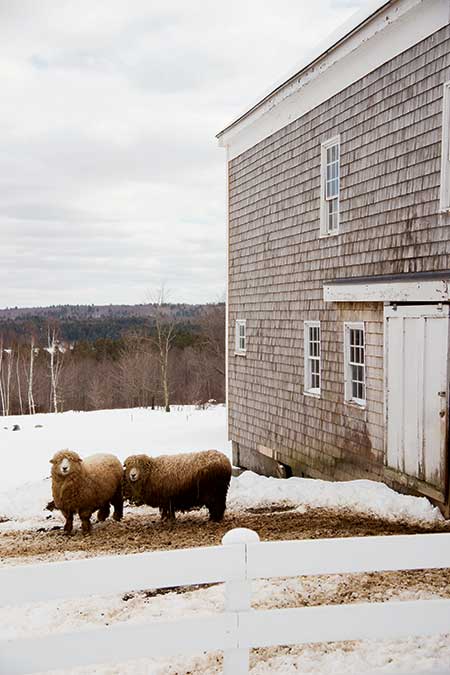
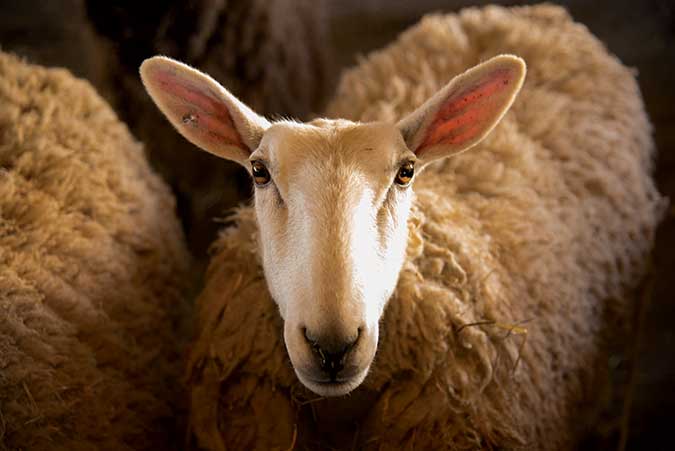
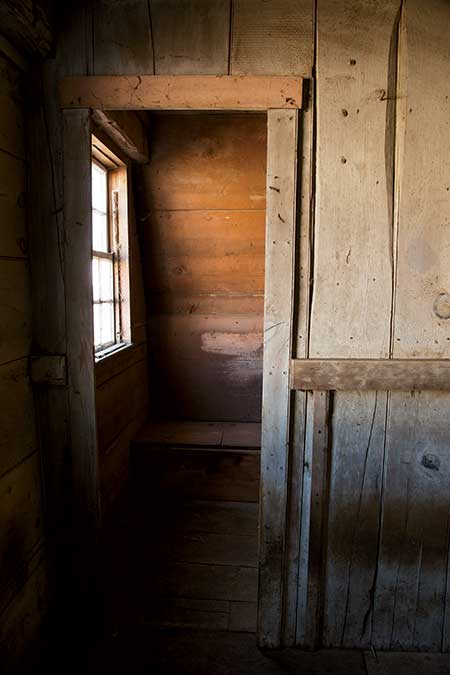
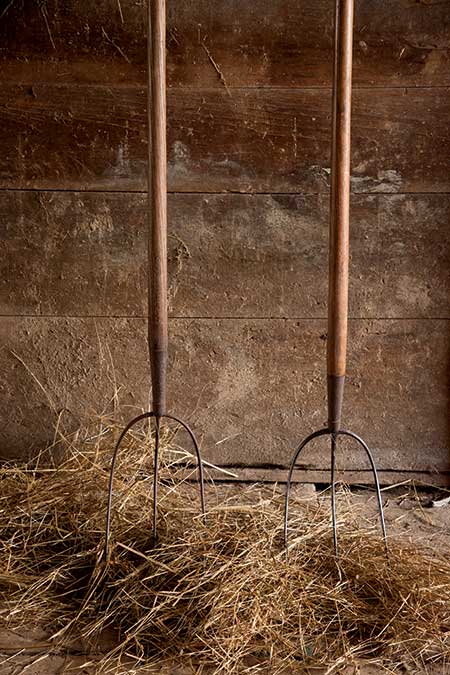
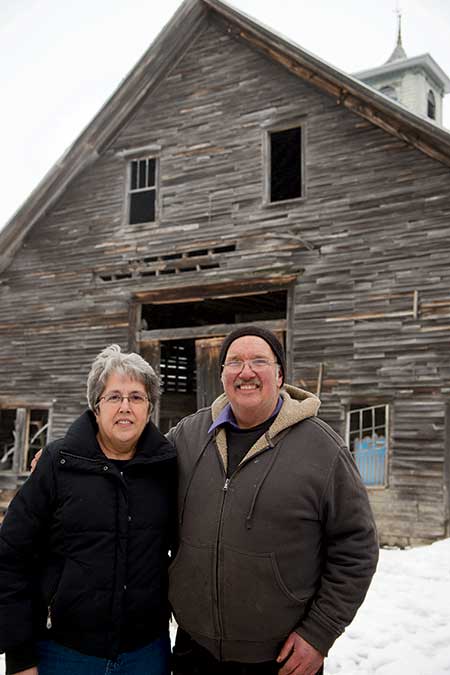
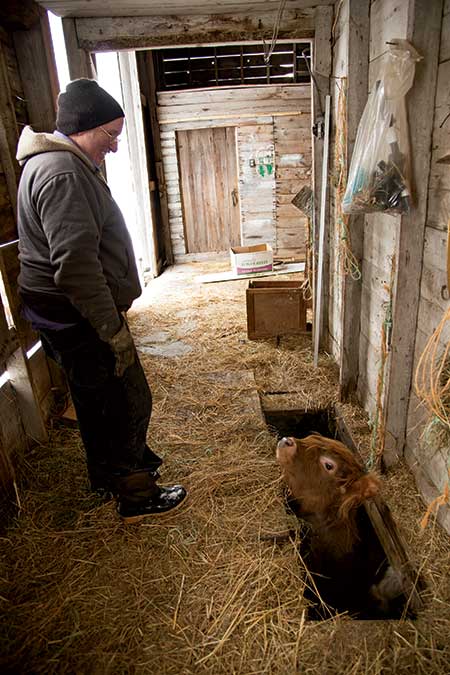
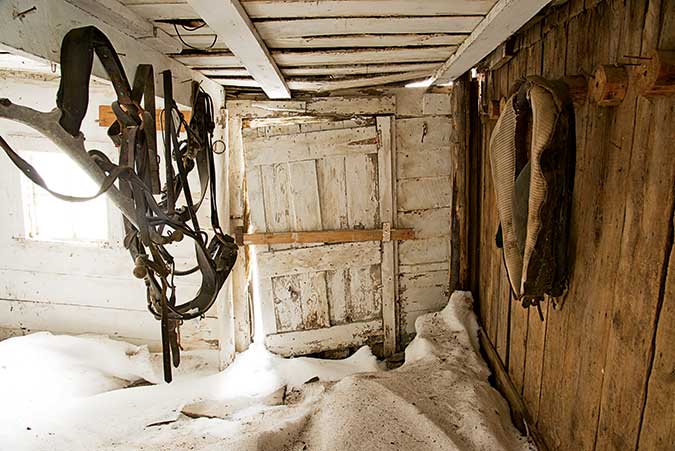
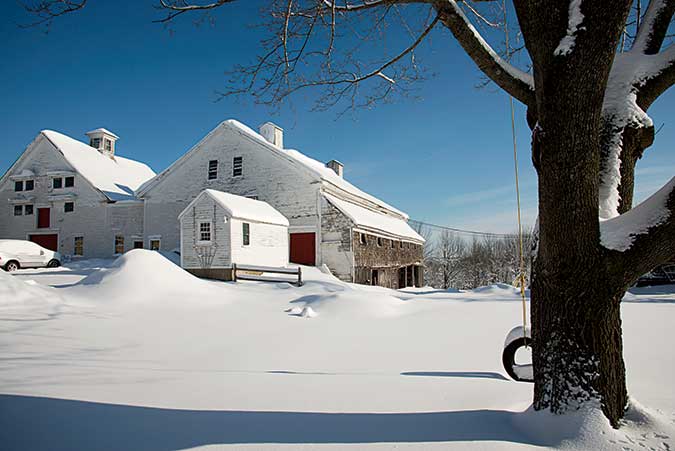
Over the course of two months, Gray spent considerable time at Sabbathday Lake Shaker Village in New Gloucester, home to two 1830-built barns and the only active Shaker community left in existence. Meticulously maintained, the post-and-beam structures remain the center of the community’s life. Upstairs in the front barn, once a stable, Gray discovered a treasure trove of old tractor parts, sleighs, saw blades, and other tools. But it was downstairs, where the animals reside, that Gray encountered the kind of farm life that has endured since Sabbathday Lake’s founding in 1783. At the heart of this continuation is Brother Arnold Hadd, the main caretaker of the farm’s livestock. “Like clockwork, he’s out there twice a day, feeding and cleaning,” Gray says. “He knows all of his animals by name. And he’d be out there in the cold by himself. It was almost spiritual being there, watching him taking care of his morning chores.”
Photo Credit : Sara Gray

Photo Credit : Sara Gray
Photo Credit : Sara Gray
Photo Credit : Sara Gray
Photo Credit : Sara Gray
Photo Credit : Sara Gray

Photo Credit : Sara Gray

Photo Credit : Sara Gray

Photo Credit : Sara Gray
INTERVALE FARM
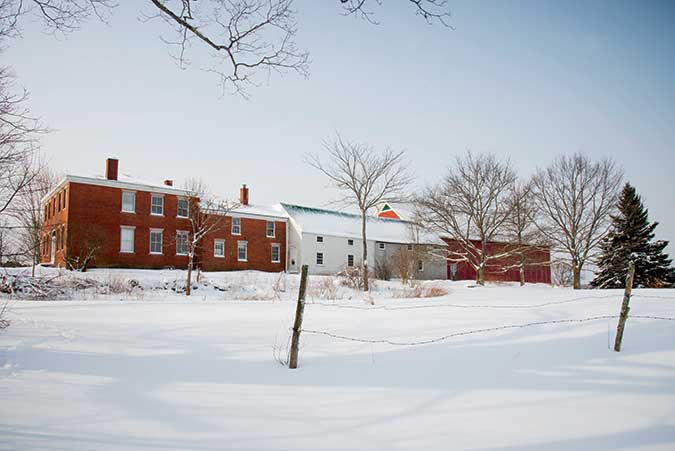
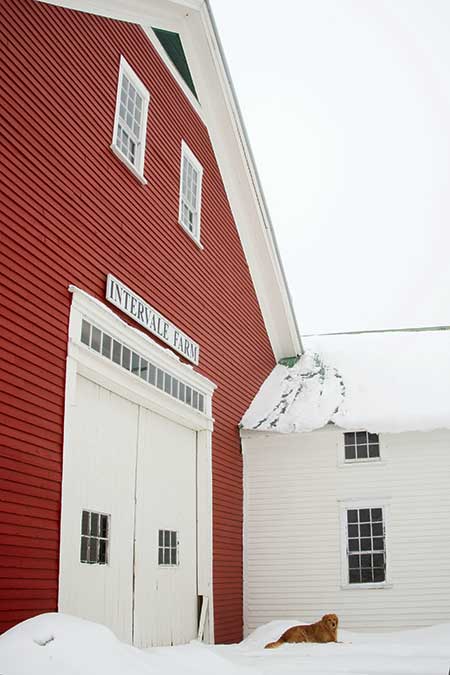
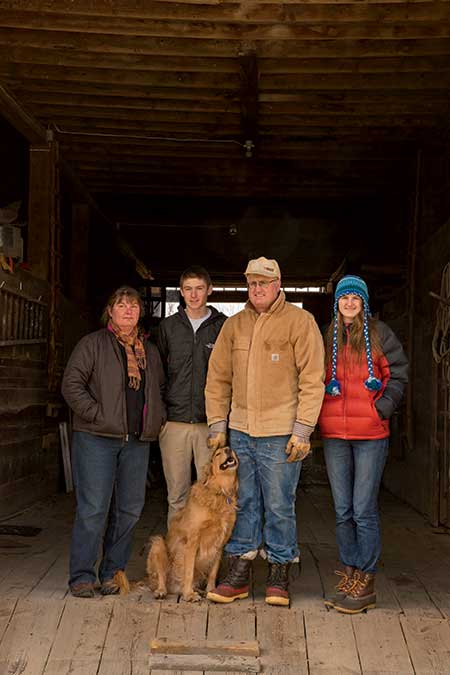
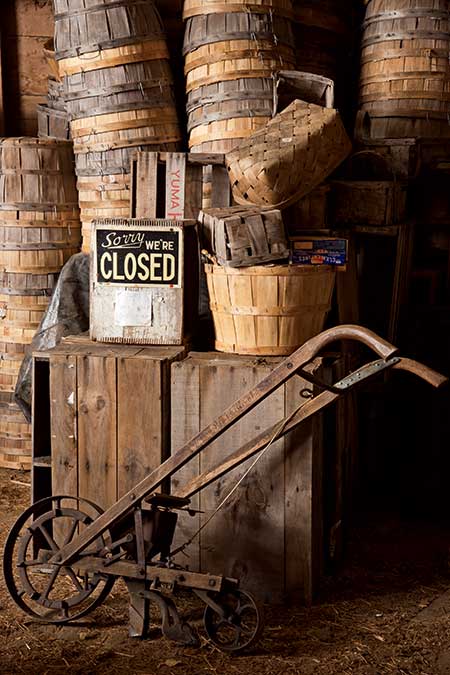
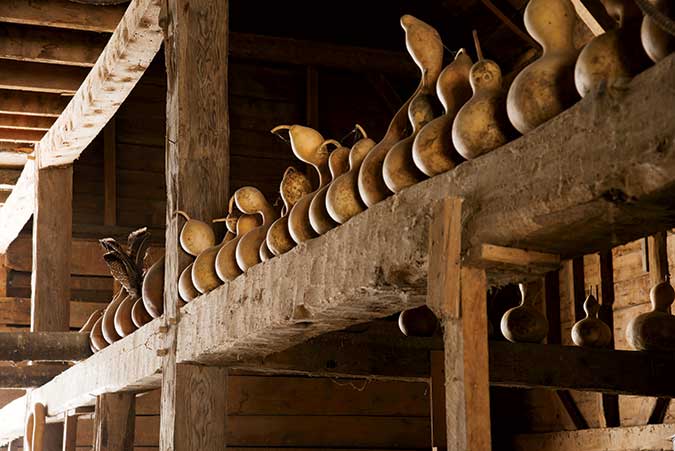
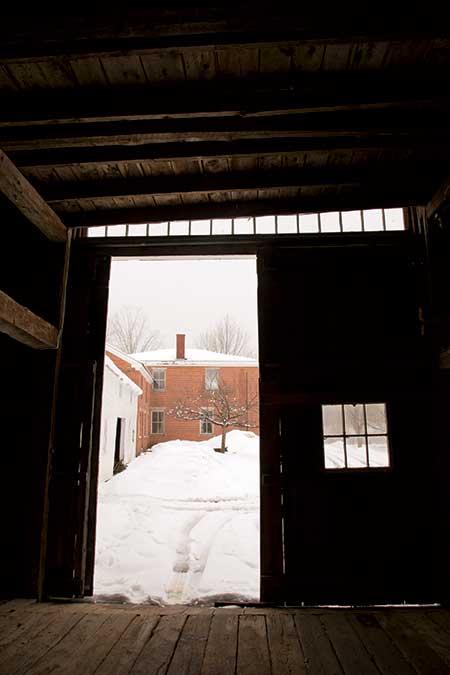
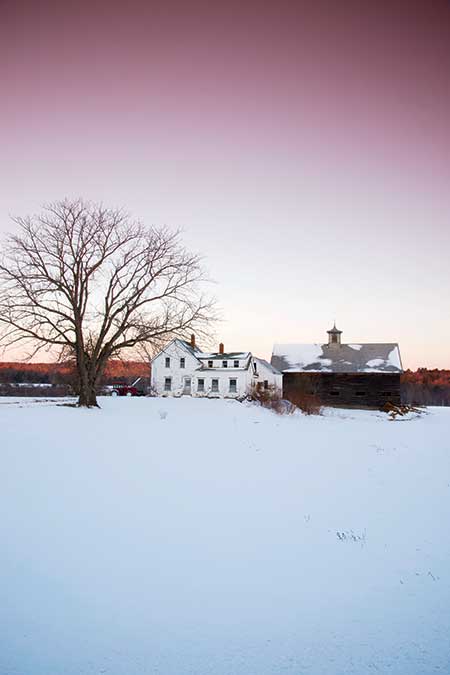
With its red-brick Federal-style home, sitting on a hill surrounded by some 100 acres of rolling farmland, Intervale Farm in New Gloucester is one of the icons of Route 231. Established in 1811, the farm was bought by pig farmer Edgar Wilcox in March 1959; he promptly fixed up the dilapidated home and barn, and later sold it to his son and daughter-in-law, Carl and Jan Wilcox. With the exception of beef cattle in the summer, the Wilcoxes have for now largely given up raising animals. Today, the big building is a repository for the items that link the property to its former heritage: baskets and wagons, signs, and old farm equipment. And gourds, with which Jan has a self-admitted obsession. “The barn is lined with them,” Gray says. “Carl even found some hidden away. She was laughing when he shared that with me.”
Photo Credit : Sara Gray

Photo Credit : Sara Gray

Photo Credit : Sara Gray

Photo Credit : Sara Gray

Photo Credit : Sara Gray

Photo Credit : Sara Gray

Photo Credit : Sara Gray

Photo Credit : Sara Gray
MORIN FARM
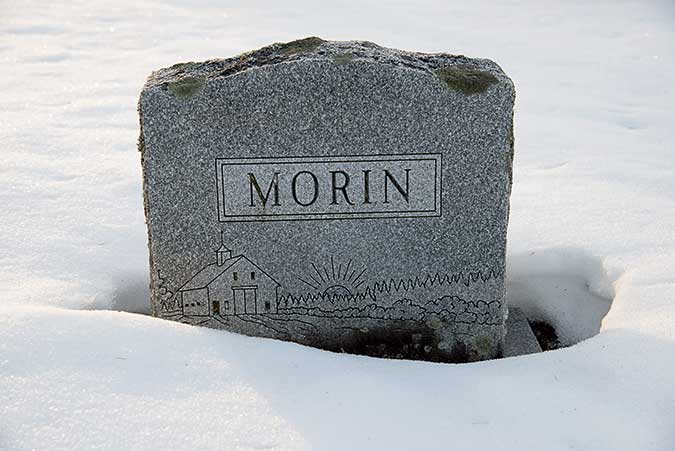
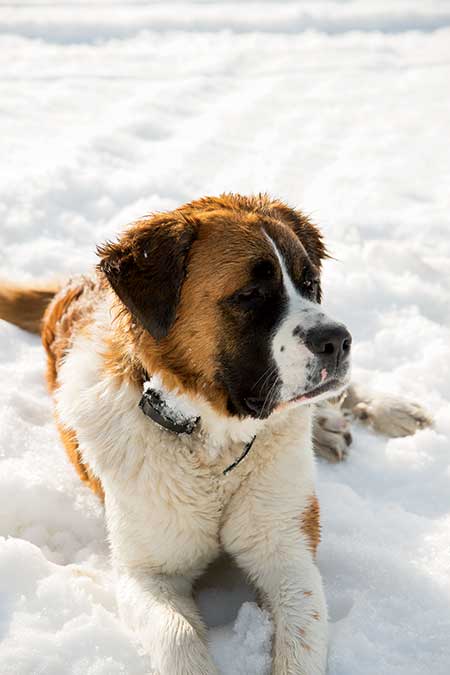
Located on U.S. Route 202 on the way to Lewiston, the Morin Farm is a veritable agricultural island in an area that’s largely been turned over to home construction in recent decades. Although the farm’s longtime owner, Carmel Morin, has been slowed by age and Parkinson’s disease, his family visits often, helping with the property’s upkeep, including the animals. Overseeing the farm’s menagerie are Tootsie the St. Bernard, whose favorite pastime is chasing the chickens, and Pepper the cat. “What you see at a place like the Morin barn is how central the animals are to people’s lives,” Gray says. “When I was there, Carmel’s family came over, and his nieces and nephews were feeding the chickens, cleaning out the horse stalls. They weren’t sitting in front of the TV; they were outside. This barn brought the family together, kept it engaged with the land.”
Photo Credit : Sara Gray

Photo Credit : Sara Gray

Photo Credit : Sara Gray

Photo Credit : Sara Gray

Photo Credit : Sara Gray
MORGAN HILL FARM
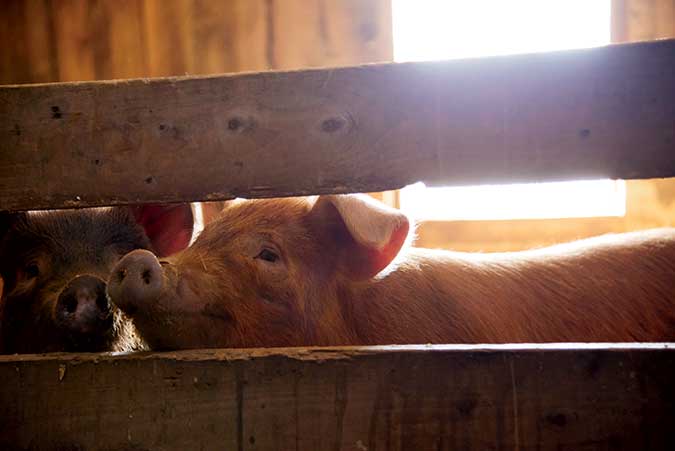
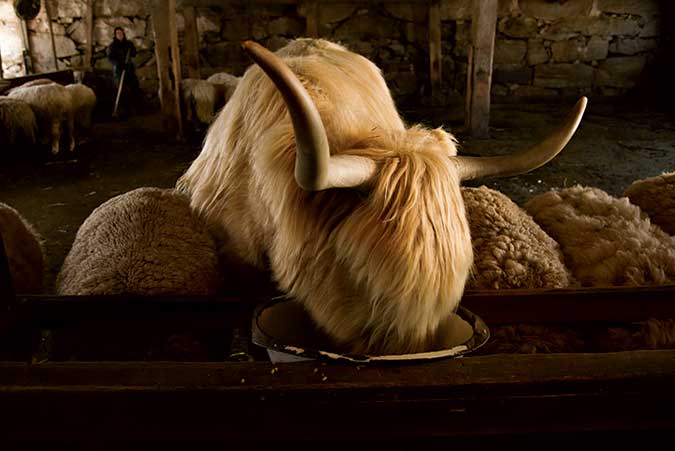
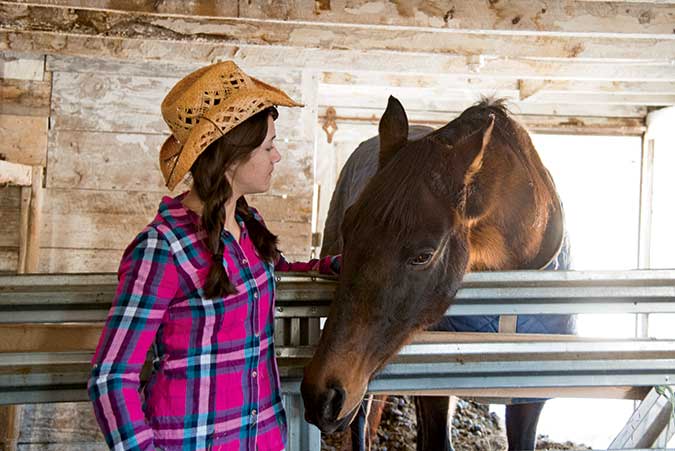
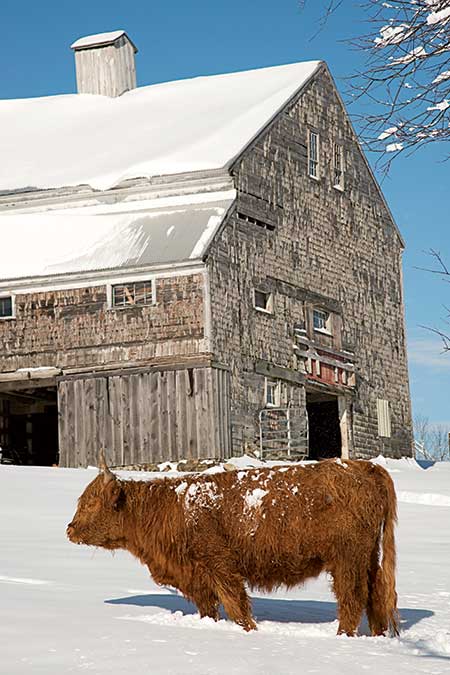
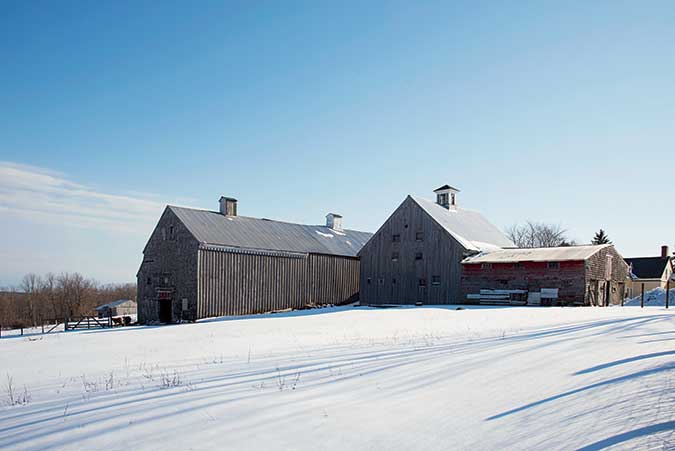
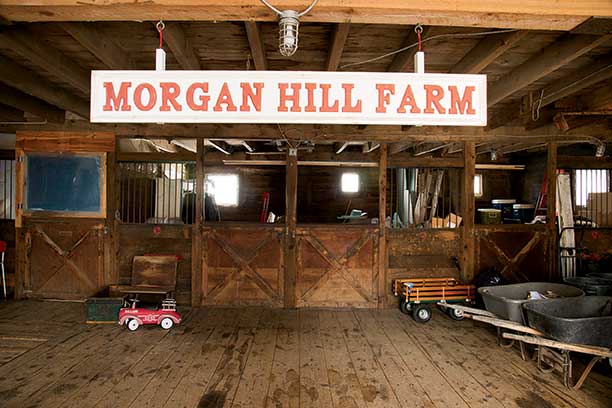
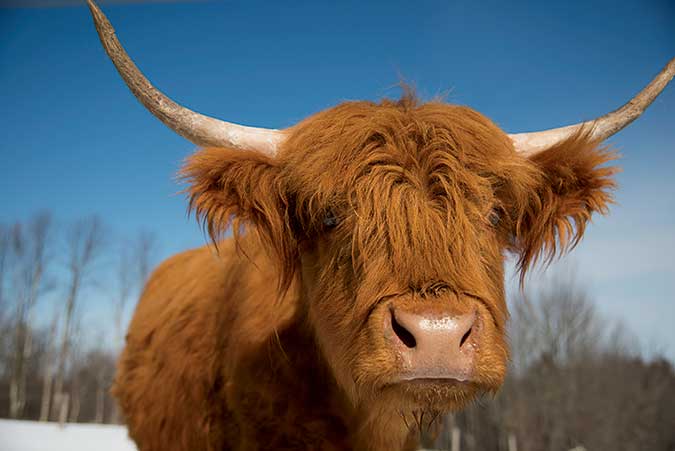
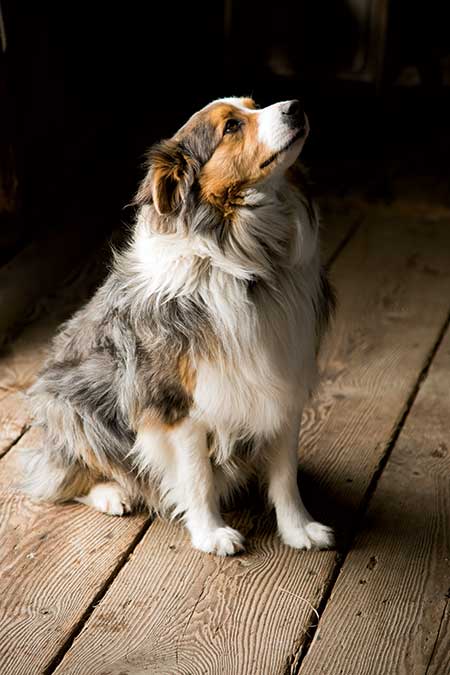
Morgan Hill is probably the farm that Sara Gray knows best. Beginning in 2001, she boarded her horse, Thelma, there for seven years. Now owned by Judi and Laird McClure, who bought the place in 2008, the farm sits high on a hill—a 265-acre property with sweeping views of the New Gloucester area. Like many New England farms, Morgan Hill’s story is an evolving one. Originally settled in 1779, the first farmhouse burned in 1840 and was rebuilt a year later. Two decades after that, two more barns were added to aid a growing dairy operation. Today, farming is still at the heart of Morgan Hill. Judi grows vegetables and makes homemade baked goods, which she sells at local farmers’ markets. She also teaches yoga in what used to be the tack room of the boarding barn. Laird takes care of the animals, which include Scottish Highland cattle, chickens, goats, and a pig. While he’s going about his chores, Laird’s dog, Bucky, a 4-year-old Australian shepherd, is his constant companion. “They’ve brought new life to the farm when it had the potential to fall into the hands of developers,” Gray says. “The land is gorgeous, and it’s so amazing to be there and to see what it’s become.”
Photo Credit : Sara Gray

Photo Credit : Sara Gray

Photo Credit : Sara Gray

Photo Credit : Sara Gray


Photo Credit : Sara Gray

Photo Credit : Sara Gray

Photo Credit : Sara Gray


Is there a way to purchase a book or something print material with the photos of the Maine barns in winter. I would be very interested in that. Thanks, Nancy
Excellent as usual
You have a great eye! Thanks.
Nearly brought me to tears! I grew up on a farm in NW CT and still feel it was the best life a person could ask for. We summer in NH and I have the opportunity to see many wonderful barns in both NH and ME. Your photographs character of the barns and therefore a feel for the dedication of the farmers to this wonderful way of life. I thank you for this.
i grew up on a dairy farm in Solon, ME. We moved to the farm in 1953. It had 2 barns. A horse barn and hay barn/ tie-up for milking cows. The hay barn had a 2 story, wooden enclosure approx 12′ square by 20′ high. We never used it, but we’re told it was an interior silo. The walls were clean, which now makes me wonder as silage would stain the walls. Do you know what these were and what their use was. Sadly both of these barns are gone now, but memories of haying, climbing about, walking the beams, playing hide and speak and the ever present smell of hay remain. Thank you for your article and any info you may have.