Wild at Heart | Local Treasure
Even in winter, Connecticut’s largest wildlife refuge rewards nature-loving explorers.
By Yankee Magazine|Dec 03 2020|

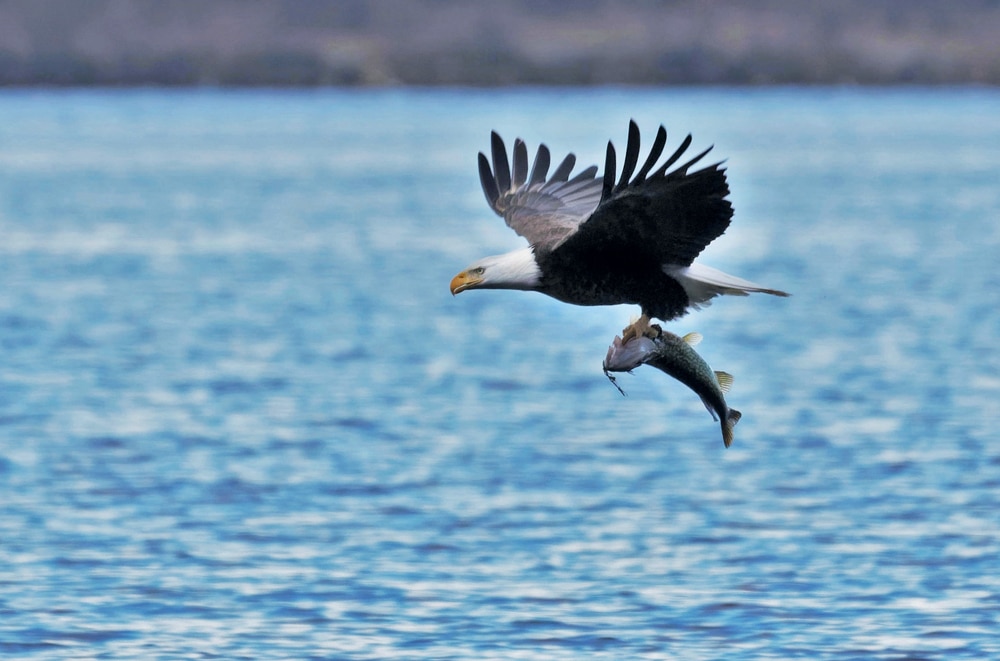
Sixty percent of the shoreline of Connecticut’s biggest natural lake, Bantam Lake, is protected as part of the White Memorial Foundation and Conservation Center.
Credit: Leo Kulinski Jr.By Erik Ofgang
“Keep an eye out for butterflies.” Even in months when snow still blankets the forest floor, that’s James Fischer’s advice to hikers who visit White Memorial Foundation and Conservation Center in Connecticut’s Litchfield Hills.
Fischer, the research director at White Memorial, explains that the preserve, which stretches from Litchfield to Morris, is home to thousands of winter-dwelling mourning cloak butterflies. These large butterflies have dark brown wings edged with beige. They survive the cold by sheltering in small holes drilled by woodpeckers into the sides of trees. And White Memorial has an abundance of maple trees—more than 1 million, by Fischer’s estimation.
Credit: Courtesy of White Memorial Conservation Center
“You will sometimes see the mourning cloak butterfly fly through the forest on nice warm winter days,” Fischer says. “It’s seeking out mates at that time of year, but it’s also trying to find high-carbohydrate, high-sugar sap to drink from.”
This winged wonder is just one of the many surprises you might discover on a visit to White Memorial. The 4,000-acre wildlife refuge—the state’s largest—has more than 40 miles of trails that run through beautiful Connecticut countryside and are popular with travelers year-round. It also has a nature museum, which is temporarily closed due to coronavirus concerns, but the natural history of the region it celebrates is still, thankfully, accessible.
You can learn about the area’s wetlands at one of White Memorial’s most popular year-round destinations, the Boardwalk, a 1.2-mile walkway over the Bantam River and around Little Pond. Only a few feet off the ground and an arm’s-length wide, the wooden path traverses through the wetlands, giving you the same view that birds enjoy when they skim over a marsh.
Credit: Leo Kulinski Jr.
Cross-country skiers and snowshoers head to the Five Ponds Area, where wide trails twist and turn by a series of small ponds. Apple Hill Trail is a two-mile route that takes viewers up a hill with an observation deck that provides a view of Bantam Lake from its 1,200-foot elevation. No matter how often you walk through the preserve, there is always more to explore.
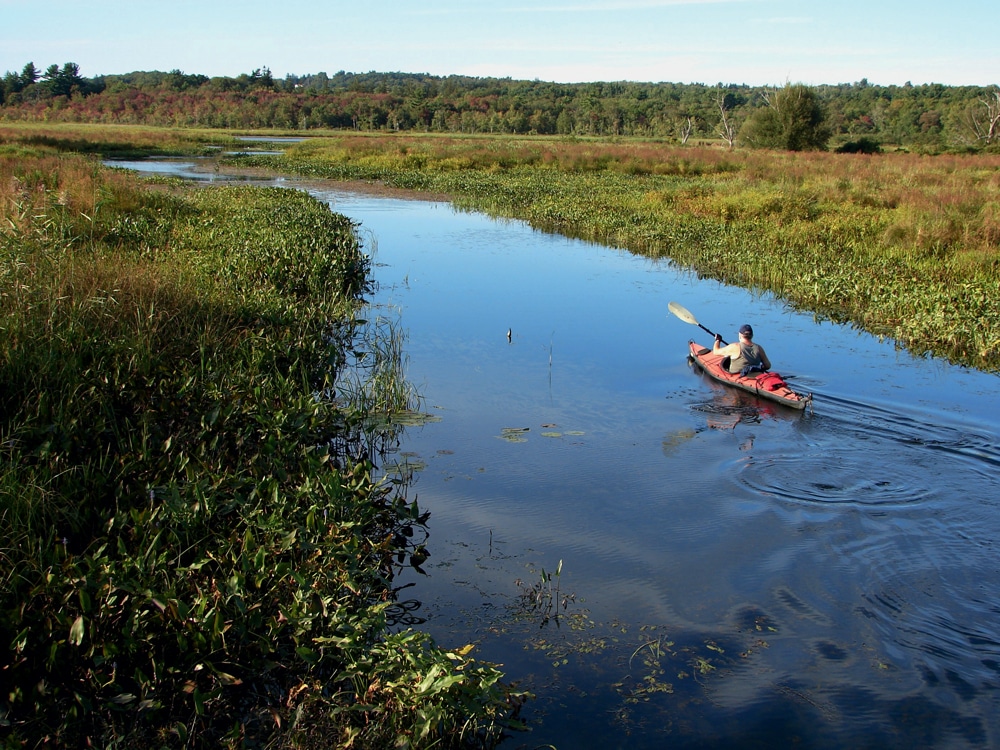
The preserve was founded in 1913 by siblings May and Alain White in memory of their parents. Their father was John Jay White, a New York real estate magnate who in 1863 built the family a mansion in Litchfield called Whitehall, which today serves as the preserve’s nature museum.
Credit: Leo Kulinski Jr.
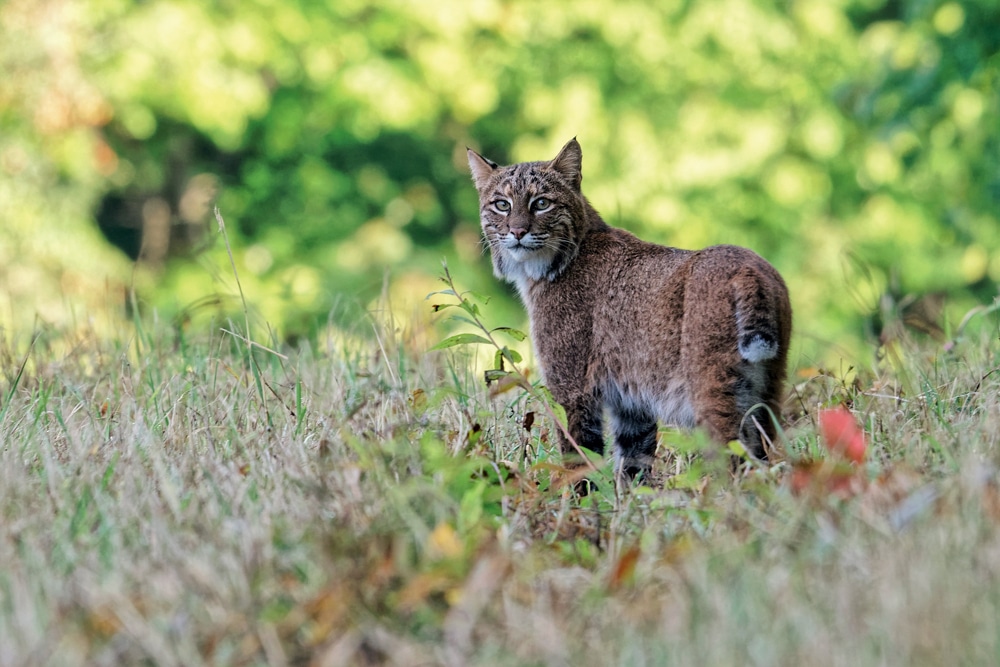
Credit: Leo Kulinski Jr.
As adults, Alain and May became dedicated to saving open space in the region, purchasing more than 10,000 acres of land, much of which they donated to the Connecticut park and forest system, including what would become three beloved state parks: Kent Falls, Macedonia Brook, and Mohawk Mountain. They also purchased the land around their family’s estate that today makes up White Memorial.
These siblings ensured that the forests and hills they walked through more than a century ago remain for the rest of us. When you hike or snowshoe across Chickadee Bridge, for instance, you come to Caitlin Woods, where you will be in the shade of an old-growth 40-acre evergreen forest. The centuries-old trees are large, some are as wide as three feet in diameter, and they frequently block the sun, creating a fairy-tale atmosphere of shadow. They are also living artifacts of the region’s history.
“There are trees in that forest that are well over 300 years of age,” Fischer says. “They were here back when George Washington was walking the landscape.” whitememorialcc.org