What Makes a Collection Valuable? | Ask the Expert
Tips on how to get started and how to avoid costly mistakes. Collecting is among our most basic human instincts. Whether we intentionally set out to or not, most of us collect something. Karen Keane knows this better than most: Now the CEO of one of the world’s leading auction houses, Skinner Inc., based in […]
By Joe Bills|Mar 22 2016|

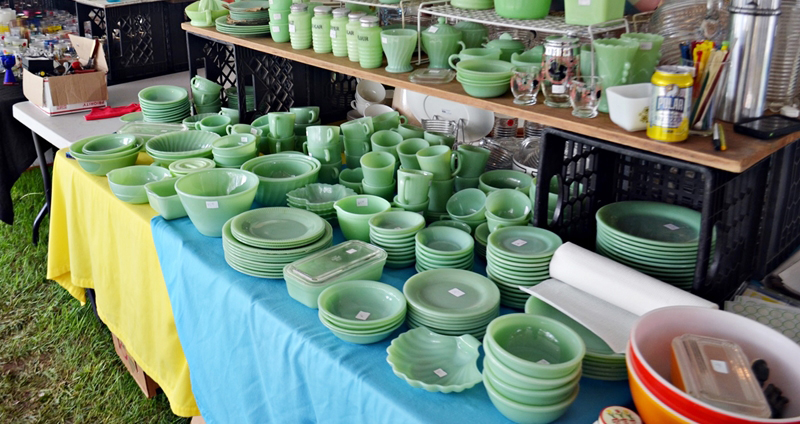
Tips on how to get started and how to avoid costly mistakes.
Collecting is among our most basic human instincts. Whether we intentionally set out to or not, most of us collect something. Karen Keane knows this better than most: Now the CEO of one of the world’s leading auction houses, Skinner Inc., based in Boston and Marlborough, Massachusetts, Keane has been appraising, acquiring, and auctioning all manner of arts, antiques, and valuable collectibles since the late 1970s.
Credit: Aimee Seavey
Collect What Speaks to You
If you’re just starting a collection, potential value can be an important consideration, but Keane says the best place to start is by collecting what interests you. If your collection flows organically from you, you’ll enjoy building it, regardless of price range or market value.
Become a Connoisseur
“People often ask about how to begin. You begin by buying something. That’s really how you start,” Keane explains. “And as soon as you shell out some hard-earned cash for an object, you’ll start to see it through different eyes. It’s like when you first discover something and then you see it everywhere.” You’ll notice nuances you didn’t see before—and the more you see, the more of a connoisseur you’ll become.
Rare, Not Weird
A collection is only as valuable as the marketplace says it is. Rarity is important, but if a collection is too weird, the market becomes really thin, because very few people want those items. “Every once in a while we’ll get collections of antique dental equipment or Civil War doctor’s material. Some of that stuff is pretty gruesome,” Keane says. “It can be rare, but how many people want a collection of that? It’s not as valuable as you’d think.” The best collections have a perfect balance of rarity, demand, and aesthetic appeal.
But Not Too Popular
There was a time when comics and baseball cards were “can’t miss” collectibles. Then we all stopped throwing them away and started treating them like investments. “With baseball cards, it used to be that you could find a collection put together in the 1940s with some spiffy cards, or even better, you might find cards from the turn of the last century,” Keane notes. “Now what we usually see are boxed sets, never opened, from the 1980s. There’s so much of it, and nobody cares.”
“Limited Edition” Equals Limited Value
“I would caution people about getting caught up in the frenzy of objects that are made as ‘limited editions,’” Keane advises. “Rarity is one of the things that you need to consider when valuing a collection. If whatever you’re collecting is too easy to acquire, be aware that you may be going down a rabbit hole after something that will never be terribly valuable. Products that are designed as collectibles just don’t go anywhere. You can rarely get your money back.”
The Generation Gap
Certain classics may never go out of style, but tastes change. “As the Baby Boomers age out of the marketplace,” Keane says, “we’re looking to see who’s going to fill their shoes. What is this generation interested in?” Furniture from the 1970s, she notes, is at a price point where a younger person can afford it, “and their aesthetics are a little more open-minded. They’re still looking at things. To me, that 1970s sofa is just as legitimate as an Empire mahogany scroll-arm settee from 1820. It speaks to its time, it’s genuine, and it has historical relevance. It’s part of our material culture.”

Credit: Cheryl Richards Photography