Inside New England’s Dream Summer Homes
From antiques-filled cottages to quaint rustic cabins, New England author and design journalist Jaci Conry invites us into the iconic summer house.
By Madeline Bilis|Jun 29 2026|

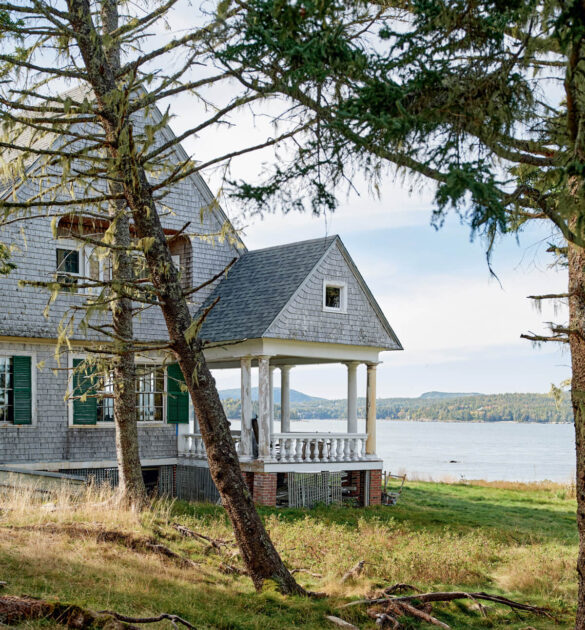
Built on Maine’s Sutton Island in 1889 by wealthy Philadelphians, the summer home known as Windemere survived years of abandonment and winter storms before another family eventually came along to love it and pass it down to their children. It features a view across the property to the shores of Mount Desert Island.
Credit: Erin Little/Courtesy of Rizzoli New YorkWhen Jaci Conry was growing up on Cape Cod, her childhood was filled with days on the water, both on boats and from the shore. “I grew up going to the beach with my family, sailed in the summers, learned to drive in the beach parking lot, and spent so many moments there with friends as a teenager,” she says. “[The beach] was just always there—something to be counted on in the landscape of my life.”
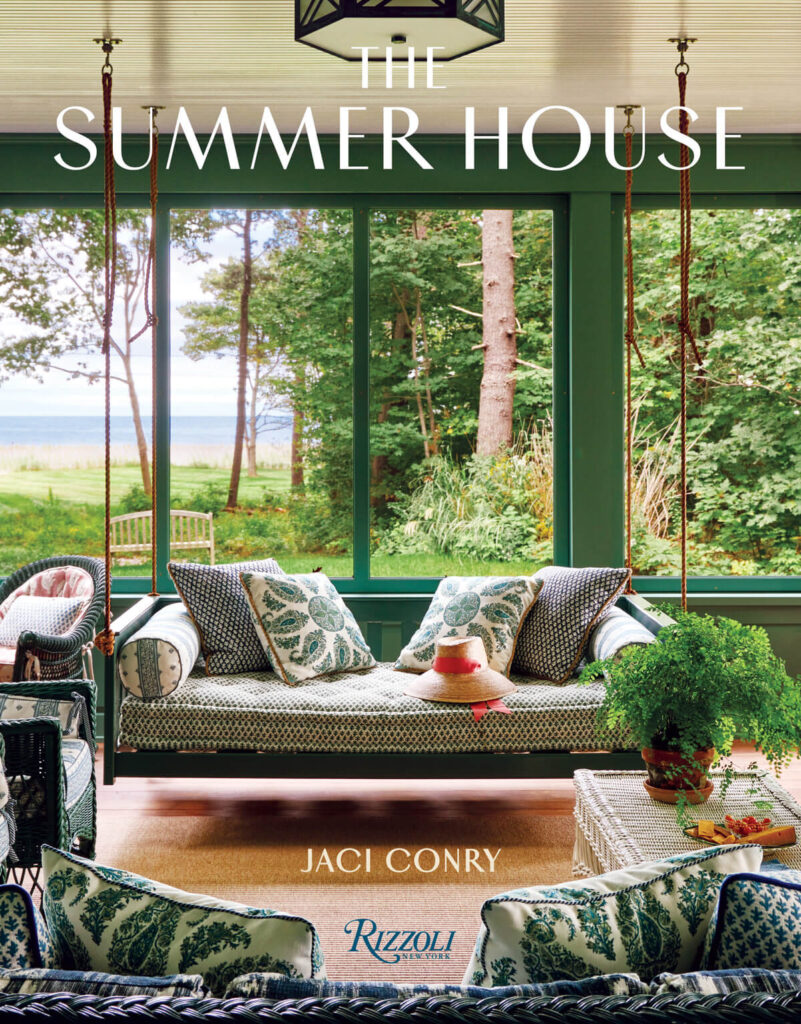
Credit: Courtesy of Rizzoli New York
Now a Boston-based author and design journalist who lives in Back Bay with her husband, children, and goldendoodle, Conry returns to their second home in Falmouth any chance she can get for that sense of salty, sandy ease. Upon stepping inside, she feels what she calls “the shift.” It’s the “unspooling of whatever I was carrying,” she writes in her new book, The Summer House. “The list in my head quiets; my breath slows.”
“The shift” is what Conry endeavors to capture in the book, which showcases a dozen breezy, casually beautiful summer homes across the Northeast—from a time-honored Cape on Maine’s coast to a bucolic post-and-beam Colonial in Connecticut.
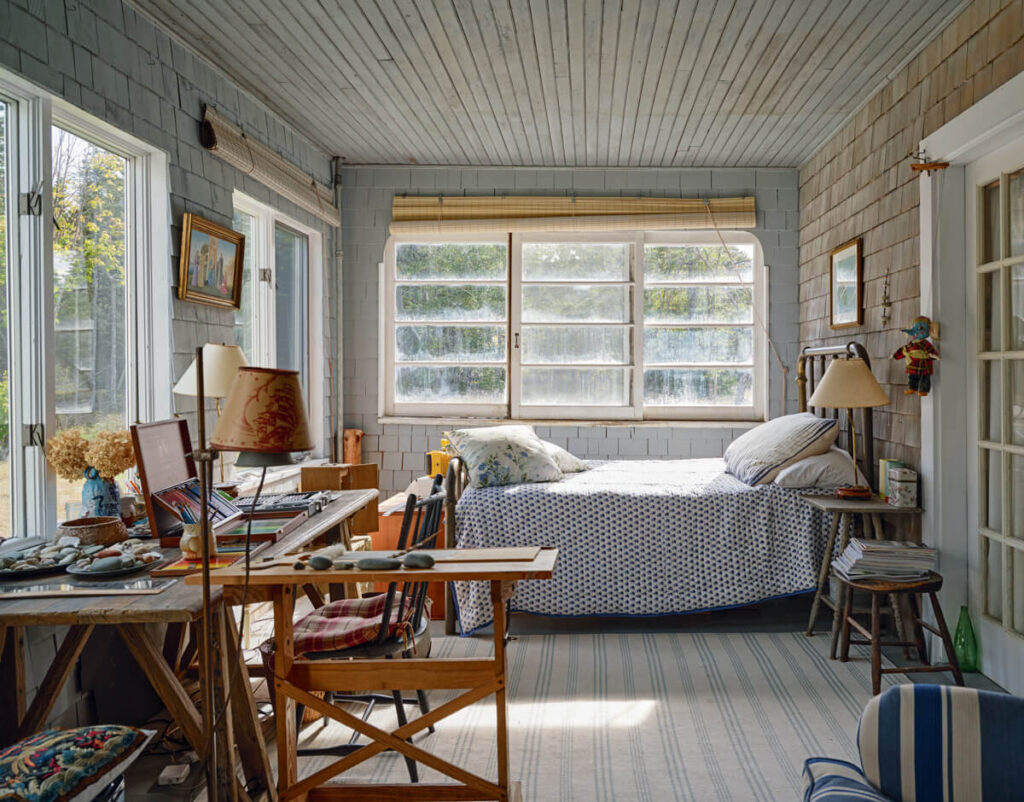
Credit: Erin Little/Courtesy of Rizzoli New York
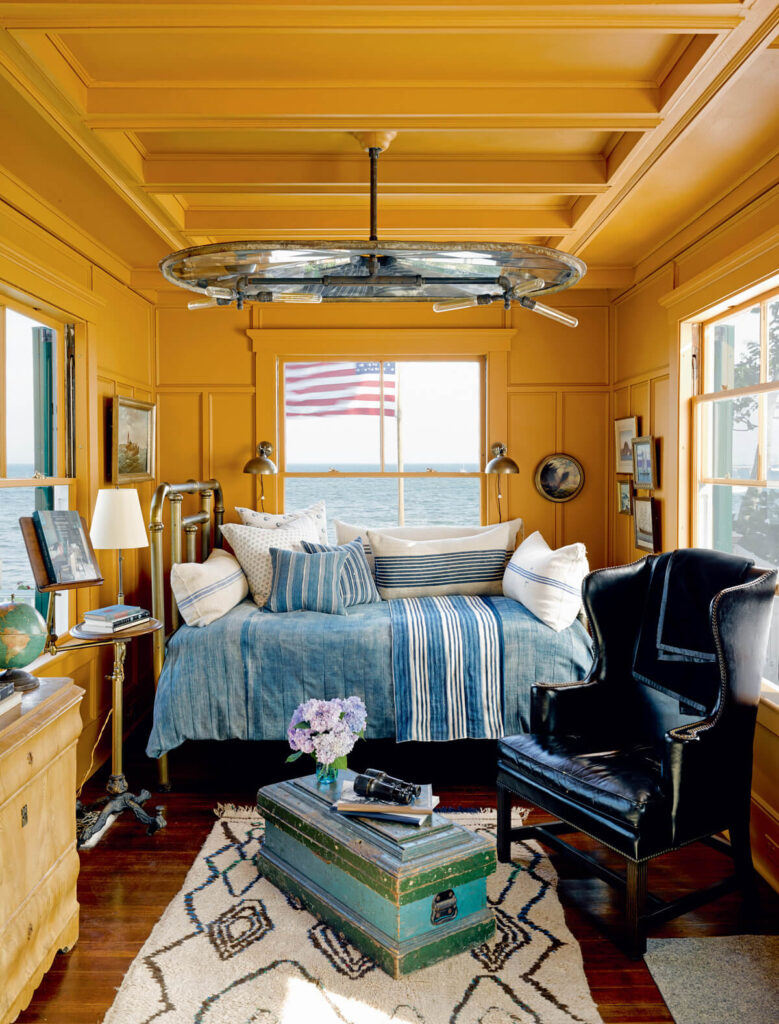
Credit: Douglas Friedman/Trunk Archive/Courtesy of Rizzoli New York
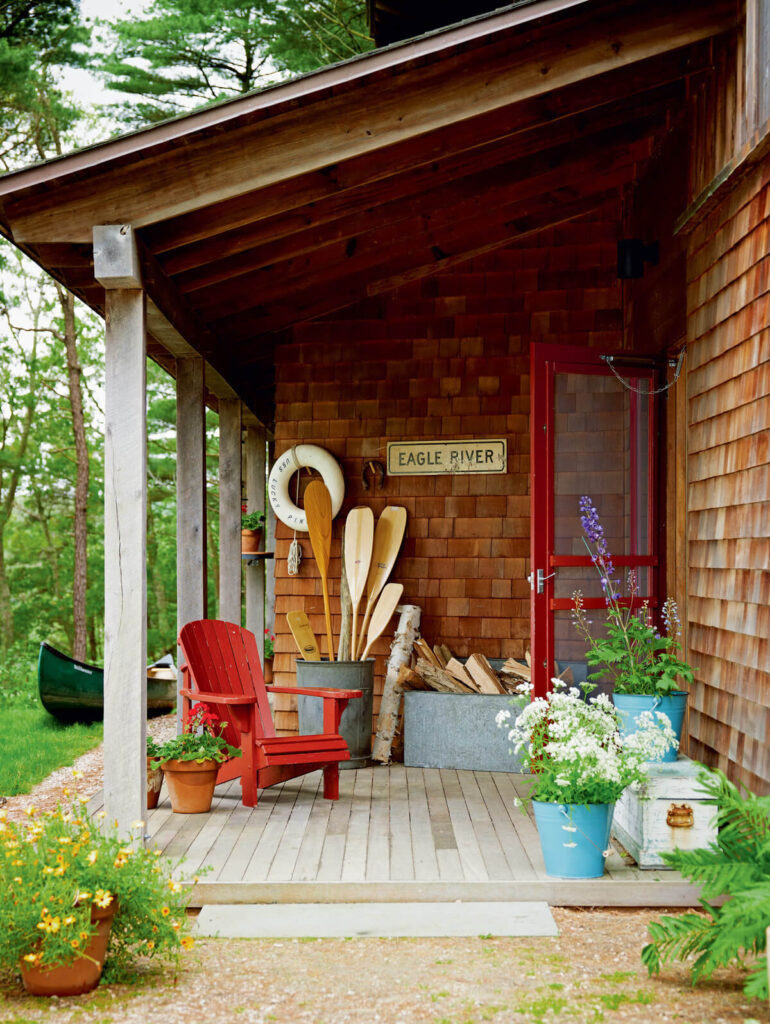
Credit: Jane Messinger/Courtesy of Rizzoli New York
Having a seasonal respite feels more important than ever, Conry points out. “It’s really impossible to totally unplug these days. The beauty and the curse of technology is that you can bring it with you—you can bring your work anywhere, you can always be plugged in,” she says. “A summer house can represent this place where you go to be slower.”
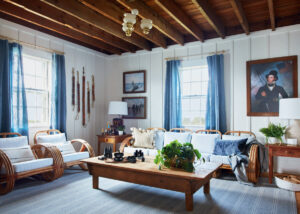
Conry’s book rounds up a variety of design styles while underscoring the simplicity of summer’s loose, unstructured days. There are quaint and cozy rustic getaways, historic houses overflowing with antiques, polished newer-construction homes, and more minimal, modern-inspired abodes. “There are so many different ways that people live in summer houses,” Conry says. “We really tried to get at the stories behind the houses, the history of the houses, and why people live in them the way that they do.”
The region’s diversity of landscapes allows for different ways to slow down in summertime, too. Beyond eclectic, laid-back interiors, The Summer House depicts island hideaways, woodsy lake cabins, beachfront houses, and cottages on lively main streets. The point is that New Englanders can while away August beneath some shady pines, or by sunning themselves seaside—and within striking distance of each other, to boot. “Three hours from the city and you can be in the mountains,” Conry says of New England’s summer delights. “And you can be on an island by just hopping on a ferry.”
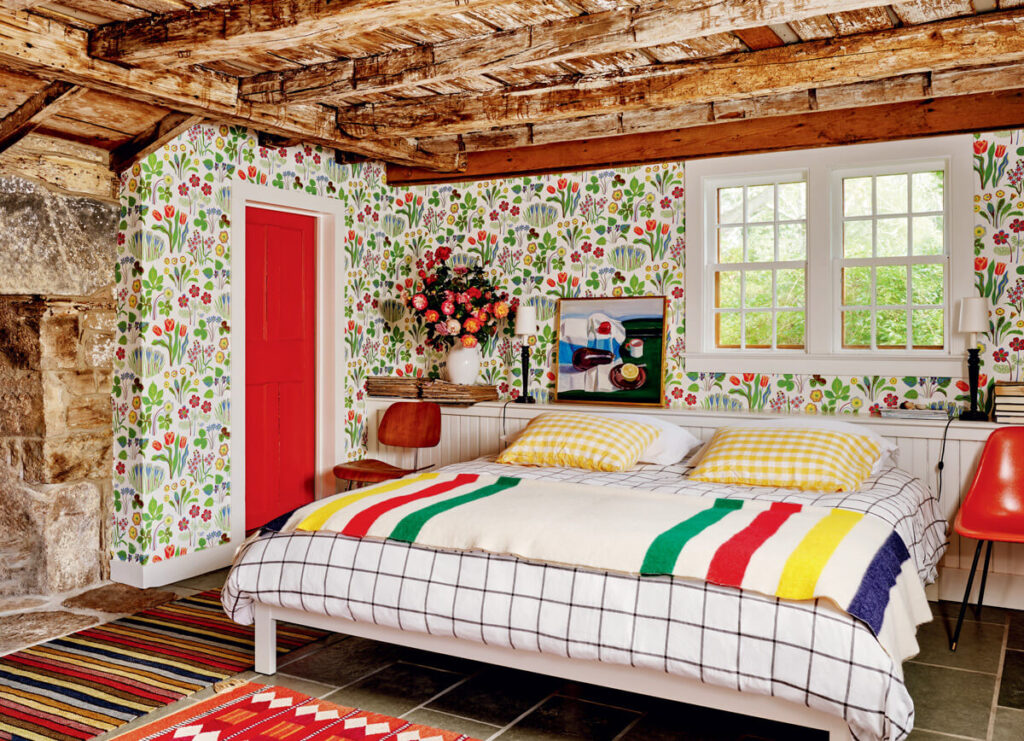
Credit: Read McKendree/JBSA/Courtesy of Rizzoli New York
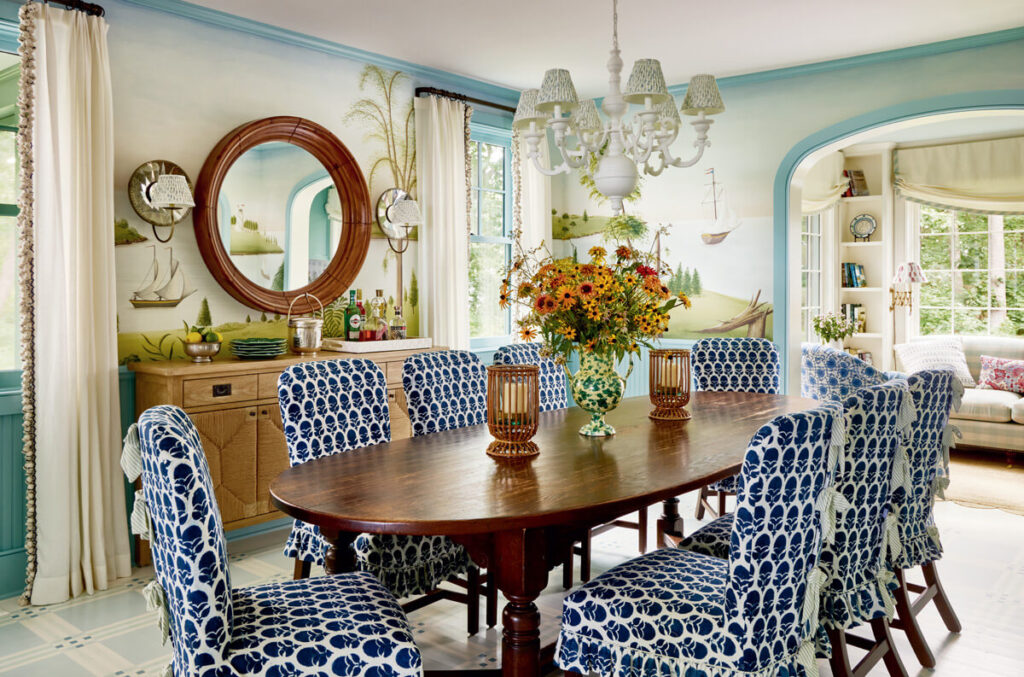
Credit: Read McKendree/JBSA/Courtesy of Rizzoli New York
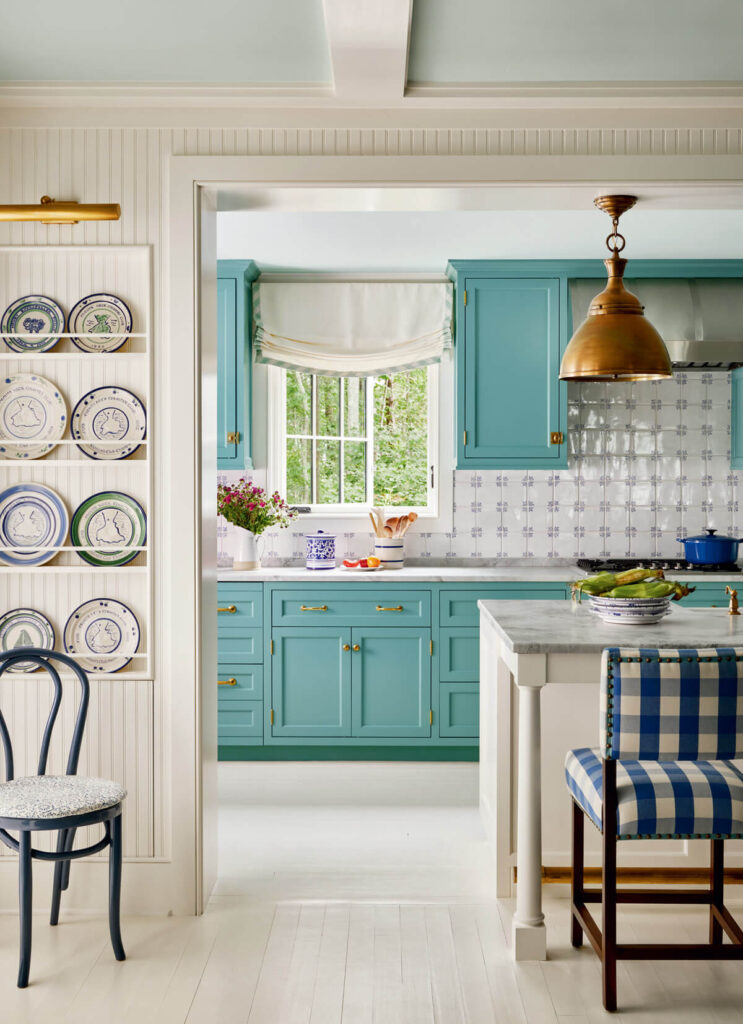
Credit: Read McKendree/JBSA/Courtesy of Rizzoli New York
One such island retreat in the book, however, takes a little longer to reach, which is part of its magic. The 125-year-old cedar-shingled manse on Maine’s Sutton Island, a place with no paved roads, cars, or year-round residents, sits perched on a bluff overlooking Acadia National Park. Left abandoned for a decade, the house feels especially memorable to Conry. “It’s lived a long life,” she says. “It hasn’t been really touched very much from its original incarnation.”
Owner Nadia Rosenthal and her sister, who both spent childhood summers on the island, restored the place to its former glory after finding the original 19th-century blueprints in the attic. Large windows frame views of the sea, a woodstove and century-old cabinets grace the kitchen, and two pianos in the living area have remained there since the 1920s (a favorite tidbit for Conry).
Conry’s goal, beyond producing a book of inspirational images, was to dive into the histories of each house and its inhabitants over the years—and to nudge readers toward “the shift.”
“Hopefully,” she says, “it will help them get into a summer state of mind.”
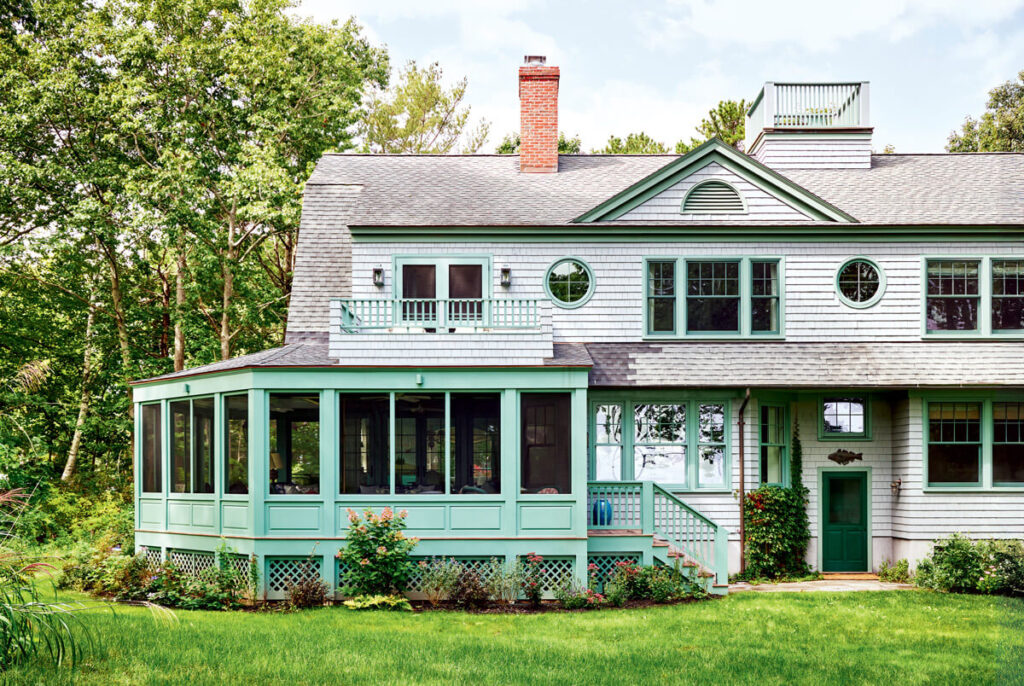
Credit: Read McKendree/JBSA/Courtesy of Rizzoli New York
This feature was originally published as “Temples of Unhurried Delight” in the July/August 2026 issue of Yankee.