



Call of the Wildside | Wildside Cottage and Gardens in Conway, Massachusetts
A Massachusetts green thumb is gardening to change the world, one acre at a time.
By Yankee Magazine|May 29 2019|

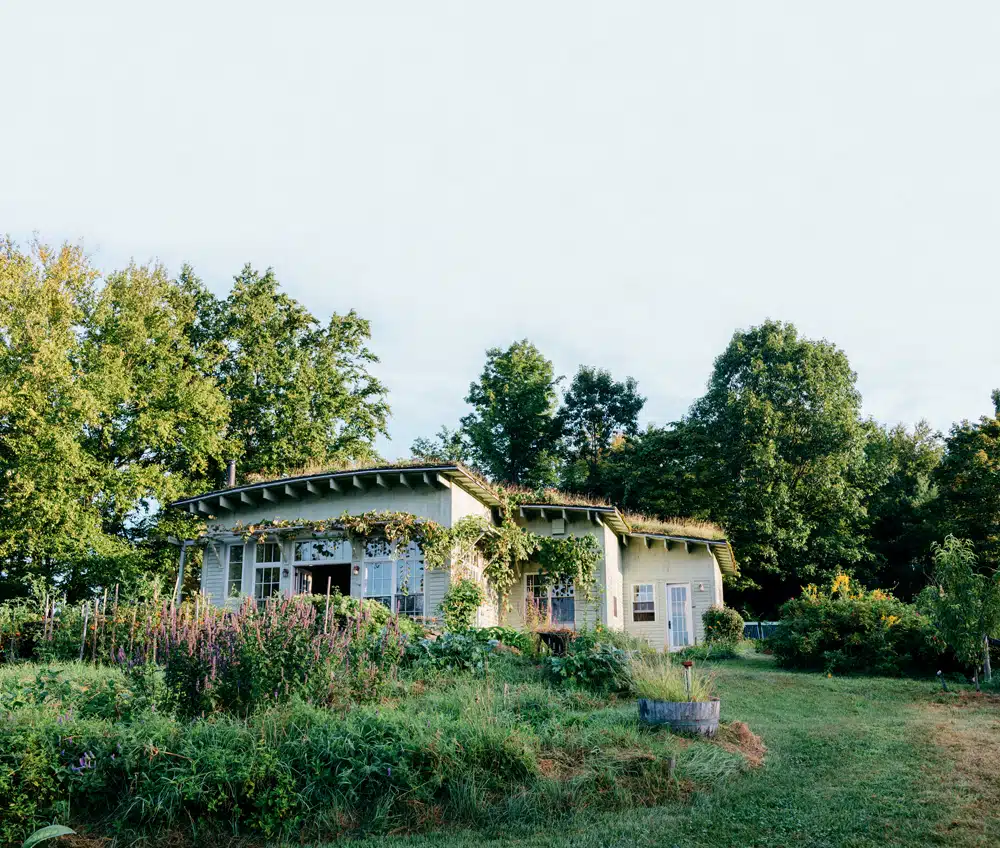
A sod roof insulates Bridge’s solar-powered cottage at Wildside while helping it blend into the natural landscape.
Credit: Michael PiazzaBy Katy Kelleher
Some gardens are defined by straight lines and right angles, plants trimmed into geometric shapes, bricks laid in accordance with the golden ratio. Wildside Cottage and Gardens, in Conway, Massachusetts, is not one of those places.
Here, there are tangles of blackberries and sweet fern. Fields of blooming Queen Anne’s lace, heads high and blowsy in the wind. Even the cottage is blanketed in green grasses, the roof planted like a meadow, lush and untamed. The garden follows rules deeper and more significant than those that govern most landscapes. Wildside has wild logic.
Credit: Michael Piazza
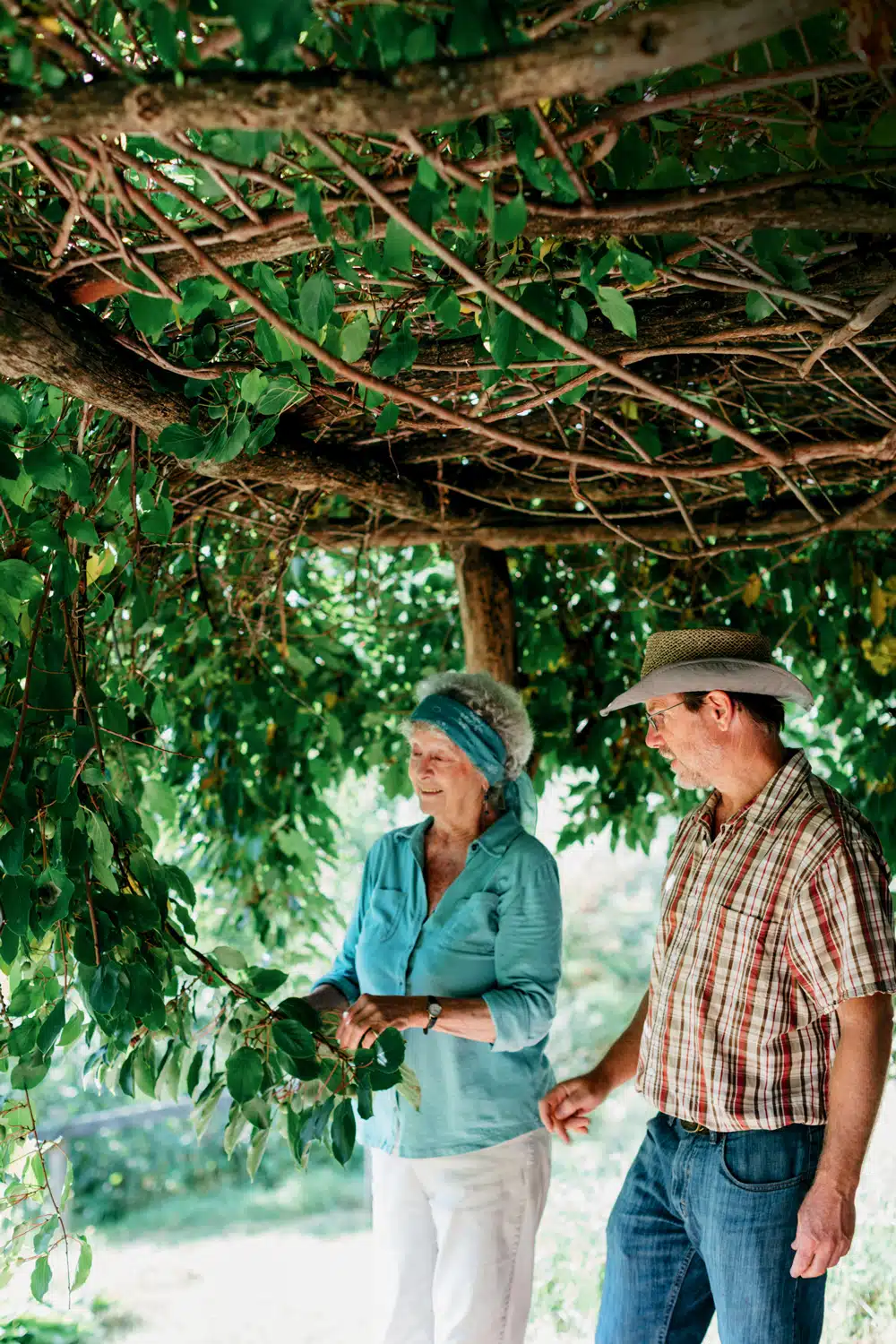
This verdant 8.3-acre teaching compound is the work of Sue Bridge, founder and “resident steward.” With her short, no-nonsense hair, sun-lined face, and simple, practical clothes, Bridge doesn’t quite fit the earth mother stereotype. She has a professorial air, paired with a keen ability to sense when her visitor is getting lost in the weeds (and the grace to subtly redirect the conversation whenever this happens). For the past dozen years, Wildside (a nonprofit since 2013) has been inviting kids and adults to come and learn from the landscape, to absorb the ins and outs of the kind of gardening practiced here, known as permaculture.
Credit: Michael Piazza
As Bridge explains it, permaculture (permanent plus agriculture) goes beyond organic gardening to encompass an interconnected system that includes not only food and gardening but also buildings, animals, and people. Bridge’s longtime friend and Wildside consultant Jono Neiger, author of The Permaculture Promise, says it’s about integrating all of it to create a sustainable way of living that uses less energy, produces less waste, and works with the local rhythms of the earth, the needs of that particular soil, and the lives of the regional flora and fauna.
But to really understand permaculture, you can simply look around.
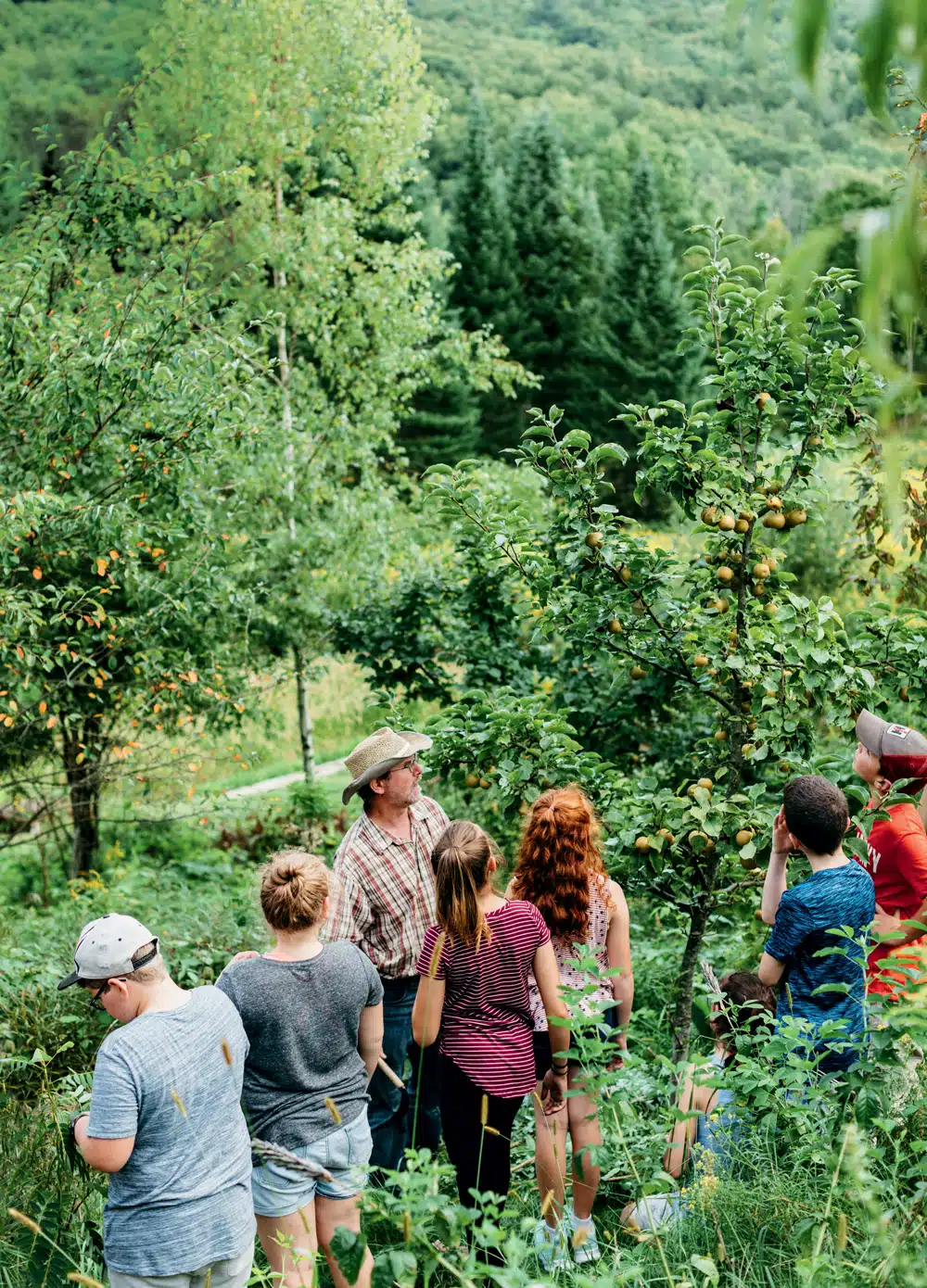
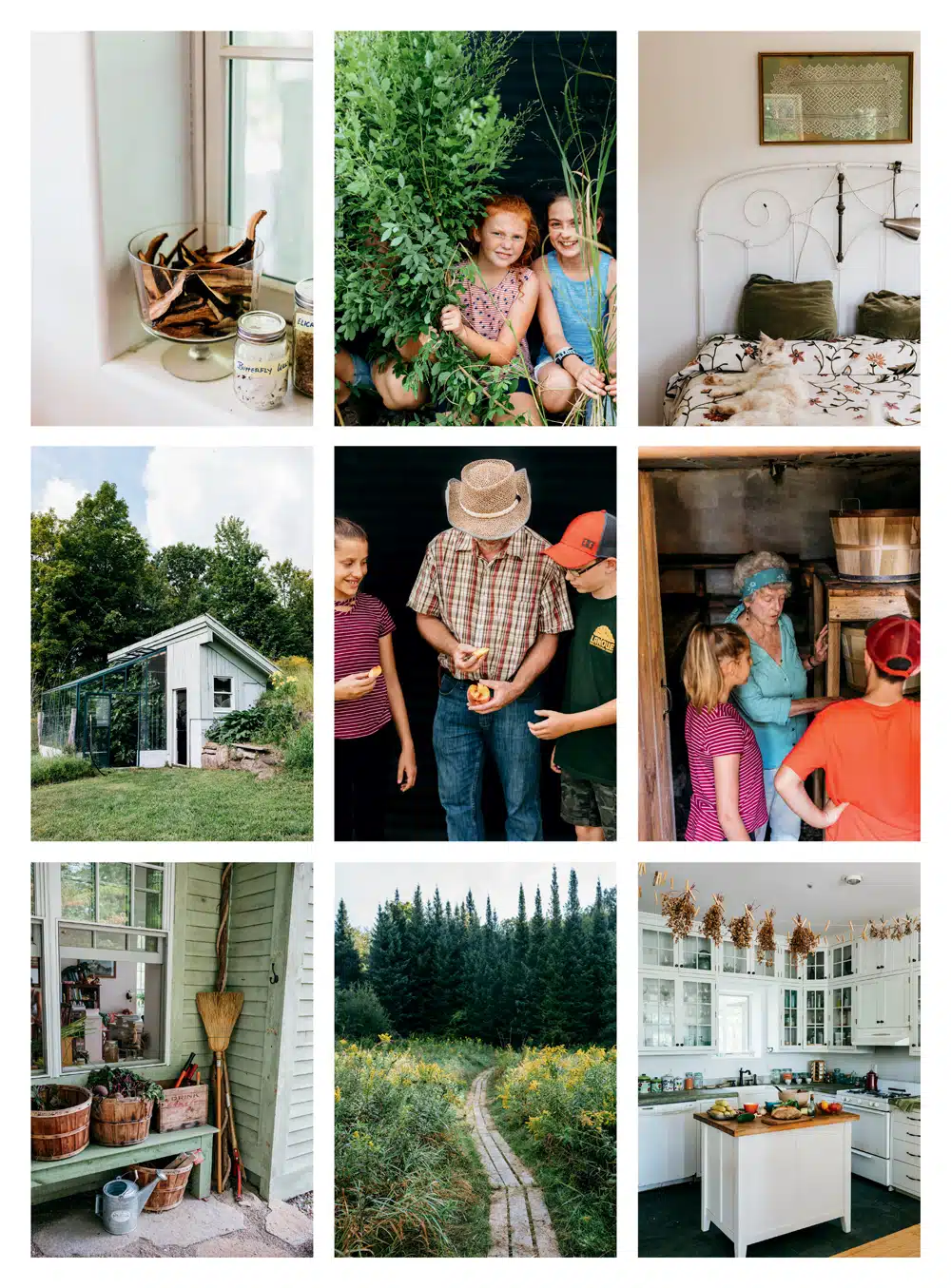
Bridge lives off the grid in an 800-square-foot solar-powered home, high on a hill, overlooking a terraced edible landscape planted with tomatoes, broccoli, asparagus, and sea kale, among others. Herbs include comfrey, mint, and chives, while flowers such as bee balm and milkweed attract pollinators. A winding path leads around the property, from the open meadows into the forest, where tall Fraser firs from an old Christmas tree farm provide a contrast to the American persimmons, pawpaws, and Asian pear and peach trees that populate the forest garden.
Credit: Michael Piazza
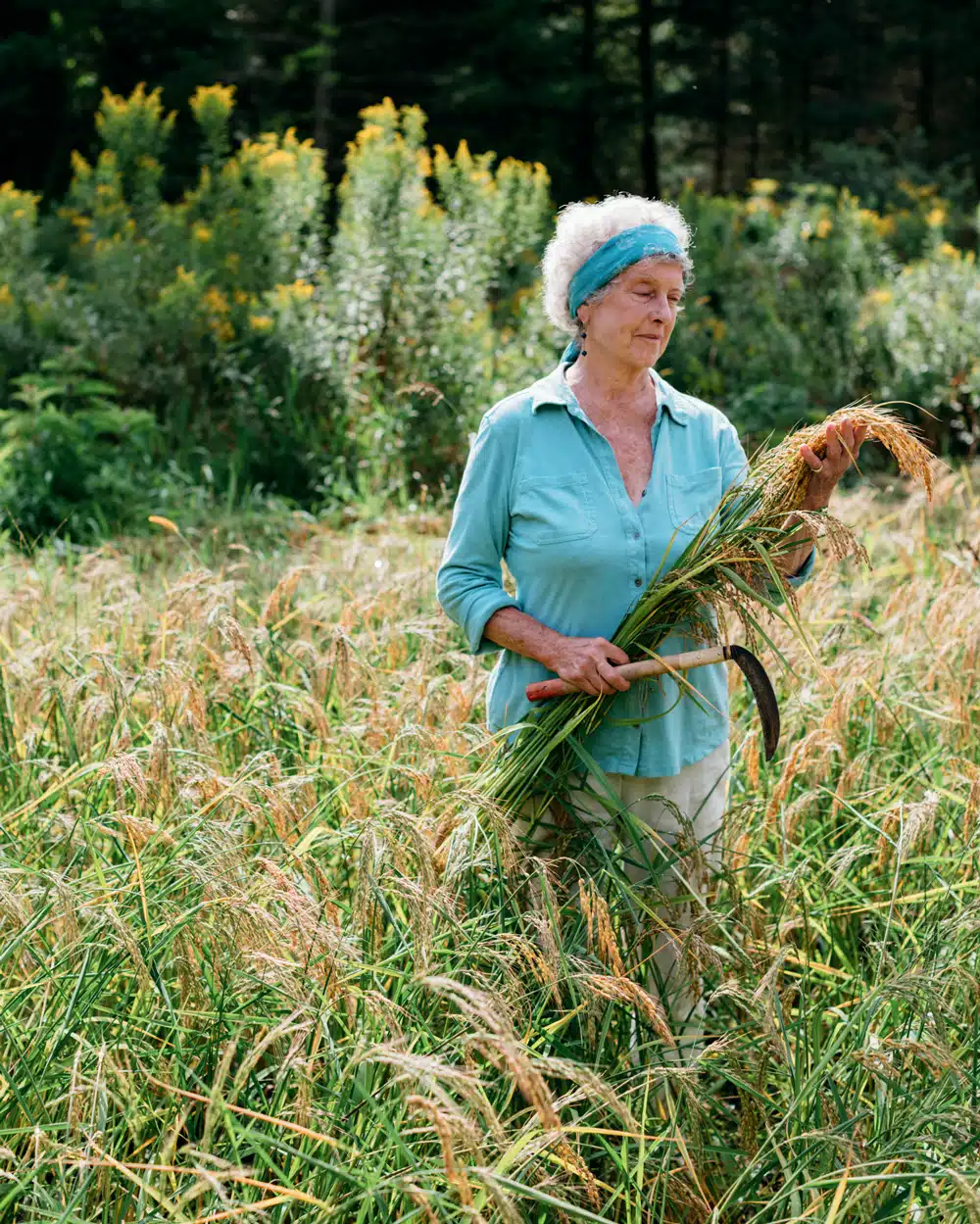
On the east side of the land, there is even a wet meadow with a boardwalk and an experimental rice field. “It’s not quite a rice paddy,” says Bridge, as she watches students slop manure onto the rectangular patch. “But I’ve taken great joy from trying to grow rice here.” Her 240-square-foot unheated greenhouse is more successful, sheltering figs and sweet potatoes; a nut grove is planted with oak, chestnut, and Korean fir trees. These gardens are not just functional and productive—they’re also inviting, interesting, and beautiful, so that people will want to spend time there.
Schoolchildren, garden clubs, and nature-curious city dwellers are frequent guests, and Bridge also hosts specialty workshops. Her wild kingdom is open to the public (though she does ask that you call ahead—she lives here, after all), because the purpose of Wildside isn’t just to grow good, fresh food. “The learning is the thing,” she explains. “It’s important to get close to plants, to hear and see and sense their needs. To keep our noses to the ground, smelling and seeing and sensing.”
Credit: Michael Piazza
One of the less obvious lessons of what she has created is that it’s possible to practice permaculture with difficult land. When Bridge first moved onto the property, the soil was markedly degraded, and the hillside presented its own agricultural challenges. Neiger observes, “We’re showing resilience—how to create your own energy, grow your own food, and store it in the winter.” He calls the greenhouse and its fruitful lands a “community building project” and suggests that Wildside offers “a little glimpse” into another way of living. He adds, “Sue has a gift—she can reach across a lot of different boundaries to connect people. She has an apt name. She’s a bridge builder.”
But it’s more than that. Bridge treats her plants like old friends; she tells stories about the local wildlife, naughty raccoons, clever deer. She makes time for little things, like drinking sumac tea as summer rain patters down on her leafy domain. Her house is filled with books and drying herbs, and her bedroom is decorated with framed lace doilies. There is a sweetness to her life.
Credit: Michael Piazza
We are exploring the freestanding greenhouse down by her vegetable garden when we are interrupted by a tiger swallowtail. It is trapped inside, trying to fly back to its natural habitat. “Hey darling, don’t worry,” Bridge says to the butterfly. “I’ll get you out.” She carefully cups her hands around the swallowtail and ushers it back into the bright August air. “Doing what I’m doing brings me joy,” she says. “You can be happy, even as you’re putting your shoulder to the wheel.”
Wildside Cottage and Gardens. 413-369-4616; wildsidecottageandgardens.org
Rules of the Wild
BUILD YOUR SOIL: The first step in creating a permaculture garden, Sue Bridge says, is to have your soil tested by a reputable university lab or a company such as Ohio’s Logan Labs. “Soil fertility is your first, last, and always job,” she says.
DIAL INTO THE SUN: “Map the shifting sun and shade patterns on your land, and give thought to where you have full or partial sun—and to where larger perennials may themselves throw shade,” advises Bridge. (You can also ask a local permaculture expert to help with this step, though a little observation tends to go a long way.)
EXPAND YOUR PALETTE: While Bridge tells gardeners to choose plants according to their personal tastes, she notes that there are many options they might not be aware of, such as Asian pears—“a super-willing crop”—and Turkish rocket, a broccoli-like perennial. Have a mixture of fruits, vegetables, nuts (such as blight-resistant chestnut), and culinary herbs.
FEED THE BUGS: “Pollinators need our help, desperately,” says Bridge. “Especially in the shoulder seasons.” Plant shadbush, witch hazel, and Turkish rocket in the spring, and bush clover and anise hyssop for the fall.
PRESERVE THE WEALTH: Take a class on lacto-fermentation and make your own sauerkraut for winter snacking. Or buy a small electric food dryer to preserve those fresh summer strawberries and autumn apples.
GIVE FREELY: “Overabundance in year six or seven? It could happen,” says Bridge. While homeless shelters and churches don’t always take fresh produce, some do accept donations of homegrown food. Ask around and give what you can, so that your neighbors can benefit from your bounty.





Wonderful and refreshing article. What a magical human being and farm she has tirelessly cared for.