Made in New England: Rough & Tumble Bags in Portland, Maine
For Rough & Tumble, good looks and luxe materials plus made-in-Maine pride equals bags worth coveting.
By Yankee Magazine|Aug 24 2026|

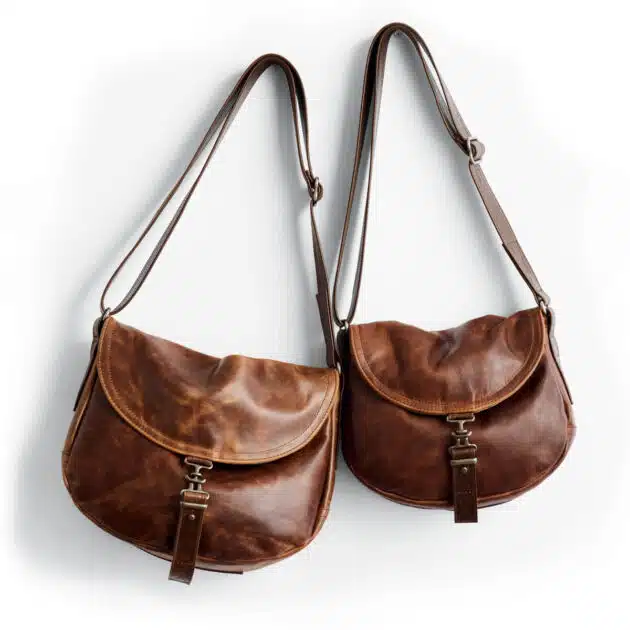
Rough & Tumble’s unisex 1903 East + West bags, inspired by turn-of-the-20th-century industry and trades.
Credit: Courtesy of Rough & TumbleBy Alyssa Giacobbe
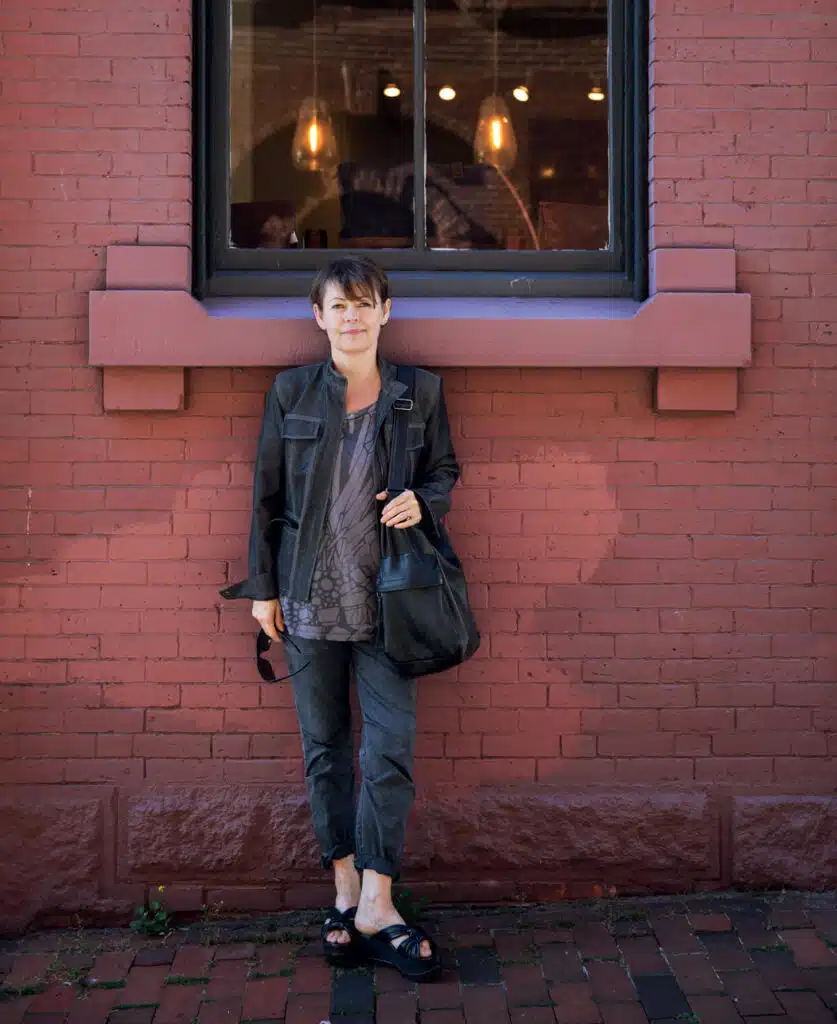
After almost two decades immersed in the busy Portland restaurant scene as a chef and then an owner, Natasha Durham was ready to come up for air. So she sold one of her restaurants, closed the other, and took some time to reinvent herself. “I knew that I wanted to make something with my hands, something authentic, something beautiful, using luxury materials,” says Durham, who had studied sculpture at the Portland School of Art (now Maine College of Art & Design). “I really didn’t care what it was—just that it not be perishable.”
Turns out, her inspiration was born out of necessity. Wanting a bag to carry her airplane reading for an upcoming trip to Italy with her son, she delved into the silks and linens she’d saved from years of travels to Europe, and sewed together two rectangles of fabric at her kitchen table. “You would have thought I’d solved world peace,” she says. “I was so impressed with myself that I had made a three-dimensional object . . . . I wasn’t as excited about the trip as I was about getting back and being able to figure out a way to put a little flap on it or something. And that’s how it began.”
In 2008, Durham launched her own bag-making enterprise and dubbed it Rough & Tumble, a name inspired by the concept of rugged luxury. After being introduced to Etsy by a friend, she recruited her son to help get photos online. She made and listed two bags—shoulder bags that converted to backpacks—and went to bed. By morning, both had sold, and Rough & Tumble was officially on its way.
Credit: Erin Little
Credit: Erin Little
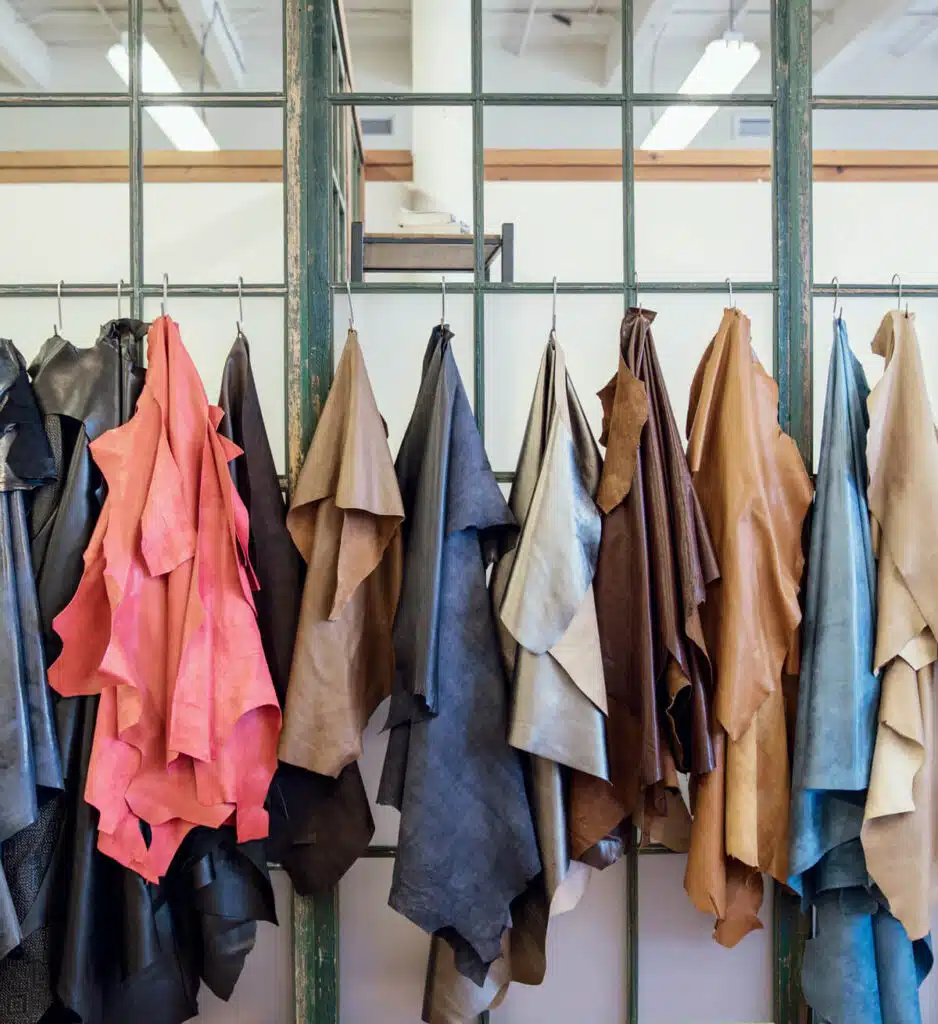
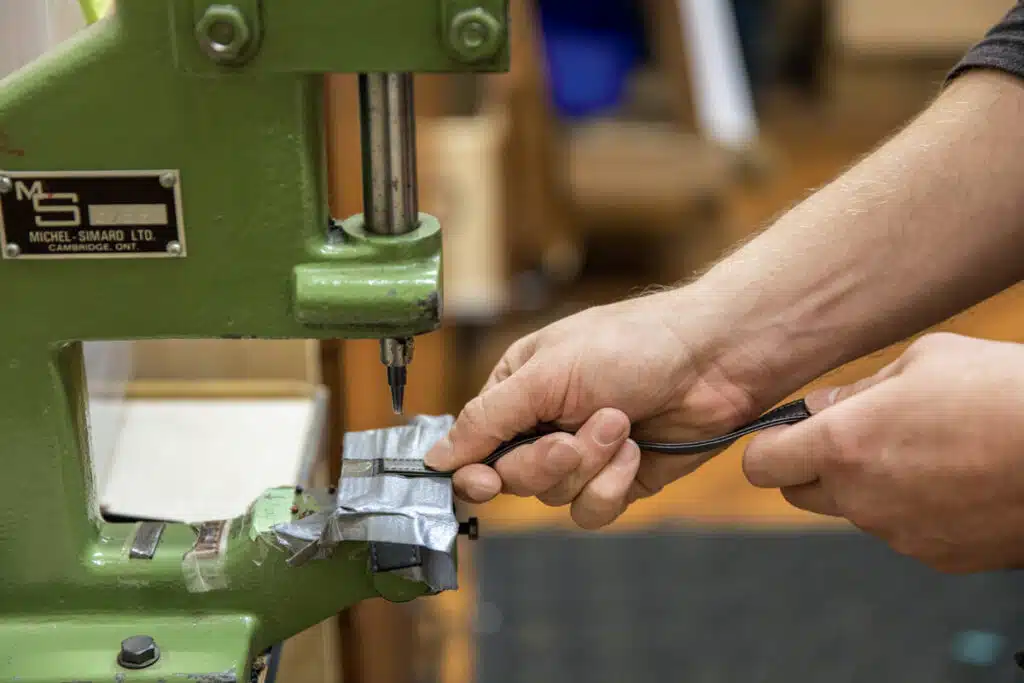
At first, Durham continued with bags made of high-end textiles. But about a year in, and some 20 weeks behind on orders, she realized that if she introduced leather she could increase her profit margin, one that suited the amount of time she was taking to hand-stitch everything. She moved an industrial riveter into her living room, began sourcing fine leathers from Italy, and before long was selling $50,000 worth of bags a month on Etsy. “And then my husband came home one day and said, ‘You need to move this company out of the house,’” she says.
Rough & Tumble’s first workspace and showroom opened in 2013 inside a former opera house in Norway, Maine. By then, Durham was employing a dozen independent contractors, with each creating a particular bag from beginning to end, such as the 1903, inspired by turn-of-the-century satchels used by trolley drivers. Having grown up in a family of artists, Durham wanted a nice aesthetic in her bags but valued their utility even more. Compared with paintings on a wall, she says, “I saw much more beauty and usefulness in taking that same artistic process and putting it into an item that’s going to enrich your life.”
Although breaking customers’ Etsy habit proved challenging, little by little the company’s retail website—which had launched before the move to Norway—took hold. But the real shift came when Rough & Tumble introduced an online tool that let customers custom-create their bags, choosing the silhouette, leather, lining, and hardware from hundreds of options. “A client will discover us, they’ll buy a bag, and literally within a month and a half they’ve bought three more,” says Louise Gartland, director of production and development. “They become completely enchanted with designing for themselves online.”
Credit: Erin Little
Credit: Erin Little
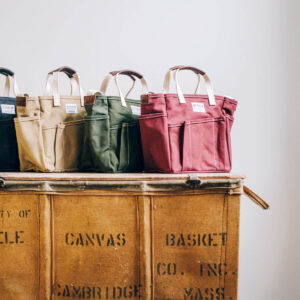
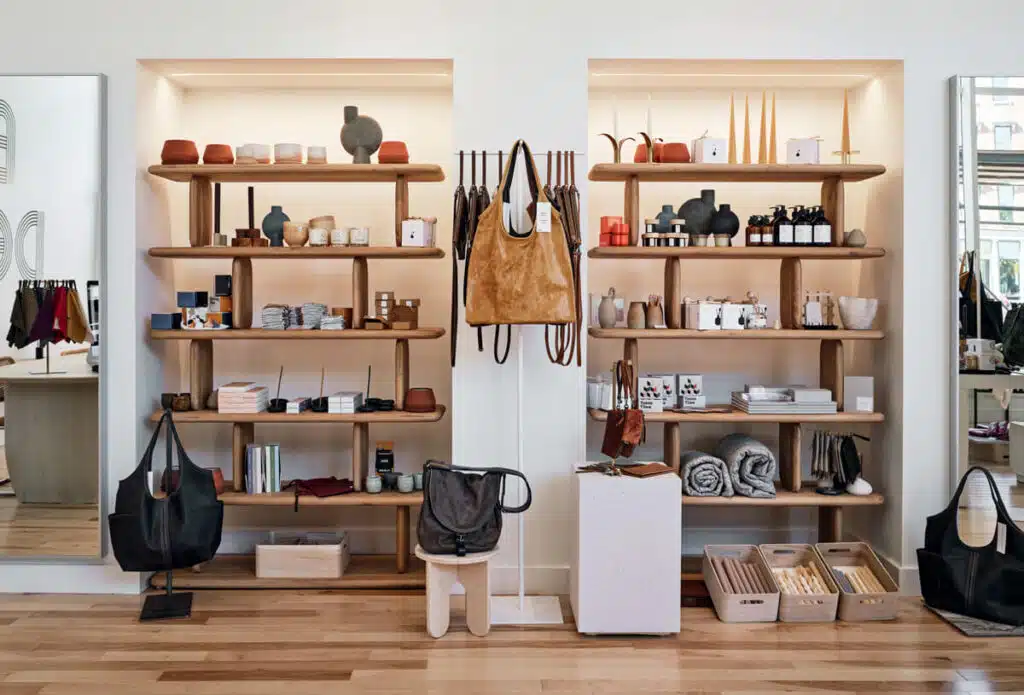
By 2017, Rough & Tumble had outgrown its Norway space, and Durham moved the company into an 8,000-square-foot-plus design, production, and storage facility in Brunswick’s historic Fort Andross Mill. There’s also a flagship retail store, located on a prime corner in Portland’s Old Port, that doubles as a showroom. The more than 70 styles on offer at any given time include wallets, totes, backpacks, and clutches, most made from Italian leather but with some in waxed canvas and fabric, too.
Each year the brand launches “as many bags as choose to be born,” says Durham, without any real strategy other than asking whether the right leather is available and if the artisans can execute the designs. “Our clients are quite discerning for us to hone out little nuances, like, ‘My hand doesn’t feel exactly right in that pocket,’” she says. “And we listen. Sometimes we’ll launch a bag and then we’ll change it three weeks later. No one on the planet does that.”
Durham remains committed to producing in Maine, with Mainers, and now employs about 40. By 2028, the brand will relocate to a new 16,000-square-foot facility at the former Brunswick Naval Air Station in order to expand its wholesale business. Still, every bag continues to be made by a single artisan, start to finish.
“I’m not a ‘woo-woo’ person, but I do believe that an object can hold the soul of the maker,” Durham says. “Clients will say they can feel these bags were not just pieces on an assembly line, rolling through and popping out. They can feel that this is a real thing.”
This feature was originally published as “Toting It All Up” in the September/October 2026 issue of Yankee.