2026 New England Fall Foliage Forecast: A Slow Start Could Mean a Longer Season
After last year’s drought-shortened display, healthier forests are setting the stage for a more gradual (and potentially spectacular) autumn. Read on for the official 2026 New England fall foliage forecast.
By Jim Salge|Aug 19 2026|

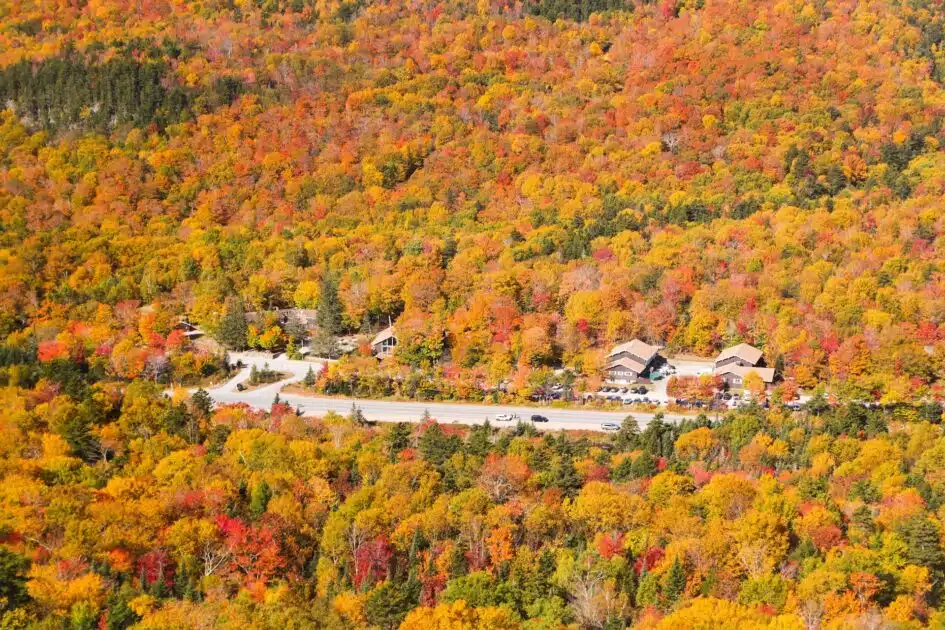
Beautiful scenes like this one in Pinkham Notch, New Hampshire, should be the norm this year for fall colors!
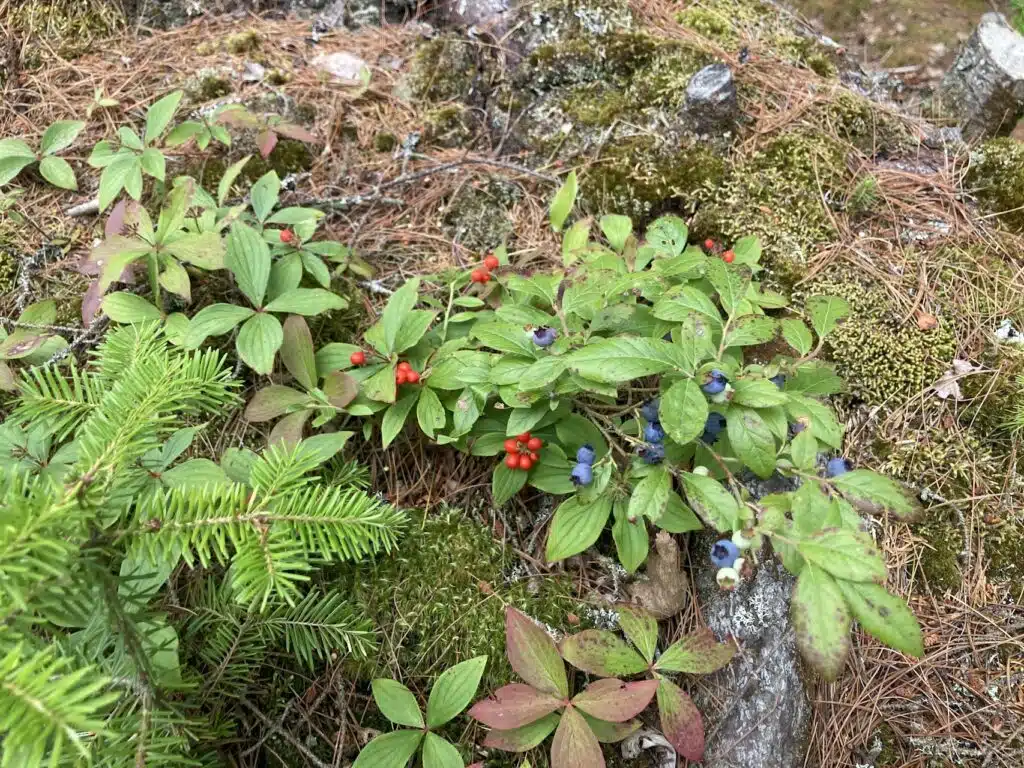
Credit: Jim SalgeAbundance is always something to be thankful for, and this year the forests of New England are giving us plenty of it. The woods are rich and green, with tall ferns filling out along every forest edge and opening. Blueberries had a bumper year, blackberries are bountiful, and the forest floor is alive with colorful mushrooms. Everywhere you look, the landscape seems to be telling us that this has been a good year to grow.
This is all a welcome change from last autumn. Fall foliage in New England rarely disappoints, but frankly, last year came pretty close. The drought-stressed forests produced a brief and muted show in many places, with the colors seeming to arrive and disappear almost overnight. But we do not expect a repeat this year. Given the abundance we are seeing in the woods right now, the recovery from last year’s drought has been about as good as we could have hoped for.
Credit: Jim Salge
Although the coffee shops across our region haven’t even started smelling like pumpkin spice yet, we all know what’s coming. The mornings are already beginning a little later; the first hints of autumn are creeping into the landscape. Before long, we’ll be looking for that first red swamp maple along the roadside. For now, the forest is verdant and full of life — but soon enough, that abundance will begin to change color.
And that gives us plenty of reasons to look forward to fall and share our thoughts on the upcoming season!
2026 New England Fall Foliage Forecast | Influences
Weather & Climate
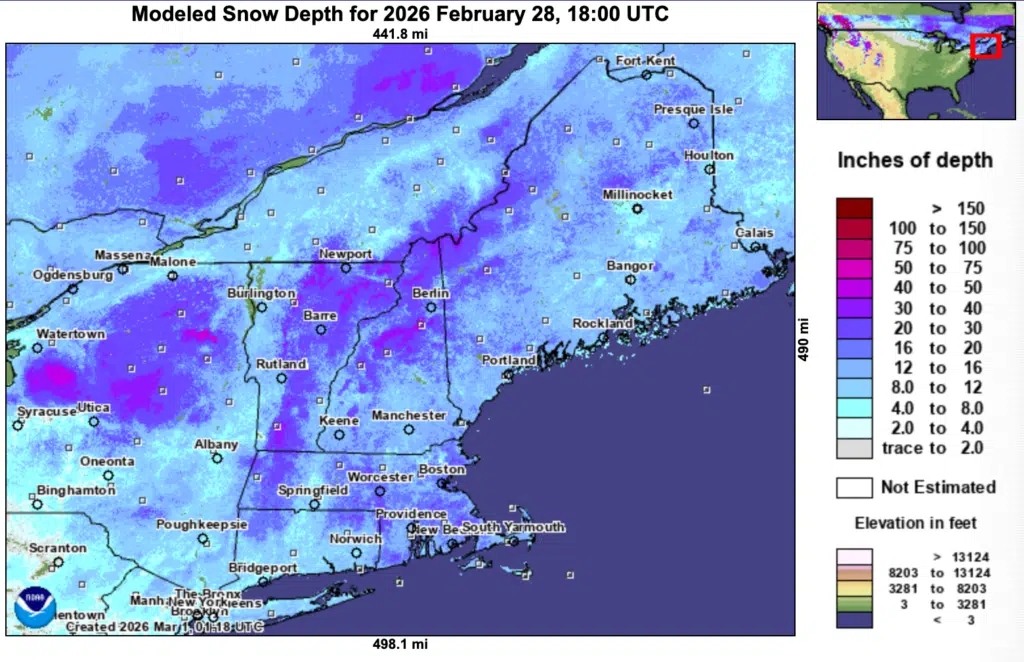
After last year’s very dry autumn, the forests needed a classic winter to bring moisture back into the soils for spring — and Mother Nature delivered. The winter of 2025–26 was the coldest in more than a decade across much of New England, and the frigid temperatures were persistent: Boston, for example, saw only four days above normal for the entire month of February. Up north, snow came early and stayed all winter; the lack of a significant freeze-thaw cycle made for one of the best ski seasons in recent memory, a sharp contrast to the dire snow drought out west. Even in southern New England, after a big January storm, the ground remained covered for more than six weeks, capped by the historic storm in late February that brought more than three feet of snow to parts of Rhode Island.
Credit: noaa.gov
For our forests, the traditional winter weather locked much of the season’s precipitation into the snowpack. Then, when spring arrived abruptly in mid-March, the meltwater soaked into the thawing ground, and providing amply for the spring leaf-out period that is so critical for fall foliage. April and early May were generally cool and rainfall was sufficient, but the moisture felt even more abundant because of its tendency to fall on weekends (a pattern that became something of a running joke among parents at spring sports).
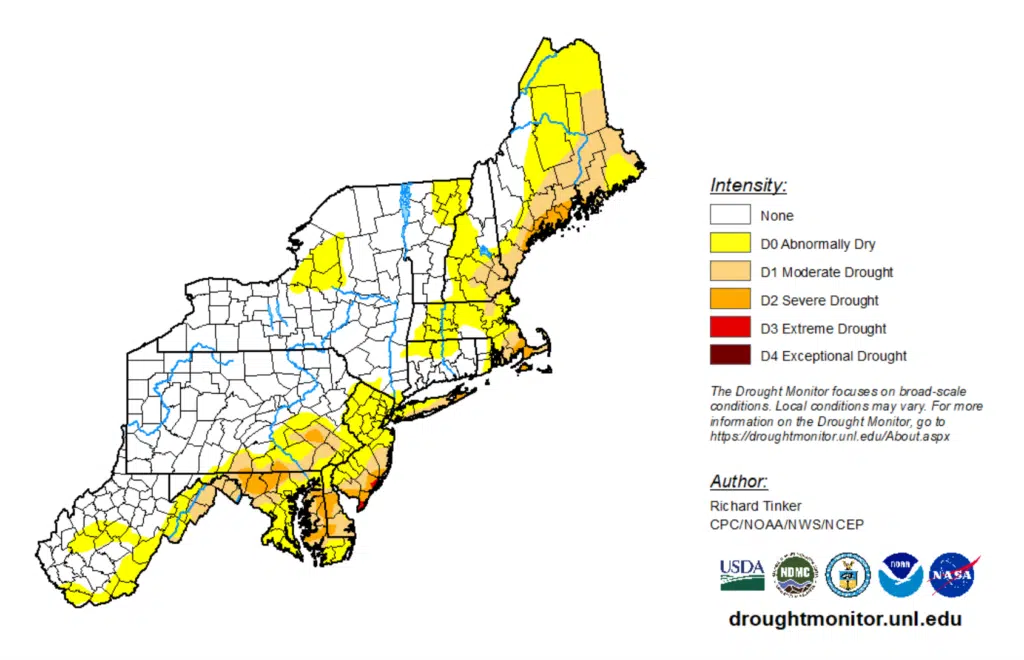
All the while, the drought that was such a worry last fall slowly eased. The abundance we’ve seen in the forests this summer is a product of a winter and spring that have completely refreshed the landscape. Timely summer rainfall has helped, too, with a few daylong deluges that really soaked into the land amid so many great days for the lakes and beaches.
True, there are a few lingering effects of last year’s dryness. Coastal areas are still experiencing some level of drought amid a multiyear rainfall deficit, with groundwater resources low. Additionally, there was some tree mortality on ridges with thin soils. But overall, the growing season in New England has set us up really well for autumn.
Credit: U.S. Drought Monitor
Flowers & Seeds
When trees put energy into producing seeds, or mast, their leaf canopies can be less dense because there is simply less energy available for growth. One of the great mysteries of the forest is the occasional “mast year,” when trees synchronize enormous seed crops across wide areas, outstripping the appetite of the animals that feed on them and ensuring that at least some seeds survive to germinate. All of this makes mast an important piece of the fall foliage puzzle as well as the forest food web.
After last year’s drought, we were surprised to see so much seed production this year. While no major fall foliage tree is having a true mast year, red maples have produced noticeably large crops, and red oak species, whose acorns take two years to mature, are also carrying relatively heavy loads in some areas. A lot of hickory nuts are starting to fall as well. Beech, however, is largely absent from the picture, especially in southern New England, as beech leaf disease continues to take its toll.
Overall, this is the kind of year when woodland creatures will have plenty to eat but probably not enough to leave much behind. And thus, despite some seeds, nowhere are trees drawing heavily from their resources. For fall foliage fans, that’s good news. Our trees have more energy to put into the leaves themselves — and come autumn we should see the benefit!
Bugs & Fungi
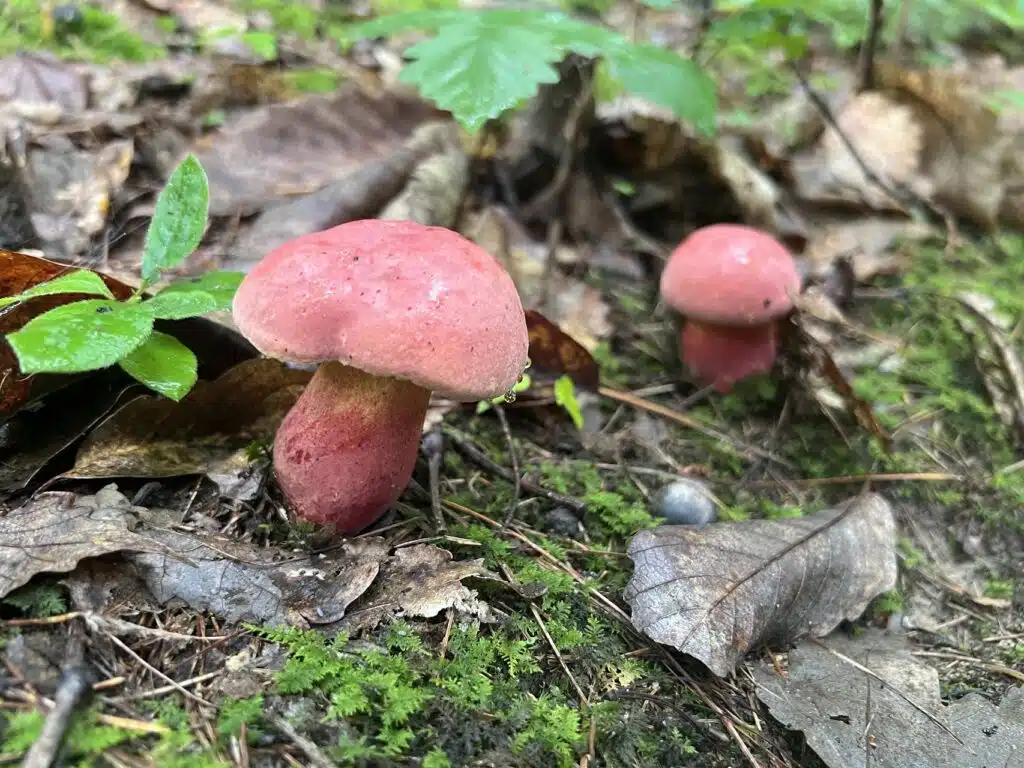
While foraging for wild foods is having a bit of a renaissance thanks in part to social media, legions of newly minted mushroom seekers may have been disappointed by the drought-stricken forests of New England last year. Now, with consistent rains and refreshed soils, the forest floor is again flush with fungi. It has been a good year to look down while walking through the woods.
Credit: Jim Salge
Foliage fans, though, are much more concerned with the types of fungi and diseases attacking the leaves. Fortunately, there is very little to report on that front. Anthracnose can flourish after a wet, humid spring, but this year’s drying-out periods between the rains seem to have kept it in check. Other diseases have been quiet as well, with only some leaf spot showing up now that the late-summer humidity has settled in.
The spongy moths have been equally well behaved. After several very active years, populations have plummeted across much of New England, due in part to weather that can be detrimental to their caterpillars. And while oak spider mites are locally dulling some of our oak trees, the overall effects will be relatively minimal. There has been little widespread insect defoliation this summer, leaving most of our trees with full, healthy canopies.
That doesn’t mean our forests are, ahem, out of the woods. The emerald ash borer continues to kill ash trees across southern New England, and it is expanding north. The winter moth is still a problem along the coast, and the spotted lanternfly is spreading through the region, although it’s not yet established as widely as further south in the Mid Atlantic.
And then there is beech leaf disease, which seems to be everywhere this summer. Caused by a microscopic nematode, it produces telltale dark banding between the veins of beech leaves, followed by curling, thinning foliage, and eventually branch dieback and tree death. It has spread remarkably quickly since its arrival in New England just a couple years ago, and young beeches are particularly vulnerable.
Credit: Jim Salge
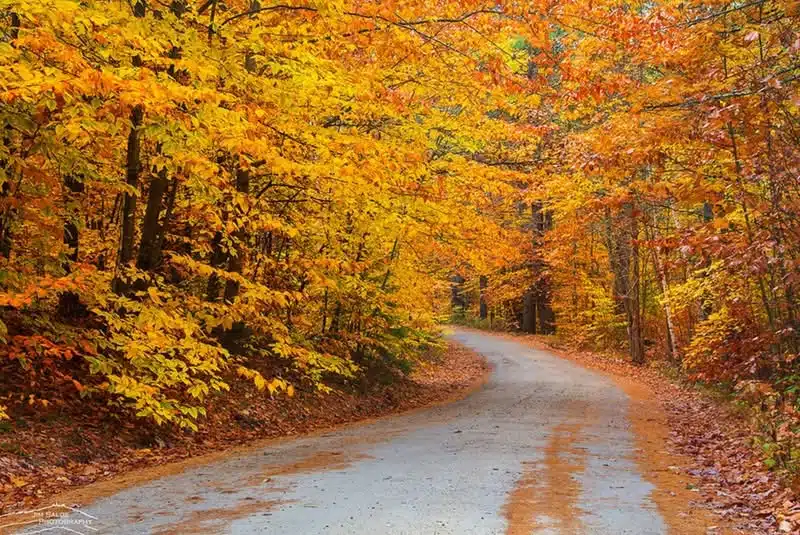
For foliage fans, this is a heartbreaking loss. Healthy beech groves glow golden in the low autumn sun, their leaves often hanging on well after the maples have finished their show. It is now likely that those luminous October displays will become a thing of the past, changing not just the health of our woods but the very palette of New England foliage. So far, the only places that have escaped the infestation are some very far northern areas — so if you want to see the late-season beech color this year, head north again after the traditional peak.
2026 New England Fall Foliage Forecast | Long-Range Outlook
A healthy forest is merely the setup for the kind of spectacular autumn we all hope for. The fall weather has to cooperate, too. The trees have done their part this year, but now we need the atmosphere to deliver the right combination of crisp, cool nights; sunny days; and timely rainfall.
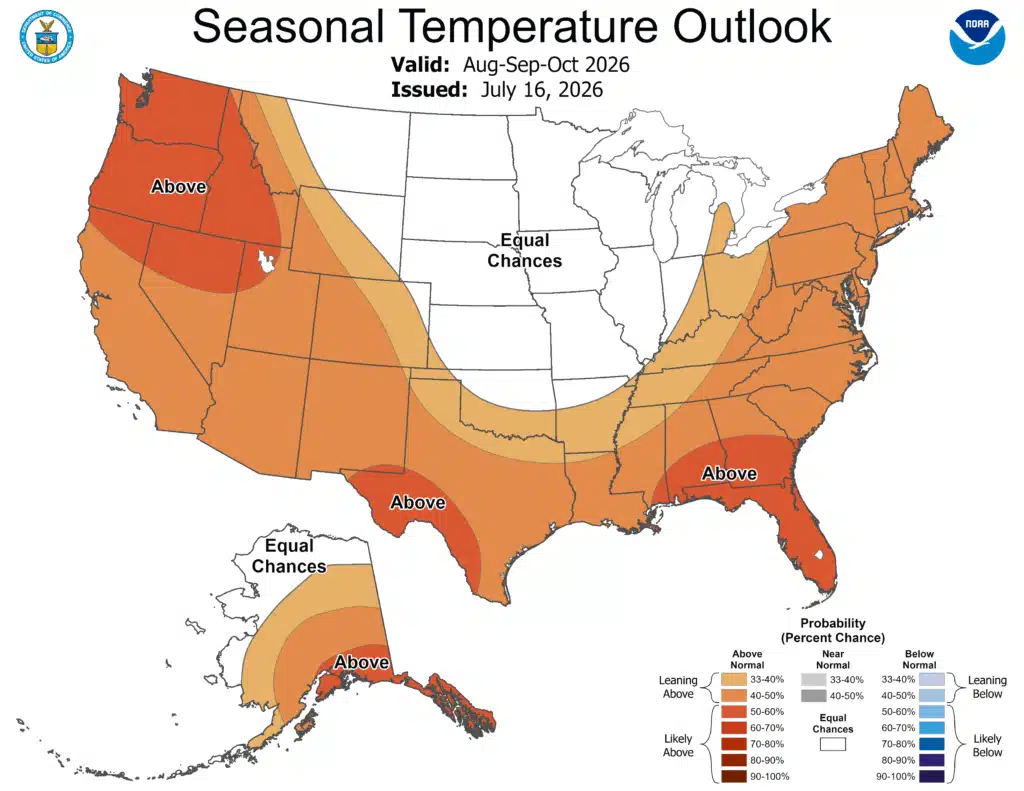
There’s certainly no shortage of long-range weather buzz this year, with a historic El Niño developing in the Pacific Ocean. In New England, an El Niño year tilts the odds toward a generally warmer and wetter pattern, as more Pacific air flows across the country. This means that the classic sweater weather we love for leaf peeping could arrive a little later than usual, especially in southern New England. Some cooler air will inevitably spill south into northern New England, though, and those early cool shots are what’s needed to get the foliage show started.
Credit: noaa.gov
El Niño also tends to put a damper on Atlantic hurricanes, greatly reducing the odds of a major tropical system sweeping into New England before or during our foliage season. That’s good news for the trees — and provides yet another reason to be optimistic for this fall.
The Official 2026 Prediction
Putting it all together, the outlook for our upcoming foliage season is very encouraging. After entering last autumn in severe drought, the landscape has seen its water reserves rebuilt over winter and spring, and the trees have responded with lush, healthy canopies. There’s been little widespread insect or fungal damage, and no mast year to sap the trees of their energy. The forest has done its part; now we just need the weather to cooperate.
That’s where this year could be very different from 2025. Leaf peepers last year saw a rushed autumn: Once the colors arrived, they came and went in a hurry. Now, with plenty of moisture in the ground and healthy leaves on the trees, we expect a slower lead-up to the main event. El Niño favors a warmer pattern across New England, especially later in the fall. Cool shots of Canadian air will still come, though — and with them, a welcome kick-start to the color.
Credit: Jim Salge
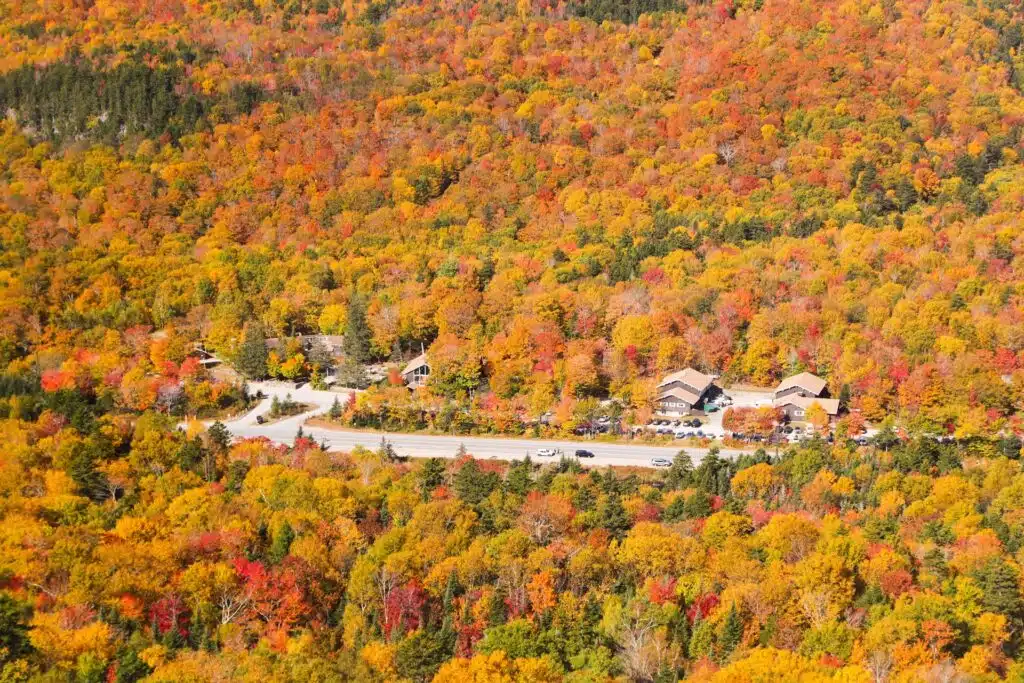
This all could make for a wonderfully gradual autumn. Northern New England should begin turning first, while southern New England may have to wait a bit longer than normal for the season to start. A slower progression across the landscape would give visitors more time to see the beautiful transition in the trees. We should have plenty of time as color slips its way south, from the northern mountains to the southern coast.
Our early call for 2026: A slow start could set the stage for a long, spectacular foliage season. Rather than picking one weekend and hoping to hit the peak, you may find that this is the year to take your time, enjoy the season, and follow the color as it moves across the region. Some condensing of the colors toward the coast could occur, where the multiyear drought might impact timing early, but it also could intensify the hues.
In terms of the colors themselves, New England’s healthy, full canopies mean that the overall palette should be bright. Time will tell how well the trees reveal their underlying colors, but if we get those ideal warm, sunny days followed by crisp, cool nights as the leaves begin to change, we could be in for some fiery reds. We won’t know just how well it all comes together until our September update.
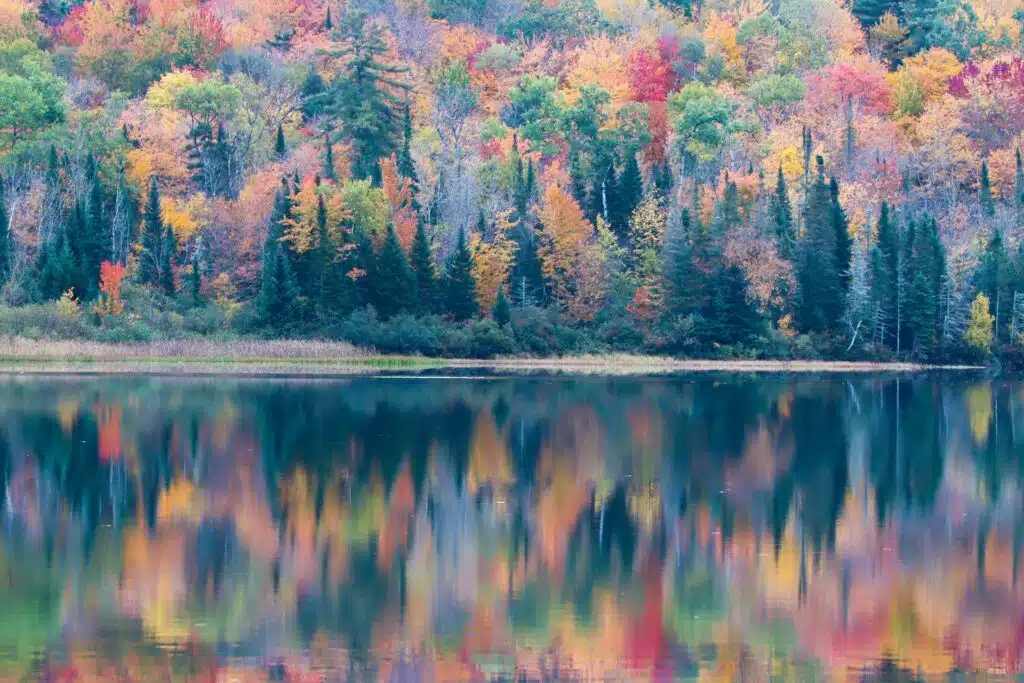
One last thing: Expect lots of early color in the swamp maples. Water is plentiful this season, and these specialized trees have wet feet this year. Their early color will hint at what could be a great season ahead! Look for them in bogs, swamps and flood zones as early as late August!
Credit: Jim Salge
What’s Next?
At NewEngland.com, we offer plenty of tools to help you plan your foliage adventures and follow the changing leaves. Explore our road-trip ideas, foliage map, and weekly picks for the best places to see the colors as the season unfolds.
So what will we be watching as autumn approaches?
- When will the first cool nights arrive, and will they get the foliage show started on schedule in the north?
- Will the warmer pattern linger, giving southern New England a slower start and a longer finish with lots of red colors?
- Will this year’s healthy forests turn that slow start into the long, lingering foliage season we’re hoping for?
We’ll be watching the trees, the weather, and the forecast closely—and we’ll keep you posted as the season unfolds.
We can’t wait to share it with you!
Beyond New England
Mid-Atlantic and New York: Though a hot summer added some stress to the forests, periodic heavy rains have provided welcome relief. Expect a mixed foliage season, with the best colors most likely in places where summer moisture has been consistent.
Southeast: Heat and humidity have been the story here, too, but widespread drought has largely stayed away from the Appalachian foliage belt. The mountains should offer a fairly traditional show, with elevation once again playing a starring role. With the foliage regions still recovering from Helene, this is an area that would welcome autumn visitors.
Upper Midwest: This could be the wild card. Heat and uneven rainfall have stressed some forests, while others have received enough summer moisture to remain lush. Expect a patchwork of color, with some areas turning early but plenty of potential for a terrific show where the rains have been timely.
Mountain West: The West is having a very different year. A remarkable lack of mountain snow last winter left the Rockies, the Sierra Nevada, and the Great Basin with little snowpack to feed forests through spring and summer. Extreme heat and a busy wildfire season have only added to the stress. The aspens will still put on their spectacular golden show, but this is a year to go when the colors arrive rather than wait for the perfect weekend.
Pacific Northwest: The story here is much the same as it is in the Mountain West, with severe snow drought across the Cascades followed by heat, dryness, and significant wildfire concerns. Forests that escape the worst of the fire and drought should still produce beautiful color, but expect a more variable and abbreviated season.
Learn more about the national forecast at our sister publication, The Old Farmer’s Almanac.