Beech Leaf Disease: A New Pathogen Spreading Rapidly Through New England
A silent threat is changing New England’s forests. Discover how beech leaf disease endangers golden fall canopies—and what hope remains for the future.
By Jim Salge|Aug 19 2025|

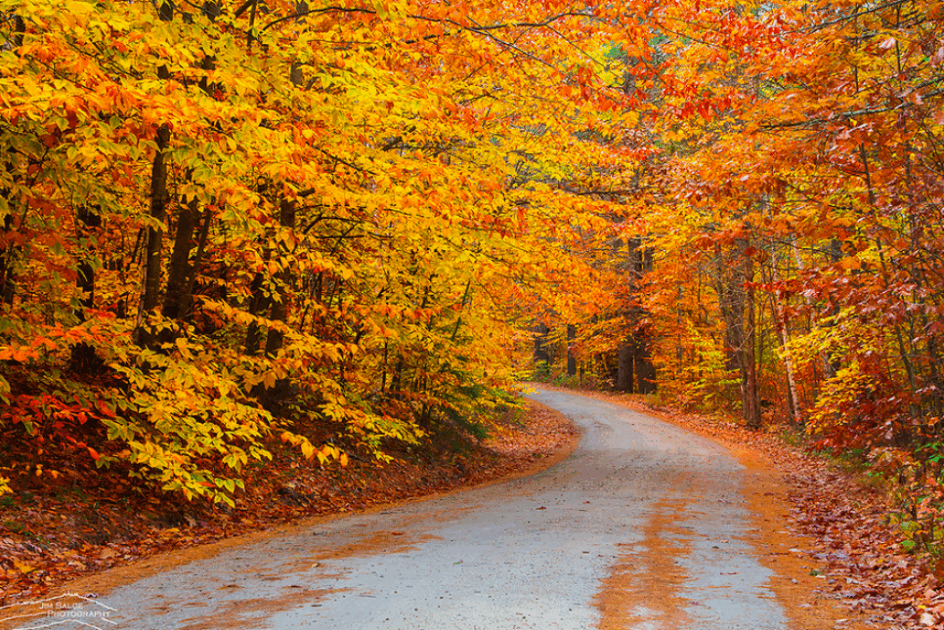
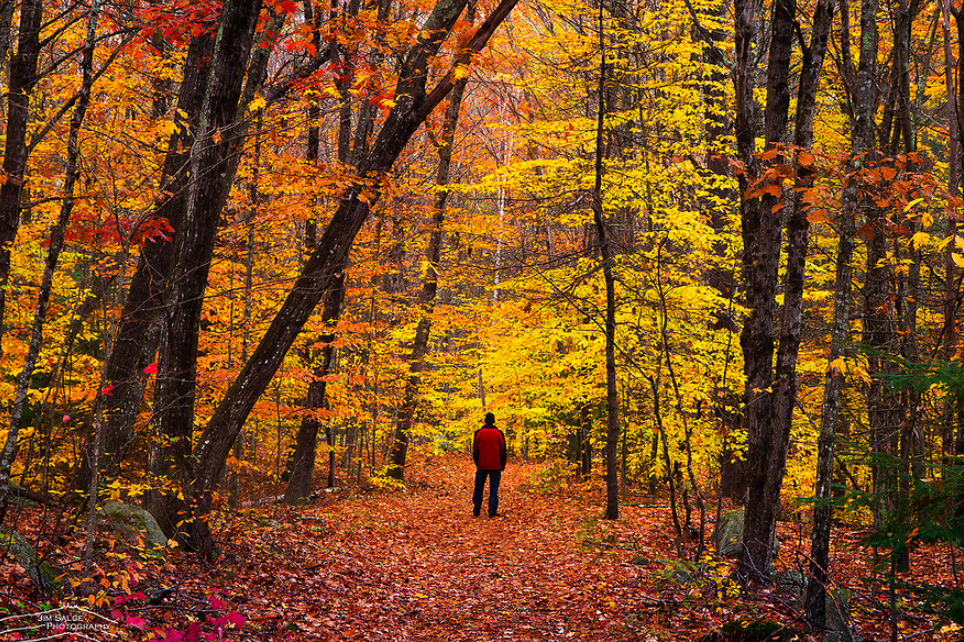
A predominantly beech understory glows in the late autumn in Pawtuckaway State Park in New Hampshire.
Credit: Jim SalgeWhen autumn paints the hillsides of New England, American beech trees (Fagus grandifolia) are the understated backdrop. Often holding on to their color later than other trees in the northern forests, their golden leaves catch late-season light, causing the whole forest to glow. But a new threat to this key species is spreading rapidly through the region, threatening to remove the entire beech understory and change the northern forests forever.
Beech leaf disease (BLD) is advancing in our forests at a pace that experts say is both alarming and unprecedented. “When emerald ash borer moved into New England, there was 20 years of experience with that pathogen,” says Ethan Tapper, a Vermont-based forester and the best-selling author of How to Love a Forest. “We’ve had just a decade of experience with BLD in the United States—and when it moved through New England, it really acted like a whole new pathogen” because it overlaps in range with the previously established but slower-spreading beech bark disease.
The potential impact of BLD goes beyond just aesthetics, as beech trees also play a crucial role as a food source for bears and small mammals. As BLD spreads, it threatens both the ecological balance and the resilience of the northern forests, compounding the challenges that foresters already face in the region.
What Is Beech Leaf Disease?
Native to Asia, beech leaf disease was first detected in Ohio in 2012 and has moved rapidly into New England over the past few years. In New Hampshire, it was first documented in 2022 and now appears in every county, while Maine and Vermont have also confirmed cases statewide.
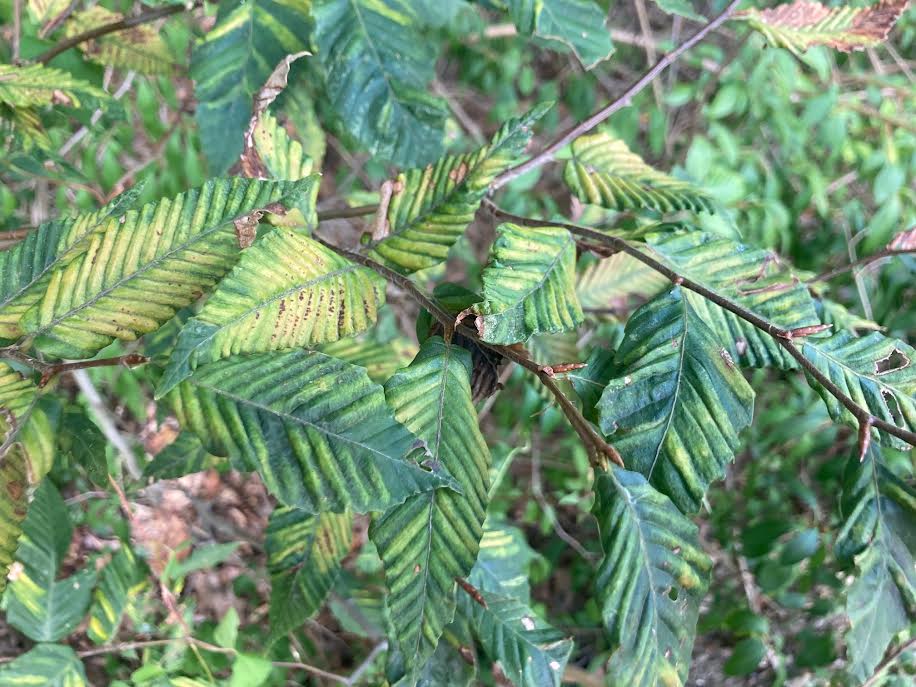
BLD is caused by an invasive nematode called Litylenchus crenatae mccannii, which infests leaf tissue and produces dark, banded stripes between veins; leaf curling; and premature leaf drop. “Once you know what to look for, you see it everywhere,” says Steven Roberge, forestry specialist with UNH’s Cooperative Extension.
Credit: Jim Salge
How BLD spreads is not yet fully understood. Foresters know it can move tree to tree and forest to forest, but it’s unclear whether this occurs mainly through human activity, by birds or wildlife, or via wind dispersal. The disease appears to travel both horizontally across forests and vertically through the canopy, affecting older trees as well as younger saplings in the understory.
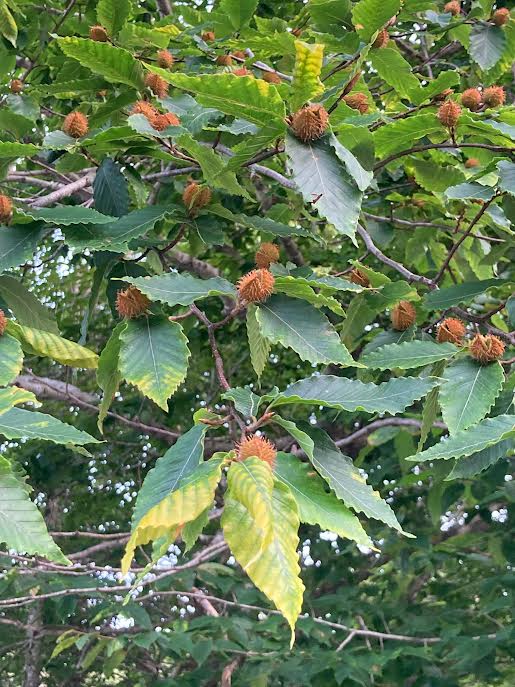
Although New England’s cold climate can suppress or kill a number of other pathogens, the nematodes that cause BLD overwinter by the millions in the safety of trees’ winter buds. They then emerge in spring as leaves begin to unfold. By attacking new foliage early, the nematodes reduce a tree’s photosynthesis and impair its ability to produce beech nuts—threatening both species reproduction and an important food source for wildlife.
Because mature canopy trees and regenerating saplings are equally at risk, the disease has the potential to affect entire forest stands—and the ecological relationships they support—before we fully understand its long-term impact.
BLD and Beech Bark Disease
The truth is, the American beech has been unhealthy in New England for some time now.
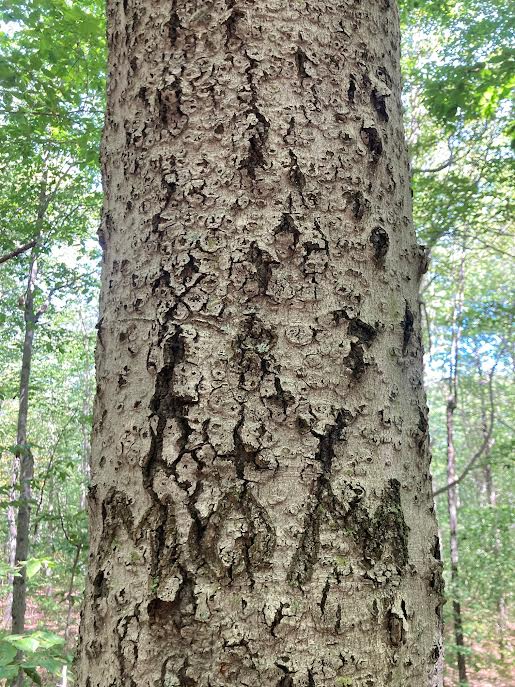
Its presence in the region has been reshaped in recent decades by beech bark disease, which originated in Nova Scotia a century ago and was first seen in Vermont in the 1980s. Caused by the combination of an invasive scale insect and a fungal pathogen, beech bark disease weakens the tree bark, leads to deep cankers, and leaves trees vulnerable to decay and wind breakage (known as “beech snap”).
Credit: Jim Salge
More transformative to the northern forests, though, is the fact that afflicted beeches respond to the stress of disease by producing dense root sprouts, also known as suckers, which then take over forest understories. In his book How to Love a Forest, Tapper describes the challenge of managing against these unnaturally dense beech monocultures, which don’t have the chance to produce healthy, mature trees. “These thickets crowd out other hardwoods, making it hard for forests to regenerate in a historically balanced way. Unless you treated the stumps [of the thickets you cut down] or got lucky with competition from other species, those root sprouts came right back,” says Tapper, who experimented in his forests with ways to reduce this aggressive regenerative sprouting.
Tapper’s management plan also included saving any “clean” beech trees—mature trees that still had smooth bark after beech bark disease moved through—with the idea that they might hold some natural resistance to the outbreak. These trees could have been a key in the eventual balance and resilience in the forest, but now BLD threatens them and that natural well of resistance. On his social media account, @howtoloveaforest, Tapper recently shared a video in which he pans his camera around such a forest, and dying beech trees completely surround him. It is eye-opening.
A Larger Pattern of Forest Loss
With beech bark disease and the root-sprouting stress-response cycle having already disrupted the natural balance of trees in the northern forests, BLD could take a profound toll on much of what remains. For instance, in parts of New England beyond the northern range of oak trees, beech nuts are a vital food source for wildlife. “The biggest influence on whether a bear has one cub or twins is the mast year [an unusually abundant crop season] of beech,” Roberge says. “When those crops disappear, you see ripple effects through the food web.”
Credit: Jim Salge
BLD is not an isolated story, though—it’s just the latest chapter in a long series of invasions reshaping New England’s forests. In the previous century, the American chestnut was devastated by blight caused by an introduced pathogenic fungus, virtually erasing this keystone species from the region’s forest canopy. In more recent decades, hemlock has been under siege from the hemlock woolly adelgid, and ash trees have been decimated by the emerald ash borer. “It’s like we’re watching the pillars of our forest fall, one by one,” Roberge says. “First chestnut, and now ash, hemlock, and beech—all in serious trouble. We don’t have the luxury of a single problem anymore.”
For his part, Roberge sees these crises as part of a global ecological upheaval. “It’s like a snow globe,” he says. “We’ve mixed and shaken up species from all over the world through trade and travel, and now some are having disastrous consequences.”
What Can Be Done?
At the moment, there’s no real cure for BLD. Instead, foresters are focusing on monitoring, reporting, and studying potential resistance in certain beech populations. But there are steps that can be taken now to help ensure healthy forests in the future.
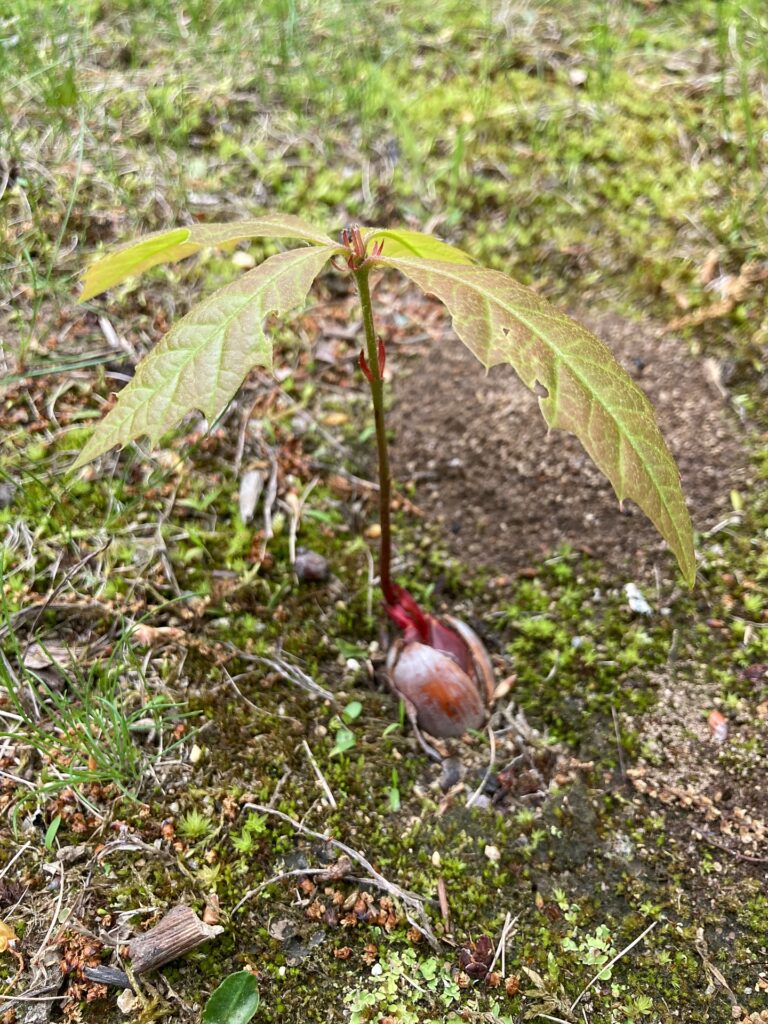
Planting and underplanting are some of the most immediate ways to respond to the loss of beech. By filling the canopy gaps early with native species, land owners and managers can steer the next generation of forest toward diversity and away from tangles of invasive shrubs. “If we plan ahead, we can keep our forests productive and diverse,” Tapper says. In areas where beech no longer dominates, even small-scale efforts, like pulling invasive plants before they get established, can make a big difference.
Credit: Jim Salge
Tapper adds that assisted range expansion—deliberately planting certain tree species farther north, into habitats where they’re expected to thrive in coming decades—can help keep wildlife food sources abundant. Oaks, for example, might replace some of the mast production that bears, turkeys, and other animals lose when beeches decline.
For individual beech trees of cultural or ecological value, Roberge notes that there is a fungicide treatment showing promising results. While not feasible for use on entire forests, it may be one way to preserve legacy beeches and their genetics for the future.
Finally, there’s wildlife management. Deer generally avoid browsing on beech but will definitely turn to the saplings of many species that could take its place. Over time, heavy browsing could prevent these new trees from establishing, which would open more avenues for invasives. “If we want the next generation of the forest to be diverse and healthy, hunters are key allies,” Tapper says. “Advocating for strong deer management ensures that young maples, birches, and oaks have the chance to grow and fill the space that beech leaves behind.”
A Hopeful Look Ahead
Beech leaf disease has likely sealed the fate of many American beeches, and the golden canopy that once lit October hillsides in New England may never return in the same way. Yet the work we do now can shape what comes next. By protecting surviving legacy trees, underplanting with native species, and guiding the next generation of forests, we can preserve the ecological and cultural richness of these landscapes.
Credit: Jim Salge
Research and funding will be critical in this effort. From testing fungicide treatments on legacy trees to exploring assisted migration for oaks and other mast-producing species, every advance relies on sustained investment. Without it, the forests that we pass to the next generation will be less diverse, less resilient, and less able to support the wildlife that depends on them.
Even in the face of inevitable loss, we can act. By learning from the beech’s decline and planning carefully for the forests of the future, we can ensure that New England’s woodlands—even if they look different from how they once did—continue to thrive.