CiderDays Harvest Festival | Cider Celebration & Recipes
For one weekend each fall, Franklin County, Massachusetts, celebrates New England’s apple heritage with the ultimate CiderDays harvest festival.
By Amy Traverso|Oct 06 2014|

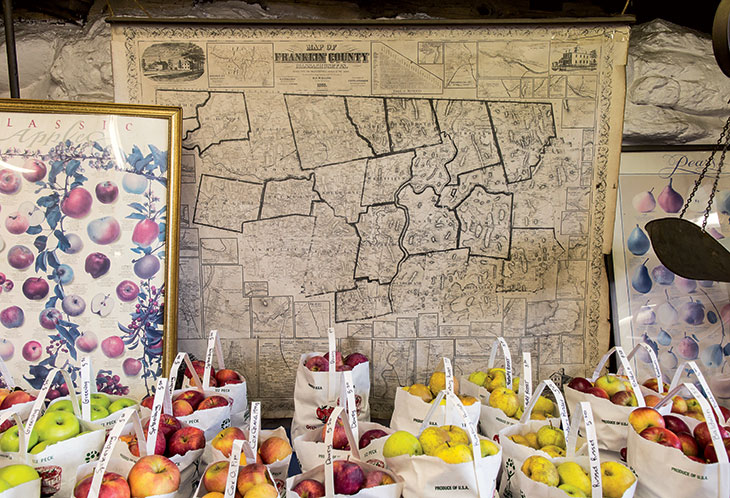
Antique maps and posters in the retail area at Clarkdale Fruit Farms in Deerfield, MA.
Credit: Carl TremblayAntique maps and posters in the retail area at Clarkdale Fruit Farms in Deerfield, MA.
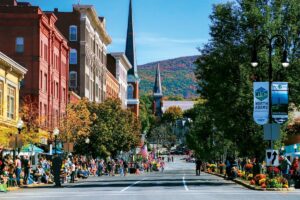
Credit: Carl TremblayCredit: Carl Tremblay Shelburne Falls, in western Massachusetts, is the sort of tiny, picturesque village that gives leaf-peepers a concentrated shot of New England charm, especially in the fall, offering up its cafes and bookstores, its Bridge of Flowers, and the Technicolor flanks of Massaemett Mountain to the east. And just when the foliage drops and the crowds should start to drift away, it lures them back as the headquarters for one of the country’s best hidden-gem harvest celebrations. This is the one food festival that I won’t miss, no matter the weather. CiderDays goes beyond apple pie and pick-your-own to celebrate our region’s apple heritage and to highlight the fruit’s role in American history. Cider–and by this I mean “hard” cider, since before refrigeration, it was impossible to keep apple juice from fermenting within a few days–was once the preferred beverage of New Englanders. John Adams drank a tankard every morning. Children drank it. In some places, it was safer than water. Left outside to freeze overnight, hard cider could be concentrated into boozier applejack, a 40- to 80-proof drink to dull the pains of Colonial life. Cider also gave us vinegar for preserving fruits and vegetables and, by the folk traditions of the day, for curing everything from headache to hiccups.
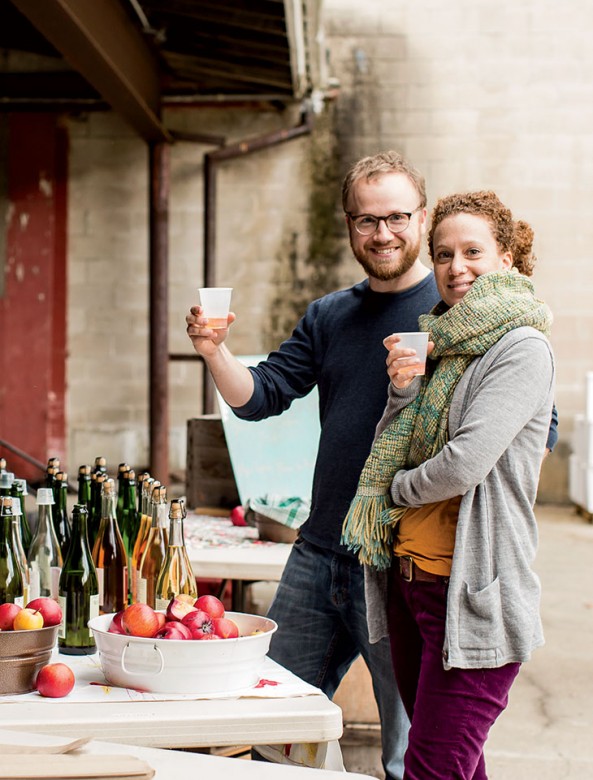
Visitors toast Franklin County’s apple harvest at a tasting of hard-cider varietals hosted by West County Cider at Wellsmont Orchards in Shelburne Falls, MA.
Credit: Carl TremblayCredit: Carl Tremblay Hard-cider consumption declined drastically from the late 1800s through the 1930s. The reasons were many: German immigrants arrived, bringing their taste for beer; a few exceptionally cold winters damaged acres of apple trees throughout New England. Then, in a final blow, the temperance movement coincided with pasteurization and refrigeration to turn our appetites away from cider and toward sweet, unfermented juice. And so cider went underground, a homesteader’s hobby and a niche beverage outside England and France. But a few new makers emerged in the 1980s and ’90s–among them, Flag Hill Farm in Vershire, Vermont; Farnum Hill in Lebanon, New Hampshire; and West County Cider in Colrain, Massachusetts–and began building an audience for real cider made with fresh, local apples. Terry and Judith Maloney moved from Berkeley, California, to western Massachusetts in 1972, and founded West County in 1984. “Back then, there were still quite a few small-press cider makers,” Judith says. “Farmers and orchardists had small presses and were making their own beverage for their pleasure.” But the Maloneys were unusual in devoting themselves to making artisanal cider commercially.
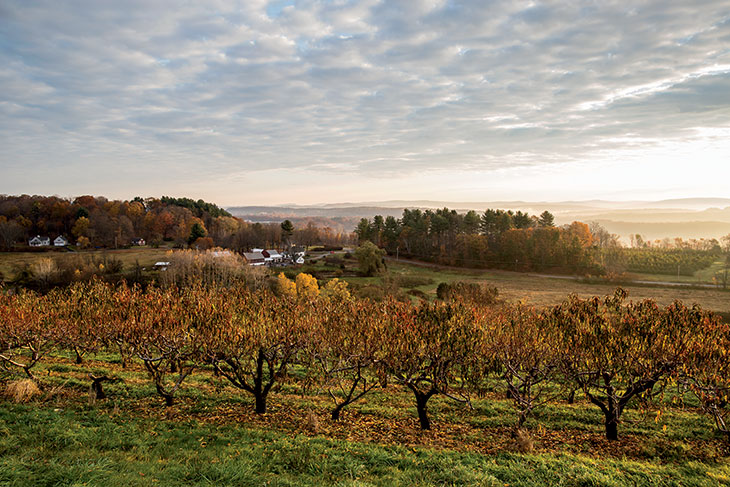
Sunrise brings fall color alive at the Clarkdale orchard, a fourth-generation fruit farm set amid the rolling hills overlooking Deerfield, MA.
Credit: Carl TremblayCredit: Carl Tremblay Looking for a way to support their cider-making friends and bring more visitors to Franklin County, Terry and Judith launched CiderDay in 1994. They chose the first week of November, after most of the fruit had been harvested. Folks brought their own cider, shared tips, and purchased unpasteurized juice for fermenting. At the end of the day, the Maloneys hosted a dinner at their house with the help of their friend, a chef and cider maker named Paul Correnty. The festival grew slowly; with no advertising, it was strictly a word-of-mouth affair. But after 10 years, CiderDay had become CiderDays (two), and the Franklin County Chamber of Commerce had taken over the planning, adding venues all over the county: cooking demonstrations and apple tastings at Clarkdale Fruit Farms in Deerfield; cider-vinegar-making classes at New Salem Preserves; an amateur cider makers’ competition; and workshops on everything from drying apples to growing them organically. As the festival marks its 20th year, chef Paul still runs the big harvest dinner on Saturday night, only now for a crowd of nearly 400 people. And the festival hosts the world’s largest hard-cider tasting, with more than 75 different labels pouring samples under a big white tent.
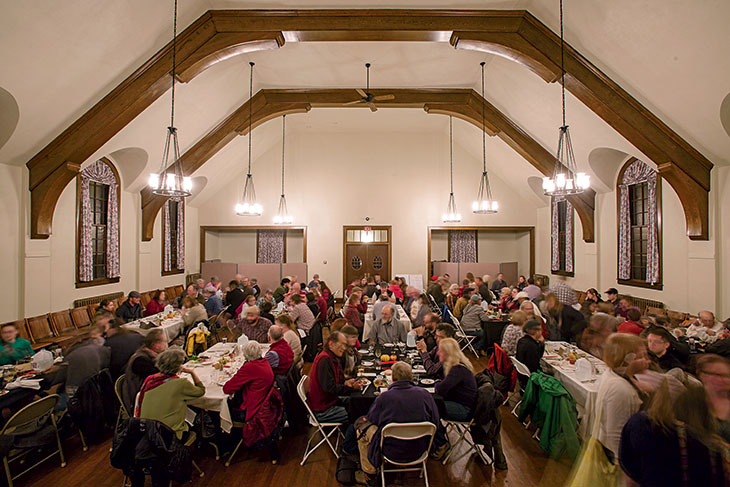
Saturday evening’s Locavore Harvest Supper, prepared by Chef Paul Correnty and hosted at the Shelburne-Buckland Community Center, features a savory fall feast of favorite seasonal New England ingredients.
Credit: Carl Tremblay