The Maine Beer Trail
Credit: Gina Vercesi From a long chrome tap that looked more as if it should be used to fill balloons than a pint, the black-brown liquid began to cascade into the glass, with milky white bubbles creating a swirling, opaque waterfall as they rose to the top. I watched the show, mesmerized, as the beer […]
By Gina Vercesi|Oct 04 2017|


From a long chrome tap that looked more as if it should be used to fill balloons than a pint, the black-brown liquid began to cascade into the glass, with milky white bubbles creating a swirling, opaque waterfall as they rose to the top. I watched the show, mesmerized, as the beer slowed and a thick, creamy foam rose and settled.
“That’s nitro,” Patrick Rowan said reverently. The head brewer at Woodland Farms in Kittery, Maine, he had just served me a sample of Secret Stout, a wheat-based brew they push through a mix of nitrogen and carbon dioxide. “Check that out,” said Rowan. “See? You get the full waterfall and that great nitrogen head.”
I brought my nose to the glass, inhaled deeply the aroma of chocolatey roasted malt, and sipped. Woodland Farms was my first stop on the Maine Beer Trail, a self-guided brewery tour devised by the Maine Brewers’ Guild in 2009 that launched beer tourism in the state. If Woodland’s Secret Stout offered any indication of the days to come, I was in for a treat.
People visit Maine for many reasons: to eat lobster rolls, for instance, or Damariscotta River oysters; to hike deep into the Carrabassett Valley or sail on a windjammer in Penobscot Bay. I’ve done these and thoroughly enjoyed them all, but this trip to Vacationland would be different. This trip would be about drinking beer and chatting with the innovative folks who make it, from the old guard to the newest arrivals.
There are around 100 breweries in the state, each with a distinct personality, and I accepted the impossibility of hitting them all. My plan was to hug the coast, driving north from Kittery up to Rockland, and then work my way down the Route 1 corridor with a quick jog inland to Newcastle. Armed with my handy Maine Beer Trail passport and a hefty roster of spots to visit over three days, my task was a bit daunting. But, as I reminded my husband, whom I was leaving in charge of our three daughters and the dog, it was all in the name of research.
Leaving Woodland Farms, I headed north. The timing of my trip meant I had to forgo a stop at the Maine Beer Company in Freeport, where releases of coveted brews like Dinner draw a crowd, and aficionados enter a lottery to score a case of their coveted dry-hopped double IPA. Instead, I continued on to Brunswick, where I was due to meet Jared Entwistle and Nate Wildes, co-owners of Flight Deck Brewing. Just outside town, in Brunswick Landing, the brewery has become an area social hub since its spring 2017 opening, filling the craft beer void that existed between Freeport and Rockland.
Entwistle understands that beer tourists want variety. “Craft beer drinkers are very disloyal. And this isn’t a bad thing—they just like a new experience,” he said, throwing a big bouncy bone for his dog, Stella. “We understand that someone tasting our beer today is probably going to go over to Maine Beer tomorrow. And that’s fine. We send people there, they send people here. But every [brewery] has its locals.”
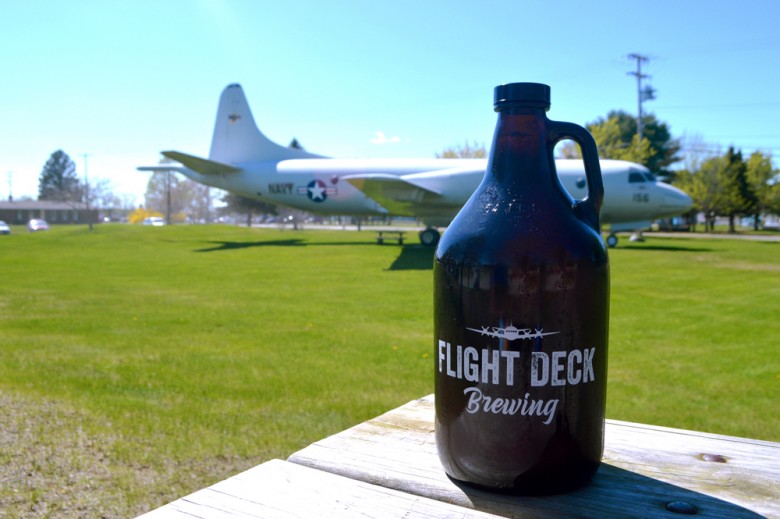
Flight Deck’s brews include fun names like Wright Stuff and Subhunter.
Credit: Gina VercesiCredit: Gina Vercesi
Flight Deck gets its name from the Brunswick Naval Air Station, where it has set up shop in the retired facility’s former small-arms range (bullet holes in the tasting-room walls mark its authenticity). The huge, airy space offsets its industrial feel with wood-topped tables and a gleaming knotty-wood bar; at the latter, Wildes, the team’s garrulous frontman, pulled me a paddle of approachable beers, all with fun, aero-inspired names like Wright Stuff and Subhunter, brewed in a 100 percent renewable system that sources electricity from a combination of anaerobic biodigestion and solar. Though the rose-pink T-56 Hibiscus Tea beer was especially delicious, I apologized for leaving behind mostly full pours—I had another stop to make.
Winding country roads led me to Newcastle, where Oxbow Brewing Company, known for its Belgian-style farmhouse beers and passion for the environment, is nestled among 18 woodland acres in the picturesque Damariscotta region. Here, beerhouse meets bunkhouse as Oxbow rents out its rustic but chic three-bedroom farmhouse that’s steps from the tasting room—the perfect getaway for beer and nature enthusiasts.
In the brewery’s wood-shingled barn, I caught up with head brewer Mike Fava as he worked a batch of Luppolo, an Italian-style pilsner. Fava gave me a crash course in brewing: He showed me samples of barley in various stages of roast, offered me a taste of sweet malt, and let me pour in a measure of heady, floral luppoli (Italian for hops). But the real star at Oxbow, besides the beer, is water. “Our well water is pulled from a 420-foot well that taps into a natural spring-fed aquifer,” he said. “It has an ideal pH and mineral content perfect for beer making. Ninety to 95 percent of beer is water, and ours gives us terroir. There’s no other brewery in the world using our water.”
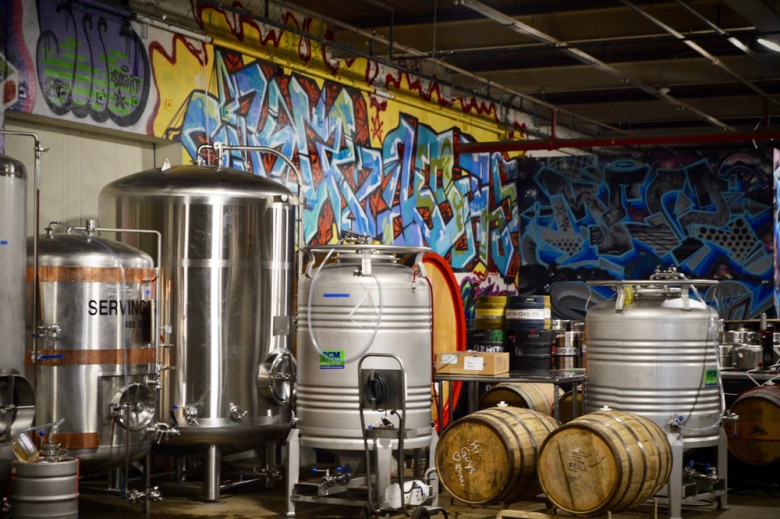
Beer-making essentials at Oxbow Brewing Company in Newcastle.
Credit: Gina VercesiCredit: Gina Vercesi
My introduction to Maine beer’s old guard happened the next day, just outside Portland, at Sebago Brewing Company, another spot where the water flows deep into brewery ideology. I spent the morning with cofounder Kai Adams, whose long connection to Sebago Lake inspired the company’s creation and culture. Adams, who also serves as the Maine Brewers’ Guild’s vice president, schooled me in the state’s craft brew backstory and shared the ways Sebago has grown since 1998—from an extensive rebranding to breaking ground on a new destination brewery on a 260-acre farm with trails for hiking, biking, and skiing set to open early in 2018.
Adams’s enthusiasm for both his company and his craft can’t be quelled. “My passion is getting to know brewers and helping them with their businesses,” he said. “I know what it’s like to stand in the shadows of giants, and it’s intimidating. Now it’s more important than ever to support the small brewers.” As he spoke, he grabbed a freshly filled Frye’s Leap from the canning line and popped it open for me. I’m not a fan of the IPA craze, but the brew—crisp and bright with a fresh, not overly hoppy finish—converted me.
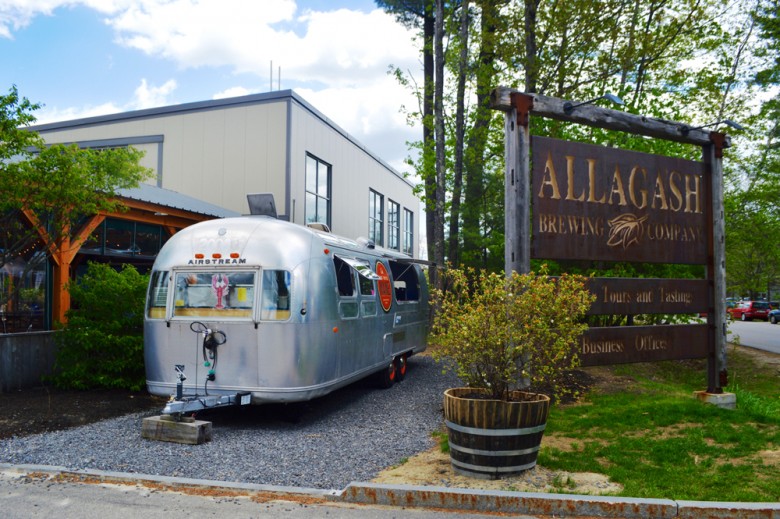
Since its launch in 2004, Allagash has wowed beer aficionados with its Belgian brews.
Credit: Gina VercesiCredit: Gina Vercesi
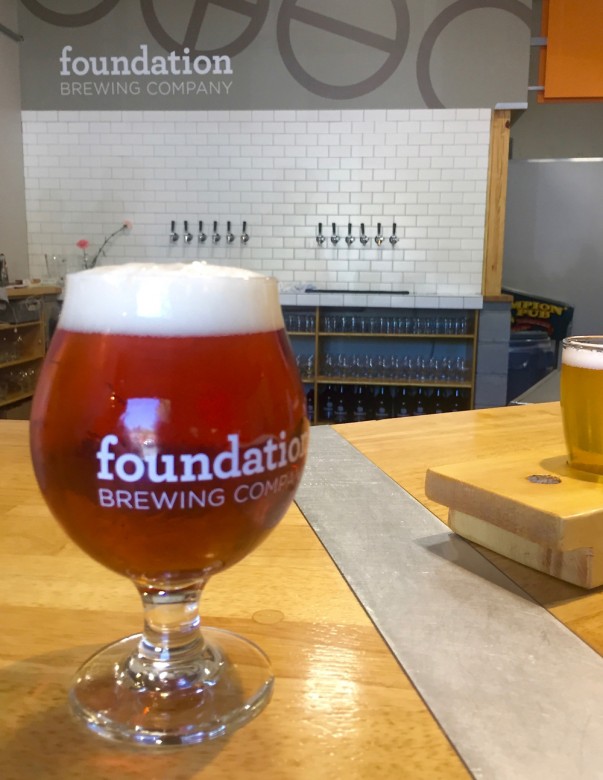
Portland shines as the state’s beer mecca, with 22 breweries—the most per capita in the U.S.—spread throughout a collection of distinctive neighborhoods. Industrial Way is the epicenter, and Allagash Brewing Company glitters at the end of that street like Emerald City. Through the years, the Industrial Park has served as a nursery of sorts for the city’s fledgling breweries. Regional stars Maine Beer, Rising Tide, and Bissell Brothers spread their wings there, with Foundation Brewing Company, Austin Street, and the latest arrival, Battery Steele, all continuing the tradition. When Bissell Brothers opened its new space in Portland’s burgeoning Thompson Point neighborhood, Foundation took over its bays to expand its own tasting room and brewing capacity.
On the weekends, the entire block, known simply as “the Park,” takes on a street-fair vibe. Food trucks sell everything from wood-fired pizza to gourmet hot dogs and bowls of ramen, while kids run around and play patio games and parents chat at picnic tables over freshly poured flights.
It was Allagash I was most excited to visit. In the tasting room I found folks partaking in free, four-sample flights and browsing 750-milliliter brews like Sixteen Counties, which uses only Maine-grown ingredients. During the brewery tour I felt a palpable enthusiasm for what happens here, knowing the energy trickled down from the top. Owner Rob Tod, who started the brewery as a one-man show using jury-rigged dairy equipment inherited from Vermont ice cream legends Ben Cohen and Jerry Greenfield, has a deep passion for Allagash’s supportive and innovative culture—from the brewery’s pilot program to its family-focused work environment and passion for giving back to the community.
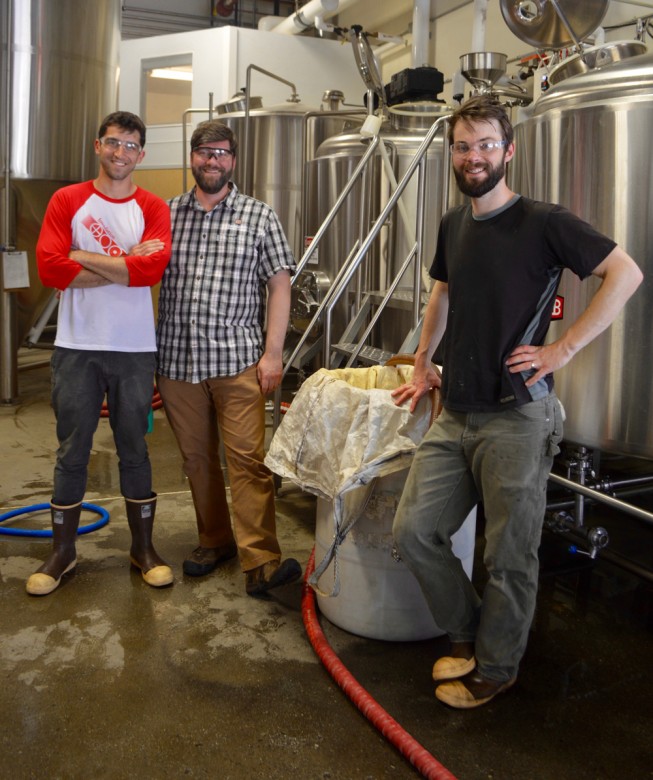
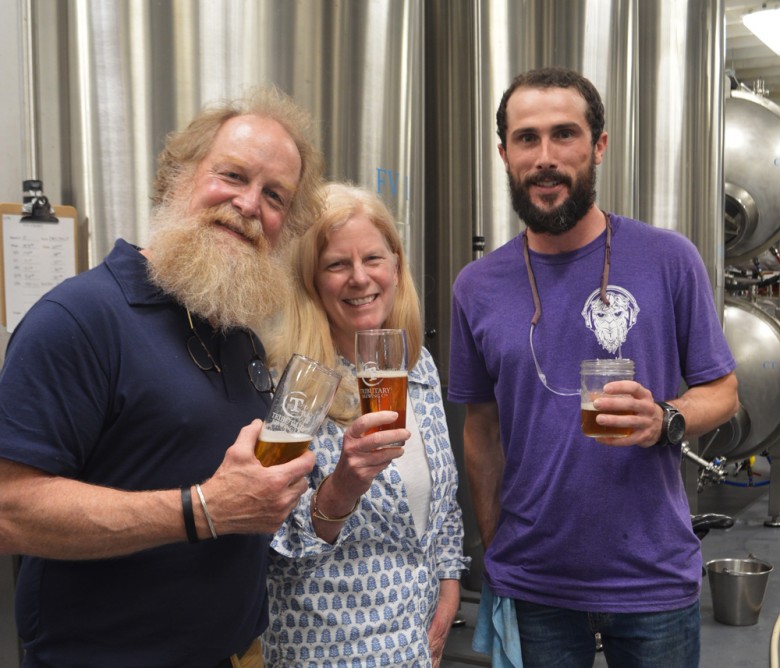
James Hardman (left), Robin Reed, head brewer (center), and John Bonney, co-owner of Foundation Brewing Company.
Credit: Gina Vercesi