



A Sense of Wonder | Hog Island, Maine
On a small island in Maine, explorers of all ages find a wide-open window into the natural world.
By Mel Allen|Apr 13 2018|

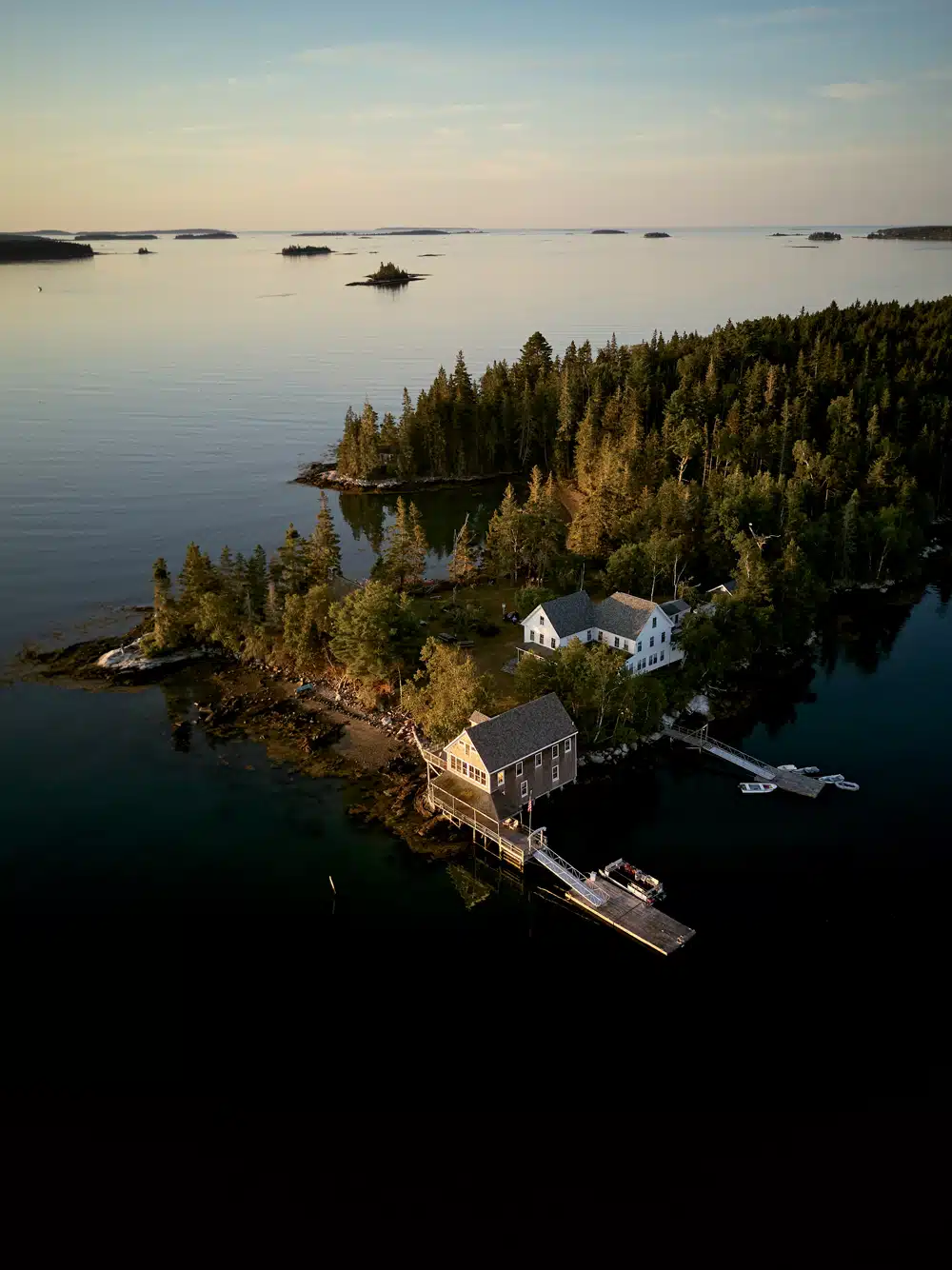
The Hog Island Audubon Camp has been a Muscongus Bay landmark for more than 80 years.
Credit: Mark Fleming“A child’s world is fresh and new and beautiful, full of wonder and excitement…. If a child is to keep alive his inborn sense of wonder … he needs the companionship of at least one adult who can share it, rediscovering with him the joy, excitement, and mystery of the world we live in….”
—Rachel Carson, The Sense of Wonder
Credit: Mark Fleming
For a few days last August, on an island in Maine, Yankee senior photographer Mark Fleming witnessed what some parents might call a miracle. In an age when so many children seem tethered to their electronic devices, oblivious to the sights and smells and sounds of the world swirling all around them, he would awaken in his cabin at sunrise and “kids would already be up,” he recalls. “It’d be so quiet. I remember one kid just sitting on a rock and looking at the water.”
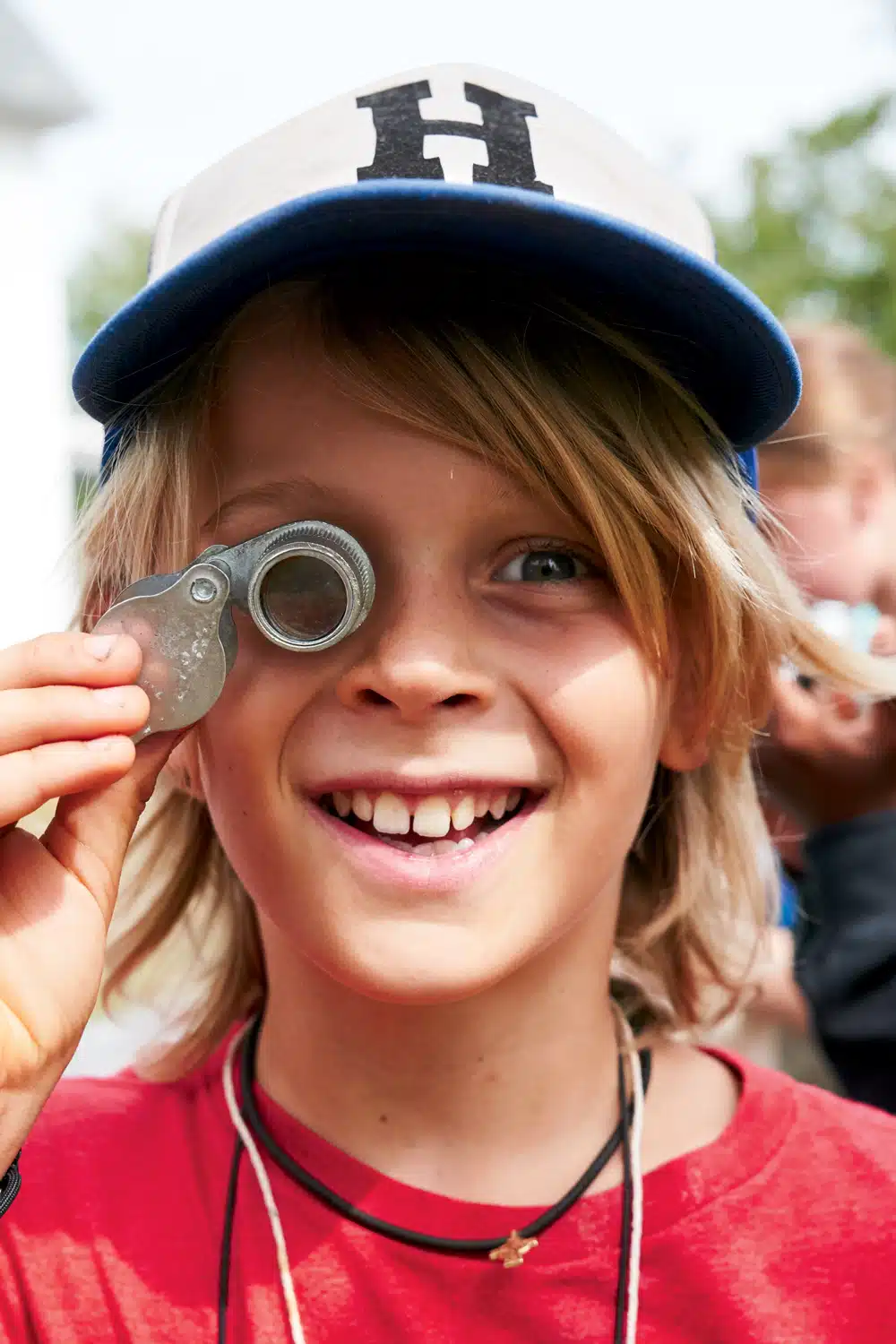
Fleming came to the Hog Island Audubon Camp’s weeklong Family Camp uncertain of what he would find, but he knew what he was after: those moments when joy and curiosity fill a child’s face. And maybe, too, when an adult rediscovers a childlike spirit.
Credit: Mark Fleming
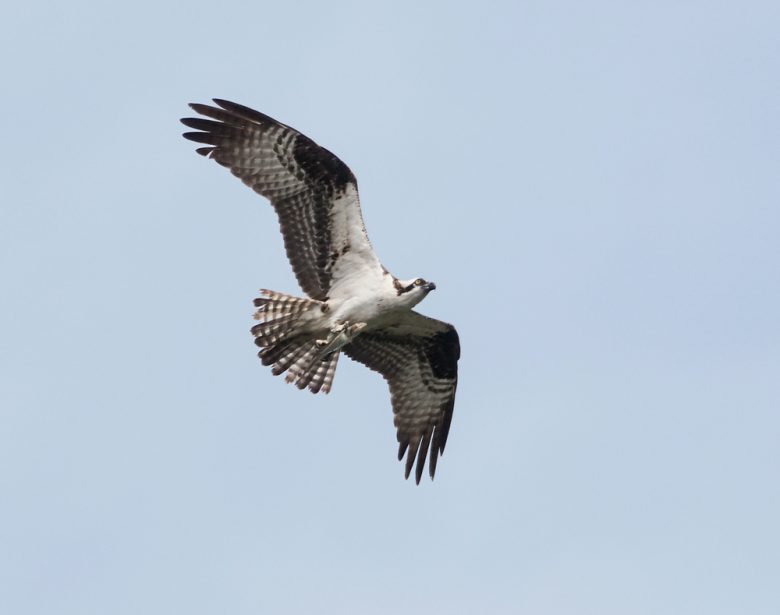
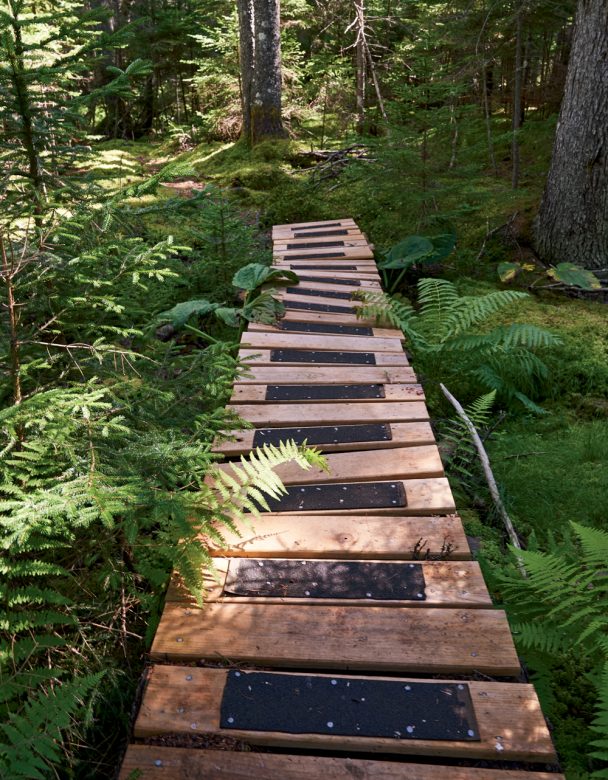
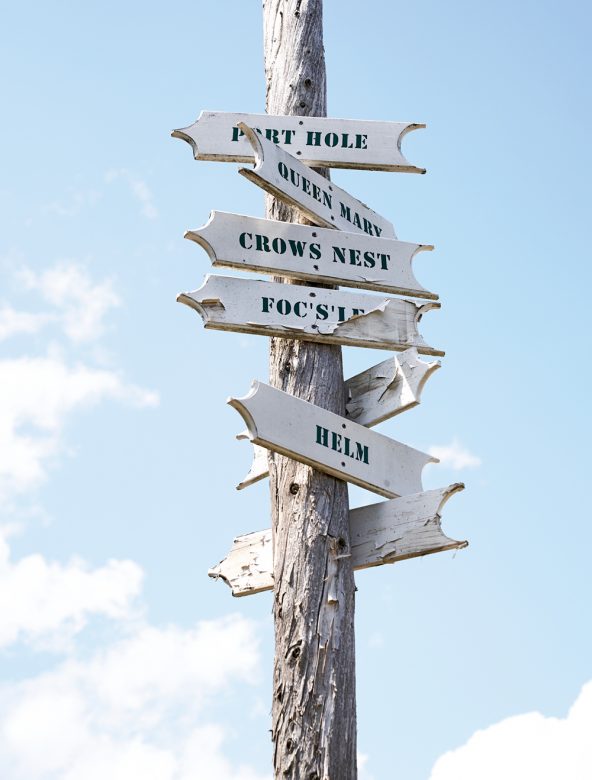
The island is 330 acres of forest and rocks lapped by waves, with 30 acres devoted to the nature camp, just a few hundred yards off the Pemaquid Peninsula on Maine’s midcoast. Since 1936, people of all ages have come here to immerse themselves in the lives of seabirds, to walk on trails edged with ferns and mosses, to peer into tide pools. Famed ornithologist Roger Tory Peterson once served as the education director; the naturalist Rachel Carson, who had a summer home near Boothbay, visited frequently. In the Audubon orbit, Hog Island is looked upon as a treasured retreat, one barely known to the tourists who flock to the Maine coast.
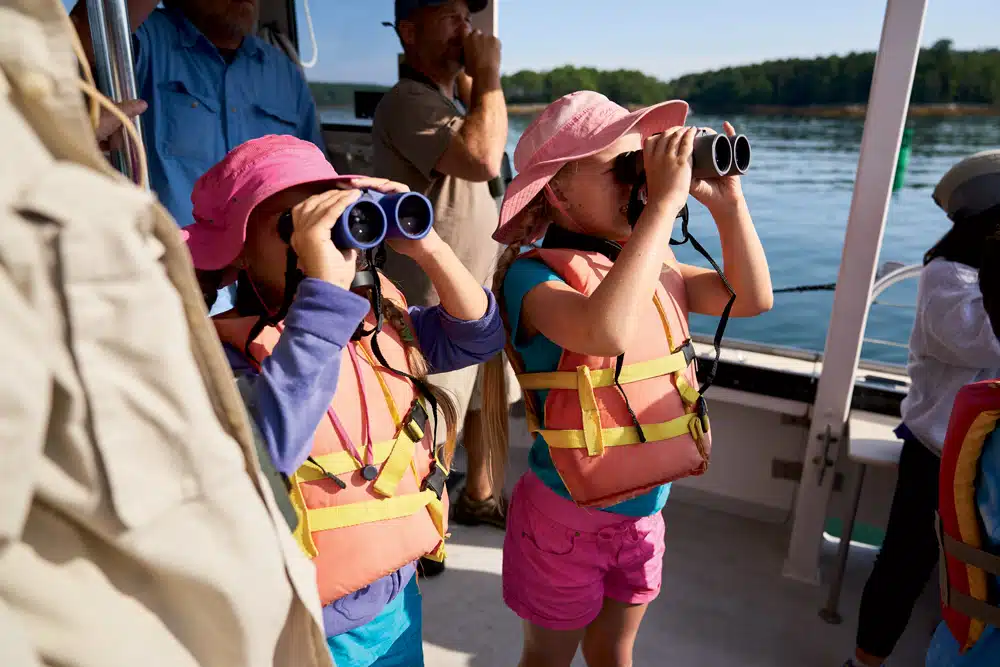
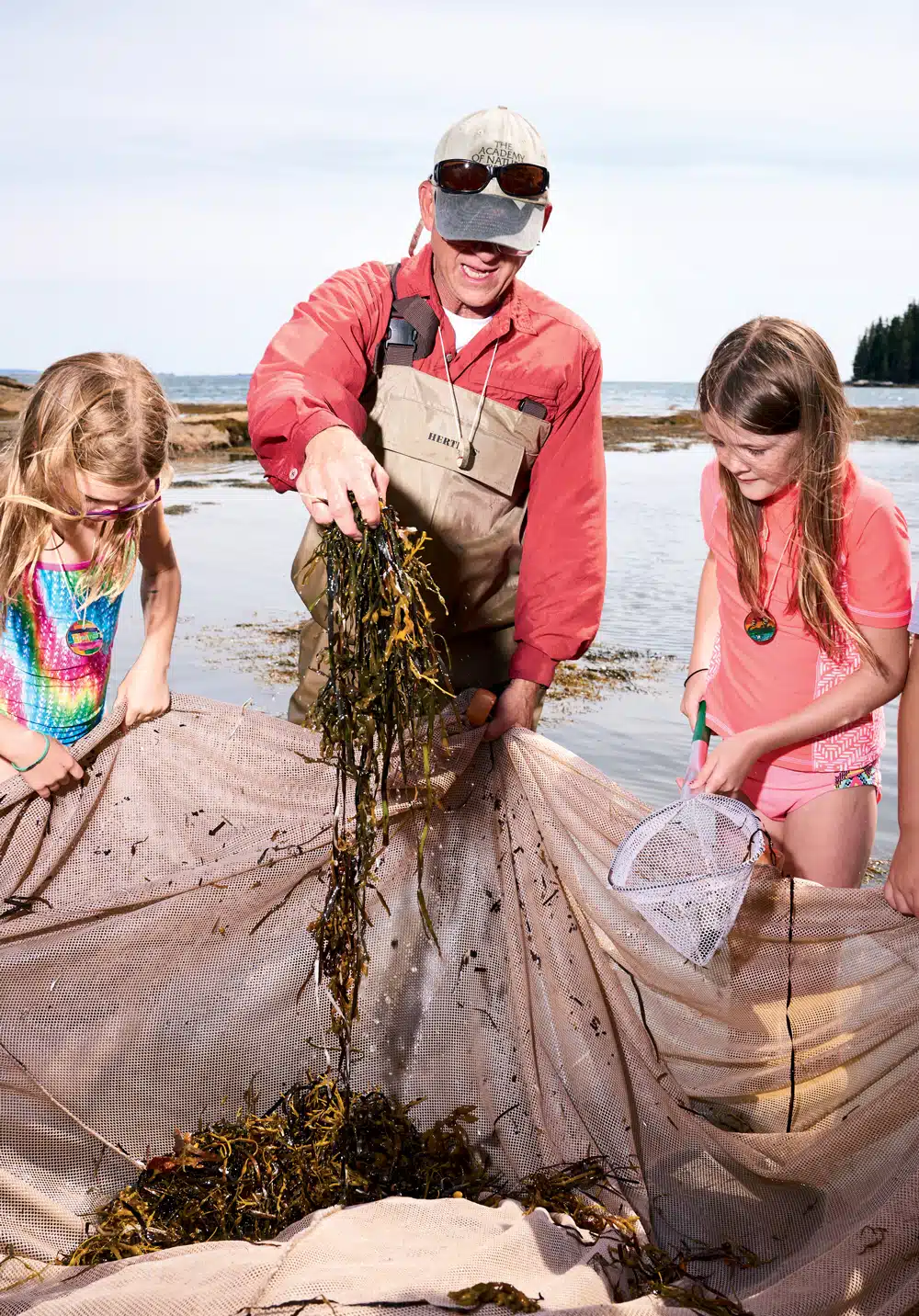
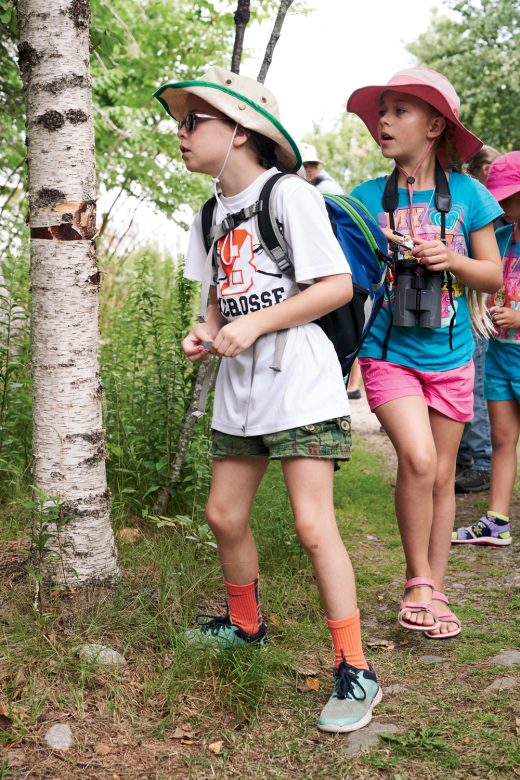
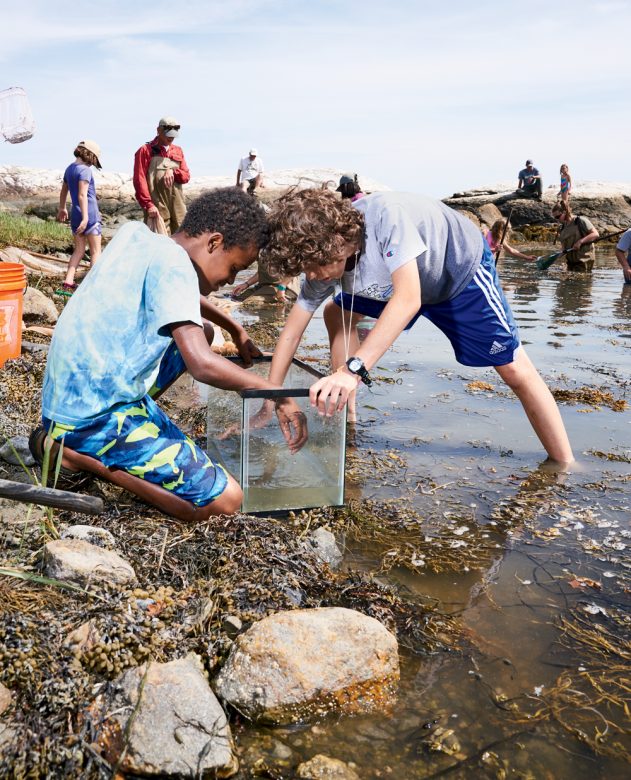
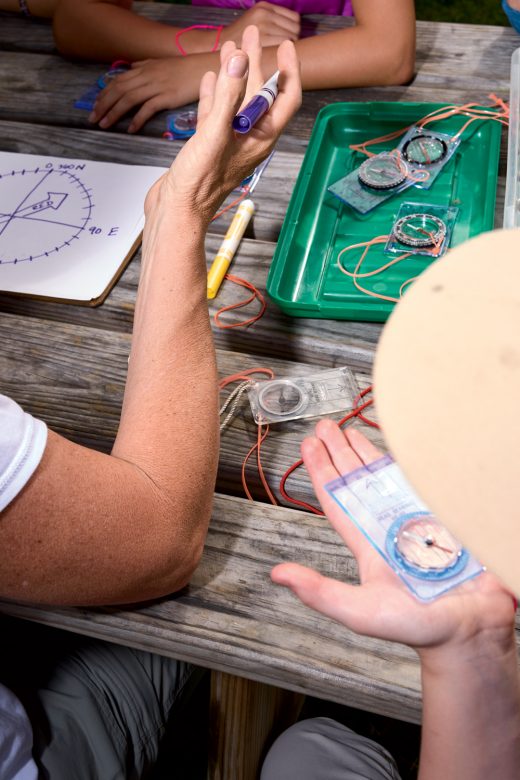
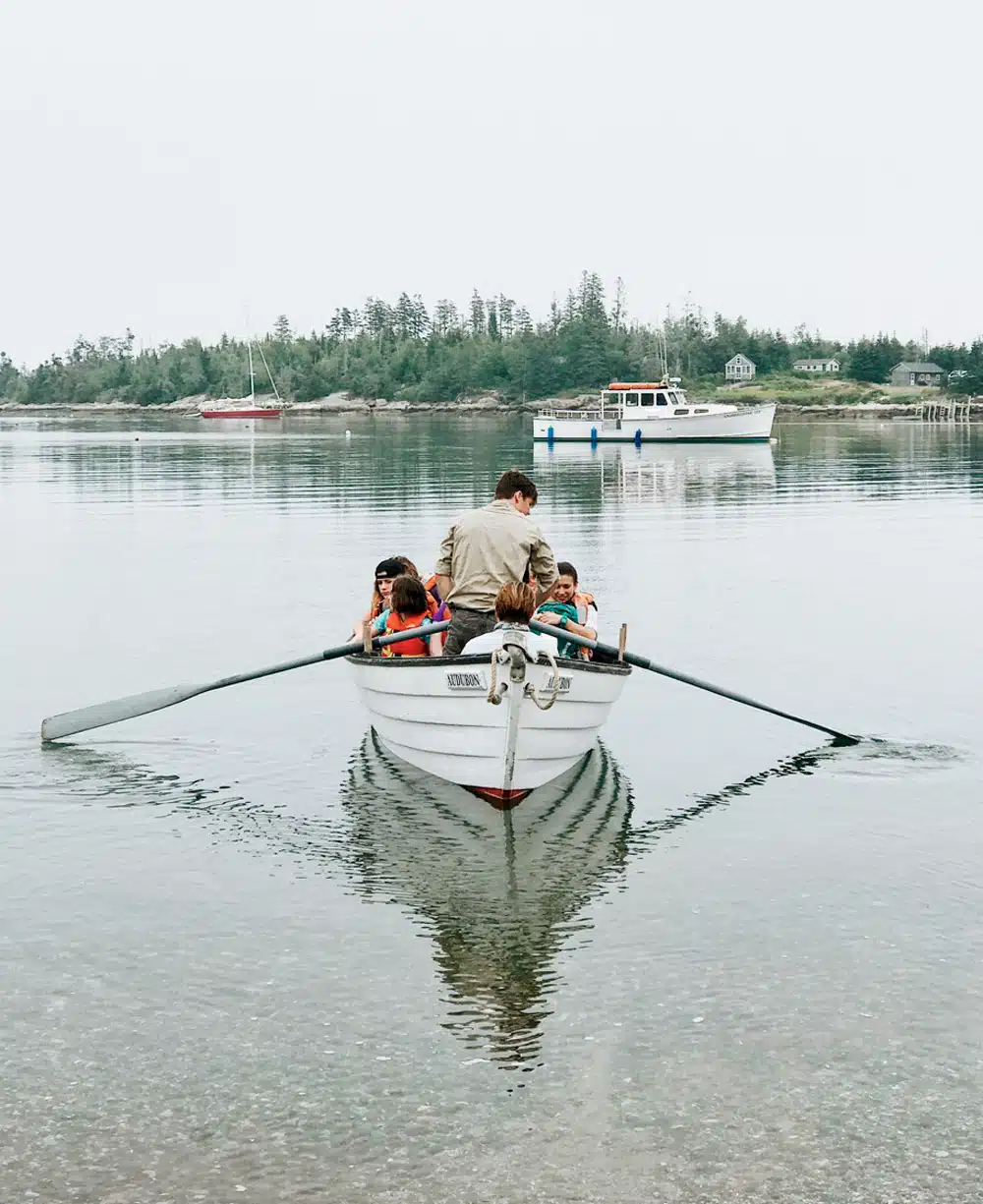
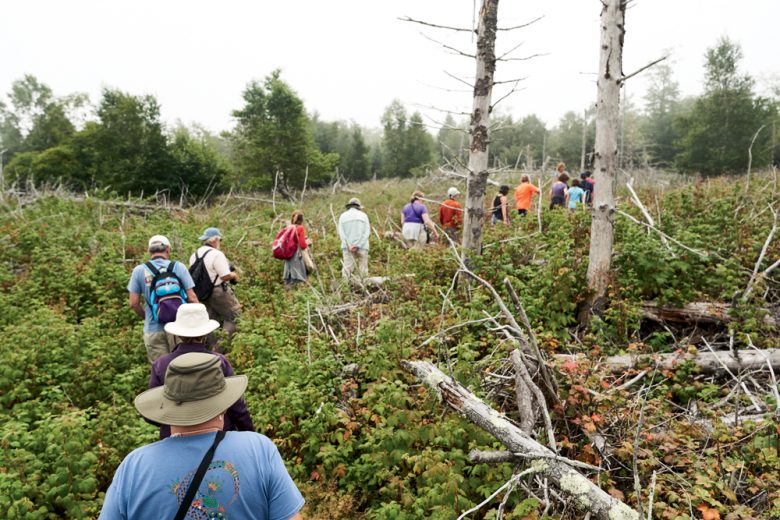
While the Family Camp week brought together multiple generations, Fleming focused his camera mostly on the kids. He saw them embrace learning through play as they whisked nets to capture insects along the island trails; afterward, they’d press close to entomology expert Steve Mason as they displayed their finds. They discovered how to use a compass and how to unravel the mysteries of what their nets collected from the ocean. He rode across the choppy bay with them to Eastern Egg Rock, where a resurgent puffin population lives—largely because of the work that Stephen Kress started here to repopulate the once-thriving colony—and came aboard a lobster boat to watch children pulling traps.
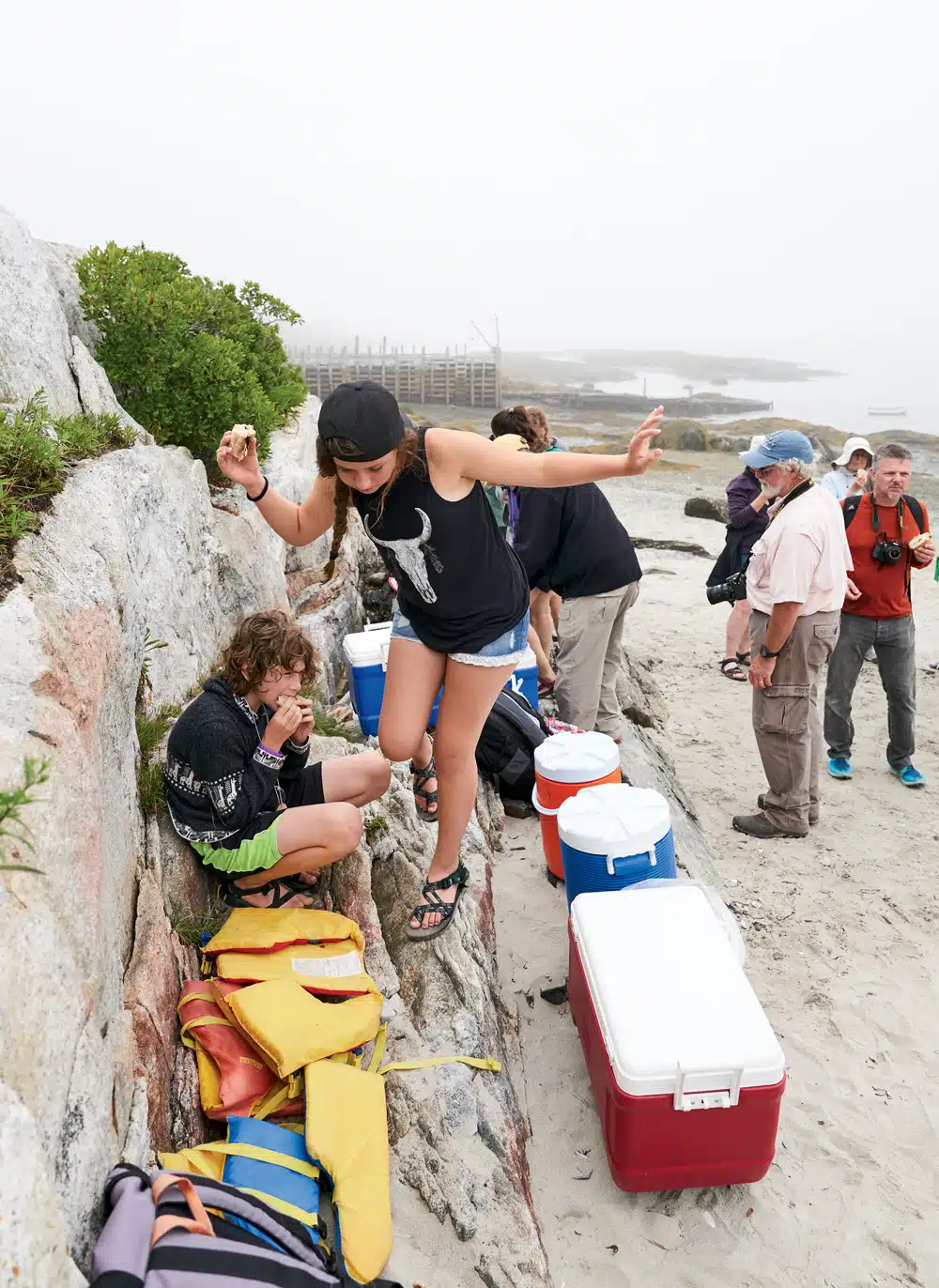
“It reminded me of being a kid, to see just how much joy and actual interest they showed,” Fleming says. “They were always talking about what they were learning.” The children watched seals and birds, listened to nightly talks. And they soaked up Maine, in sun and fog.
“I arrived a bit jaded,” he says. “I left filled with hope.”
—Mel Allen
Credit: Mark Fleming
Credit: Mark Fleming
Credit: Mark Fleming
Credit: Mark Fleming
Credit: Mark Fleming
Credit: Mark Fleming
Credit: Mark Fleming
Credit: Mark Fleming
Credit: Mark Fleming
Credit: Mark Fleming
Credit: Mark Fleming
Credit: Mark Fleming
Credit: Mark Fleming
Credit: Mark Fleming
To see more of Mark Fleming’s photographs from his time on Hog Island, go to newengland.com/hog-island.

My daughter visited Hog Island first as a camper and later as a counselor back in the 90’s.