



How to Make an Omelet
Do you know how to make an omelet? Although they’re available year-round, eggs still symbolize the rites of spring: rebirth and renewal. The omelet, that basic egg dish, symbolizes classic French cuisine–and is the easy answer to “Is there anything in this fridge that I can make a quick meal out of?” A few tips […]
By Annie Copps|Apr 09 2009|

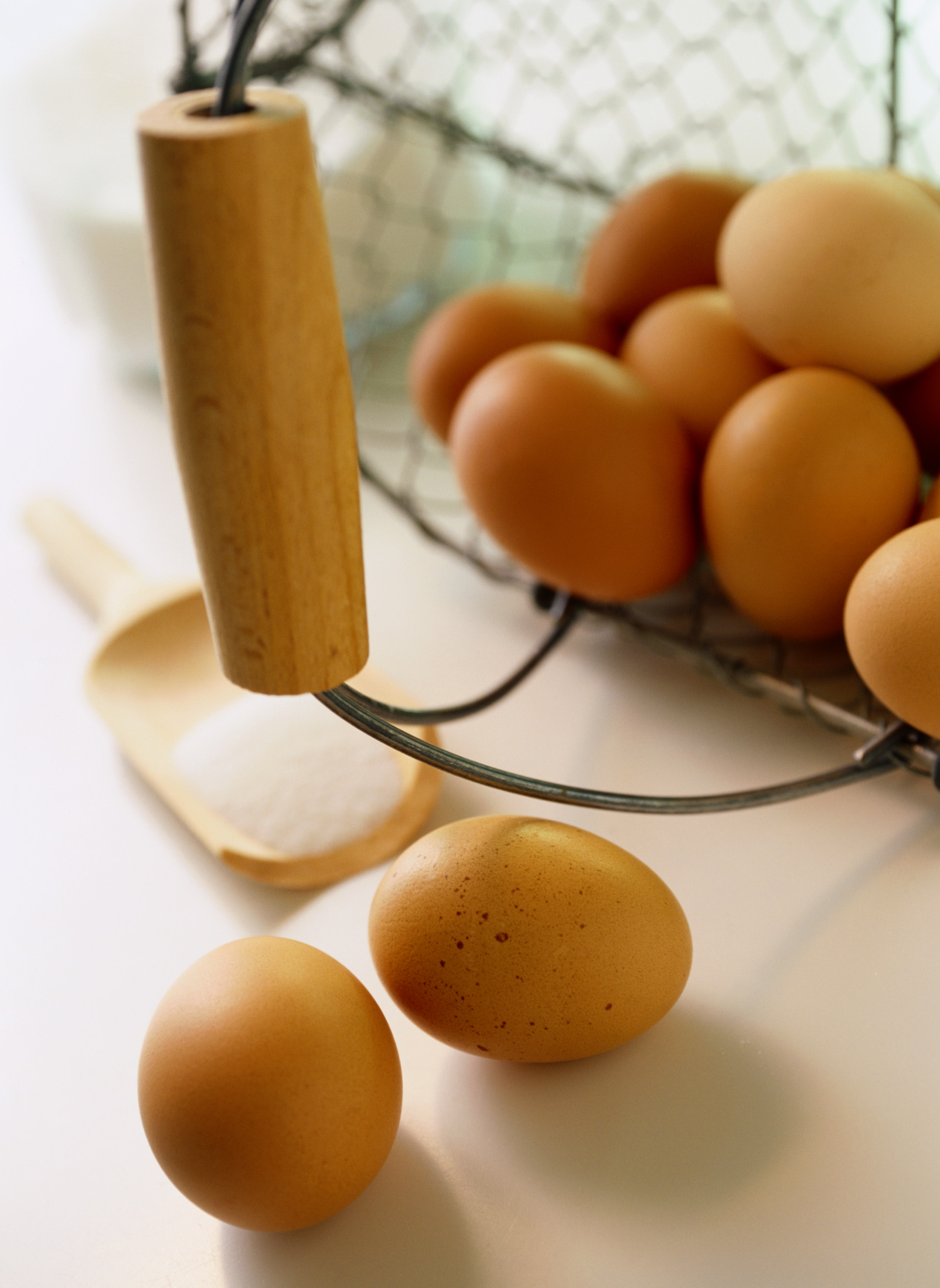
Do you know how to make an omelet? Although they’re available year-round, eggs still symbolize the rites of spring: rebirth and renewal.
The omelet, that basic egg dish, symbolizes classic French cuisine–and is the easy answer to “Is there anything in this fridge that I can make a quick meal out of?”
A few tips can get you started on the road to omelet happiness:
*Work with eggs at room temperature. Take them out of the fridge a half hour before you’re ready to go.
*Use a nonstick pan.
*Add water, not milk. (Milk leaks out of cooked eggs.)
*Break eggs on a flat surface instead of the rim of the bowl to avoid getting shell fragments in the mixture.
*Cook eggs on low heat. Eggs are almost entirely protein; on high heat they seize up, get tough, and can’t hold their moisture. (Perhaps you’ve encountered “sweating” eggs.) That’s true for scrambled eggs as well.
*Relax. (Really, they’re just eggs.)
But what about that classic fold–how do you do that? Julia Child, who liked to shake the pan to get the egg mixture to fold onto itself, said it was “all in the wrist.” But with great respect to my mentor, I humbly suggest an easier technique, one that never fails to give home cooks a boost of confidence.
Using the spatula, fold one-third of the omelet into the center. Tilt the pan over your serving plate so that one-third of the omelet slides out and hangs over the edge onto the plate. Using the edge of the pan, fold the omelet again, onto the third of the omelet on the plate.
RECIPE




I have absolutely no idea what the last two sentences mean.
I do, and it’s not that difficult and it works wonderfully.
It is worded confusingly, isn’t it? It might read better this way: “Tilt the pan over your serving plate so that the unfolded third of the omelet slides out and hangs over the edge onto the plate, with the folded two-thirds still in the pan. Then tilt the pan a little further over the plate so the folded two-thirds still in the pan flips over onto the third of the omelet already on the plate.” The videos from Julia Child’s TV series in the sixties are wonderful. I gave some on DVD to my daughter-in-law for her birthday last year and we have a lot of fun watching them, especially the omelet show!
If you want to make gorgeous elegant scrambled eggs (easier than an omelet) and perfect for a mother’s day brunch perhaps you can try this recipe from chef Tim Wiechmann
http://foodiestuff.wordpress.com/2009/03/31/recipe-creamy-scrambled-eggs-with-wild-mushrooms-and-herb-puree/
The best way to keep egg shells – and bad eggs – out of your bowl is to crack the eggs as mentioned but break them one at a time into a cup the way my grandmother taught me to. That way you can be sure the egg is good and you can fish out any stray bits of shell before you transfer the egg into the bowl.
I’ll try that ,. Using water instead of milk, and get back to you. Mama Nick.
Holy Cow, relax, they’re just eggs.
BTW, The wording is fine but how DO you mix the egg whites and the egg yellows?
Although an omelet makes a lovely presentation I want nothing to do with any runny egg. Frittatas are much easier to make and all my omelet eating family members are just as happy with that. Start the eggs in your pan just like for an omelet but then pop them under a broiler just as soon as the underside sets, right before it would show any browning. The eggs puff up nicely, then top with grated cheese and return to the broiler until the cheese melts and bubbles. Mmmmm….
I love omelets with veggies, but i do not understand an egg with a hangover.
I read the recipe, tried it and it works for me. Someone doesn’t know what a third is.
The comments are useful and I’m going to try the broiler variation! And where might I buy Julia Child’s DVDs?