YMCA Camp of Maine | Return to Summer Camp
If you picked up the July/August issue of Yankee Magazine, I hope you took time to peruse the photo essay, “Summer on the Lake,” in which Richard Schultz captured the essence of lakeside living in a stunning array of photographs. I certainly did and was intrigued not only by the images, but also the description […]
By Brenda Darroch|Aug 12 2011|

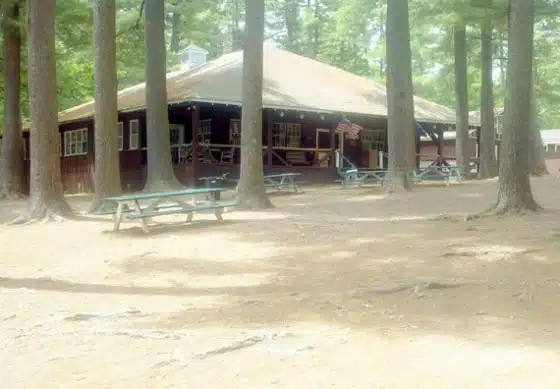
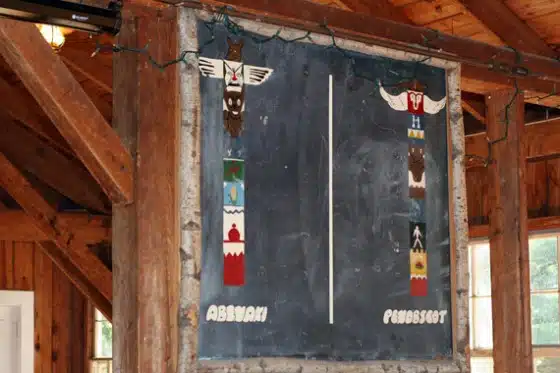
The Dining Hall appears untouched by time.
Credit: Brenda Darroch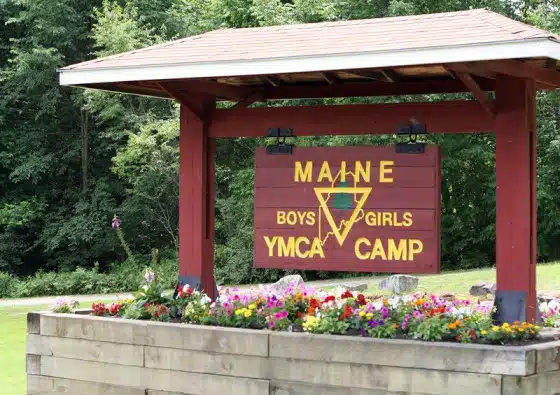
Entrance to the YMCA Camp in Winthrop, Maine.
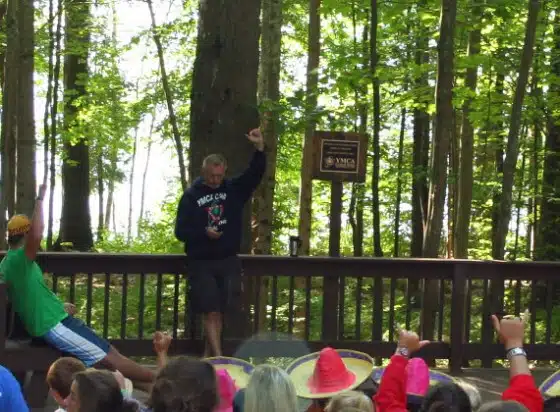
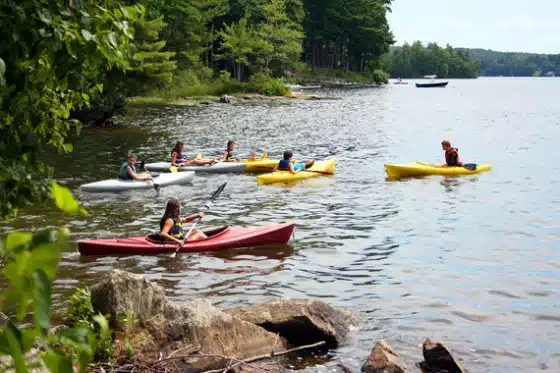
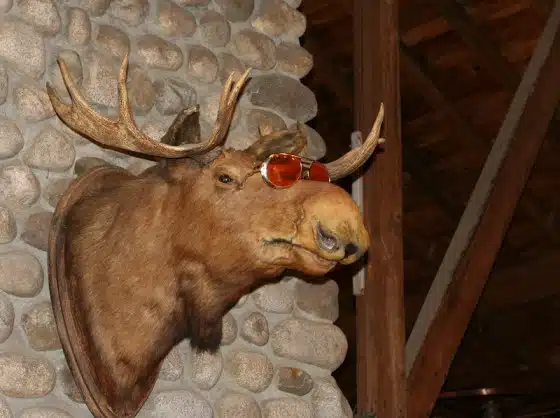
Credit: Brenda DarrochCredit: Brenda Darroch I picked up the phone to call the YMCA Camp of Maine in Winthrop to ask if I could drop by for a visit, and the staff was kind enough to agree. As my husband Jim and I rolled down the dirt road that would lead us to the heart of Y camp early Monday morning, half forgotten memories that had taken place on the very ground we were traveling over began to resurface. Here I was returning to the place where I had learned to swim, sail, throw pottery, and, perhaps most memorable of all, curse in French. And then the questions started: Would Y camp look the same viewed through the eyes of an adult, and would I feel the kind of connection described by Little Wohelo alumni? How does this generation of campers, raised in an electronic age, react to goofy songs about fleas and old farmers? Would the moose be there to silently greet me when I entered the dining hall as he had countless times back in the 80’s? And what about camp food – did it still taste like, well, camp food? With camera in tow, we went in search of the answers. Executive director Barry Costa and arts & crafts director Ruth Eastman were on hand to lead us through the morning festivities: to the chapel for the daily message; the waterfront for the raising of the flag and a bit of song and dance; the dining hall for breakfast, where we learned the food had come a long way from the fare they were serving the summer that I lived on peanut butter and honey sandwiches; and then off for a quick tour around the campus before sending us out to trail after campers engrossed in what they would surely one day remember as life-enriching activities.
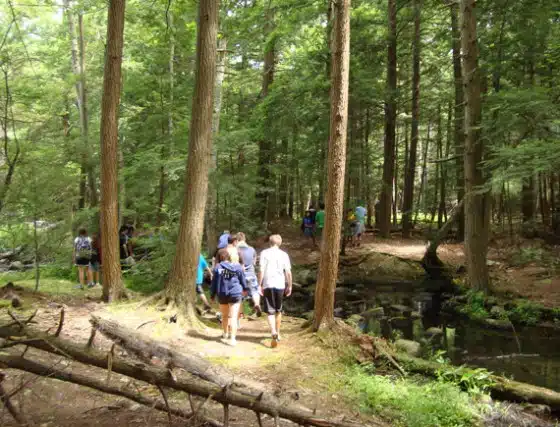
We followed campers as they learned to identify edible plants in the woods.
Credit: Brenda DarrochCredit: Brenda Darroch Amid the activity buzzing around us, I had a chance to chat with Barry about the evolution of the camp. I was curious about how it was possible for the buildings and grounds to appear as though frozen in time, which, it turns out, is by design. Structural work and improvements had been painstakingly disguised in an effort to maintain the familiar, nostalgic feel of the camp setting.
The Dining Hall appears untouched by time.
Credit: Brenda DarrochCredit: Brenda Darroch Perhaps it’s that familiarity that beckons former campers to reconnect with Y camp by enrolling their own children as campers, joining the board, and attending alumni events. Former camper and counselor turned board member, Newell Augur, told me that he was compelled to get involved because of the formative moments he’d enjoyed there and the values they’d instilled in him – responsibility, independence and the importance of interpersonal relations – and felt it was important that future generations of children be afforded that same opportunity.
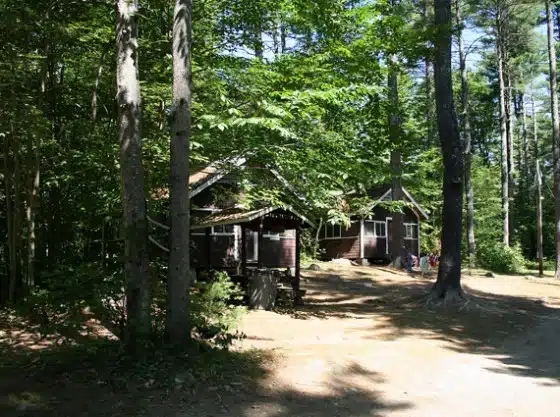
The boys village is nestled in the woods.
Credit: Brenda Darroch