Visit Revolutionary War Sites North of Boston
Find these 10 notable sites from the American Revolution on a Massachusetts North Shore drive.
By Laurie Bain Wilson|May 13 2026|

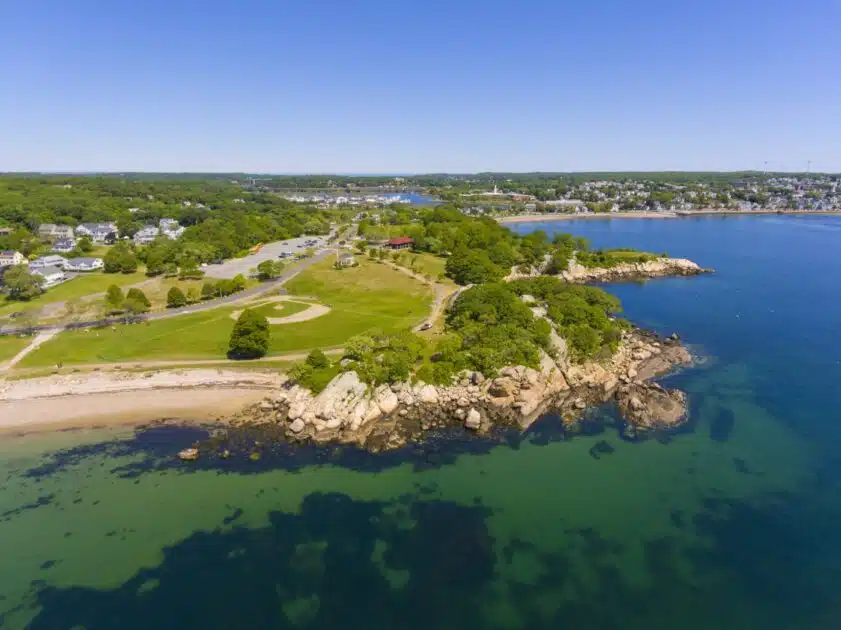
From an aerial vantage point, it's easy to see why Stage Fort Park was of military importance before, during, and after the American Revolution.
Credit: Wangkun Jia / Adobe StockSponsored by Visit North of Boston. Excerpted from the free guide: 250 Ways to Explore, Discover, and Celebrate North of Boston.
The North of Boston region has major bragging rights when it comes to sites associated with the nation’s fight for independence. While Lexington and Concord get recognition for “the shot heard round the world,” other Massachusetts towns also witnessed pivotal events that shaped the country’s future. On a trip north to Newburyport from Salem, these 10 lesser-known sites will give you a fresh perspective on this chapter in history.
Salem
In late February 1775, Salem’s spirited locals rallied against British Lieutenant Colonel Alexander Leslie and his troops in what became known as Leslie’s Retreat, aka the Salem Gunpowder Raid. Historians credit it as the first armed (albeit nonviolent) resistance to royal authority, predating the battles of Lexington and Concord. A historical marker at the intersection of Commercial Street and Green Trail commemorates the episode.
The Pickering House, which dates to 1660, is the birthplace of Colonel Timothy Pickering, a soldier in the Revolutionary War who was appointed Quartermaster General by the Continental Congress. George Washington once visited his house, and you can too; today it’s a museum operated by the Pickering Foundation.
Swampscott
On a fateful Christmas night in 1776, General John Glover rowed General Washington’s Continental Army across the Delaware in a surprise attack on Hessian mercenaries. The General Glover Farmhouse, built in the 1700s, was this hero’s final home, and it remains standing on Salem Street. The community is saving it from demolition with hopes of restoring it for America’s 250th.
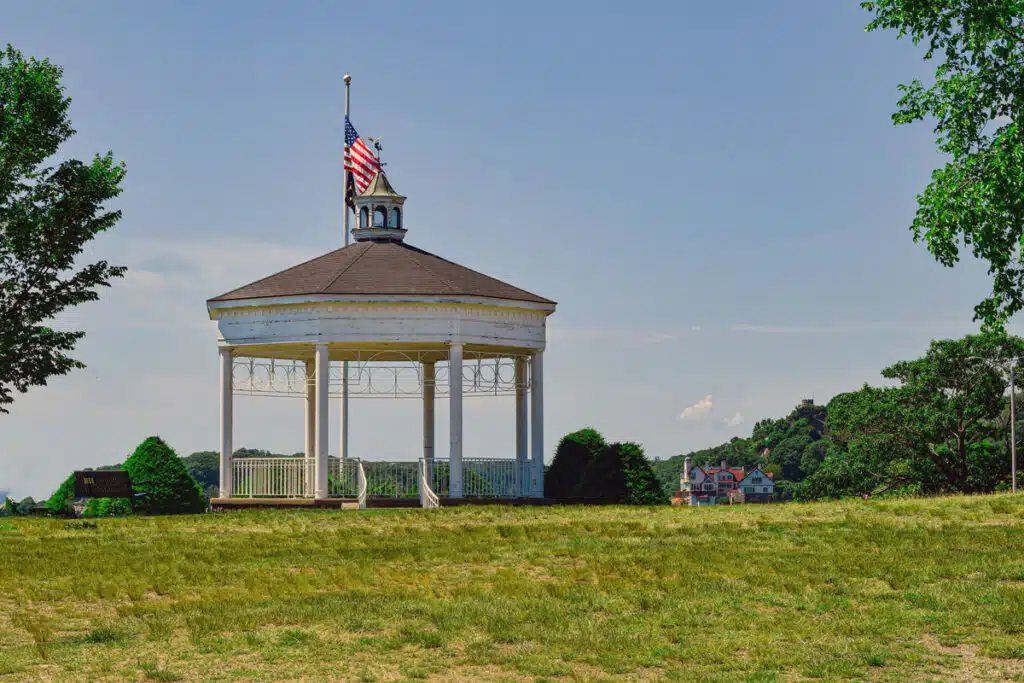
Credit: D Miller / Adobe Stock
Gloucester
Stage Fort Park, dating to 1623, still dominates from its high vantage point, with pretty harbor views once crucial to defenses in the Battle of Gloucester. Today, a plaque honors the soldiers and sailors who aided the cause of freedom. And you’re free to enjoy the peaceful beaches, playground, and visitor center.
Rockport
The 1623 Benjamin Tarr House, one of many colonial houses in Rockport, is a revered landmark where 66 villagers gathered before marching to Charlestown to bear arms in the Battle of Bunker Hill. As time marched on, the house became a tearoom (oh, the irony!), apartments, a newspaper office, and, currently, a vacation rental you can book on Airbnb.
Credit: Holly Perry
Marblehead
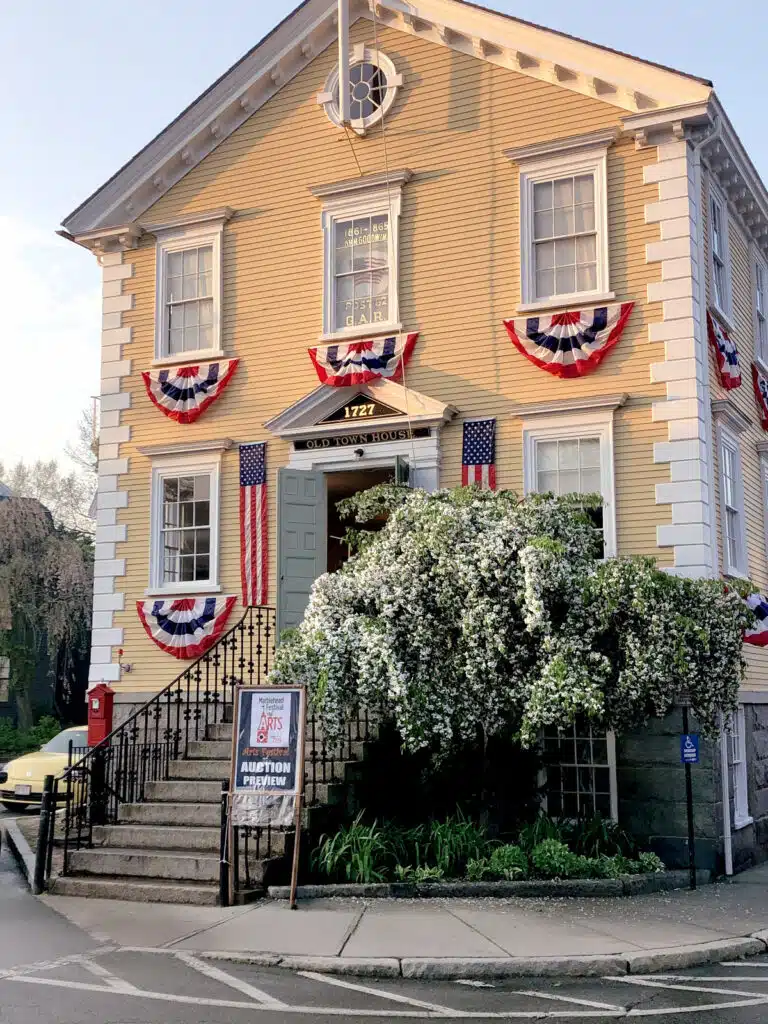
During the war, the Sons of Liberty, including Elbridge Gerry (think gerrymandering) and General John Glover held meetings upstairs at the Old Town House—if only walls could talk. The handsome yellow clapboard Georgian built in 1727 still stands in Market Square.
Built in 1755 to store muskets, ammunition, and gunpowder, the circular brick Powder House is believed to be one of only three remaining pre-Revolutionary powder houses in the U.S. Located on Green Street, the building is not open to the public, but its ability to contain a potential explosion of unstable black powder can be admired from the outside.
Credit: Melissa Stacey / Discover Marblehead
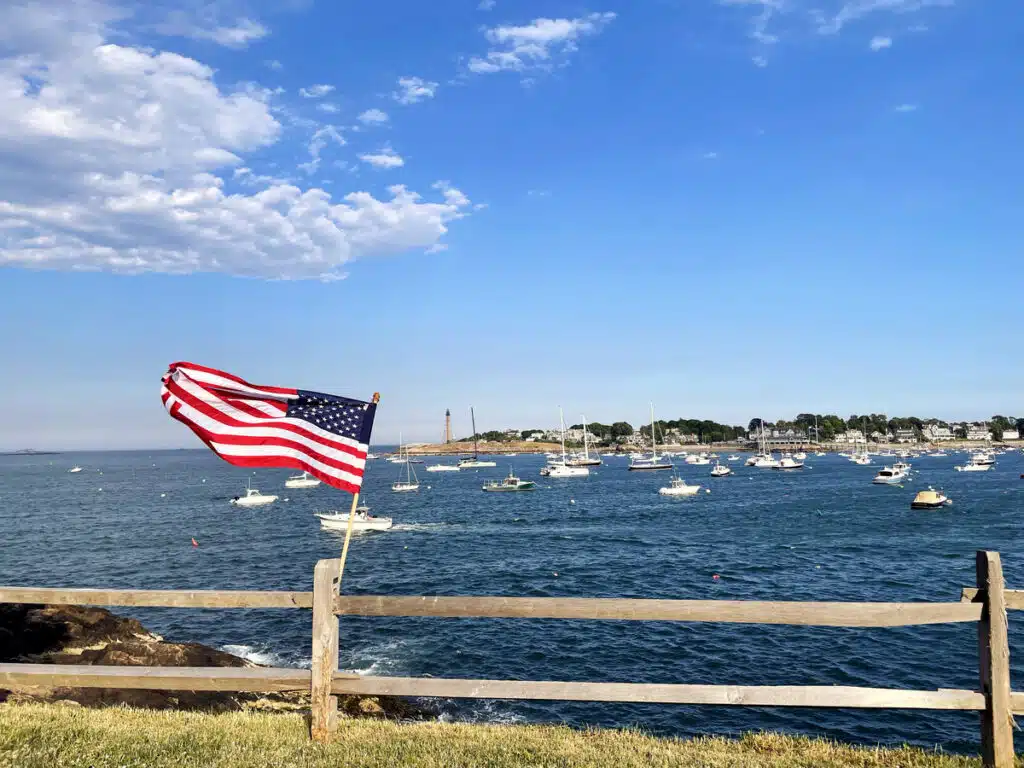
After a rebuild in 1775, Gale’s Head Fort had Marblehead’s back during the Revolution, and at one point was garrisoned by Colonel John Glover’s Marblehead Regiment. Now known as Fort Sewall, this public park boasts waterfront vistas as well as bunkers and underground rooms that once held prisoners.
Newbury
In September 1775, 1,100 men set out on the ill-fated Quebec Expedition, led by Benedict Arnold. The bronze Benedict Arnold Encampment Memorial on Newbury’s Upper Green marks the site of Arnold’s military training ground. The green also happens to be a lovely spot for picnics and pond skating.
Newburyport
The Old South Presbyterian Church was a gathering place for patriots seeking to connect the roles of faith and independence during the Revolutionary War. The church is also where Benedict Arnold gathered his troops before departing for Quebec. Fast forward a couple centuries: An America 250 Patriots Marker was recently dedicated here by the Daughters of the American Revolution to commemorate the 250th anniversary of the Quebec Expedition.
Celebrate Our Past, Meet Our Future
Download your free guide, 250 Ways to Explore, Discover, and Celebrate North of Boston, then get on the road to adventure in this storied region, where the revolutionary spirit lives on at innovative restaurants, inns, and attractions.