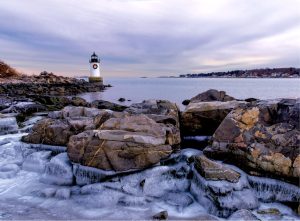
New Hampshire’s Spirit of Revolution: Fort Constitution
Months before the Battles of Lexington and Concord, a blow for liberty was struck in the Granite State.
By Yankee Custom Editors|Apr 09 2026|

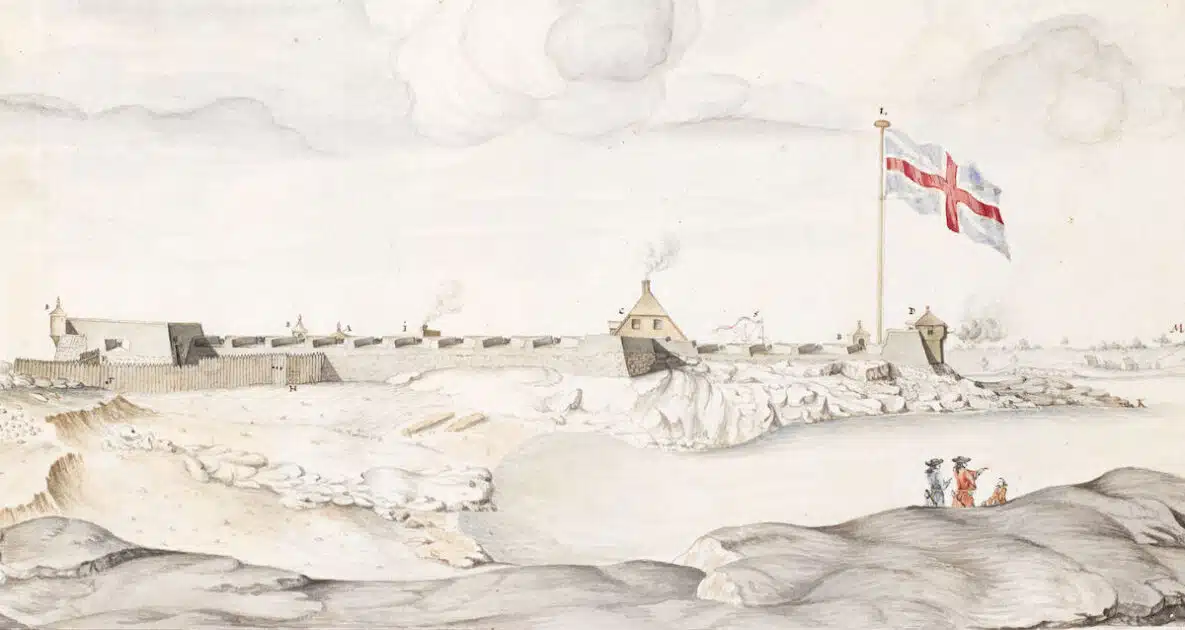
Detail of “Fort William & Mary on Piscataqua River in the Province of New Hampshire on the Continent of America“ by Wolfgang William Romer, published 1705.
Credit: British Library CollectionSponsored by VisitNH.
Whether you are planning your first visit to New Hampshire or—like so many generations of travelers—returning year after year, 2026 is a special time to experience the Granite State. With our nation marking its 250th birthday, there is no better place to connect with the independent spirit of this milestone anniversary than the state that has enshrined the words “Live Free” in its motto. So in this year of American celebration, take a trip to the Granite State and discover the places where the revolutionaries of New Hampshire began their quest for freedom.
The American Revolution didn’t begin on any one date. Depending on where you go in the country, people will claim some local act of defiance—a brawl, a protest, a raid—was the true beginning of the war. In New Hampshire, the conflict began in the small town of New Castle at what is today Fort Constitution.
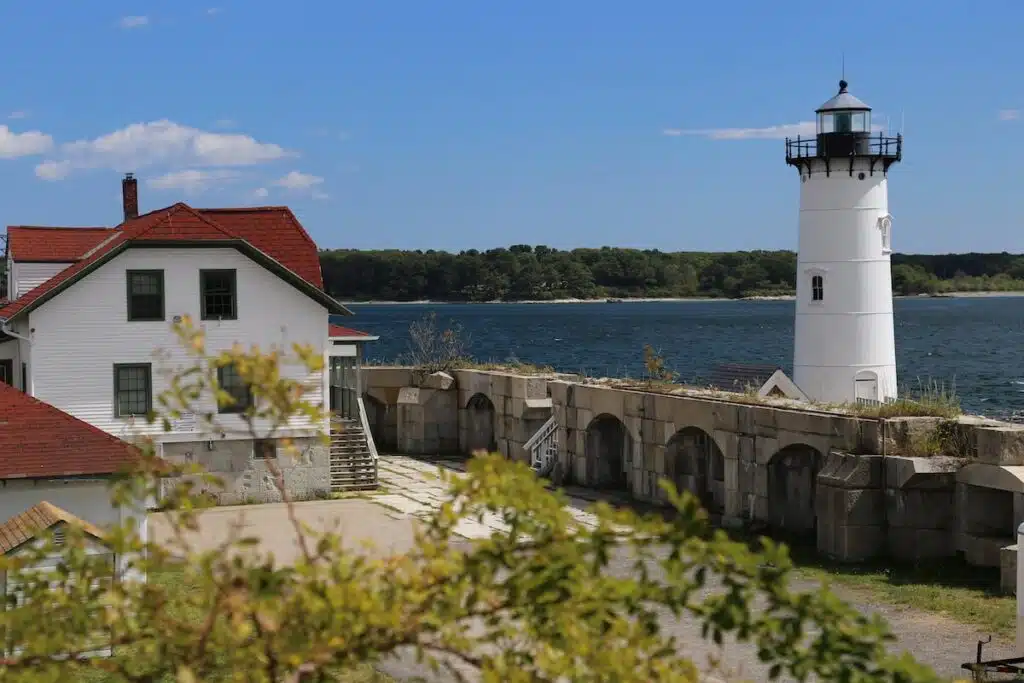
Credit: Kenneth Dupont/CC BY-SA 4.0
Look at the fort now, and you’ll see that the remaining battlements are from a later period. The original walls and wooden lighthouse of what was then called Fort William and Mary have long since vanished. But what remains is the importance of the location: an island at the mouth of the Piscataqua River. Guns stationed here could easily choke off the waterway, cutting off Portsmouth’s access to the ocean.
In December 1774, only six British soldiers held the fort. But tensions were high, as local Patriots and Loyalists eyed each other warily, waiting for the inevitable spark to set off direct conflict between the two sides.
That spark came in the form of none other than Paul Revere. On Dec. 13, he rode into Portsmouth with news that the British planned to reinforce Fort William and Mary. Patriots Thomas Pickering and John Langdon—who would later become governor of New Hampshire—raised the alarm and by the next day had assembled hundreds of volunteers. By land and by boat, the raiding party descended on New Castle, surrounding the fort and quickly capturing the British troops.
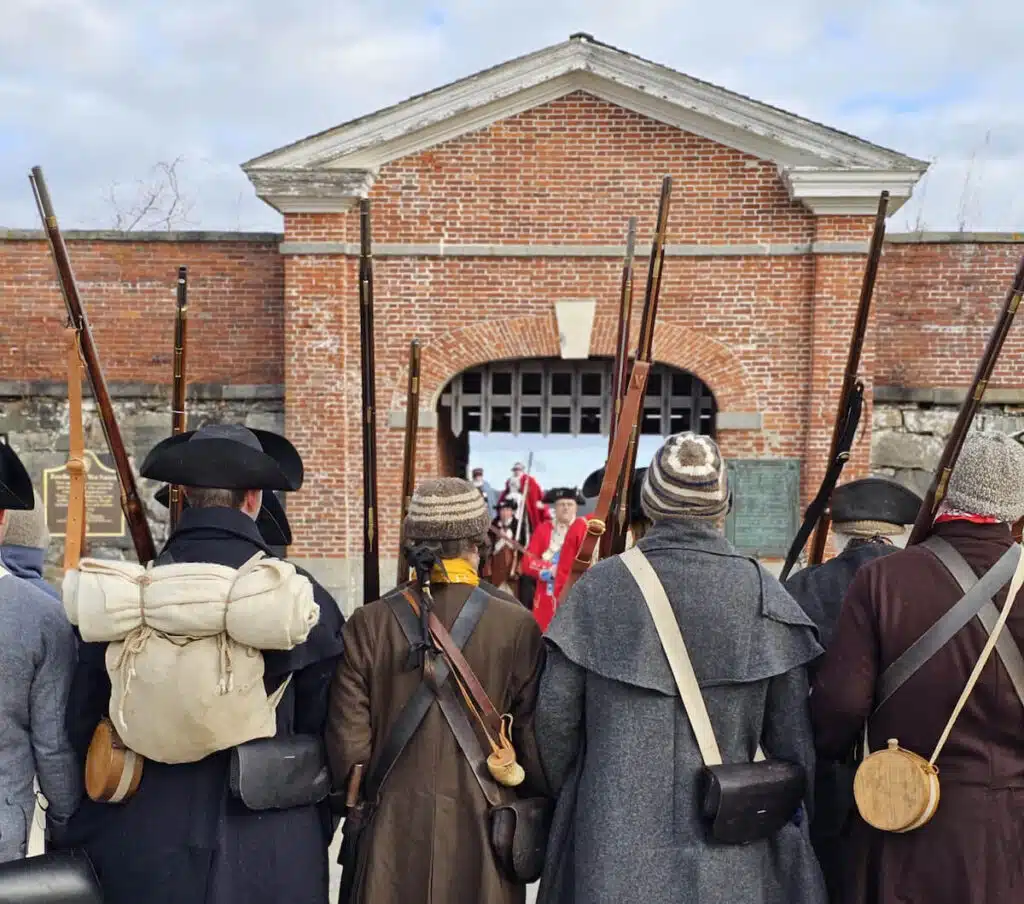
Credit: 1st New Hampshire Regiment
British Captain John Cochran fired his cannons to disperse the crowd, but to no effect. “Upwards of 500 men to my best judgment scaled the walls instantly,” Cochran later recalled. “It became impossible to withstand such multitude.” The British were captured in moments.
Patriots carted away most of the fort’s gunpowder. They returned the next day for the rest and took the cannons, too. These armaments are believed to have joined New Hampshire militiamen when they later marched south to join the Siege of Boston.
Despite the fact that many of their identities were well known, none of the New Hampshire raiders faced consequences. Royal Governor John Wentworth knew public opinion wasn’t on his side. “No jail would hold them long and no jury would find them guilty,” he wrote. He hoped doing nothing would calm the populace, but he was wrong. The spark was lit and revolution was coming.
To learn more about New Hampshire’s role in the Revolutionary War and to start planning your trip to the Granite State during this special anniversary year, download the brand-new guide New Hampshire 250: A Celebration of America’s 250th and the Granite State. For even more travel inspiration—from unexpected adventures and local events to hidden gems and unforgettable places—go to VisitNH.