Massachusetts 250: Unsung Heroes of the Revolution
They may not be household names, but their grit, bravery, and inspiring words helped lay the foundation for America.
By Yankee Custom Editors|Mar 29 2026|

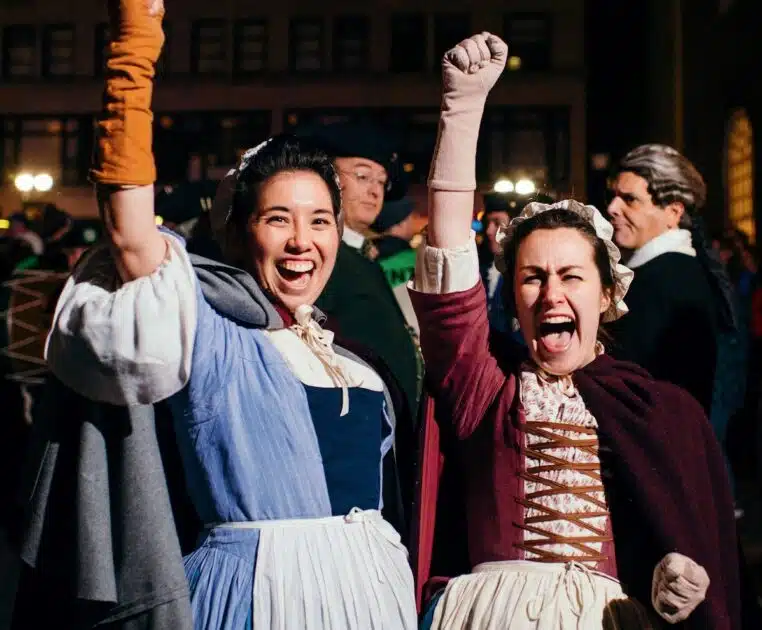
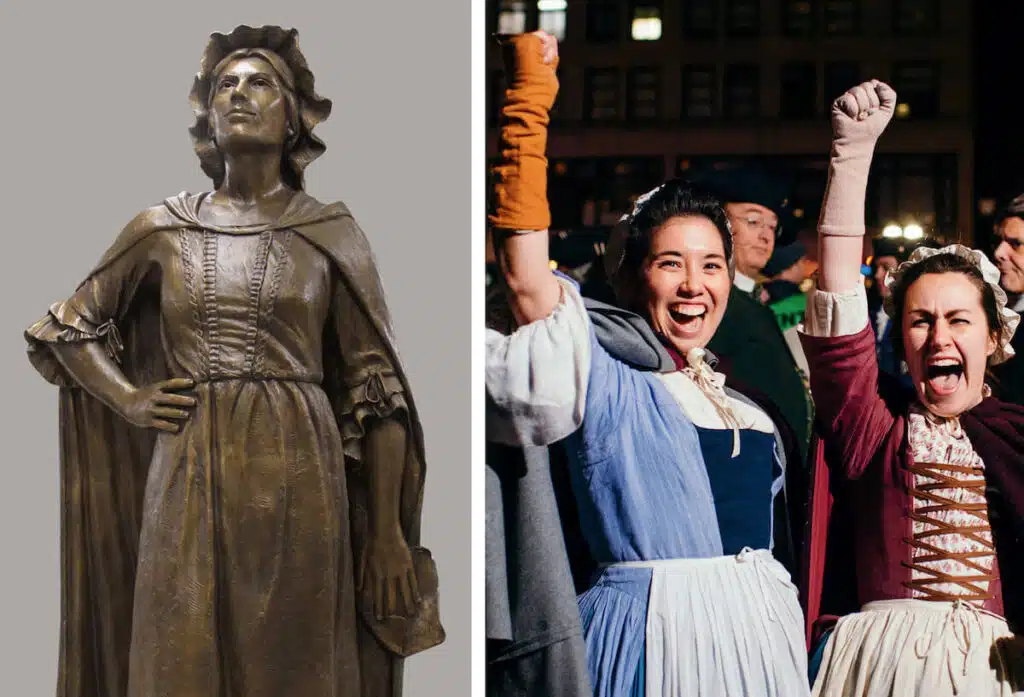
At the Boston Tea Party Ships & Museum, reenactors channel the firebrand spirit of Tea Party organizers like Sarah Bradlee Fulton, an unsung hero of the American Revolution.
Credit: Caroline Talbot/Boston Tea Party Ships & Museum
Sponsored by Massachusetts 250
Massachusetts has long been hailed as the cradle of the American Revolution—not only for the world-changing events that happened here, from the Boston Tea Party to the Battles of Lexington and Concord, but also for its revolutionary heroes. Streets, buildings, towns, and battleships have carried the names of men like Hancock, Adams, and Revere. Poems have been penned in their honor (“Listen, my children, and you shall hear of the midnight ride of Paul Revere”), and even modern-day beer drinkers pay a bit of homage when they lift a glass of Sam Adams.
As America celebrates its 250th anniversary this year, however, it’s high time to give Massachusetts’s lesser-known revolutionary heroes their due. They, too, helped shape this nation through inspiring words and deeds, and their legacy can be seen across the Commonwealth … if you just know where to look.
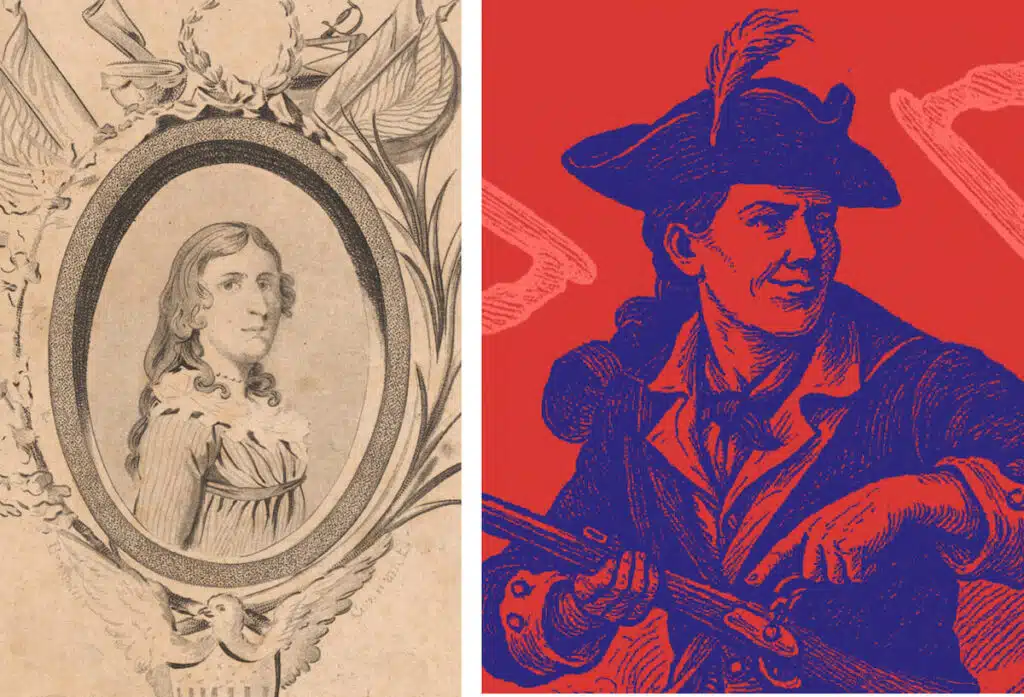
Credit: National Portrait Gallery, Smithsonian Institution (left); courtesy of Boston Lyric Opera (right)
Deborah Sampson
Boston’s Emerson Colonial Theatre is the place to catch the comic opera Daughter of the Regiment (April 24–May 3), as Boston Lyric Opera brings to life the story of a devoted canteen girl during the Napoleonic Wars. The opera evokes an even better true-life story, though—that of Plympton native Deborah Sampson, who disguised herself as a man to fight in the 4th Massachusetts Regiment. She kept her identity secret for nearly two years—even treating her own musket ball wounds with a penknife and needle and thread—before a doctor discovered her secret when she fell seriously ill with fever. Honorably discharged, she was the only woman in the Revolutionary War to earn a full military service pension, and in 1983 she was proclaimed the official Heroine of the Commonwealth. Today she is buried in Sharon, where a life-size statue of this extraordinary woman stands outside the public library.
Credit: DrHamberger/Wikimedia Commons
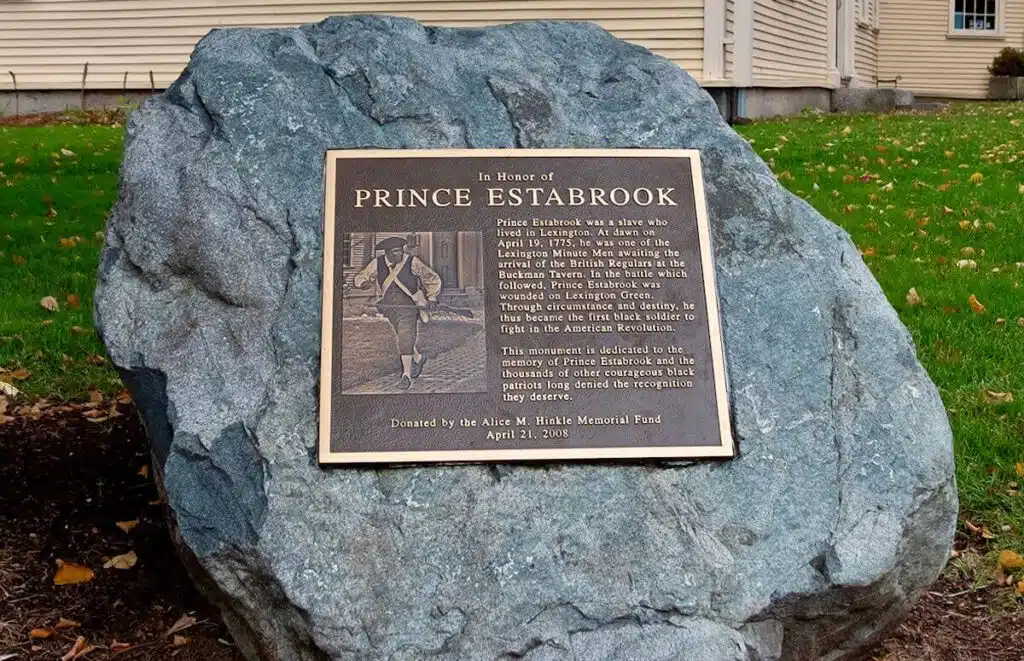
Prince Estabrook
The Lexington Battle Green is a must-stop for Revolutionary War history—but if you haven’t been there in a while, detour into the nearby Lexington Visitors Center to see the new video presentations on patriots of color, most notably Prince Estabrook. An enslaved man who eventually won his freedom, he was the first Black soldier injured in the American Revolution, having taken a musket ball to the shoulder during the Battles of Lexington and Concord. He would go on to fight with the Continental Army until the end of the war. Buried in Ashby, Prince Estabrook and his selfless service are also memorialized with a plaque near Buckman Tavern in Lexington.
Credit: New Bedford Whaling Museum
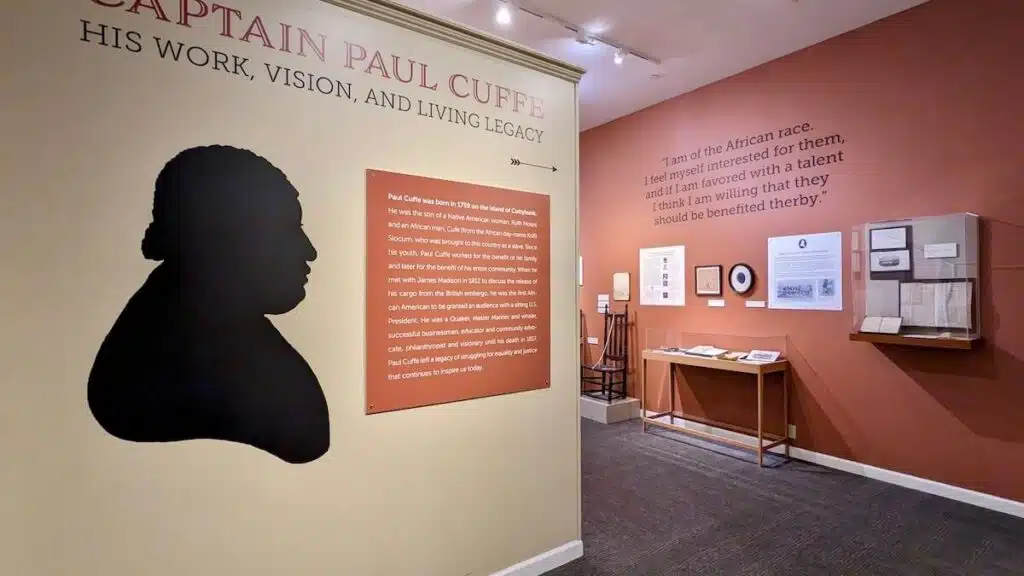
Captain Paul Cuffe
Paul Cuffe was many things: Black American and Wampanoag, merchant and sea captain, abolitionist and educator. Based on Massachusetts’s South Coast, he was also a daring figure of the Revolutionary War, repeatedly slipping through a British blockade to deliver supplies to Nantucket. Laid to rest in his hometown of Westport in 1817, this enterprising and inspiring figure lives on in a permanent exhibit at the New Bedford Whaling Museum.
Credit: John Harrison, Looking Back at Medford History Inc. (left); Caroline Talbot/Boston Tea Party Ships & Museum
Sarah Bradlee Fulton
A Dorchester native who helped organize the Daughters of Liberty and a volunteer nurse who tended the wounded of Bunker Hill, Sarah Bradlee Fulton may be best known as the “Mother of the Boston Tea Party”: She is said to have helped hatch this legendary 1773 act of colonial defiance, and it was Fulton who had the idea to have participants dress in disguise. She even did a bit of espionage, too, carrying a message from General Washington through enemy lines during the Siege of Boston. Today, the town of Medford, where she is buried, celebrates its local hero with Sarah Bradlee Fulton Day every October, and this April it proudly dedicates a full-size bronze statue of Fulton outside City Hall.
Credit: Collection of the Smithsonian National Museum of African American History and Culture
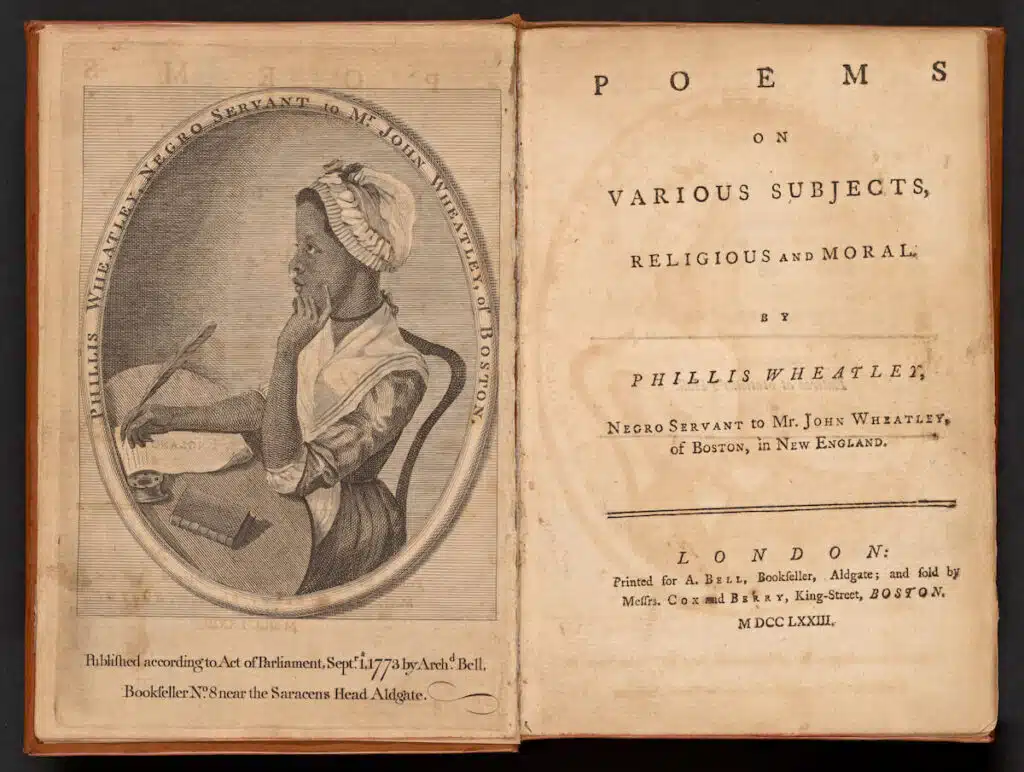
Phillis Wheatley
Born in Gambia in 1753 and enslaved as a child, Phillis Wheatley had not heard a word of English until she was seven or eight. A little more than a decade later, she had become the first African American to publish a book of poetry, and she counted George Washington among her fans. In her writings she expressed passionate support for the Patriot cause—but also, and always, freedom for all people. Along with Abigail Adams and Lucy Stone, Wheatley is featured in the Boston Women’s Memorial on the Commonwealth Avenue Mall; a first edition of her 1773 book, Poems on Various Subjects, Religious and Moral, can be seen at the Old South Meeting House, her longtime spiritual home.
Credit: American Antiquarian Society
Isaiah Thomas
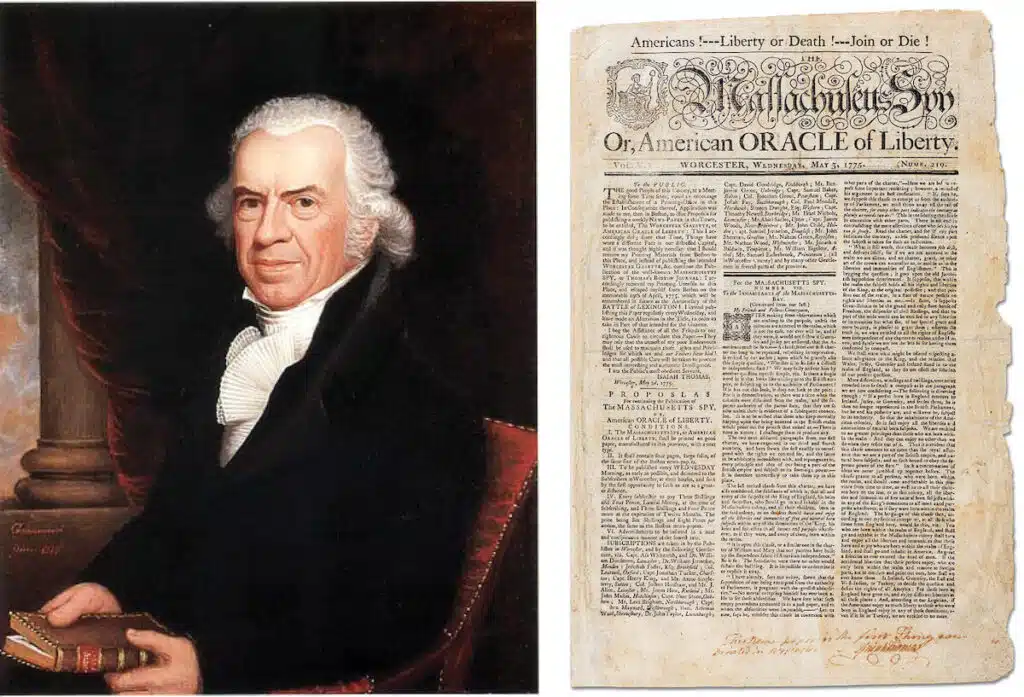
One of the most striking artifacts of the American Revolution survives today thanks to the daring of its owner, Isaiah Thomas. In the lead-up to the Revolution, as he felt the British closing in, the printer of the popular colonial newspaper The Massachusetts Spy smuggled his press from Boston to Worcester under cover of night. And it was from Worcester that Thomas published his eyewitness account of the Battles of Lexington and Concord, making him one of America’s first war correspondents. You can still see Thomas’s original press at Worcester’s American Antiquarian Society, which he founded, while Old Sturbridge Village in Sturbridge invites visitors to explore the print shop he once owned.
Credit: demerzel21/stock.adobe.com
John Glover
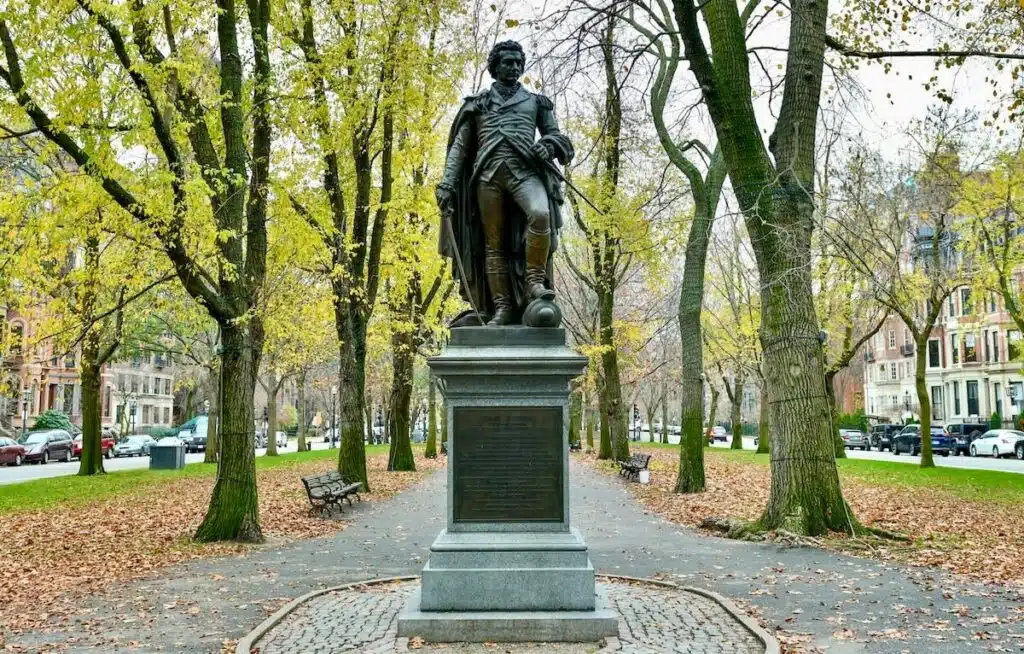
You may know the iconic Revolutionary War painting Washington Crossing the Delaware—but did you know it was a North Shore native who made that fateful river journey possible? As the leader of the Marblehead Regiment, sea captain and merchant John Glover had already helped ferry Washington’s army to safety at Long Island; now, the boating expertise of Glover and his “Marbleheaders” would help turn the tide of the war with that perilous 1776 nighttime winter crossing. Dive deeper into his story this April 29 with the lecture and performance “General John Glover: Unsung Hero of the Revolution” at the Salem Armory Visitor Center, or make plans to attend an exciting living-history event held by the Glover’s Marblehead Regiment reenactment group.
Credit: National Postal Museum
Salem Poor
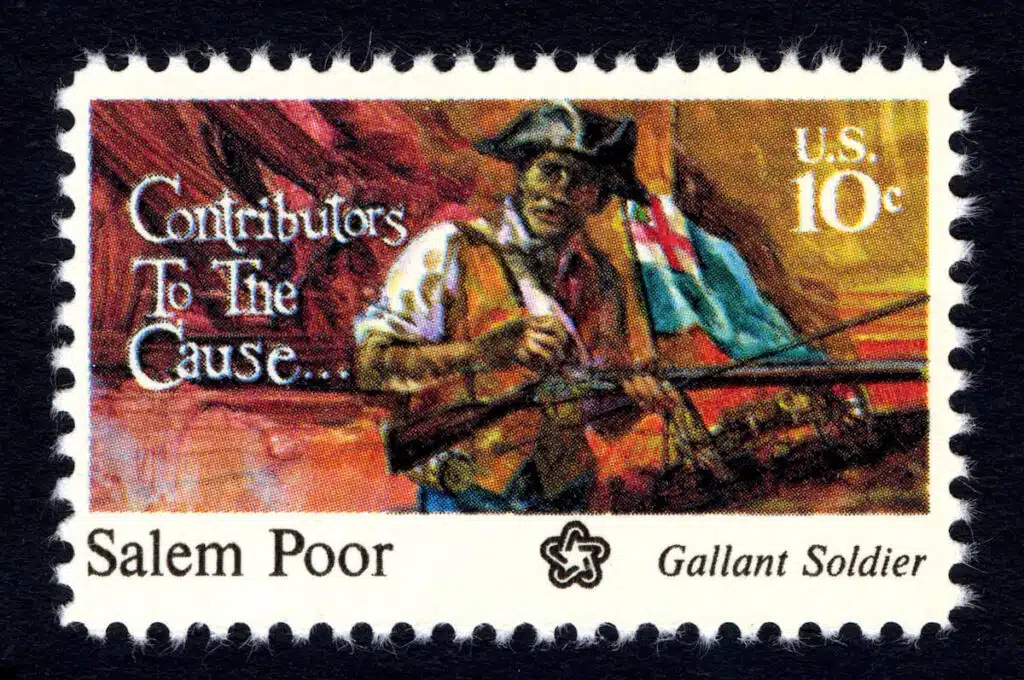
Though their efforts were ultimately in vain, the fact that no fewer than 14 officers petitioned to have Salem Poor cited for heroism is a moving testament to his Revolutionary War contributions. A resident of Andover, Poor bought his way out of slavery at age 22 and enlisted in the Massachusetts militia in 1775 as a free man. He fought at the Battle of Bunker Hill, where he is credited with fatally wounding a senior British officer as well as helping to save fellow Patriot fighters. Poor continued to serve throughout the war, joining in key battles at Saratoga, Monmouth, and Valley Forge along the way. Though his final resting place in Copp’s Hill Burying Ground is unmarked, his remarkable story comes to life as part of “Black Voices of The Revolution: Liberty, Emancipation, and the Struggle for Independence,” now at Boston’s Museum of African American History.
To learn more about Massachusetts’s revolutionary spirit, go to massachusetts250.org.