Peter Ralston’s Maine: A Life in Photographs
A career-spanning new book showcases photographer Peter Ralston’s gift and passion for going beneath the surface of his beloved Maine coast.
By Mel Allen|Oct 23 2026|

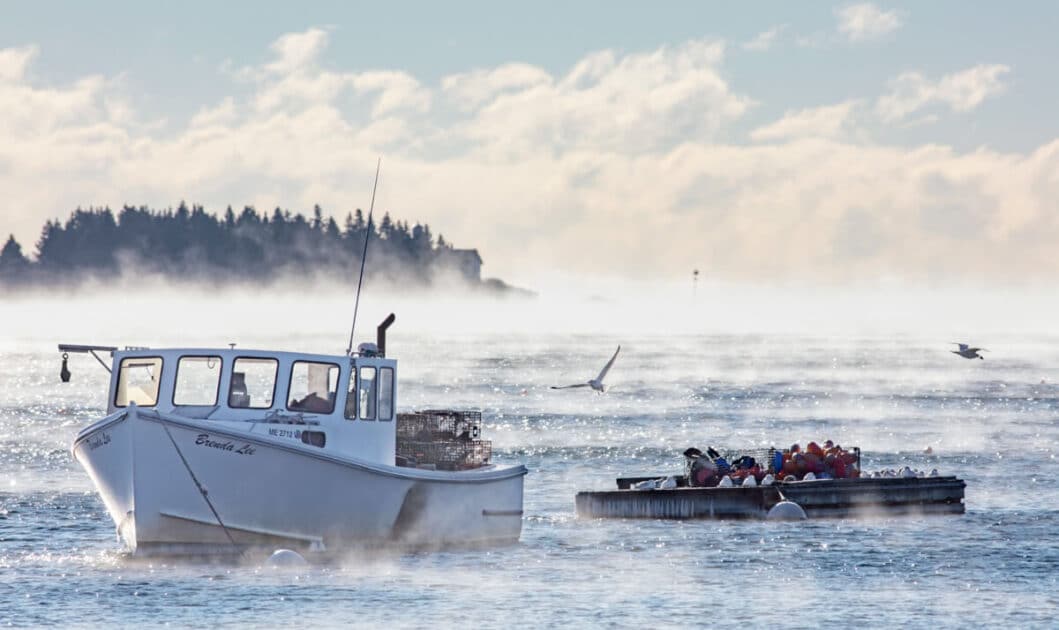
During one particular winter in Rockport Harbor—which sits just down the hill from Ralston’s gallery—this lobster boat remained all alone in the water instead of being hauled out with the rest of the fleet. Ralston doesn’t know why, but as he notes: “Every boat, every person, every life—they not only have a story, they are a story.”
Credit: Peter RalstonA career-spanning new book showcases photographer Peter Ralston’s gift and passion for going beneath the surface of his beloved Maine coast.
In the early morning of July 17 of this year, Peter Ralston came to Puritan Press in Braintree, Massachusetts, from his home in Rockport, Maine, and watched the first pages of Going Deep: Inside the Coast and Islands of Maine roll off the press and onto a table where he could hold them in his hands. Over the course of four decades, he has taken thousands of photos that show the timeless endurance of Maine’s maritime world, as well as the stark threat of that world changing as ocean waters warm. He is quick to express emotion, and if the press operators knew the story behind the pages that Ralston now held, they would understand why he would say, “I was beside myself.”
Two origin stories help to define Peter Ralston and Going Deep. The first is his lifetime bond with Andrew and Betsy Wyeth, who befriended Ralston as a boy growing up beside their home in Chadds Ford, Pennsylvania. When he became a young and ambitious commercial photographer, the Wyeths invited him in 1978 to come know their Maine. Ralston called it their greatest gift, and it was there, in Cushing, Maine, that he found a sense of belonging he had never known. They urged him to “go deep” with his craft, “to work with what you most love and best know.”
In time, Ralston moved to the Maine coast, where he became the foremost chronicler of a culture that enthralled him with its rugged beauty and powerful sense of community, where multigenerational lobstering families looked out for one another and found ways to sustain their way of life. He writes in Going Deep, “I began not just to look but also to see.”
Ralston’s first book, Sightings, comprising 20 years of his work, came out in 1997. He told friends the thing that counted most with Sightings was what Andy and Betsy thought. And, he recalls, “they said, ‘You did well.’”
But soon after, Ralston suffered two brain aneurysms and a stroke during what was expected to be a routine surgery. A hidden tumor sitting on an adrenal gland caused a medical emergency, and he lay in a near-coma while doctors tried to save his life. They thought survival would come with a steep price: He would likely be blind or paralyzed, or both. Months of recuperation followed. Gradually he grew stronger, but his photography stopped for the next six years.
Ralston’s second origin story begins with another friendship that changed his life. In 2003, a couple who summered on remote Criehaven Island and wanted to get serious about photography asked Ralston to provide them with a list of everything they would need. He did. Then they told him that what he had chosen for them, was meant to be his. It was time, they said, to get back to what he had lived for: photographing the people and places he loved. In Going Deep he writes, “Almost every image in this book owes its existence to that 2003 gift, of equipment, of faith, of encouragement.”
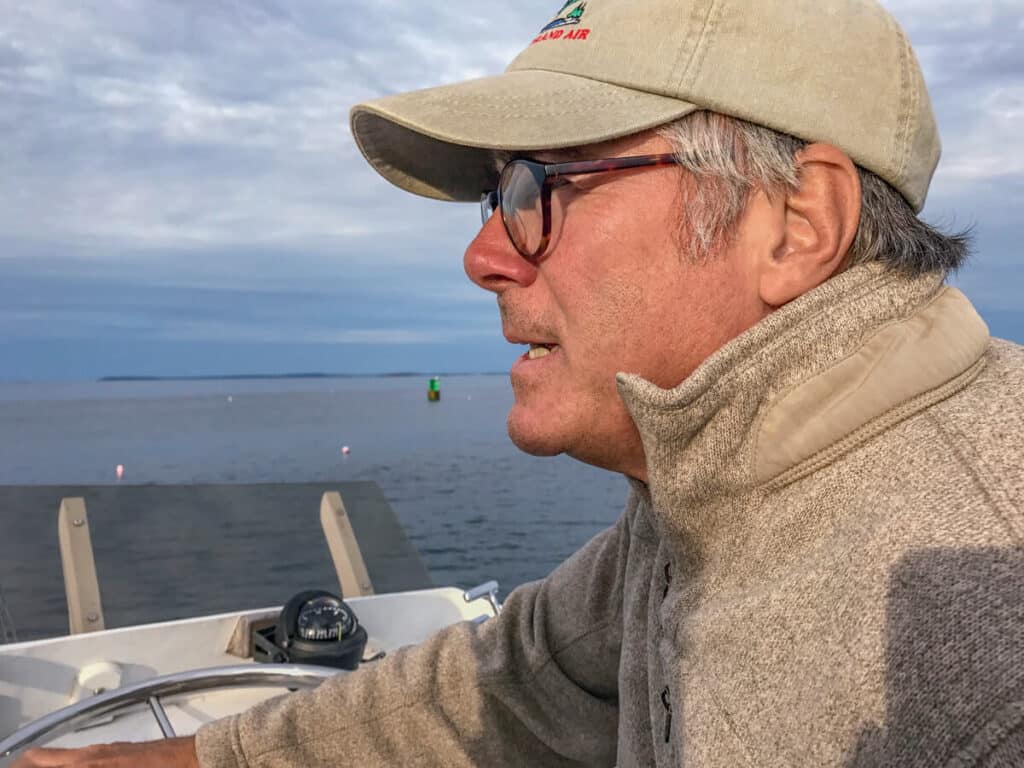
So he began. With his boat, Raven, Ralston sailed up and down the coast, plunging back into the world that had given him purpose and his art. He was the rare outsider who gained both the trust and acceptance of people who did not bestow those qualities casually. He writes, “I honor this world that has allowed me to be a part of it.”
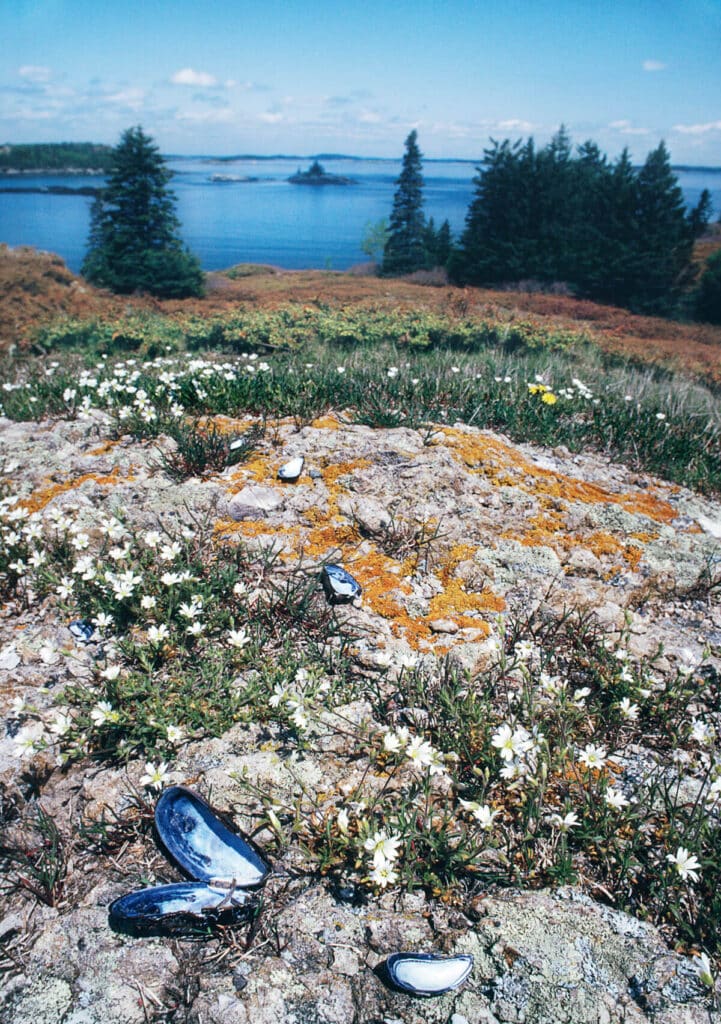
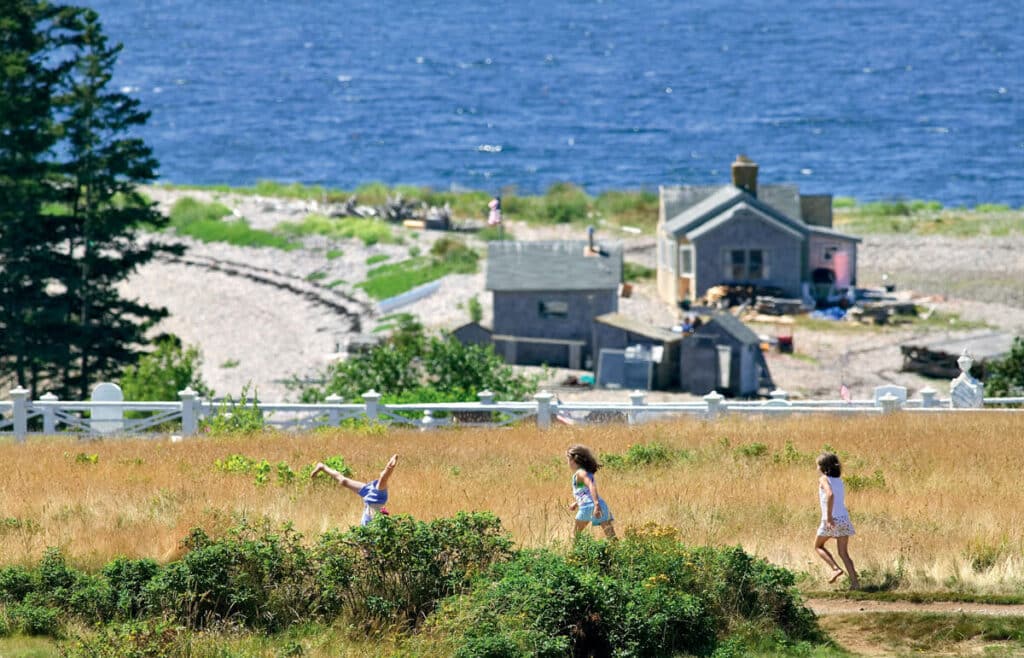
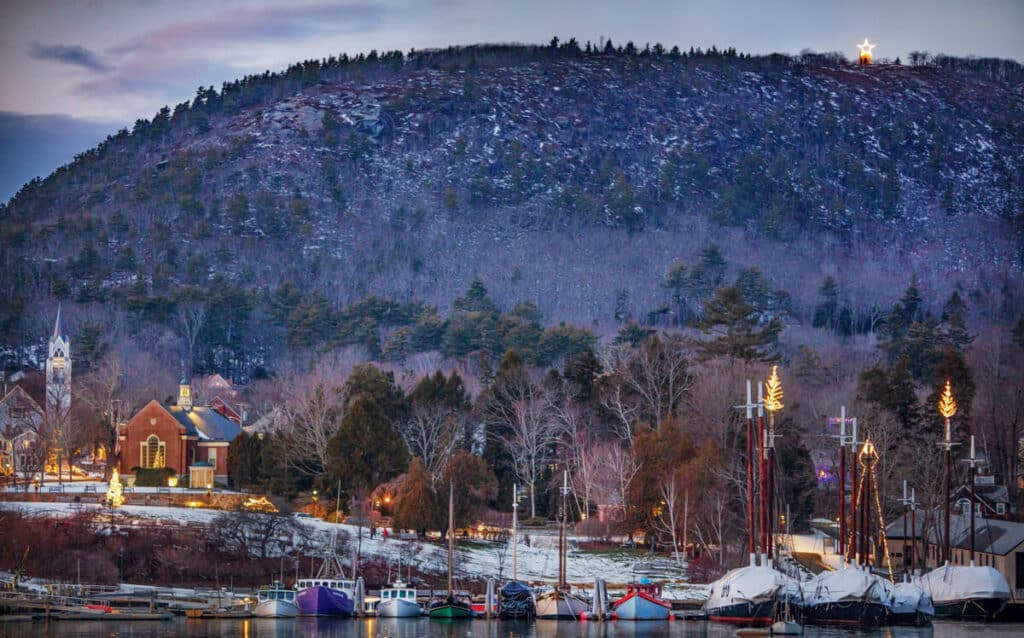
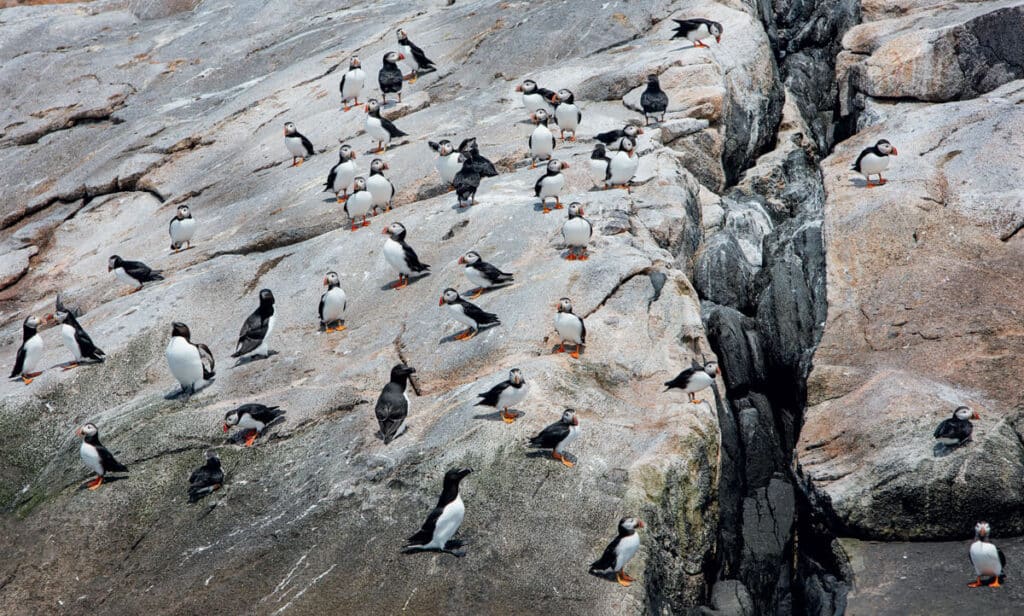
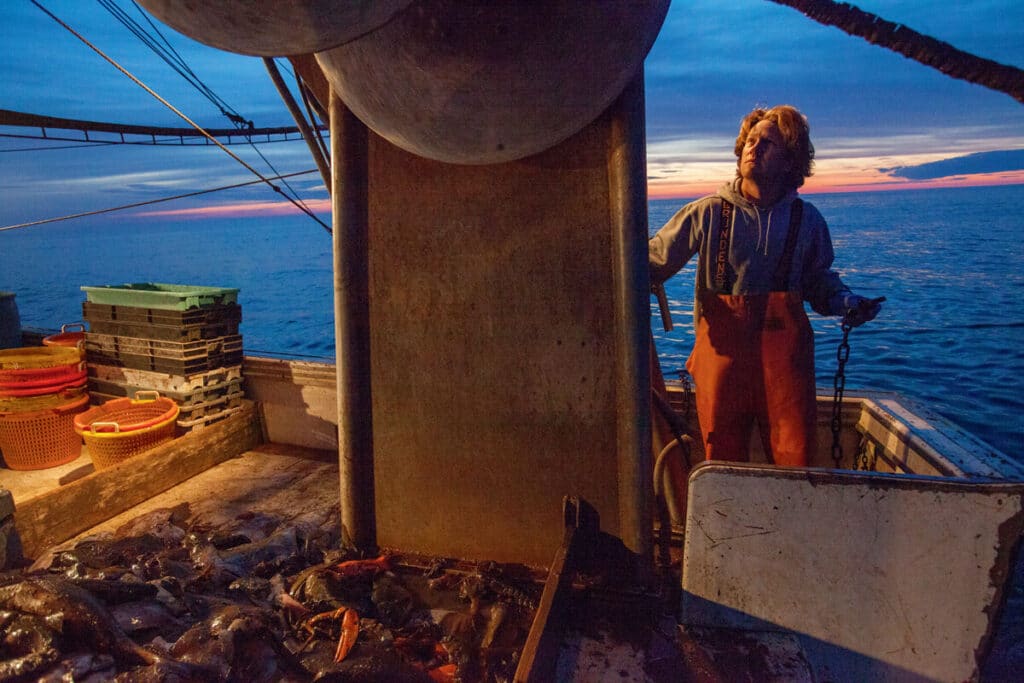
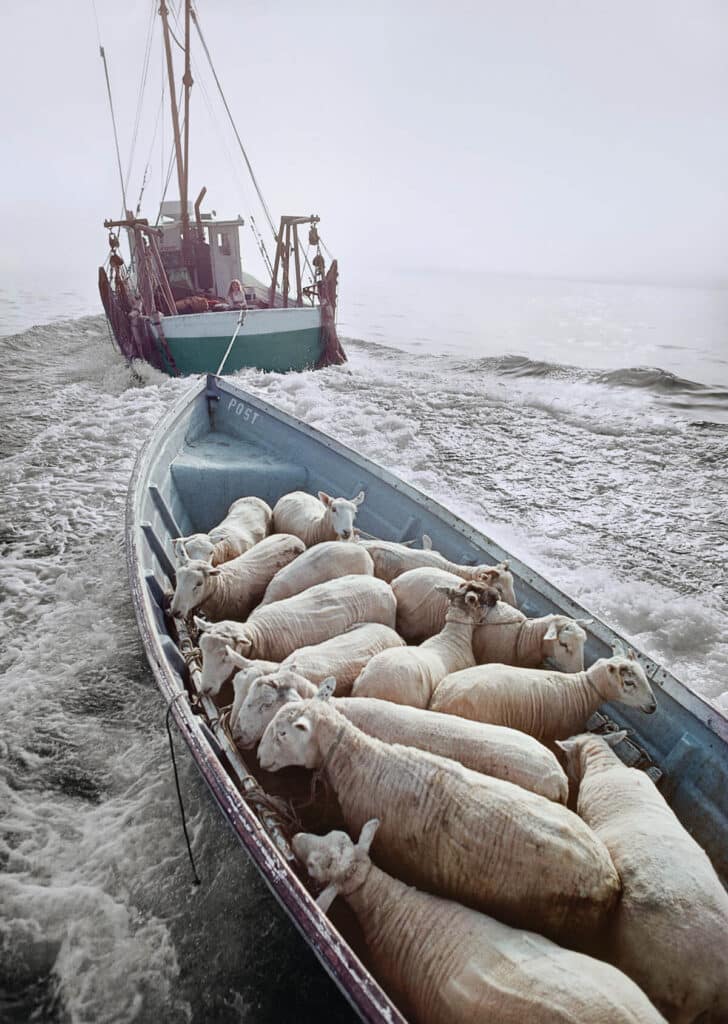
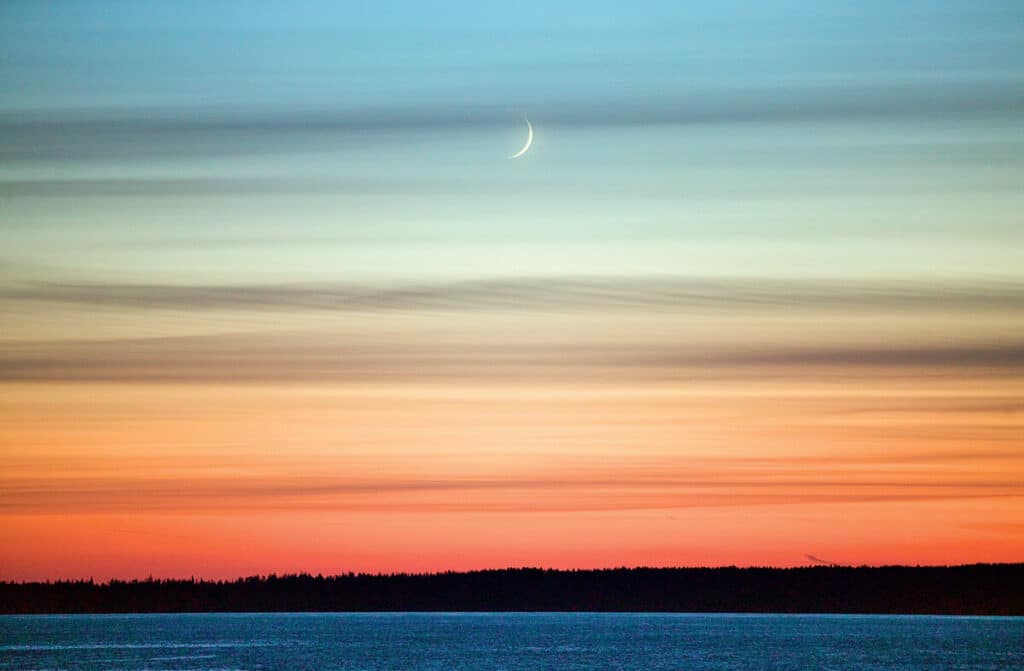
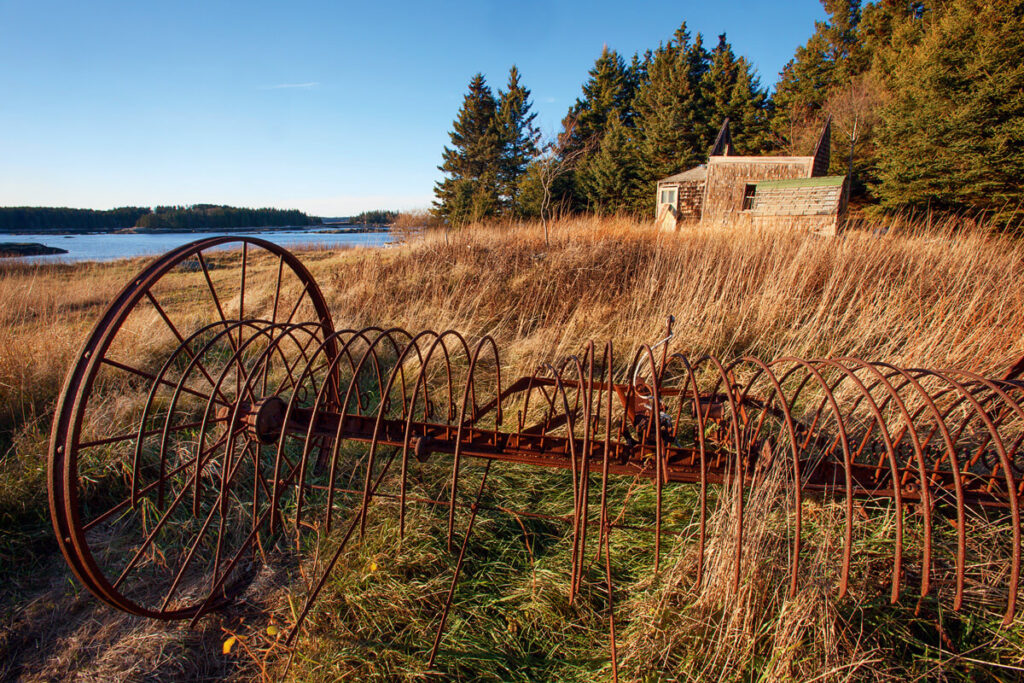
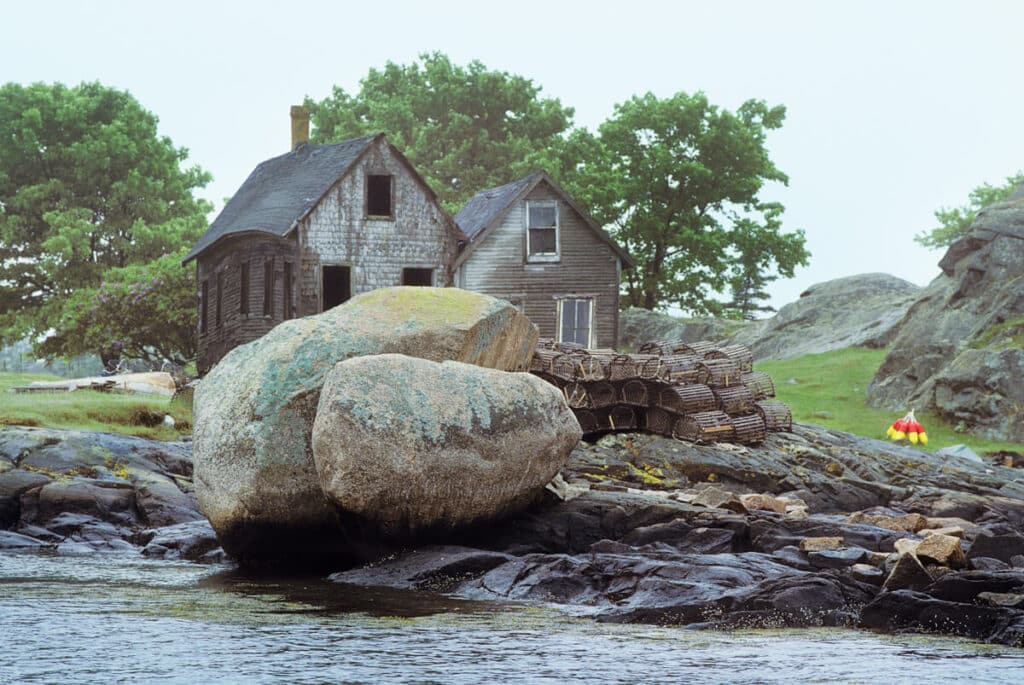
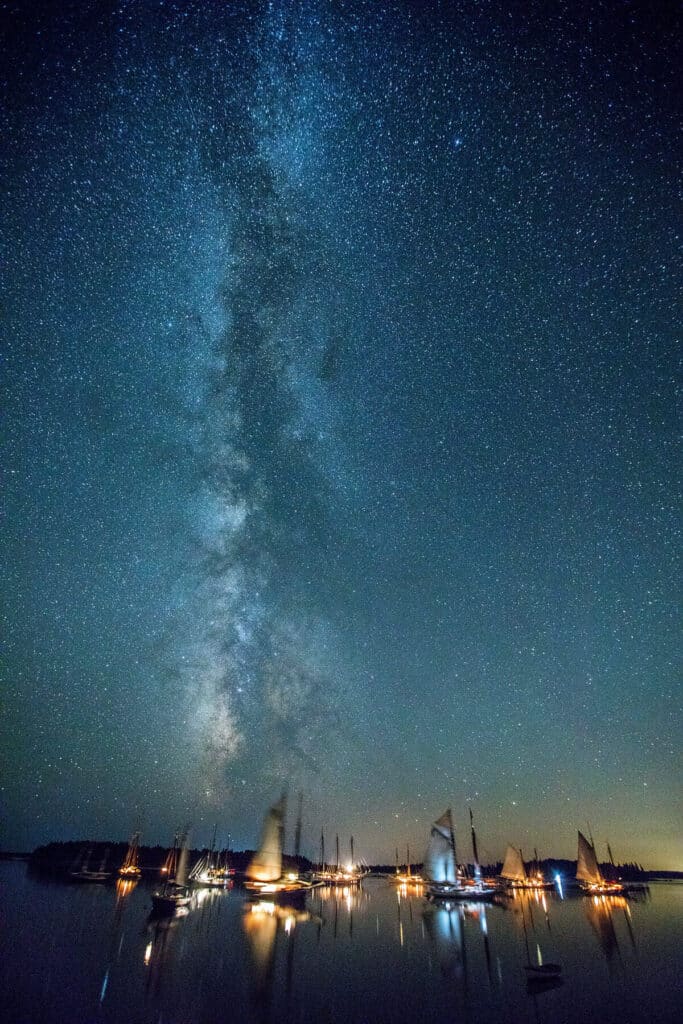
Going Deep holds 175 images, and Ralston wants people to see a story with each one. Of characters who could not live anywhere but here. Of tides and weather and light so luminous it seems to leave the page. We see harbors filled with boats and the men, women, and children who cannot imagine doing anything other than rising in the dark to head out to deep water. We see what he finds walking on rock-strewn shores and island cemeteries. We see through his lens a Maine that few will know this way.
As we spoke on the phone, he said a fogbank was rolling in. He told me his first spoken word was “light.” I could feel him growing restless to say goodbye—he wanted to dash outside, hopeful he could catch the moment of light inside the fog.
Peter Ralston’s Going Deep
Credit: Peter Ralston
Credit: Peter Ralston
Credit: Peter Ralston
Credit: Peter Ralston
Credit: Peter Ralston
Credit: Peter Ralston
Credit: Peter Ralston
Credit: Peter Ralston
Credit: Peter Ralston
Credit: Peter Ralston
Credit: Peter Ralston
This feature was originally published as “The Deep Dive” in the November/December 2026 issue of Yankee.
You may also like…
· How Andrew Wyeth Inspired Maine Photographer Peter Ralston