Boston’s Revolutionary Year: 250 Years from the Siege to the Streets
In 2026, there’s no hotter summer getaway than the city where the fires of rebellion were first stoked.
By Yankee Custom Editors|May 12 2026|

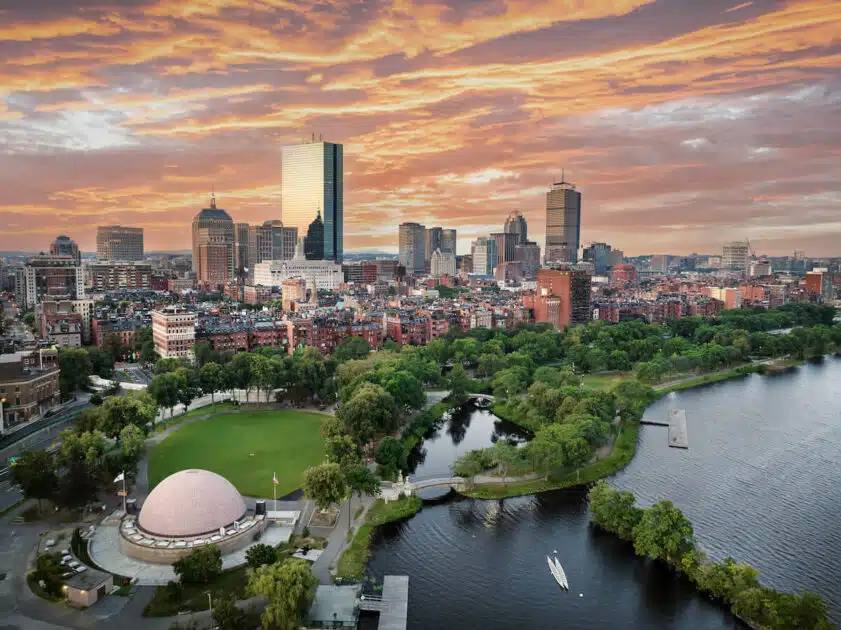
Though Boston’s beautiful modern skyline would be unrecognizable to the revolutionaries who once walked these streets, the spirit of independence can still be felt throughout New England’s largest city.
Credit: Kyle Klein/Massachusetts Office of Travel & Tourism
Sponsored by Massachusetts 250
Few American cities wear their Revolutionary history as proudly as Boston, the epicenter of Colonial resistance. It’s where the Sons of Liberty organized their protests, where tensions flared during the Boston Massacre, where a siege trapped British forces inside the city, and where rebels revolted against the Tea Act with a fitting demonstration—by tossing more than 300 chests of tea into the harbor.
This summer, the birthplace of the American Revolution is celebrating America’s 250th anniversary with experiences that bring history to life in exciting and unexpected ways. Where else can you spend the day walking historic streets, seeing original printings of the Declaration of Independence, and then heading to the waterfront to watch tall ships from around the world sail through Boston Harbor? From iconic museums and landmark sites to lively neighborhoods and harborfront events, here’s how to experience the Cradle of Liberty in the months ahead.
Credit: Sail Boston
Drop Anchor at Sail Boston
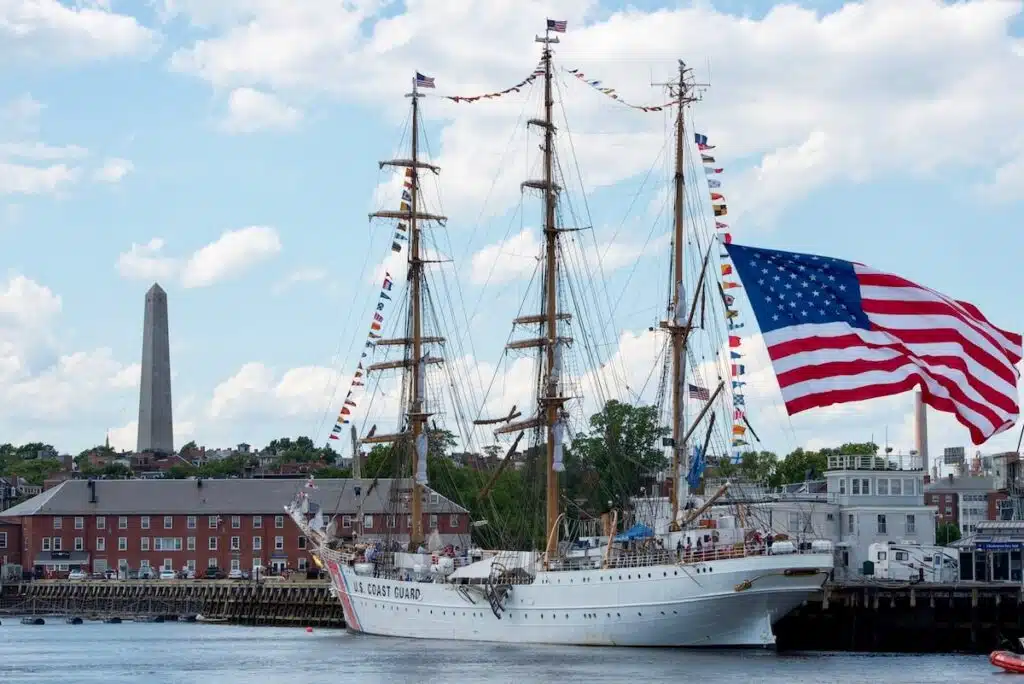
The tall ships are coming! As part of the Sail250 tour, a grand gathering of these stunning seafaring vessels along much of the eastern U.S., Sail Boston kicks off in Boston Harbor July 11–16. Traditionally rigged and towering up to 150 feet high, these 50-plus tall ships will glide along the waterfront during the Meet Boston Parade of Sail; to get the best views, set up near Christopher Columbus Waterfront Park, Long Wharf, Rowes Wharf, or anywhere along the Boston Harborwalk. Then, once the boats have settled into their berths, hop aboard for tours and a chat with crew members. For an extra dose of waterfront awe, don’t miss the fireworks Saturday and Wednesday nights.
Credit: Mel Taing
Explore the Declarations Trail
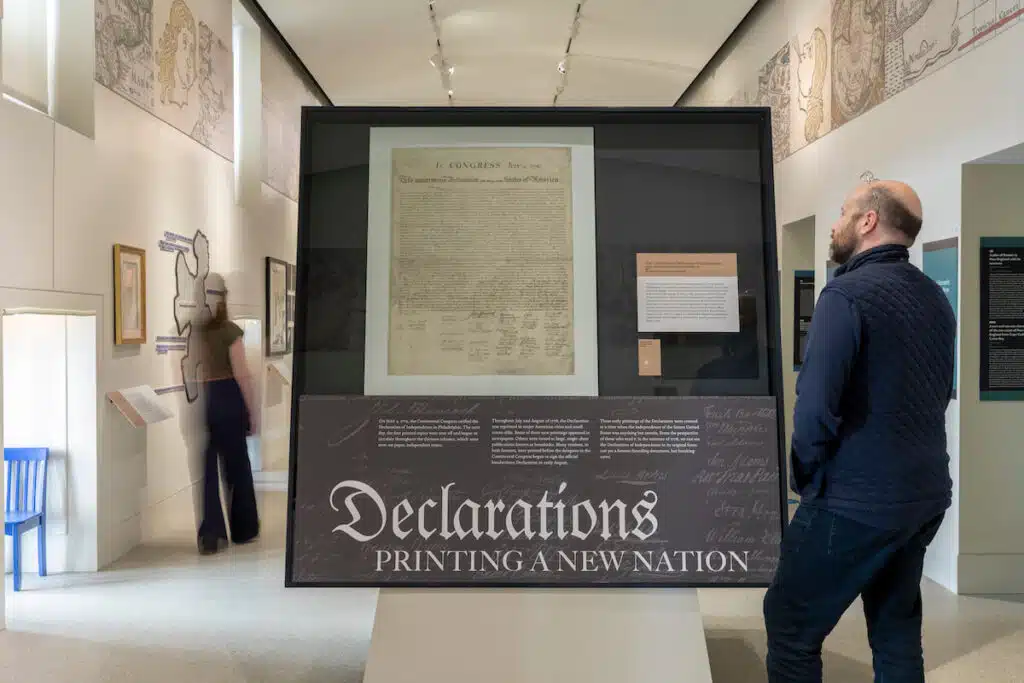
Like the ultimate American history treasure hunt, the Declarations Trail is your map to viewing more than a dozen original versions of the Declaration of Independence across Boston. The Boston Public Library exhibit “Declarations: Printing a New Nation” showcases eight rare printings, ranging from newspapers to broadsides, collected for public viewing for the first time. At the Boston Athenaeum, you’ll find early printings of the Declaration alongside items from George Washington’s own library, including his copy of Thomas Paine’s “Common Sense.” Meanwhile, John Adams and Thomas Jefferson are the stars at the Massachusetts Historical Society, whose exhibit “1776: Declaring Independence” features their handwritten copies of the Declaration alongside other priceless papers, including a rare Dunlap broadside. And across the river in Cambridge, the Harvard University Archives invites the public to peruse the posters, pamphlets, and newspapers that carried news of the Revolution to everyday people.
Credit: Kyle Klein/Massachusetts Office of Travel & Tourism
Step Back to the Battle of Bunker Hill
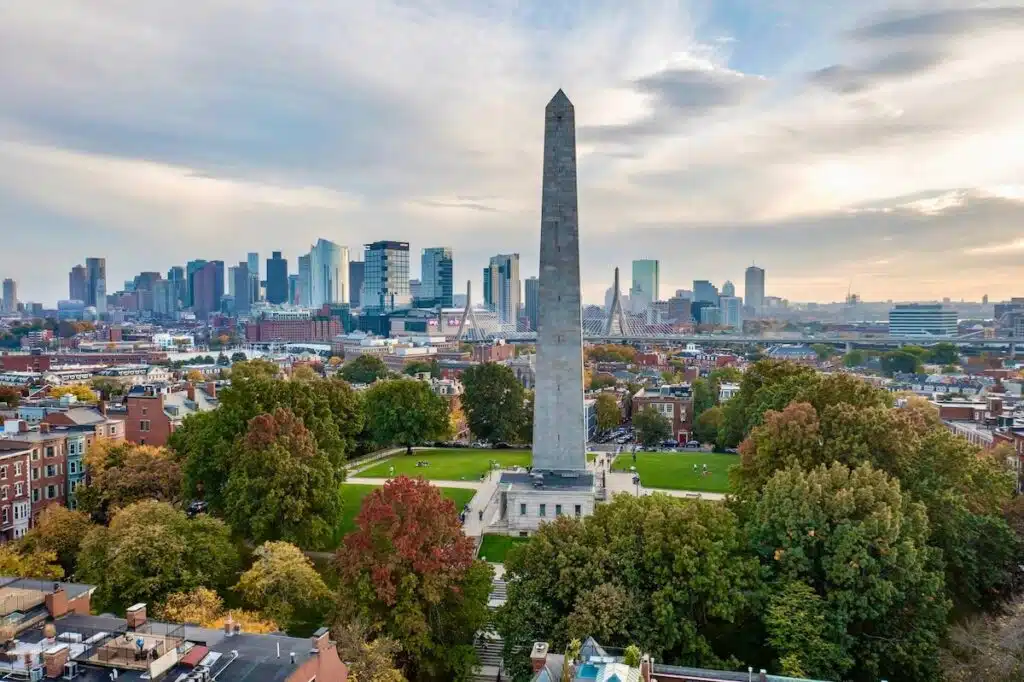
This June marks 251 years since the Revolutionary War hero Colonel William Prescott reportedly commanded his Colonial troops, “Don’t fire till you see the whites of their eyes!” at the Battle of Bunker Hill. To commemorate this historic day, Hub Town Tours has created a Battle of Bunker Hill Special Anniversary Walking Tour, a historian-guided stroll along Boston’s Freedom Trail. By digging into details of the military conflict between provincial forces and the British troops under siege in Boston in 1775, you’ll come away from this 2½-hour journey with a vivid new picture of the battle within the larger frame of the American Revolution.
Credit: Museum of African American History
Listen to “Black Voices of the Revolution”
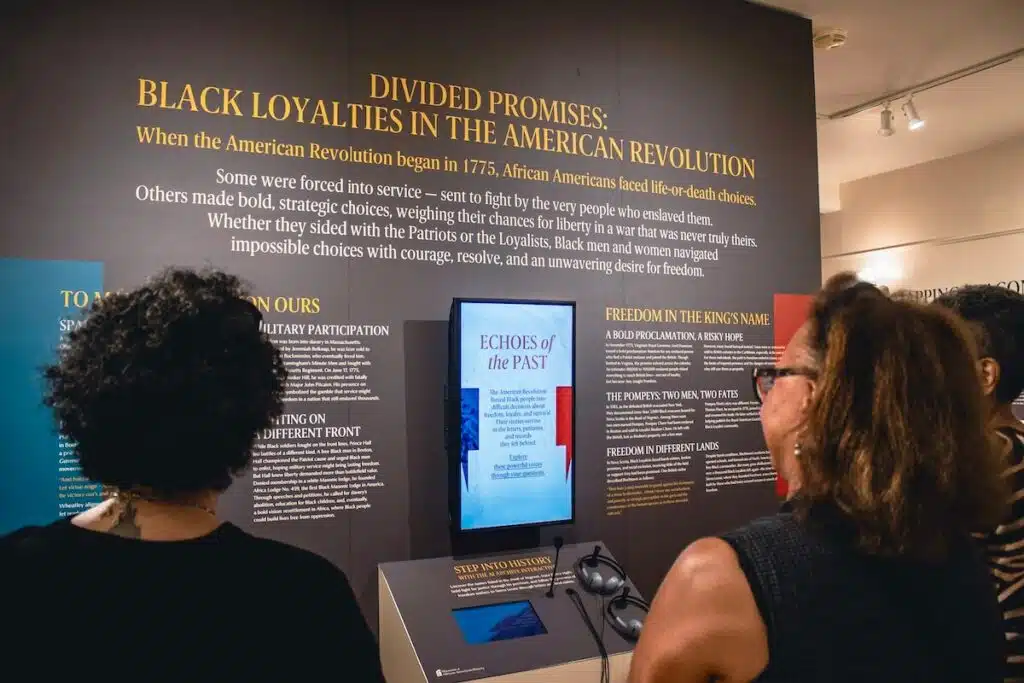
Take time to reflect on the meaning of “freedom” and “liberty” through the voices and experiences that helped shape the nation at the Museum of African American History on Beacon Hill, now featuring the exhibit “Black Voices of the Revolution: Liberty, Emancipation, and the Struggle for Independence” at its historic Abiel Smith School. Telling the stories of both enslaved and free individuals, it introduces visitors to figures such as Crispus Attucks, poet Phillis Wheatley, soldier Salem Poor, and Elizabeth Freeman, who won her freedom in a landmark court ruling. It’s a museum experience that blends the new (interactive holographic displays) with the old (highlights from the archaeological collection presented for the first time) to create a three-dimensional view of Black men and women during the Revolutionary era.
Credit: LEFT: Gift of Joseph W. Revere, William B. Revere, and Edward H.R. Revere/Photograph © Museum of Fine Arts, Boston. RIGHT: John H. and Ernestine A. Payne Fund, Otis Norcross Fund, funds donated by the Curators Circle: Black Arts and Artists, Elizabeth M. and John F. Paramino Fund in memory of John F. Paramino, Boston Sculptor, Harriet Otis Cruft Fund, and Seth K. Sweetser Fund, from the descendants of David Drake/Photograph © Museum of Fine Arts, Boston
Discover the Art of a New Nation
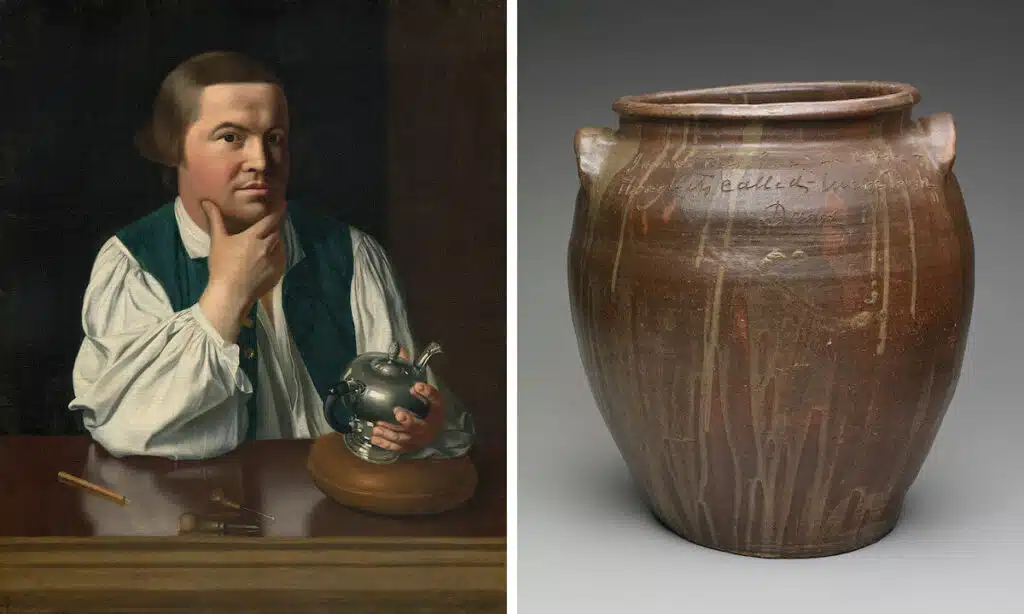
This summer, the Museum of Fine Arts Boston is unveiling its revamped 18th-century galleries in the Art of the Americas Wing. Starting June 19, you’ll be able to see many Revolutionary-era favorites (such as Gilbert Stuart’s unfinished portrait of George Washington and Paul Revere’s Sons of Liberty bowl) alongside a wide array of 18th-century art from across North, Central, and South America and the Caribbean. The goal, as the MFA puts it, is to experience a broader and more inclusive history of this pivotal era, one that goes far beyond the borders of the 13 Colonies.
Credit: Boston Harbor Now
Hop Aboard a Lighthouse Cruise
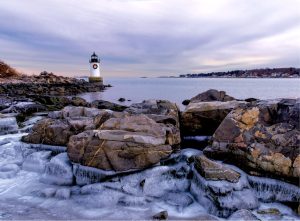
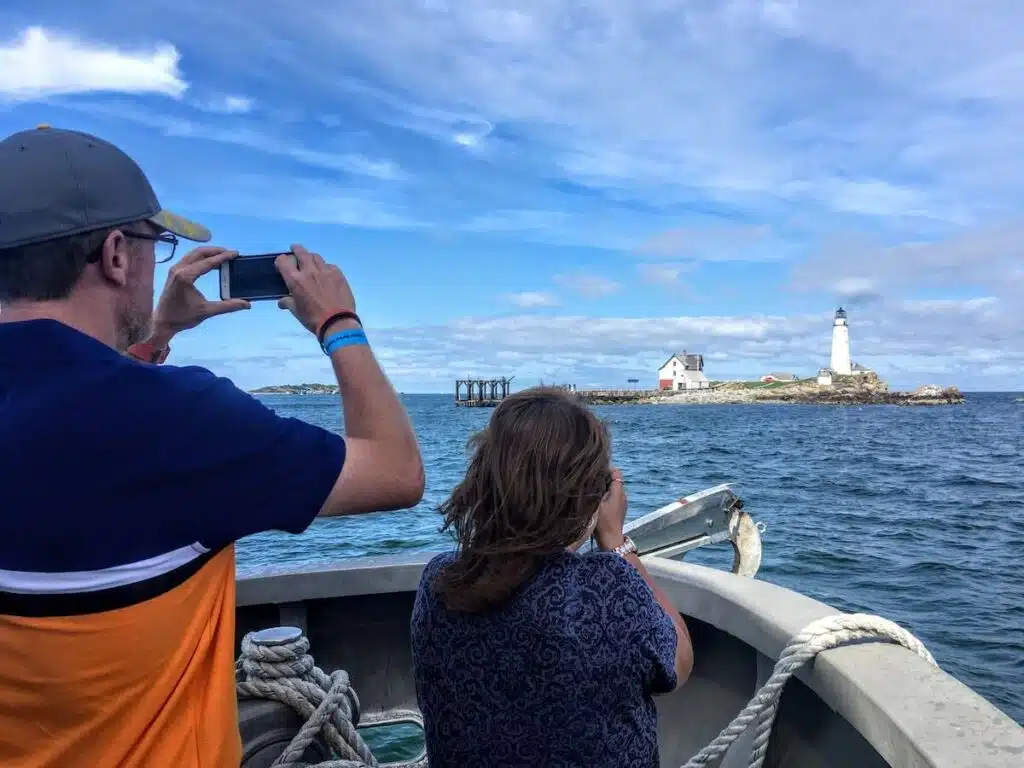
Few symbols capture the spirit of American independence quite like Boston Light, the nation’s first lighthouse, originally built in 1716 on Little Brewster Island. After being destroyed by retreating British forces in 1776, it was rebuilt seven years later and still shines over the harbor today.
On a two-hour Boston Harbor Lighthouse Cruise, offered most Fridays and Saturdays from late June through mid-September, visitors can get an up-close look at Boston Light, along with historic harbor landmarks like Long Island Head Light and Graves Light. As sea breezes roll across the harbor and the Boston skyline comes into view, guests will hear stories of the Revolutionary War, the Siege of Boston, and the pivotal role these waters played in shaping a new nation, offering a perspective on American history that simply can’t be experienced on land.
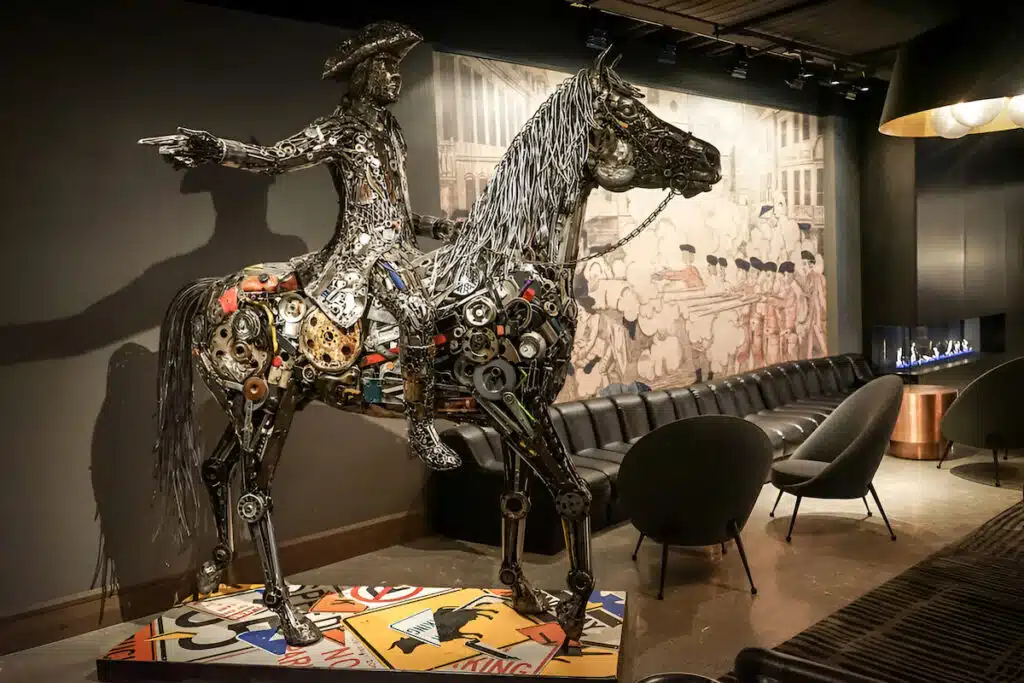
Credit: The Revere Hotel Boston Common
Plan a Revolution-Themed Weekend
Take more than a day to immerse yourself in Boston’s Revolutionary history by staying at hotels and gathering places inspired by the nation’s founding story. The Revere Hotel Boston Common, The Revolution Hotel, and The Liberty Hotel all offer visitors a stay rooted in Boston history and are located near iconic Revolutionary landmarks and the Freedom Trail. Visitors can continue the experience at historic gathering places, including The Longfellow Bar at Alden & Harlow, located on the same street as the former headquarters of George Washington during the Siege of Boston, as well as Colonial-era favorites like Bell in Hand Tavern and Union Oyster House.
Visit Massachusetts250.org to plan your next stay.