Favorite Home Hints from Yankee Magazine
Favorite Home Hints from Yankee Magazine [easy-social-share buttons=”facebook,twitter,pinterest,google,mail,print,more” sharebtn_style=”icon” counters=0 style=”icon” point_type=”simple”] Table Of Contents: How to Remove Wax Wallpaper Tips Polishing and Cleaning Metals How to Care for Wood and More… How to Remove Wax Remove Candle Wax from Fabric Did a candle drip onto your favorite tablecloth? Use these tips to remove candle […]
By Yankee Magazine|Oct 28 2016|


 Favorite Home Hints from Yankee Magazine
 Favorite Home Hints from Yankee Magazine
Table Of Contents:
How to Remove Wax Wallpaper Tips Polishing and Cleaning Metals How to Care for Wood and More…How to Remove Wax
Remove Candle Wax from Fabric
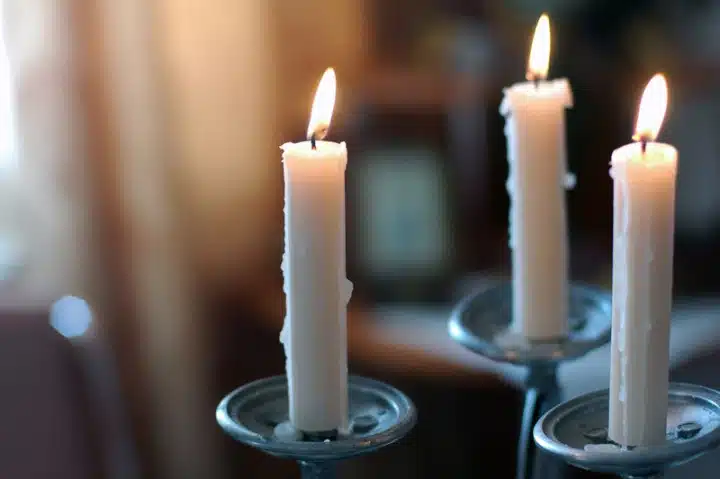
Did a candle drip onto your favorite tablecloth? Use these tips to remove candle wax from fabric.
It happens. You’re having a dinner party and fail to notice the wax from your taper candles dripping onto your tablecloth. It can be upsetting when you realize the wax has seeped into the fabric and solidified. You could try removing candle wax by scraping it off, but that can be time-consuming and may even damage the fabric. You could have it professionally cleaned, but that’s unnecessary. Save yourself the cost of laundering bills with these tips on how to remove candle wax from fabric.
Note: These tips don’t only work on tablecloths. You can also use them to remove wax from clothing.
Remove Small Candle Wax Stains
Small spots of hardened candle wax can be removed from fabric by rubbing with a generous dollop of vegetable oil. Wipe off any excess oil with paper towels, and then launder as usual.
Another way to remove small amounts of wax from a tablecloth is to put the linen in the freezer. When the wax turns brittle, remove the tablecloth and snap most of the wax right off. To remove the remaining wax from the tablecloth, spread the affected area over a large bowl and secure it with rubber bands, then pour boiling water over the wax to melt it. Follow up by washing the tablecloth as usual.
Remove Large Candle Wax Stains
To remove large candle wax stains from clothing, first scrape off the excess with a dull knife, then place the stained area between two paper towels or brown paper bags and press with an iron on a low setting. If the fabric is one you would normally iron at a very low temperature, be careful to avoid burning it while you remove the wax. In that case, simply hold the iron just above the paper and move it back and forth. It doesn’t take much heat to soften the wax and transfer it to the paper. Replace the paper towels or bags as the wax is absorbed into them, then launder when the paper no longer absorbs wax. Remove any remaining stain with a spot lifter.
Wallpaper Tips
How To Remove Wallpaper
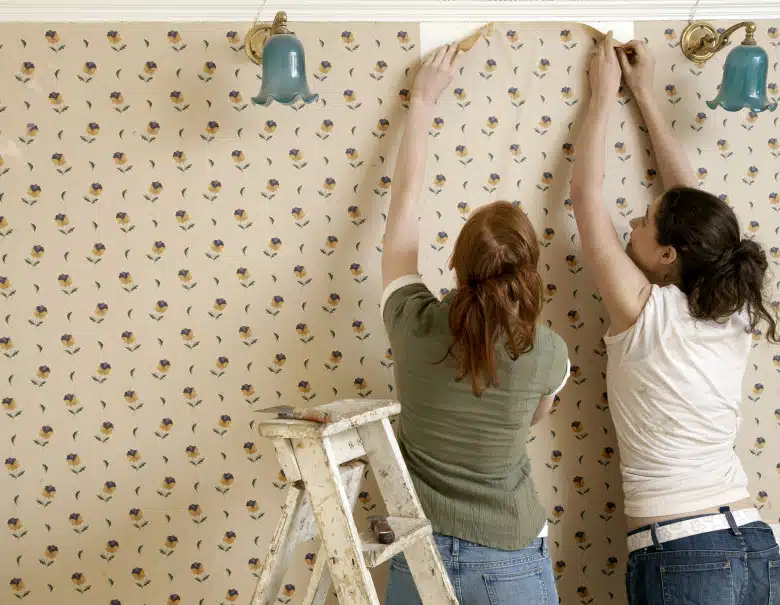
Whether your wallpaper is strippable, peel-able, or old-fashioned, our tips for how to remove wallpaper will have your walls free and clear in no time.
Is it time to redo the guest bedroom or update your kitchen décor? The process of how to remove wallpaper can seem daunting, but with these three simple methods, your walls will be paperless in no time.
How to Remove Strippable Wallpaper
If your wallpaper is newer it may be of the strippable variety. This should pull away from the wall with little trouble. Check by taking one of the bottom corners and lifting it away from the wall in an upward motion. If it comes away easily, continue to strip away the wallpaper in this manner until all the paper is completely removed.
How to Remove Peel-able Wallpaper
If you begin to pull your wallpaper away from the wall and only a thin vinyl or plastic layer comes away, you probably have peel-able wallpaper. How to remove wallpaper that is of this kind: peel the vinyl layer off completely as best you can. Then, continue with the following steps for the remaining layer of wallpaper, the layer underneath the vinyl or plastic.
How to Remove Wallpaper
Credit: ThinkstockCredit: Thinkstock
How to Remove Regular (Old-Fashioned) Wallpaper
If your wallpaper is older or the adhesive is not forgiving, then you may need to work a little harder to remove the paper. Begin by using sandpaper or a scorer to create small holes in the paper. (If the wall underneath the wallpaper is drywall, be extra careful while scraping to avoid damaging it.) In a bucket or bowl mix a solution of one part hot water and one part fabric softener. Rinse the wall with this solution focusing on one section at a time. Let the solution seep through the holes to loosen the adhesive. After 10 to 15 minutes, pull the wallpaper up, using a putty knife to help if necessary. After you have repeated this process and removed all the wall paper, mix hot water and dish detergent in a separate bowl and sponge away any remaining adhesive. Rinse the wall with clean water and pat it dry with a towel.
How To Paint Over Wallpaper
Does the thought of removing wallpaper make you cringe? Maybe you don’t have to! Learn how to paint over wallpaper with these easy to follow instructions.
One method is wallpaper removal but if you don’t want to go down that path, why not just paint over the wallpaper instead?
If your wallpaper is not of the strippable variety (the kind that easily pulls away from the wall) and was applied with a strong adhesive, it can be difficult or near impossible to remove it completely, if at all. Sometimes it’s safer for the wall underneath, and less trouble for you, to simply paint over existing wallpaper. Below we lay out the steps for how to paint over wallpaper.
How to Paint Over Wallpaper
Prepare the Wall
The first thing you must do is prepare the wall. Begin by vacuuming or wiping down the wallpaper to remove any and all dust and dirt.
Repair Damage
Check for any dings or tears in the paper and cover these with as many layers of spackle as needed. (If you are dealing with textured wall paper, spackle the entire wall to create a uniformed surface for the paint.) Next, sand down the seams of the wallpaper so that the the surface for painting is entirely smooth. This will give the final wall, once the paint has dried, a professional look.
Prevent Peeling
Use caulk where the ceiling and floor meet the wall to prevent the wallpaper from peeling up after you paint. As tempting as it is to skip these steps, it is important that the preparation of the wall be taken seriously in order to ensure an eye-pleasing final product and to ensure that you don’t create more work for yourself in the future.
Paint the Paper
Now that the wall is ready for painting, apply an oil-based primer (a water-based primer is not recommend as it may loosen the wallpaper). The primer will help to seal the paper and reinforce its adhesive. Once the primer is completely dry, your wall is ready to receive its first coat of oil-based paint. You may begin painting over the wallpaper. Use as many coats of paint as you see fit, though at least two is probably best.
You now know how to paint over wallpaper. Happy painting!
How to Use Maps as Wallpaper
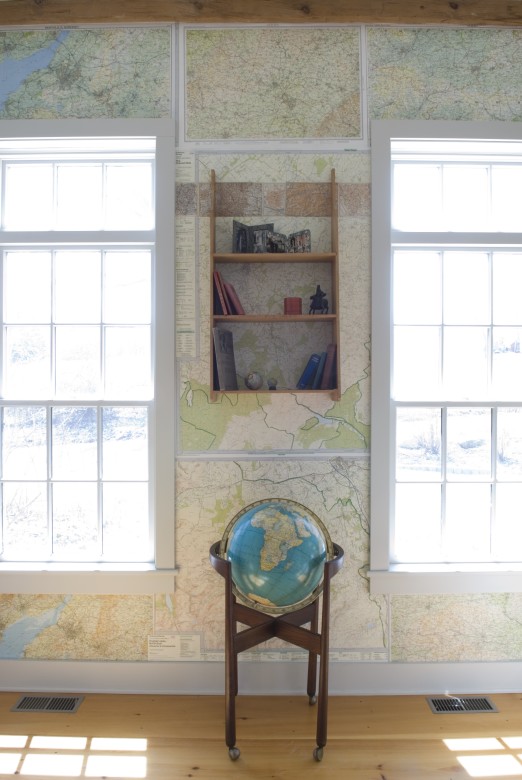
Decorating with antique maps is a wonderful way to display your favorite destinations in your home. Here’s how to use maps as wallpaper. It’s easier than you think!
Use Maps as Wallpaper
Credit: John GruenCredit: John Gruen
How to Use Maps as Wallpaper
Here’s how we used maps as wallpaper.
First, hang the maps with pushpins. Then apply glue to the backs of the topographical maps. (We recommend Roman’s Ultra Pro-880, a clear adhesive with “a lot of tack.”) For thinner paper, dilute the glue to the consistency of maple syrup and coat the walls with it to avoid dissolving fragile antique paper. Since diluted glue dries fast, first prepare the walls with sizing, a material that makes it easier to hang and position wallpaper.
Use a damp sponge and a natural-bristle brush to remove bubbles and smooth the surface once the maps are placed on the walls. We don’t advise using a $5 brush from the hardware store, because its coarseness can damage the paper. We use a top-of-the-line $50 brush, but homeowners don’t have to invest that much; a China-bristle paintbrush is a good alternative.
After letting the walls dry for several weeks, seal the surface with water-based Faux Effects’ AquaGard.
Polishing and Cleaning Metals
How to Polish Pewter
Learn how to tell the difference between different types of pewter, how to polish pewter, and more.
Before we delve into the methods for how to polish pewter, it is important to know two things:
- Never use silver polish on pewter.
- Know the type of pewter you have, as this will determine the best way to care for it.
There are three types of pewter.
Polished pewter is very shiny and smooth.
Satin pewter is not as shiny as polished pewter, and has a more grainy texture.
Oxidized pewter is the darkest type of pewter, and often looks very old. Here’s how to polish each type.
How to Polish Polished Pewter
For polished pewter, use a solution of warm water and dishwashing liquid to gently remove any dirt from the pewter piece, then rinse it carefully and dry it with a soft cloth. You can also use a mixture of one cup of vinegar and half a cup of flour to clean polished pewter. Rub the mixture on the piece and let it sit for 20-30 minutes before rinsing and drying it.
To polish, boil linseed oil and mix it with rottenstone (can be purchased at your local hardware store). Continue to add rottenstone to the oil until the mixture becomes thick. Let the mixture cool. In circular motions, rub the mixture into the pewter until you achieve the desired level of shine.
How to Polish Satin Pewter
For satin pewter, use a solution of warm water and dishwashing liquid to gently remove any dirt from the pewter piece. Rinse it carefully and dry it with a soft cloth. Again, you may also use the vinegar and flour mixture with a dash of salt to clean satin pewter. Rub the mixture on the piece and let it sit for 20-30 minutes before rinsing and drying it. Always rub along the grain when cleaning satin pewter, not in a circular motion, to avoid any unnecessary scratching.
You should only polish satin pewter every few years, and often a simple buff with fine steel wool rubbed gently along the grain will suffice.
How to Polish Oxidized Pewter
Wondering how to polish pewter of the oxidized variety? The answer is simple: don’t polish it. Oxidized pewter does not need to be polished. Polishing it runs the risk of removing the dark layer for which this type of pewter is known, devaluing the piece. To keep oxidized pewter looking its best, you should gently wash it with warm water and dishwashing detergent, then rinse and towel dry.
Now that you know how to polish pewter and your pieces are looking shiny and new, don’t forget to spend some time cleaning and polishing the rest of your collection!
Homemade Silver Cleaner
Can’t find anything to take tarnish off silver. Follow these instructions to mix up homemade silver cleaner that uses common household staples and contains no harsh chemicals.
Earl Proulx had a simple solution for practically everything — including household chores. A woman once wrote to him asking how to clean a sterling silver spoon she had left soaking in bleach, causing it to turn “black as an ace of spades.” She’d tried cleaning it with silver polish, but with no luck. He suggested she try the electrolyte method, and gave her instructions to make a homemade silver cleaner that’s easy, uses common household staples, and doesn’t require gloves or messy chemicals. She wrote again to tell him how well the method worked for her. Before she tried it, she thought the spoon was ruined.
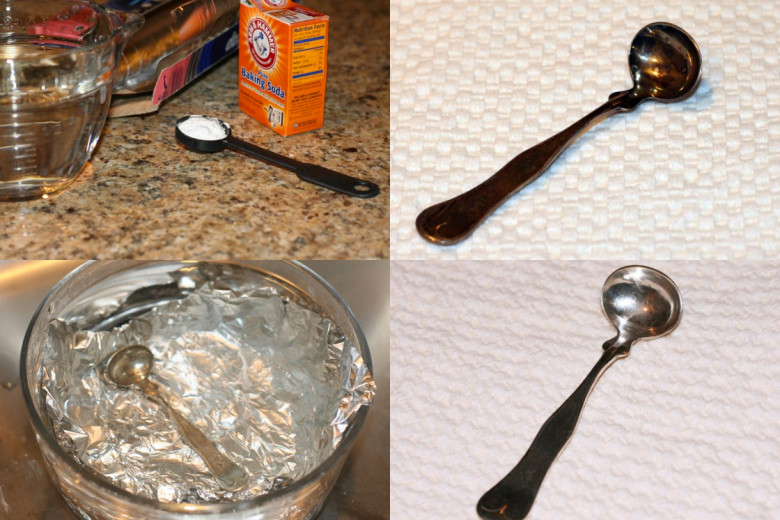
Note: This method should be used as a last resort. The electromagnetic reaction that removes the tarnish may also remove the patina, leaving the silver looking flat. Do not use this method for cleaning silver on pieces that have a raised design or on cemented pieces. For help with cleaning valuable pieces of silver, we suggest contacting a silversmith.
Tips for Polishing Silverware
Want to keep your silver in tip-top shape? The best way to clean silver is to use and clean it regularly, but if you only use your silverware twice a year, follow these helpful silver polishing tips from the editors of Yankee Magazine.
- If using silver regularly, try this method to clean it. After each use, simply wash it with a mild dishwashing liquid, rinse and buff dry with a soft cloth. Every time you polish silver, you wear off a fine layer of the metal, so polish only when you have to, and do it as gently as you can.
- Remove egg stains from silver by rubbing on salt with your fingertips, then washing in dishwashing liquid and rinsing well before buffing the piece dry. Don’t skip the washing and rinsing stages, or you’ll get new stains from the salt.
- Always use cotton gloves—not rubber ones—when polishing silver. Rubber can make silver tarnish faster, and the gloves will leave fingerprints that are hard to remove. In fact, contact with rubber can cause damage only a silversmith can repair.
- Never put a rubber band around a piece of silver. Over time, it will leave a brown stain that will be nearly impossible to remove.
- Drain your freshly washed silver on paper or cloth towels—never on rubber mats, which will make the pieces tarnish faster.
- When you store your silver, make sure the drawer is lined with a cotton, flannel or felt mat, not a rubber one that could promote tarnish.
These May Be Hazardous to Your Silver
- Check the label to make sure the soap you use to clean your silver doesn’t contain phosphorus or sulfur compounds, as these will cause staining.
- Be sure to wash silver immediately after it’s come in contact with eggs, Brussels sprouts, vinegar or salt. All of these foods contain sulfur compounds, which cause silver to tarnish.
- If you live in an area with hard water (water that contains a lot of minerals), use distilled water to clean your silver. Hard water may leave mineral deposits that can cause pitting.
- Avoid letting your silver come in contact with mustard, mayonnaise or plastic wrap. At best, they’ll tarnish the silver; at worst, they’ll pit it beyond repair.
Old-Fashioned Ways to Clean Brass
Have your brass objects become tarnished or dull-looking? Use these old-fashioned methods to clean brass.
Earl Proulx received a lot of letters after he ran a tip in his “Plain Talk” column in Yankee Magazine about cleaning a dishwasher with powdered fruit juice mix—some supporting the idea and others opposing it. One letter was from a man in the Navy. He cleaned with powdered juice mix all the time. In fact, he wrote, they didn’t use anything fancy to clean brass aboard his ship. Instead they cleaned all their brass with powdered or canned fruit juice.
Old-Fashioned Ways to Clean Brass
You can clean brass by rubbing on Worcestershire sauce or ketchup with a damp cloth.
Another alternative for shining brass is to boil onions in water and use the cooled water to polish these metals.
To make an inexpensive brass cleaner, mix equal parts salt and flour with enough vinegar to make a thick paste. Rub on vigorously with a damp cloth. Then wash, rinse, and dry thoroughly.
Mix 1 tablespoon of salt and 2 tablespoons of vinegar in 1 pint of water. Heat until warm, then apply as above.
Small brass objects can be cleaned with a little toothpaste (not the gel type). Apply it with a soft, damp cloth or toothbrush, then rinse and dry.
To remove tarnish from brass, dip a lemon slice or rind in a little salt and rub it on the object. Then clean and dry with paper towels.
Add a little ammonia to a soap-and-water solution to clean these metals. Apply with a soft paintbrush or rag, then rinse and wipe dry.
Editor’s Note: Using old-fashioned methods can sometimes dull the brass finish. If this happens, polish with water in which onions have been boiled, or with Worcestershire sauce (a pungent sauce made of soy, vinegar, and garlic) and then rub with olive oil to protect the shine. Always consult an expert when trying to clean valuable pieces.
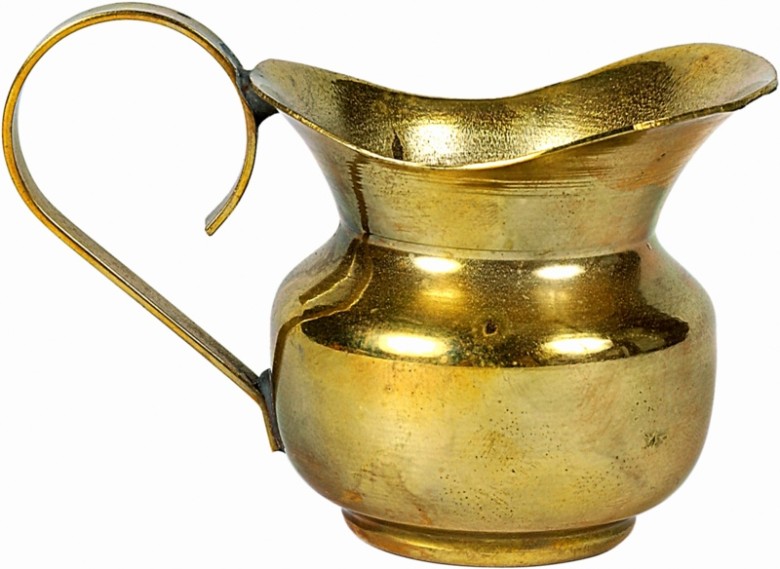
How to Care for Wood
How-to Clean and Repair Wood Floors
Learn how to clean and repair wood floors in your home to keep them looking their best.
Hardwood offers a lot of value in terms of durability and aesthetics. Learn how to clean and repair wood floors to keep them looking their best.
Stop Floors from Squeaking
Before doing anything drastic to squeaky floorboards (like replacing them), try sweeping some talcum powder into the joints between the boards. That may ease the rubbing that’s causing the noise.
If the squeaky boards happen to be over the cellar, quieting them may be as simple as driving a wooden shingle between the boards and the floor joist. Sometimes that simple step will keep the boards from moving and will thus eliminate the squeak.
Clean Blackened Floors
If your floors are old, grimy or blackened, you may be able to save them. Try stripping them of their finish, then scrubbing them with a stiff-bristled brush and repeated doses of extremely hot water and ammonia (an ounce or two per gallon of water). When they’re treated this way, floors may reveal a pleasing color and grain and provide you with years more of service.
Another way to attack an accumulation of dirt or grime on old wood floors is with a combination of 1 gallon of extremely hot water and a few ounces of TSP (available at most hardware stores) or another product that contains trisodium phosphate.
Remove Scuff Marks from Wood Floors
If shoes leave scuff marks on your wood floor, don’t waste time or money searching for commercial cleaning products. Instead, just grab a pencil and use the eraser to eliminate the marks lickety-split.
Remove Sap from Wood Floors
You love the fresh evergreen scent that a live Christmas tree brings to the house but not the sap it leaves on the living room floor. Luckily, there is a quick, easy, and inexpensive way to get rid of it. Apply a little vegetable shortening to a cloth and rub it on the sap. Then wipe the area with a paper towel. The sap should come right off. If you don’t have any vegetable shortening, dampen a cloth with a little rubbing alcohol and try that for sap removal. (Don’t try this on carpet.)
How to Clean Wood Furniture
Learn how to clean wood furniture with our tried-and-true cleaning tips. They’ll help you remove everything from dirt to crayon marks.
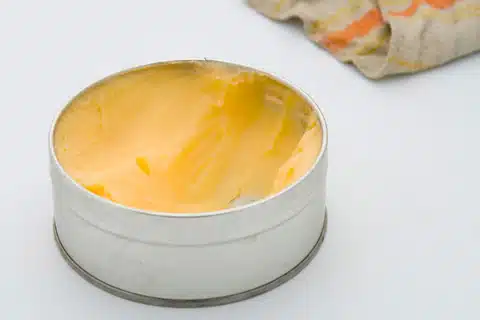
Clean Wood Furniture with Wax or Varnish Finish
If your wooden furniture has a finish such as wax or varnish, clean it every few months with lemon oil (which is actually scented mineral oil). Slightly moisten a rag such as a soft T-shirt or an old cloth diaper with water, then add a little oil. Rub the rag over the furniture to pick up dust. Buff the surface well so that you leave a minimum of residue.
Freshen up Old Paint
If you like the paint on an old piece of furniture but it appears a bit worn (and you don’t want to repaint or refinish the piece), rub a little mineral oil into it. This will get rid of caked-on dust and brighten up the color. An alternative way to clean a painted piece is to wash it with mild dishwashing liquid.
Remove Wax from Hinges
To remove wax buildup from hinges, try scrubbing them with a small steel wool soap pad. (Be careful not to scrape the adjoining wood.) Wipe the hinges clean with a damp cloth.
Prevent Chairs from Scratching Floor
If your wooden chairs are in a room with a waxed floor, wax the bottoms of the chairs’ feet so that they slide easily along the floor. This protects both the chair and the floor.
Remove Candle Wax
To get candle wax off your wooden tabletop, gently scrape or peel up as much as you can get without gouging the wood. Then use a hand-held hair dryer to soften the wax that’s left. Hold the dryer several inches away from the wax so that the wax doesn’t heat up too much. (Otherwise it will actually adhere to the wood.) Once the wax is soft, blot it with a paper towel. Repeat if necessary.
You can also use an iron to remove candle wax from wooden furniture. Again, gently scrape as much wax as you can from the wood. Then place three or four layers of paper towels or brown paper bags on top of the remaining wax. Hold a hot iron over the layers of paper, but don’t touch the iron to the paper (the heat could burn right through the finish on the wood). As the wax melts, the paper will absorb it. Repeat if necessary.
Remove Tablecloth Adhered to Table
Rub a liberal amount of mayonnaise over flannel that has come off the back of a tablecloth or table pad and stuck to your tabletop. Let the mayonnaise sink in for about an hour, then wipe up the muck with a clean paper or cloth towel.
Erase Crayon Marks
To remove crayon marks from your wooden furniture, rub mayonnaise into the affected area. Let it soak in for a few minutes, then rub the area clean with a damp cloth.
You can also use dry laundry starch (available at supermarkets) to clean wood furniture of crayon marks. Mix the starch with water according to the package instructions. Apply the mixture with a paintbrush and let it dry. Wipe the area clean with a dry cloth.
Refinishing Wood Furniture
Don’t throw out that old dresser just because it’s seen better days. Breathe new life into it with our tips on refinishing wood furniture.
If you want to extend the life of a dreary-looking piece of wooden furniture and you’re sure it needs more than just cleaning, your next step should be to refinish it. Stripping furniture isn’t complicated or expensive, but it is messy and time-consuming. Follow along with these steps to learn about refinishing wood furniture in your own home.
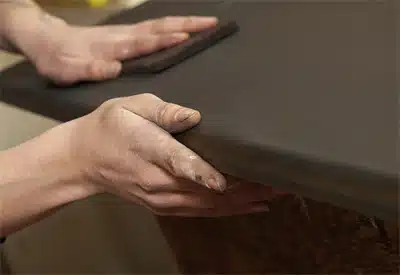
How to Remove Finish from Wood Furniture
Stripping and refinishing wood furniture in a clean, well-ventilated place (perhaps a garage) is the best way to minimize the accumulation of dust and fumes. Cover the floor with drop cloths. Wearing protective gloves, brush on the furniture stripper and let the piece sit. After the stripper has softened the old finish, scrape the finish with a wooden scraper. (Don’t use metal, which might gouge the wood.) Use a soft brass brush on crevices. Then reapply the stripper and repeat the process until all the old finish is gone. Rinse the whole thing down with a mixture of TSP or another product containing trisodium phosphate and water, rubbing with extra-fine-grade steel wool. (You can get the protective gloves, furniture stripper, brass brush and TSP at a hardware store.)
Use Sawdust to Absorb Chemicals
Sprinkle sawdust on your furniture piece just after you’ve rinsed it down with TSP or another product containing trisodium phosphate. In fact, use as much as you need to soak up the water and chemicals. Then brush or wipe off the muck immediately so that the sawdust doesn’t dry and cake on the wood. Let your furniture dry, scrape with a cabinet scraper and then sand the wood (always sanding with the grain) until it is smooth. (This is when you will be able to remove any discolorations that have worked their way into the wood.)
Repair Before Refinishing Wood Furniture
If your piece of furniture needs repairs as well as refinishing, make the repairs after stripping and before refinishing. Also after stripping and before refinishing, check to be sure the joints are tight. Stripping can melt glue and thus cause joints to loosen. If that happens, be sure to tighten the joints before proceeding with the refinishing.
Maintain Natural Finish
Once you strip your piece of furniture, you may decide that you prefer the beauty of bare wood rather than stain. If that’s the case, use a brush to apply eight or nine thin coats of tung oil (available at hardware stores) to build up a finish that is impervious to water and alcohol stains.
Apply Stain to Furniture in Thin Coats
If you are uncertain about what color stain to use, go light. You can always add stain to darken the color of your wood, but it’s almost impossible to lighten a dark color. When you apply the stain, you’ll have greater control over its hue if you wipe off the excess immediately and then continue to apply thin coats, wiping the excess off each time.
Stain Both Sides of Furniture
If you need to stain both sides of a piece of wood and want to save time by doing the second side before the first dries, just tip the piece gently against a wall or another support so that only the edge of the wood is touching. This will prevent blotches or smears from ruining one stained side while you do the other.
Varnish Furniture After Staining
After staining a piece of furniture, brush on a coat of varnish. Let the varnish dry, then sand the piece with fine-grit sandpaper. Repeat the process until you have three or four coats. Use thin coats of varnish, and sand progressively more with each coat to bring down “high” areas and fill in “low” areas. The sanding will even out the surface, making it smoother.
Get a Smooth Finish
For a smooth surface on your refinished piece, sand the last coat of varnish with wet 600-grit wet-or-dry sandpaper. Then make a muddy mixture of 3/4 cup of pumice, a squeeze of lampblack (it comes in a tube) and enough paraffin oil to make the mix soupy. (All these products are available at paint and hardware stores.) Brush the stuff on with an old toothbrush or, for wider areas like tabletops, a small floor brush. Use long, continuous strokes. Immediately clean up behind your strokes with rags. The lampblack will hide any white grit in the crevices. Switch to a clean rag for a final pass over the furniture to make sure you wipe off any residue. Then buff with the high-quality polish or wax of your choice.
Buff for a Glossy Finish
If you want a glassy “mirror” finish—say, for a tabletop—coat the surface with furniture wax or shoe wax and rub it in with a car buffer.
Get Scratches out of Wood | Practical DIY Advice
Over the course of time, furniture that gets a lot of use starts to show wear. Before you strip it down to refinish it—or worse—get rid of it, try these quick fixes to cover up small scratches and imperfections.
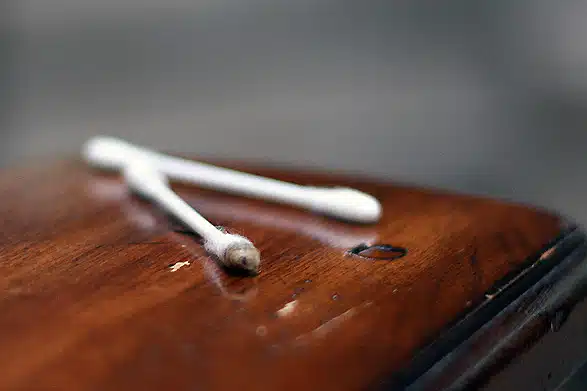
Repair Scratches in Wood with Tea
Scratches in wood can make a piece of furniture look junky, even if it is an expensive heirloom. Fortunately, repairing scratches is as easy as brewing a cup of tea. Place a tea bag (use black tea, not herbal or green tea) in a mug and spoon a few tablespoons of hot water onto the bag. Let it steep for 2 to 3 minutes. The longer the tea steeps, the darker it will be, so gauge steeping time to match the shade of the furniture that needs a fix. Dab the tea onto the scratches with a cotton swab, and then quickly wipe away the excess with a paper towel to prevent the wood around the scratches from being stained. If the wood is a medium-dark color, you may need to apply the tea more than once.
Repair Scratches in Wood with Iodine
Uh-oh. Someone just left a big scratch in your favorite dark-wood coffee table. Don’t spend your hard-earned money hiring a professional refinisher. First aid for a scratch in dark wood is just like first aid for a scratched finger: Break out the iodine. Use a cotton swab to apply the iodine to the scratch. Use a paper towel to wipe away the excess so it doesn’t stain the wood around the scratch.
Rub Out Surface Scratches
You can rub out surface scratches in your wooden furniture with a paste made of mineral oil and pumice (available in powder form at hardware and paint stores). Use extra-fine-grade steel wool to rub the mixture into the scratched area. Then wipe it off and buff with a dry cloth.
Cover-Up Scratches
Sometimes you can cover up a furniture scratch rather than actually removing it. Choose a wax crayon that matches the color of the finish on your scratched furniture. Color in the scratch, and then rub the spot with your finger to blend the crayon with the finish. Another way to hide scratches is to cover them with an oil-based craft or artist’s paint (from a tube).
Choose a color that’s darker than the finish on the furniture. Rub a little into the scratch, and the scratch will appear to blend in with the finish. (This will not work on furniture with a polyurethane finish.)
Blend Scratches with Paint
To hide scratches in varnished wooden furniture, apply watercolor paint to the affected area, using an artist’s brush. Once a scratch is concealed, fill it in with varnish.
Another solution for a scratch mark in wood is to “paint” the scratch with a brown felt-tipped marker. When the ink dries, cover the spot with wax or varnish.
Cover Scratches with Instant Coffee
If your scratched wooden furniture has a dark stain, use instant coffee to cover the scratch. Make a thick paste of the coffee granules and water, then rub the paste into the scratch.
Fill the Scratch with Walnut Meat
Use the oil from a walnut to conceal a surface scratch in wooden furniture. Crack the walnut and rub a piece of the walnut meat into the scratch. Polish the area with a soft rag, and the scratch should become invisible.
Polish Off Scuffs and Minor Scratches
To freshen up wooden furniture that is scuffed or scratched, sand the damaged areas lightly with extra-fine-grade steel wool. Then apply one of the oil-based colored furniture polishes available at hardware stores. Allow the polish to dry completely (so that the oil can soak into the damaged area). If necessary, sand again lightly with the steel wool to feather in or soften the color.
Remove White Rings from Wood | Repair Stains, Dents & Rings
It’s inevitable. Someone carelessly set a glass on a table in your living room, and the moisture has left a white ring in the wood finish. What doesn’t have to be inevitable is a time-consuming trip to the hardware store for a commercial concoction to repair the damage. Instead, moisten a paper towel with mayonnaise and rub it into the spot until the white ring disappears. Then wipe with a clean paper towel to blot up any excess oil.
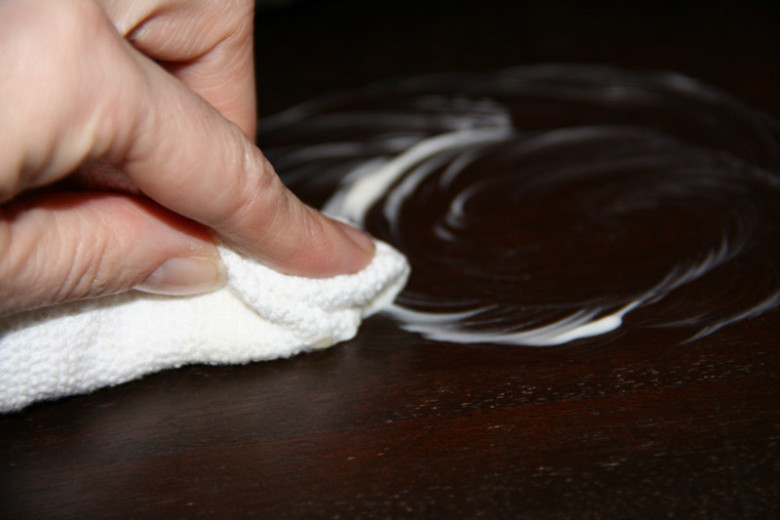
You can also dip a piece of extra-fine-grade steel wool in mineral oil. Rub the steel wool back and forth over the stain-always rubbing with the grain of the wood-to distribute the oil liberally. By doing this, you will actually remove the finish in the area that has whitened. The soft abrasion of the steel wool will polish the revealed surface while removing the spot, concealing the fact that the area is now unfinished. You may want to follow up by applying a paste wax and buffing the spot.
If a white ring is small and does not appear too deep in the wood finish, use your finger to gently rub toothpaste into it, then wipe the area clean. (Don’t use the gel type; you need the abrasive effect of the toothpaste.)
Another way to remove white rings from wood furniture is to apply baking soda to them with a damp cloth, then wipe off the soda.
Remove Water Marks from Oak Furniture
Paint remover and a bleach solution can do a good job of taking out the dark, gray-black stains that appear on oak furniture as a result of either direct exposure to water or prolonged exposure to water vapor (such as from a humidifier). First apply paint remover to lift off the finish. Then mix up a solution of equal parts household (5 percent) bleach and water. Apply the solution to the stain with a brush (if the stain is large) or a clean rag (if the stain is small). Use the bleach solution on the stained area only, being careful not to let it bleed onto the good wood.
Remove Stains from Leather
You’ve already spent a small fortune on that leather chair, so the last thing you want to do is pay dearly to have it cleaned. Lucky for you, there’s a shamelessly simple tool you can use to make minor spills and stains on leather upholstery disappear: an art gum eraser. (If you don’t have one, you can buy one anywhere stationery supplies are sold.) Just give smudges and stains a rub with the eraser, and they should vanish.
Remove Dents from Tabletop
You dropped a heavy object on a wooden tabletop, and it left a dent. You can fix it immediately by pouring a little water on the dent. The water will swell the wood fibers, which will make the dent less noticeable. For a permanent fix, use an iron to remove the dent. Dampen a cotton towel and lay it on top of the dent. Then place a warm iron set to medium heat on top of the towel. Don’t allow the iron to touch the wood directly. The combination of heat and steam will act to pull up the dent. Apply the iron for only a few minutes at a time, as the moist heat will affect the undamaged wood as well. Let the surface of the wood cool between treatments and repeat as needed until the dent disappears.
…and More
Sweeping Tips for the Kitchen Floor
Sweeping a tile or linoleum kitchen floor can be a dust-swirling proposition, particularly if you’ve had a recent baking spree or beachgoers have descended on you with sandy feet. Instead of struggling to suck up every last grain of flour or sand with the vacuum, do a better job with a plain old broom. These sweeping tips come from Housewifery: A Manual and Text Book of Practical Housekeeping (1919), by Lydia Balderston. She recommends “dustless sweeping” by “moistening the broom and shaking out all the water before sweeping.” This technique takes a little experimentation to get right, however, because if the broom is too wet, the dust or grit will get gooey and stick to the floor.
An even better alternative for non-hardwood floors: Use a spray bottle to sprinkle a section of newspaper with water until it’s lightly damp and “then tear into bits and scatter over the floor; it need not be over the whole floor, but here and there in small quantities” before sweeping. The damp paper will keep the dust or flour from swirling into the air. You can just sweep the newspaper into the dustpan and throw it away.
Easy Ways to Clean Shower Curtains
Wash the Shower Curtain
Squirting and scrubbing a filmy shower curtain can take a lot of time, but there’s a faster way to remove pesky soap scum. Just pull it down off its rings and toss it in the washer with a few towels, which will do the scrubbing for you. Stop the washer before the spin cycle and hang the curtain back in place to drip-dry.
Use Fabric Softener to Clean the Shower Curtain
If you don’t want to go to the trouble of removing the curtain from the rod, look in your laundry room to find a fabulous shower curtain cleaner, says Judy Brown. Fabric softener will clean up soap residue in a jiffy. Dab some liquid fabric softener on a cleaning cloth and wipe down your plastic or vinyl shower curtain. Or put a couple of teaspoons of fabric softener in a spray bottle and fill the bottle with warm water. Squirt the shower curtain all over with the solution and wipe. Rinse with the shower hose. If you don’t have a shower hose, remove the curtain from the rod and take it outside-you can use your garden hose to rinse it. Still another alternative: Use fabric softener sheets to attack that soap scum. Just dampen a sheet, wipe the curtain, and rinse. This also works well on shower doors. It even works with sheets you’ve already used in the dryer.
Get Rid of Musty Odors with Cat Litter, Newspapers & Charcoal
Here are some of the best ways to get rid of musty odors using common household items like cat litter, newspapers, and charcoal briquettes.
Do anything you can to dry out that musty basement or closet to get rid of musty odors: Open the doors and windows wide, take bureaus and drawers outside into the sun, leave a closet light on for a few days or place an electric fan on the floor for added circulation. Anything you can do to dry out the space is time well spent. A few precautions now will ward off everything from mildew to insect infestations. Here are some of the best ways to remove the smell of must and mildew.

Get Rid of Musty Odors with Cat Litter
- Get rid of musty odors in drawers, closets or rooms by placing a small container of scented cat litter in the affected area. Replace the litter every few days until the odor is gone.
- Relatively small items with musty odors should be placed in plastic bags with cat litter. Seal the bags tightly and with tape or clothespins and let them sit for a few days. Then dump out the litter and repeat if necessary.
- To get rid of a musty odor in upholstered furniture, spray a deodorant or sprinkle cat litter over the piece. Let it sit for a while, then vacuum. Repeat if necessary.
Use Newspapers to Get Rid of Musty Odors
- Rid books of musty odor by filling a large brown bag with crumpled newspaper, putting the books in the bag, and sealing it tight. Leave the books in the bag for a day or so, then repeat the treatment daily until the odor is gone.
- One way to rid a suitcase of musty odors is to fill it with crumpled newspaper, then close it up. Change the paper every 2 or 3 days until the odor is gone.
Use Charcoal Briquettes to Get Rid of Musty Odors
- To prevent musty odors from developing in a closed cottage, place pans of charcoal briquettes in several rooms. The charcoal will absorb moisture. You can burn the briquettes in your barbecue later.
- To reduce mustiness and moisture in closets, place a few charcoal briquettes in a shallow pan on the floor. Replace the charcoal every few months to keep the closet fresh.
How to Clean and Store Bedding
Bedding is expensive, but you can protect your investment by keeping it in tip-top shape. Follow these tips on how to clean and store bedding to keep it looking its best.
Prevent Dyes in Bedding from Bleeding
Keep the dyes in a new quilt or other bedding from bleeding by soaking it in a mixture of washing soda and water. You can get washing soda from large grocery stores. If you haven’t any handy, soak the quilt for about two hours in a large washbasin or clean bathtub in a mixture of cold water and 3 to 4 cups of salt. Rinse the quilt well. To dry it, lay it flat outdoors, preferably out of the sun, on a dry day.
Clean Bedding Without Washing It
Before you put a quilt through the stress of cleaning, try the less wearing approach of simply vacuuming off the dust every four months or so. Use the lowest setting on your vacuum cleaner and fit it with the small brush attachment. It’s a good idea to wrap a piece of cheesecloth or old panty hose around the end of the hose to prevent small, loose pieces from getting sucked in.
Spot Clean White Bedding
To clean a spot on a white section of bedding, mix up a paste of cream of tartar and all-fabric bleach. Put a dab of paste on the spot and allow it to set. After it dries to a powder, brush it off.
Brighten Bedding
Brighten bedding that has yellowed with age by soaking it for an hour or so in a solution of 1 tablespoon of sodium perborate and 1 gallon of lukewarm water. Sodium perborate is a mild bleaching agent. Its effervescent action gently penetrates and cleans the fabric. Ask a pharmacist for sodium perborate (you shouldn’t need a prescription). Rinse the quilt by dunking it in clean water (in the bathtub), then dry it flat outside on a dry day.
Store Bedding
Store bedding in white cotton king-size pillowcases, which allow them to breathe. If you store textiles in plastic bags, they’re more susceptible to mold, mildew and being mistaken for a sack of trash. Don’t use colored pillowcases; the colors may rub off onto the quilts.
Stop Rocking Chairs from Moving Across the Floor
When your rocking chair turns into a walking chair, it’s time to take action. Here are several tips to help stop rocking chairs from moving across the floor.
You may have noticed that some rocking chairs will move forward or from side-to-side when you rock in them. This phenomenon, known as “walking,” is a common problem. It happens when one of the chair’s rockers is smaller or more worn down than the other, or when there’s not enough friction between the chair and floor. Fortunately, there are several ways that this problem can be solved.
The best and most permanent way to stop rocking chairs from moving across the floor is to fix the chair’s defective rocker. Turn the chair over and plane the bottom of the larger rocker to match the size of the smaller one. This way, the rockers will be even and should therefore stay in place.
A more temporary fix for the walking problem is to fasten one screw eye to the back of the chair’s bottom rung and another to the baseboard directly behind the rocker. Then tie a piece of stout cord between the screws to hold the chair in place and keep it from moving forward.
If you lack the tools necessary to do the above, another simple solution is to glue a strip of material such as rug padding or felt onto the bottoms of the rockers. This should stop rocking chairs from sliding around on smooth surfaces, as it creates more friction between the rockers and the floor. Make sure the material you use is evenly spread out over each rocker and that there are no bubbles, otherwise your rocking chair might give you a bumpy ride.
DIY: How to Fix Sticky Drawers
Fighting with a dresser drawer that sticks can be frustrating and can result in damage to the dresser. Learn how to fix sticky drawers in your home.
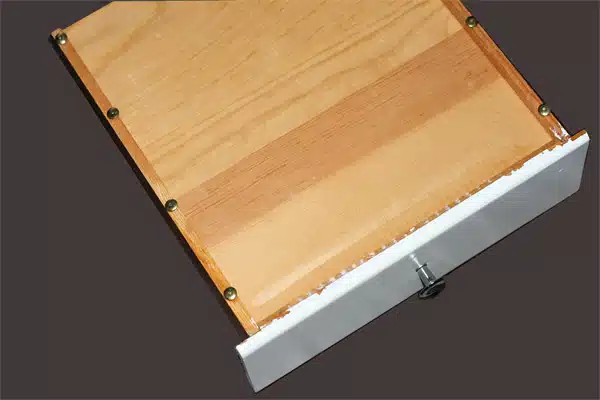
Waking up every morning and having to fight with a stuck dresser drawer is a bad way to start the day. Sticky drawers can be one of the most frustrating of domestic disputes and, when left unaddressed, these little annoyances can evolve into real damage: the handles can break, and the drawers themselves may come apart. Rather than go the costly route and replace your dresser with a newer model with drawers that don’t stick, extend its life by taking these three steps right now to fix sticky drawers.
Take the sticky drawers out and look at the edges. Are there any shiny spots? Those are the areas that stick. Sand them down with some coarse sandpaper, and they should be fine.
If your drawer usually holds books or other heavy items, the frame of the sticky drawer may need to be lubricated. Rub the drawer frame — the spots where the drawer glides into the frame — with candle wax, paraffin, or even an old bar of soap to give it a little extra glide. You can also spray them with a product such ad WD-40.
If you take the drawer out, you may notice that the glide — the narrow piece of wood which the drawer glides shut — is missing or worn down. If it’s missing, the drawer will drag. You can fix this sticky drawer and give it a lift by pushing three or four thumbtacks along the glide. It should then open and close with ease.