



10 Best Shade-Loving Plants | Gardening Advice
These ten shade-loving plants are great for sprucing up even the darkest corners of your garden with foliage and flowers.
By Shelley Wigglesworth|Apr 28 2021|

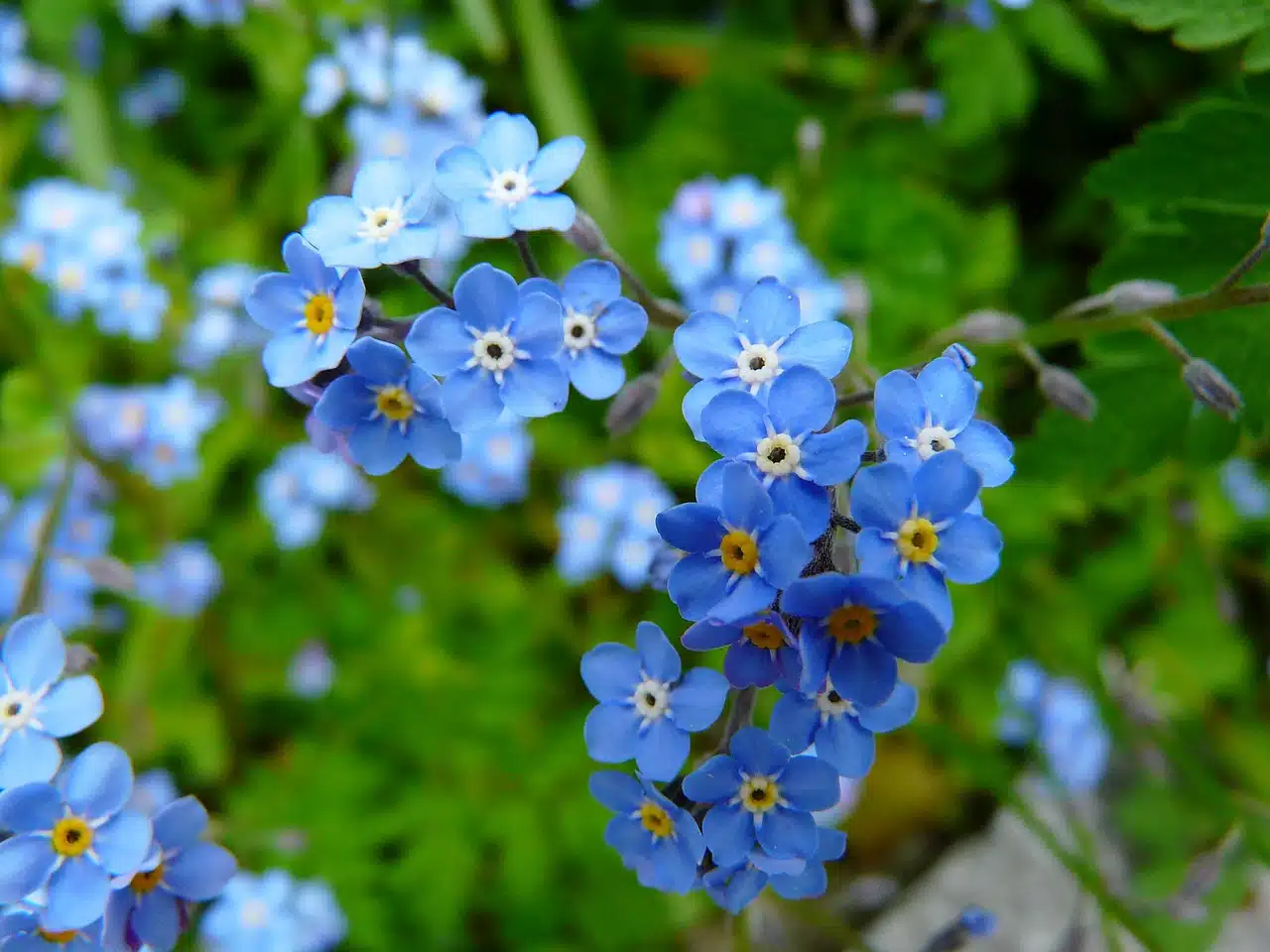
Forget-Me-Not | 10 Best Shade-Loving Plants
Credit: PixabayLooking to accent the shady areas of your garden or outdoor landscape this summer? There are several shade-loving plants — annual and perennial, as well as flowering and non-flowering — to consider. They come in various sizes and textures, and all thrive in dark and moist conditions. Here are my picks for the ten best shade-loving plants that are sure to add interest and beauty to those low-light areas of your garden.
Whether you’re working with full shade beneath dense tree canopies or partial shade near a north-facing wall, there’s a plant perfectly suited to your space. Many shade plants also provide unexpected color, dramatic foliage, or unique forms that can transform forgotten corners into vibrant focal points. From hostas with their lush, variegated leaves to bleeding hearts that offer delicate, heart-shaped blooms in spring, there’s no shortage of variety. Some even attract pollinators or remain evergreen, giving year-round appeal. With the right selection and a bit of care, your shady spots can become the most eye-catching part of your landscape.
10 Best Shade-Loving Plants
Ferns
Native and zone-hardy ferns lend a natural appeal to shade gardens and woodland areas. Ferns are naturally very disease and pest-resistant and require very little care. There are many varieties to choose from, such as the Maiden hair fern, which is light and wispy, to the Cinnamon fern with a rusty brown hue.
Credit: Pixabay
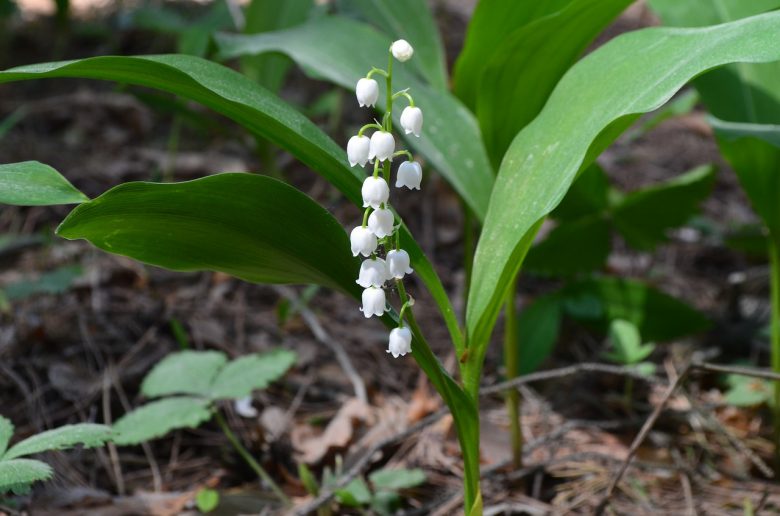
Lily of the Valley
Although these shade-loving plants only flower for a few weeks early in the season, they are well worth the effort. The small, fragrant, white, bell-shaped flowers are dainty and a seasonal delight, adding charm and elegance to shaded borders, woodland gardens, or container arrangements with their subtle beauty and graceful presence.
Credit: Pixabay
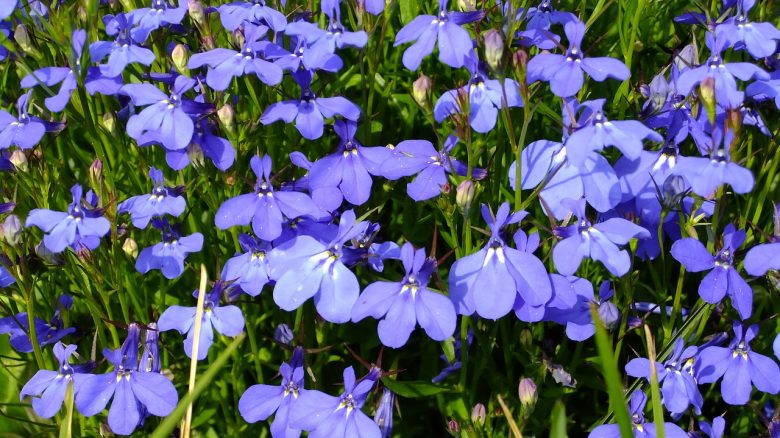
Lobelia
The trailing version of this shade-happy annual produces small, dense, deep blue flowers that bloom throughout the summer, adding a pop of rich color to darker areas.
Credit: Pixabay
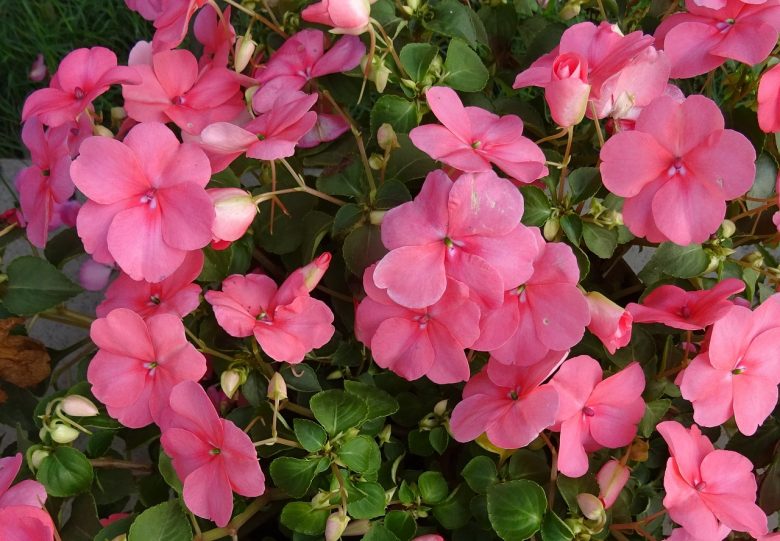
Impatiens
A colorful annual accent to shade gardens, these flowering plants can be found in red, white, and pink.
Credit: Pixabay
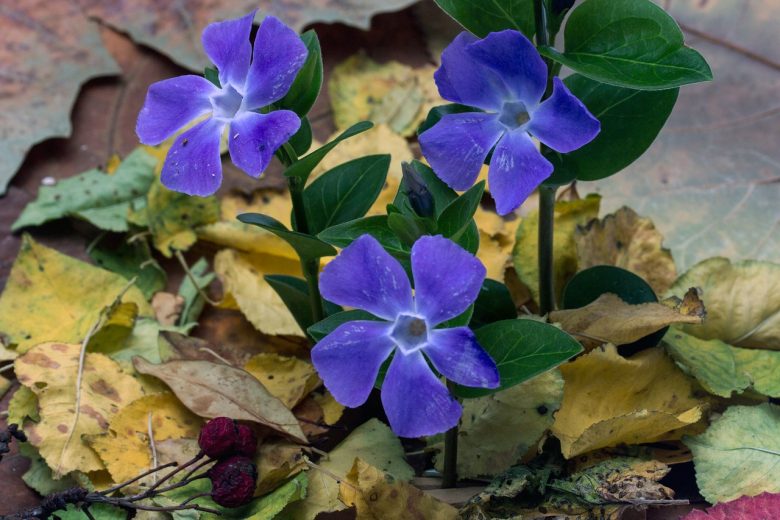
Creeping Myrtle
An evergreen groundcover, this plant produces small green leaves that resemble ivy with little blue flowers. Fast-growing and hardy, it thrives in almost all soil types.
Credit: Pixabay
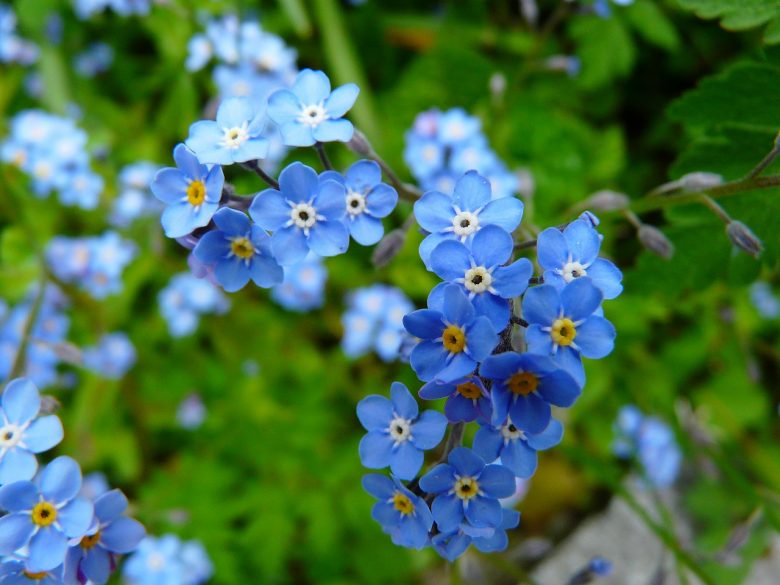
Forget-Me-Not
A low-growing annual plant that also sports beautiful, tiny blue flowers and thrives in damp conditions
Credit: Pixabay
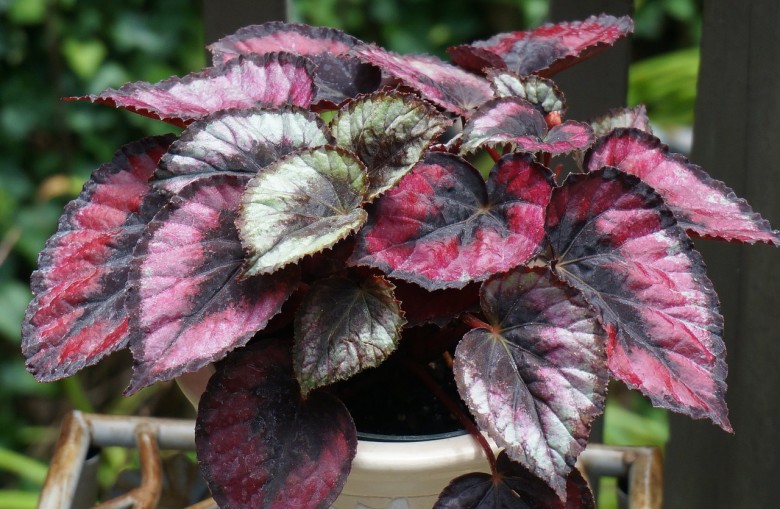
Begonia
Begonias have beautiful foliage. An annual with heavy, crinkly, textured leaves in dark maroon and green hues and periodic flowers, they are right at home in any shady area in your yard.
Credit: Pixabay
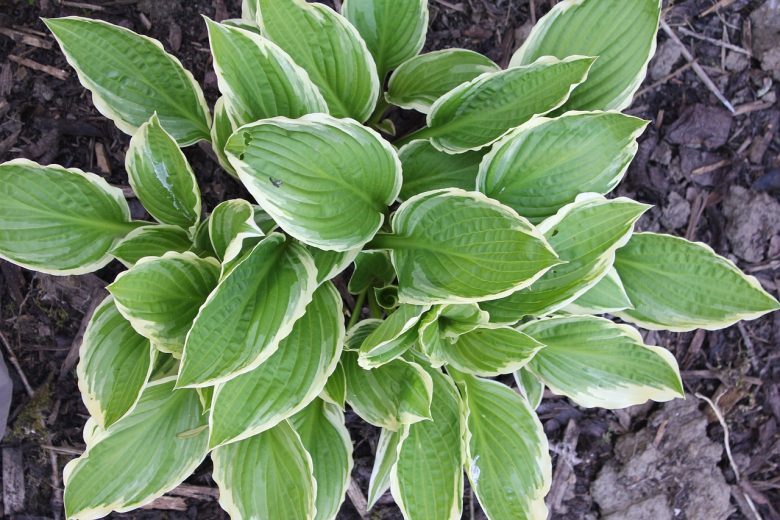
Hosta
Hosta plants consist of healthy green leaves that grow close together in bunches, with shoots that flower in white bell flowers. These lovely, traditional shade-loving plants come in a variety of sizes and hues, including variegated species.
Credit: Brenda Darroch
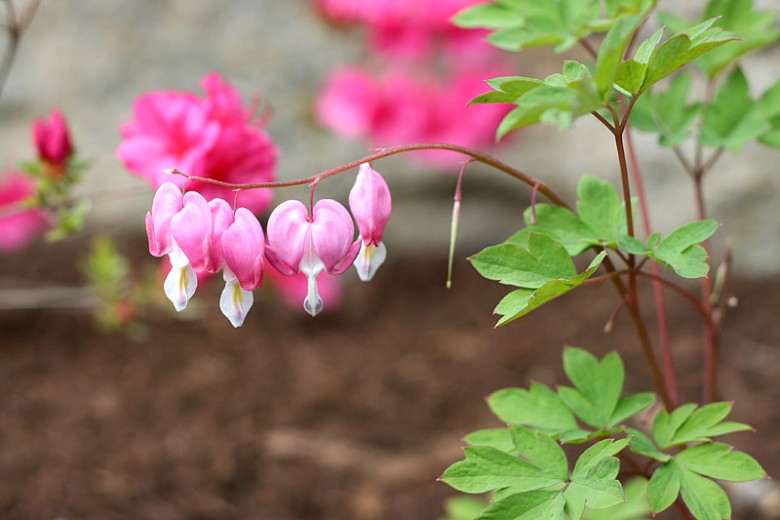
Bleeding Hearts
A Victorian favorite — delicate, beautiful, and romantic — bleeding hearts hang from vine-like leaves. The heart colors come in shades of light pink, white, and fuchsia. A perfect addition to any garden.
Credit: Chris Burnett
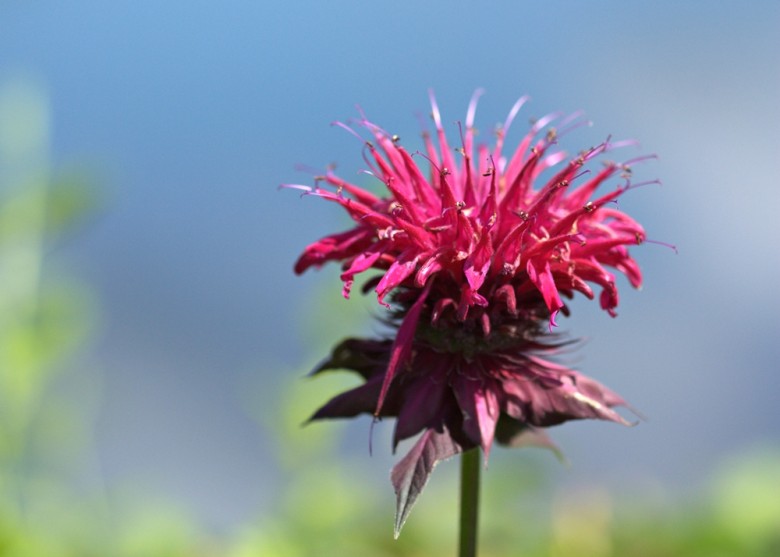
North American Bee Balm
This perennial plant can grow up to a few feet tall, and has a pleasant smell and clusters of red flowers that attract bees and butterflies.
What are your favorite shade-loving plants? Let us know in the comments!
This post was first published in 2013 and has been updated.
You may also like…
Plants That Attract Hummingbirds to the Garden
Sun-Loving Houseplants | Five Windowsill Choices
How to Make a Tree Stump Planter


Forget me nots are actually a prohibited plant in Massachusetts. They are invasive.
I have a collection of coral bells varieties clustered around a shaded birdbath. The foliage colors range from nearly black to a fluorescent yellow, interesting even without the cream or blue or pink flowers.
Lily of the valley can be toxic if consumed and spreads like crazy. So does creeping myrtle, or vinca minor. Don’t put them any place where they can’t be contained or you will be pulling them out of other parts of the garden for years.
japanese grass hakonechloa is a beautiful cascading ornamental grass that lights up dark corners of a shade garden with a beautiful chartreuse color. I loves the New England climate.
Is lily of the valley toxic for dogs? I have 2 little dogs and I worry about them eating these plants