



How to Grow Irises
A cluster of colorful irises makes for an eye-catching addition to any garden. Here are some of the reasons why you should consider adding these hardy and beautiful flowers to your own collection.
By Shelley Wigglesworth|Jun 10 2019|

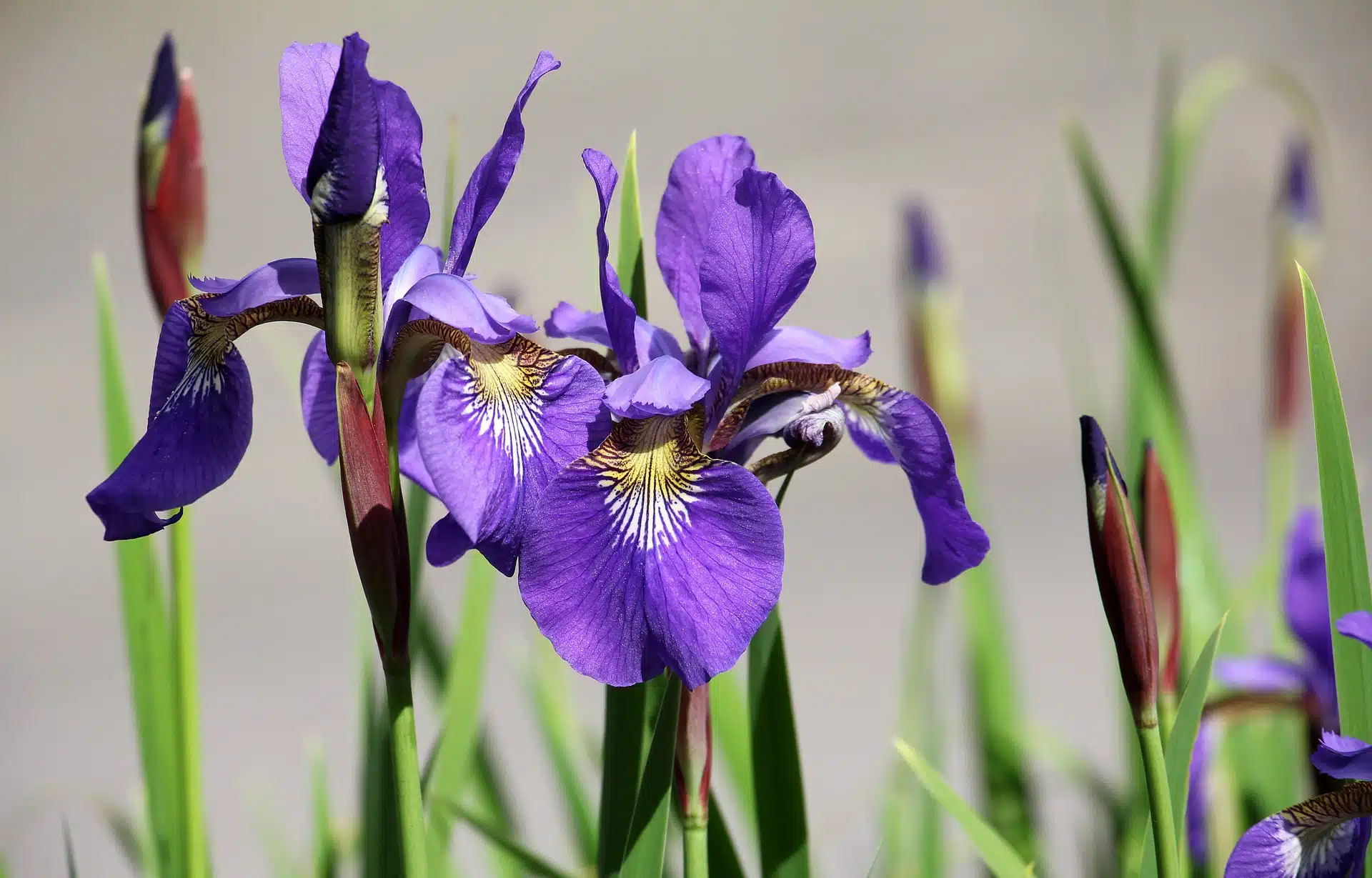
How to Grow Irises
Credit: Pixabay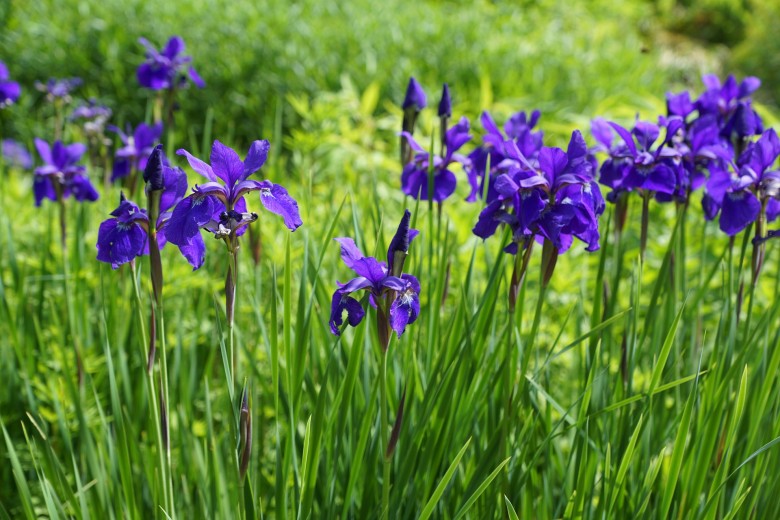
Credit: Pixabay
Early summer is the time iris plants begin to bloom in New England. These stunning perennial flowers share their name with the Greek goddess of the rainbow, and if you’ve ever seen an iris bloom, you can probably guess why. Irises are found in a variety of colors, like blue, white, pink, orange, or yellow, and even come in attractive combinations of these hues.
Aside from their beauty, irises are desirable for several more practical reasons: they’re easy to grow, they’ll quickly multiply on their own, and their drought resistance, deer resistance, and immunity to many plant diseases make them an incredibly hardy plant. In addition to all of these wonderful qualities, they’re also known to attract butterflies and hummingbirds, which are always welcome guests to any garden!
Every garden can benefit from the presence of these stunning and elegant flowers, which are just as attractive when displayed alone or in groups. Because of their tall stalks and bright colors, they stand out above any of their low-growing neighbors and can also make for beautiful additions to cut flower bouquets.
Read on to learn how to plant, transplant, and care for the iris—a classic garden flower. Once it’s planted, you’ll be able to enjoy your iris flower bed for many years to come.
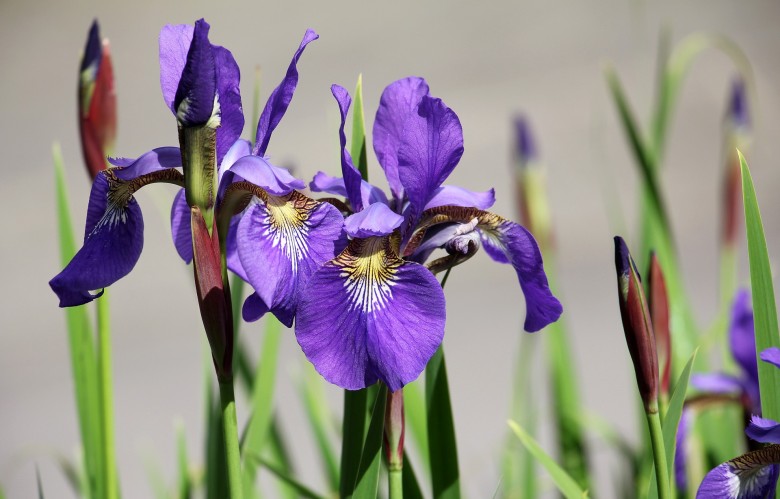
Credit: Pixabay
How to Grow Irises
When to Plant or Transplant Iris Plants
The best time to plant or transplant irises is either in the late summer or right after the plant has bloomed and gone by. Most iris plants bloom only once per year, though some varieties of the bearded iris will flower twice in one summer.
How to Plant or Transplant Iris Plants
Choose a location that has slightly acidic, well-draining soil and that receives sun for a majority of the day.
To transplant, first cut back the dead flowers and most of the stems. Then, gently dig up the rhizomes (fleshy roots) of the plant.
After digging new holes that are approximately 3-4 inches deep, place the rhizomes in groups of three about a foot or so apart. This will allow room for the rhizomes to multiply and spread. Fill the holes with soil, pat gently, and water. That’s it!
Look for your newly-planted irises to bloom the following summer. After a few years, your iris bed should be lush and full, and the transplanting process may be repeated to start a new iris garden in another location. Alternatively, share the rhizomes with friends to spread the beauty of the iris flower even further!
Do you have irises in your garden?
This post was first published in 2016 and has been updated.





I have several iris plants but have hesitated to add more because of voles eating the rhizomes. Think I’ll give them another try.
It can be expensive and time-consuming, but if you’re having a serious problem with voles and the usual means of control (ultrasonic repellers, etc) aren’t working, you can try underground fencing. It’s basically what it sounds like — you can either buy prefabricated “baskets” to put in your garden or make your own with galvanized steel hardware cloth (it must be galvanized or it will rust and disintegrate).
If you make your own, be sure to use galvanized wire to bind any pieces together so as not to leave a crack that the vole can push through. You’ll also need it to stick out of the ground to prevent the voles from hopping over it, though a more aesthetically pleasing route might be to surround your garden area with a cedar wall (or other ground contact rated wood, ask your local building supply store for availability and pricing). The fencing should still stick out of the ground some, but you can staple it to the inside of your wood wall (again, galvanized staples!) and you’ll have a nice decorative planter-style look rather than ugly wire mesh protruding. An alternative to this would be to make a raised planter box: build the box from ground contact rated wood, but other than a slat or two across the bottom leave the bottom open to the ground beneath — and staple galvanized hardware cloth to the underside to keep out pests.