



10 Flowers That Reseed Themselves
By planting flowers that reseed themselves, you’ll have a natural and beautiful garden that practically takes care of itself. These 10 varieties all do well in New England.
By Shelley Wigglesworth|Apr 04 2022|

Do you love the natural, effortless beauty of wildflowers and meadow blooms? One reason they appear so carefree and abundant is that many are made up of flowers that reseed themselves. By choosing self-sowing plants for your home garden, you can recreate that same vibrant, free-flowing look—no replanting required. These low-maintenance flowers that reseed will return year after year, thriving with minimal effort. Read on to discover ten favorite flowers that reseed easily and grow beautifully in New England.
10 Favorite Flowers That Reseed Themselves
Credit: Pixabay
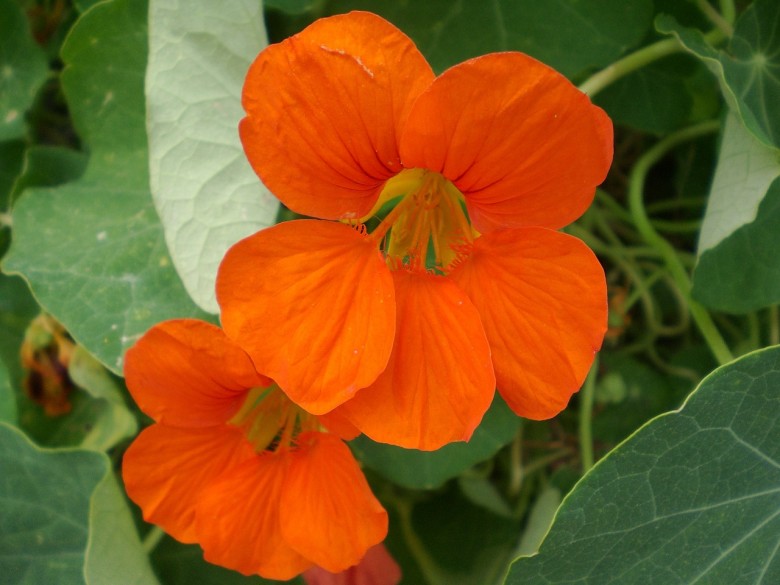
Nasturtiums
Another delicate flower with a papery appearance, nasturtiums are usually yellow, orange, or red. (And if you love nasturtiums, don’t miss the annual April hanging nasturtiums courtyard display at the Isabella Stewart Gardner Museum.)
Credit: Chris Burnett
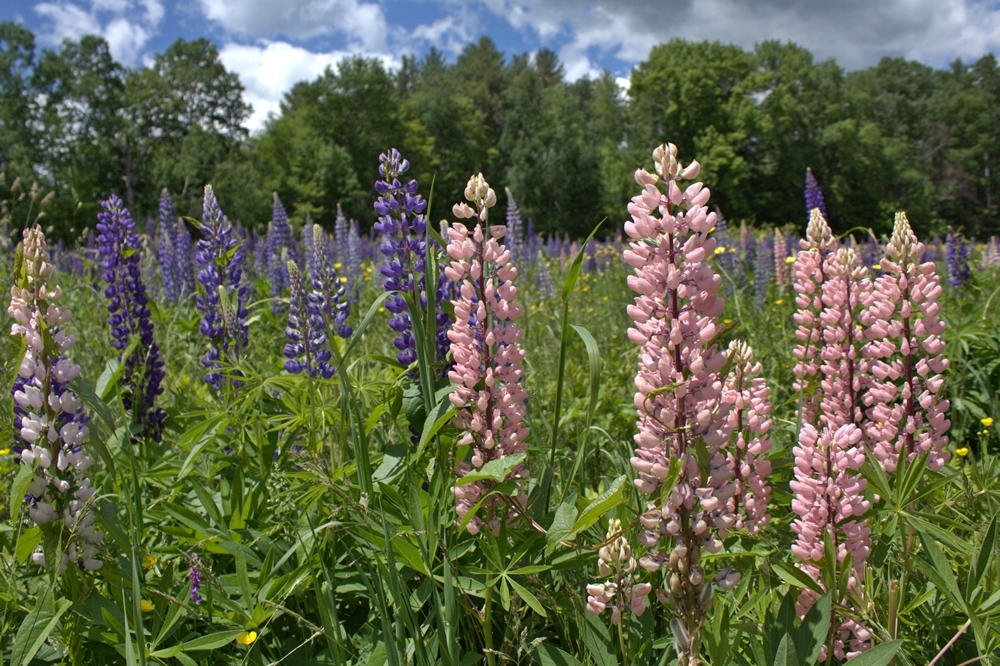
Lupine
These flowers can be invasive and are known to take over an area; however, their beautiful hues of pastel pink, blues, and white make them hard to resist in a summer field.
Credit: Pixabay
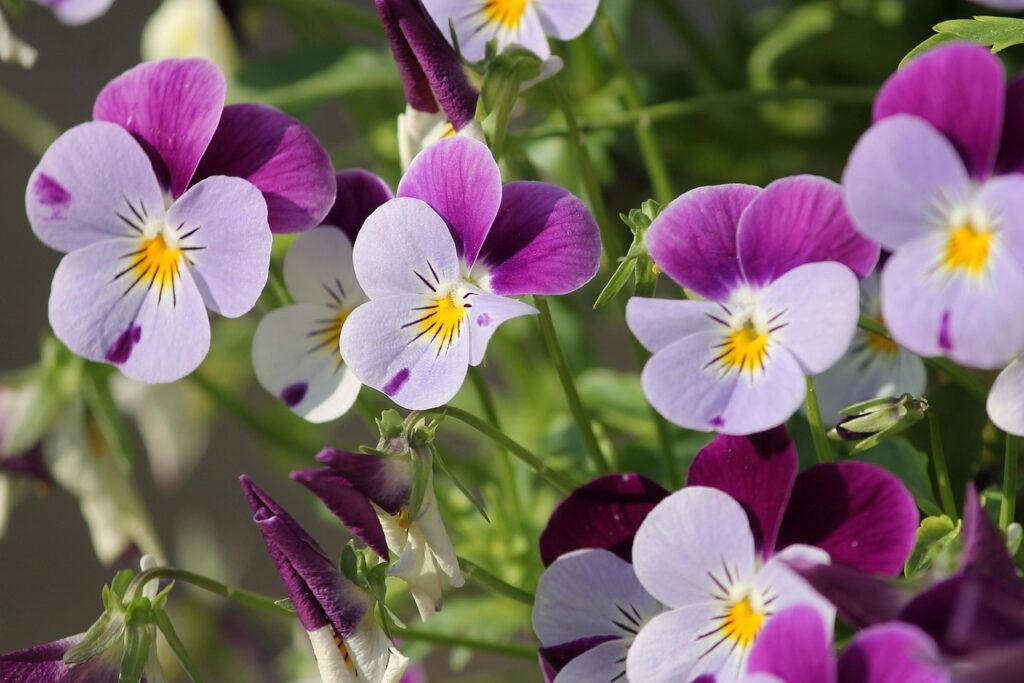
Viola
Also known as Johnny jump-up, this is one of the first flowers to be seen in spring (after crocuses) and is the last to die off in the fall. These delicate blue violets have been known to bloom after light snow and will reseed in almost any area, including between rocks and in gravel driveways.
Credit: Pixabay
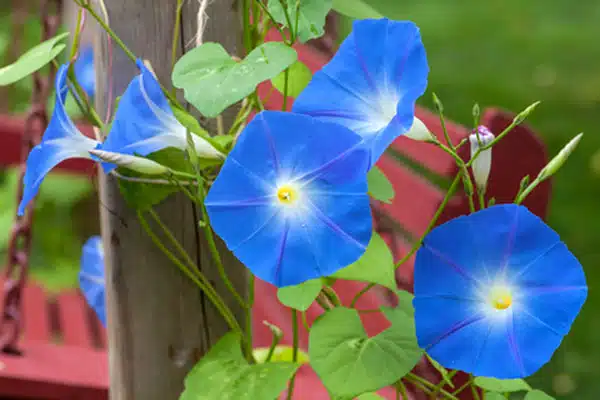
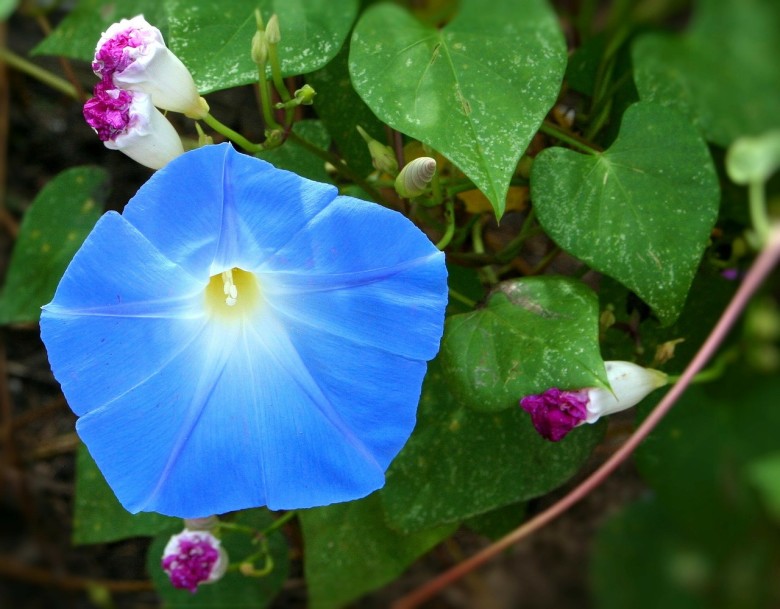
Morning Glory
This blue climbing beauty will reseed and spread. They do best when there is support such as fencing, garden stakes, and trellis or poles to wrap themselves around.
Credit: Pixabay
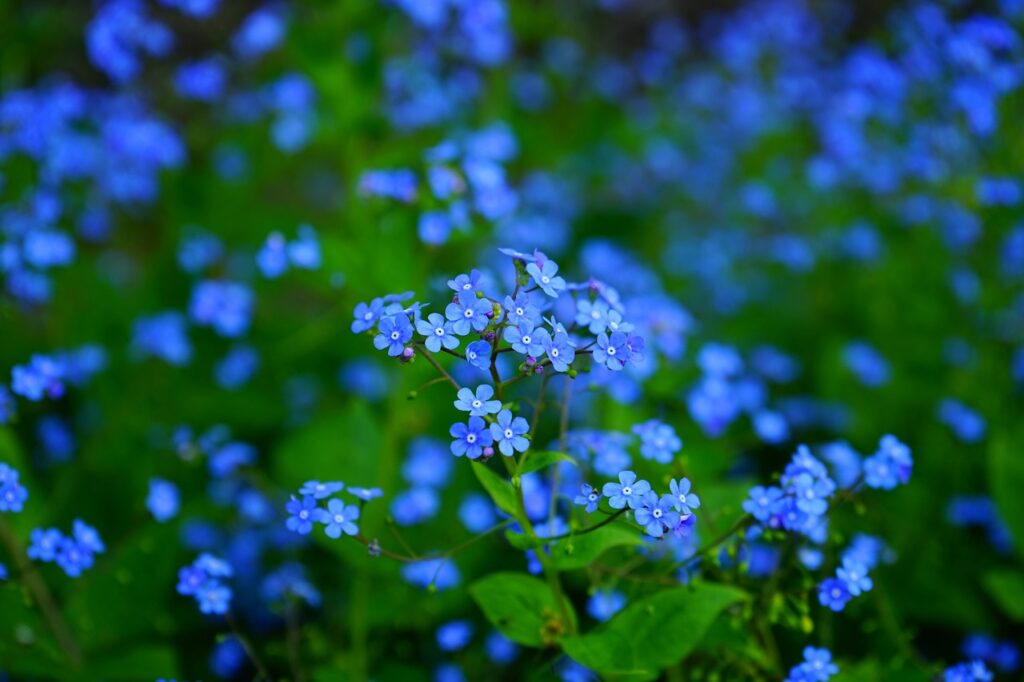
Forget-Me-Not
Another blue beauty with tiny flowers, these grow in loose clusters and can show up almost anywhere as their tiny seeds are easily spread by the wind.
Credit: Pixabay
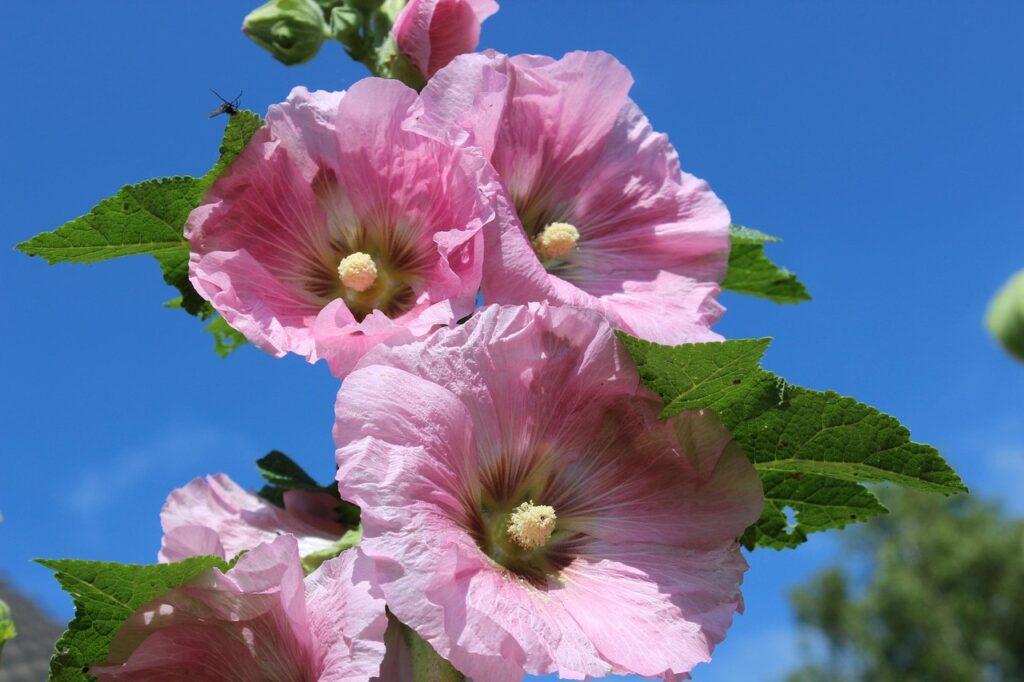
Hollyhock
Growing upwards of 4 feet tall with flowers that can show in a variety of colors, these plants lend height and balance in gardens, yet may require the use of a stake to keep them upright until stems strengthen.
Credit: Pixabay
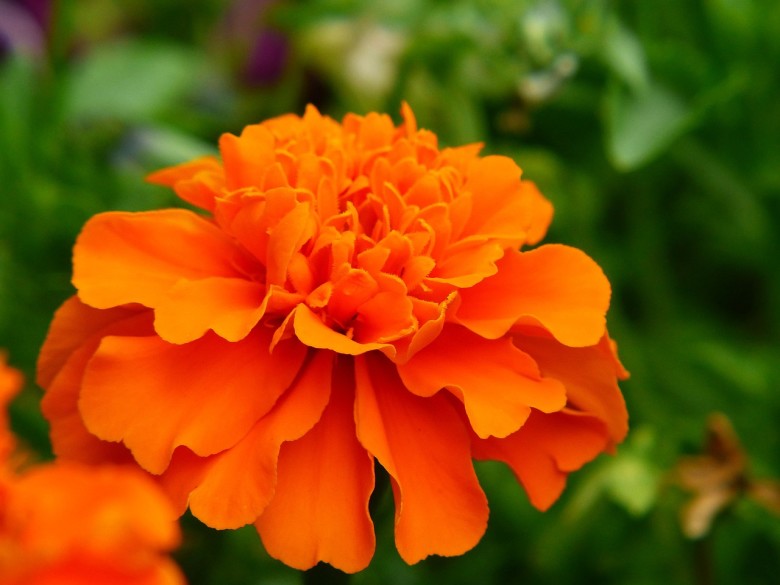
Marigolds
These compact, bright blooms are found in shades of yellow, orange, and gold that accentuate autumn beautifully.
Credit: Pixabay
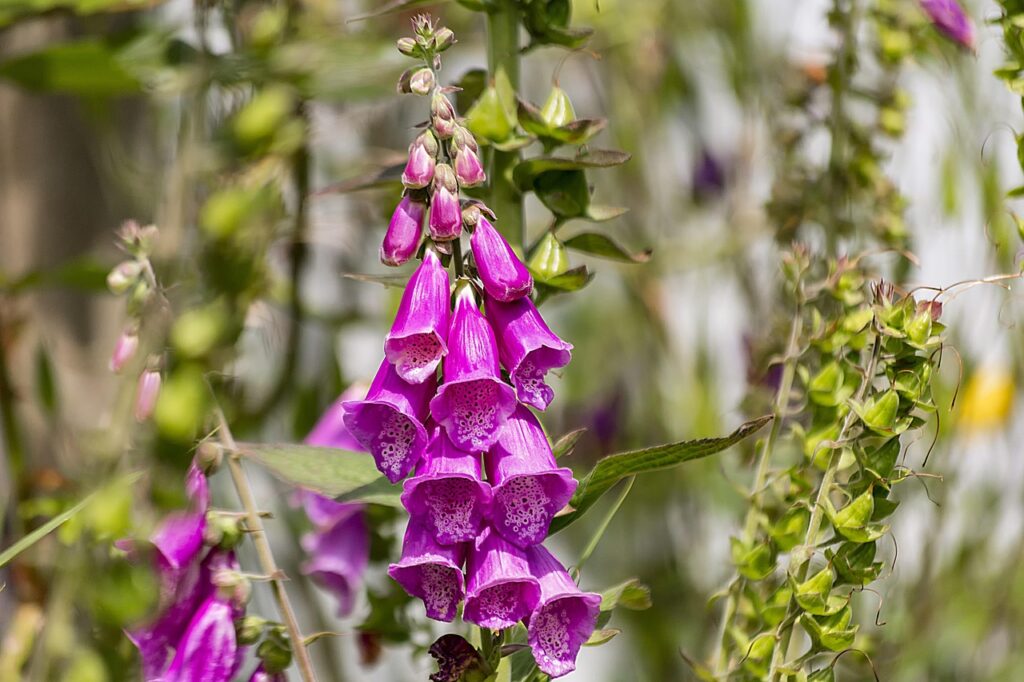
Foxglove
Another tall reseeding flower, these plants have bell-shaped blooms and are usually light purple.
Credit: Pixabay
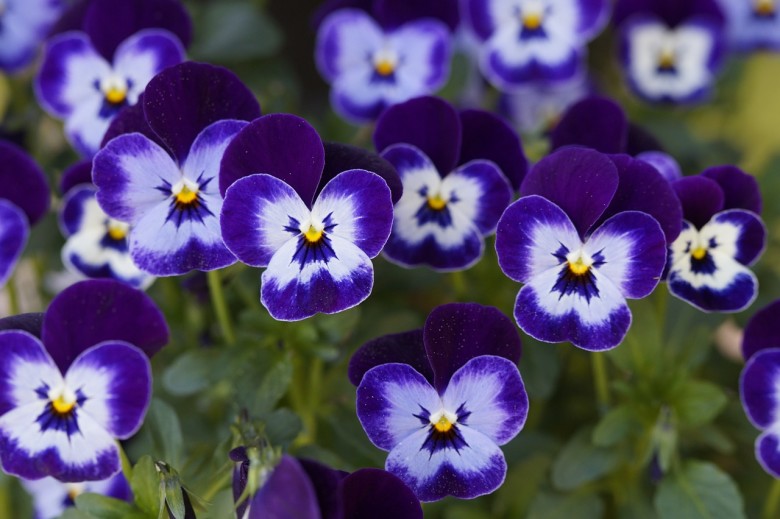
Pansies
Very similar to violas, pansies are a bit larger and may show up in a variety of colors, including white, blue, purple, dark maroon, or speckled.
Credit: Pixabay
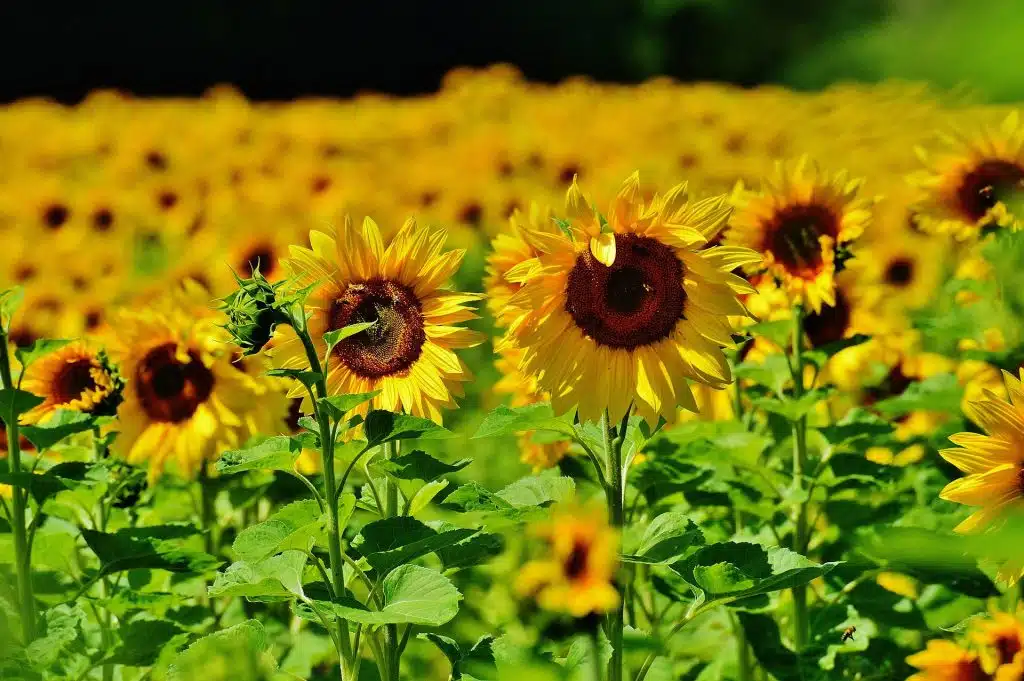
Sunflowers
It’s always a treat to see sunflowers popping up unexpectedly, especially around bird feeders. These happy summer and fall flowers are all-around favorites for people and birds, not to mention the squirrels.
How do you encourage flowers to reseed themselves? Do not deadhead! The one key piece of information when it comes to reseeding plants is that these flowers must be left to die on their own in order for the seeds to mature and dry naturally before they are released and reseeded naturally.
This post was first published in 2013 and has been updated.
You may also like…
· Poison Ivy and Oak Treatment
· New England Sunflower Farm & Maze Guide
· Treat Bee Stings and Other Bug Bites




Shelly- Both Morning Glory and Forget-Me -Not are considered invasive in Connecticut.
Hello Cordalie-
Thanks for responding. Lupines are the only flowers listed as possibly invasive or invading an area in this blog.
“Lupine: These flowers can be invasive and are known to take over an area…”
All others are not invasive. and are not listed as invasive.
Thanks- 🙂
Shelley
Shelley: I was astounded to see Violas as one desirable self-seeder. They sure do! Growing up in Lebanon, Maine, someone gave my parents a clump of Viola Canutas. After their first pretty season, they seeded everywhere in a very invasive manner. We were decades getting rid of them!
Consequently, although I have been an avid gardener myself for some fifty years, you can be sure that I have never desired to plant any violas!
Agreed. This plant has taken over my once nice yard. I cannot keep up with weeding of it. It seeds everywhere it can possibly grow.
Four O’Clocks are also self sowing and have a beautiful fragrance. As their name implies, they are an evening blooming flower. They would work nicely in a bed near a patio or porch. They come in a mix of pinks, red, yellow and white and grow to be 24 to 30 inches tall. As this article states, do not dead head these and the seed will develop at the base of each blossom and drop to the ground. At the end of the growing season, cut the plants down to ground level and hand upside down over a tarp in order to collect any seed that have not yet fallen and add those seeds to the bed.
Been down in NC for over 20 years and have found Torenias to be prolific self-seeders. One only has to let approx. 75% go to seed before removing them and they will refill your area very nicely.
This is a nice place to live, but this old Yankee still misses NE.
So interesting! In the spring I have crocus growing all over my lawn!!
Thank You for the information, am hoping to plant Morning Glory, wish me luck
Don’t let them reseed, they become invasive and weedy in just a year or two. Each year they become less blue and smaller until they are weedy pink small-flowered vines.
thank you for the advice. J. P.V.
I made the mistake of letting my morning glories re-seed themselves more than 25 years ago. They got weedier after only one year, and I am still weeding them out, decades later. They are highly hybridized and they revert each year, leaving you with pale pink invasive vines.