The L.C. Bates Museum | The Most Interesting Museum in Maine?

The L.C. Bates Museum, a “museum of a museum” in Hinckley, Maine, holds a world of wonder within its unassuming walls.

L.C. Bates Museum

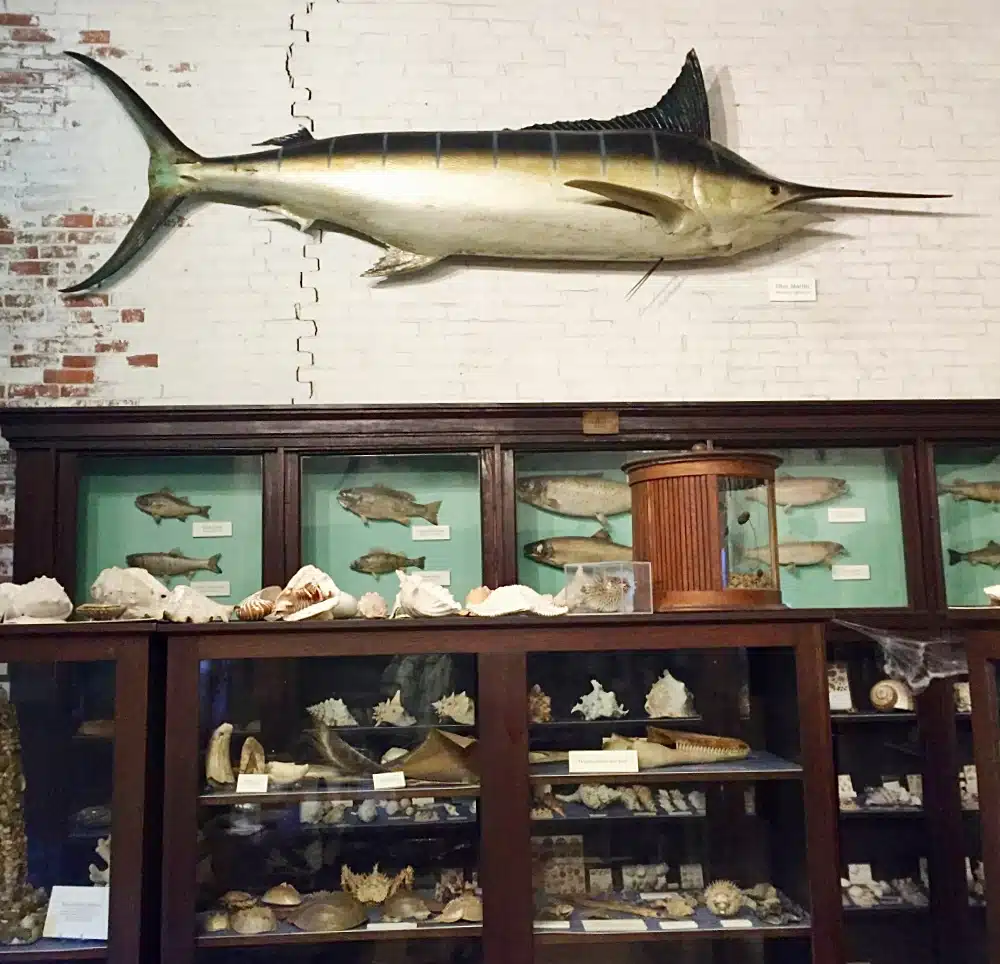
One of the largest exhibits in the museum highlights sea creatures great and small, including a prize marlin landed by an American literary icon.

Credit: Michelle Aldredge
Located a bit off the beaten path in the village of Hinckley, in Fairfield, Maine, the L.C. Bates Museum doesn’t look like much from the outside. Truth be told, the interior is a bit rough around the edges, too. But this is definitely one of those “don’t judge a book by its cover” situations, because the sprawling cabinet of curiosities within is utterly fascinating. In fact, this might just be the most interesting museum in Maine.
L.C. Bates Museum

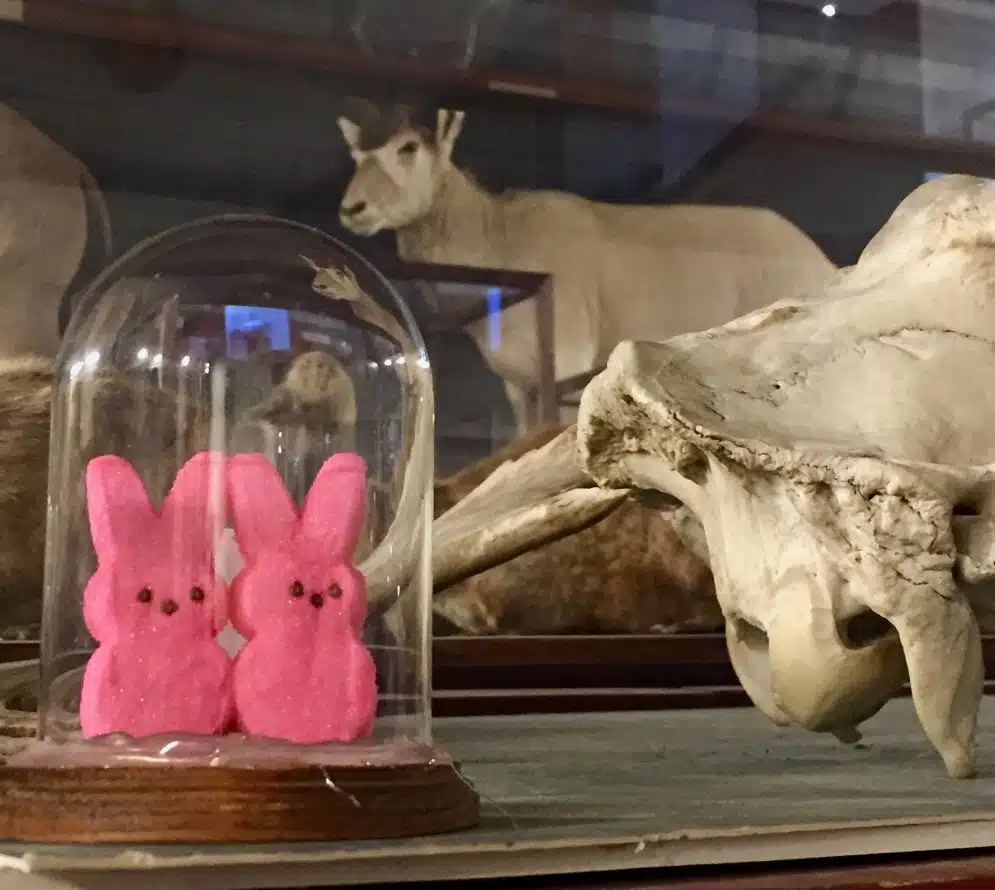
From animal skeletons to taxidermied animals, at the L.C. Bates Museum, you never know what you’ll find in the next room. A pair of well-preserved Peeps even made an appearance during our visit, although we were assured that these were part of a scavenger hunt for visiting kids, not part of the regular exhibit.

Credit: Michelle Aldredge
From animal skeletons to taxidermied specimens, you never know what you’ll find in the next room at the L.C. Bates Museum. (Note: The well-preserved Peeps in this photo were part of a scavenger hunt for young visitors, not part of the regular exhibit.)
Credit: Michelle Aldredge

The L.C. Bates Museum | The Most Interesting Museum in Maine?

So, who was L.C. Bates and how did this museum come to be? As it turns out, the namesake Lewis Carlton Bates is not the founder of this eclectic attraction, but rather a local businessman and philanthropist who funded the collection’s expansion and move to its current location back in the 1920s. To learn the museum’s origins, we must look back further, to a man named George Walter Hinckley.
L.C. Bates Museum

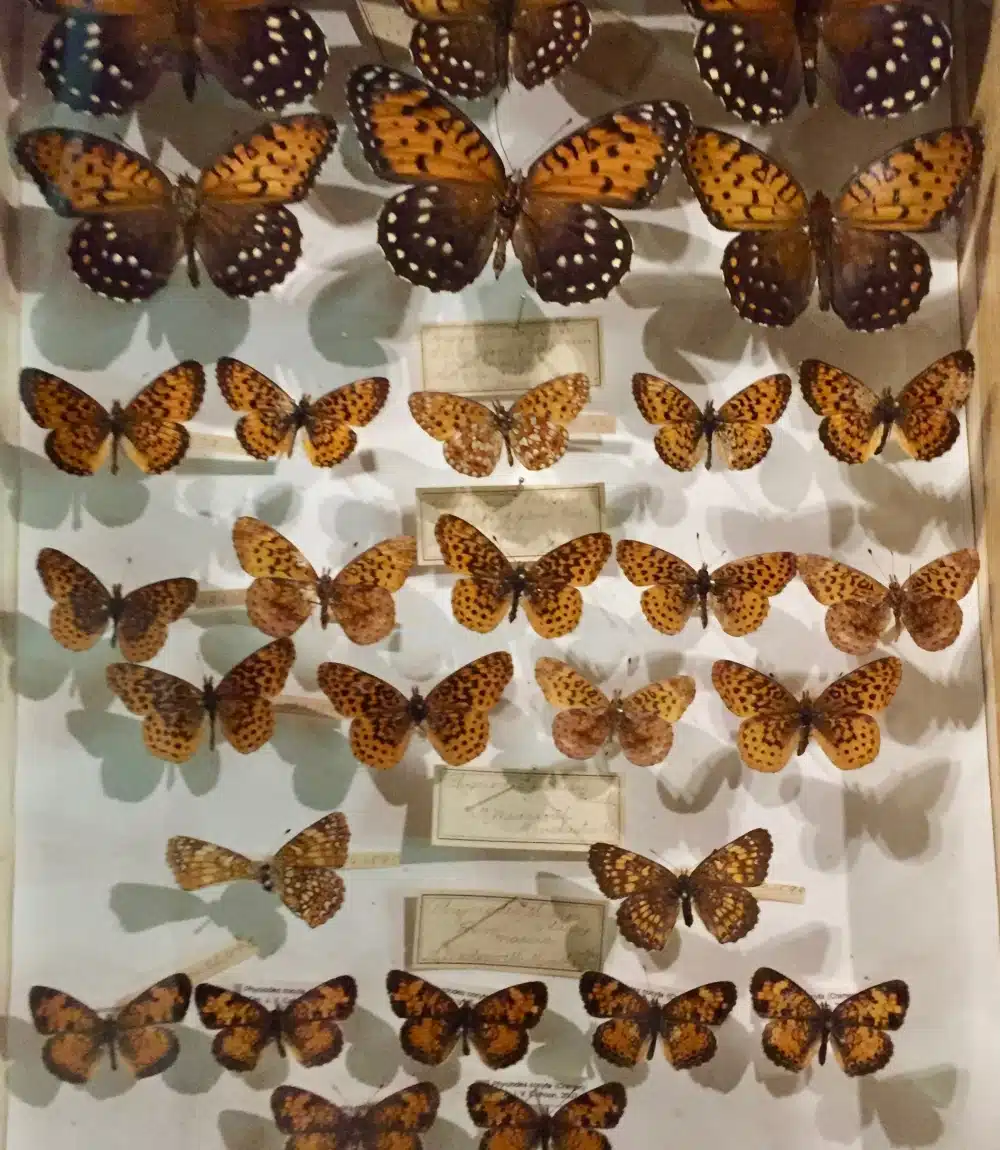
The subtle variations of butterfly wings creates one of the L.C. Bates Museum’s most beautiful displays.

Credit: Michelle Aldredge
The subtle variations of butterfly wings creates one of the L.C. Bates Museum’s most beautiful displays.
Credit: Michelle Aldredge The story goes that one day a young Hinckley witnessed the punishment of another boy, who was hungry and had been caught stealing food from a workman’s dinner pail. Hinckley vowed to devote himself to helping children in need. Years later, in 1889, he founded Good Will-Hinckley, a residential school for underprivileged boys and girls.
L.C. Bates Museum

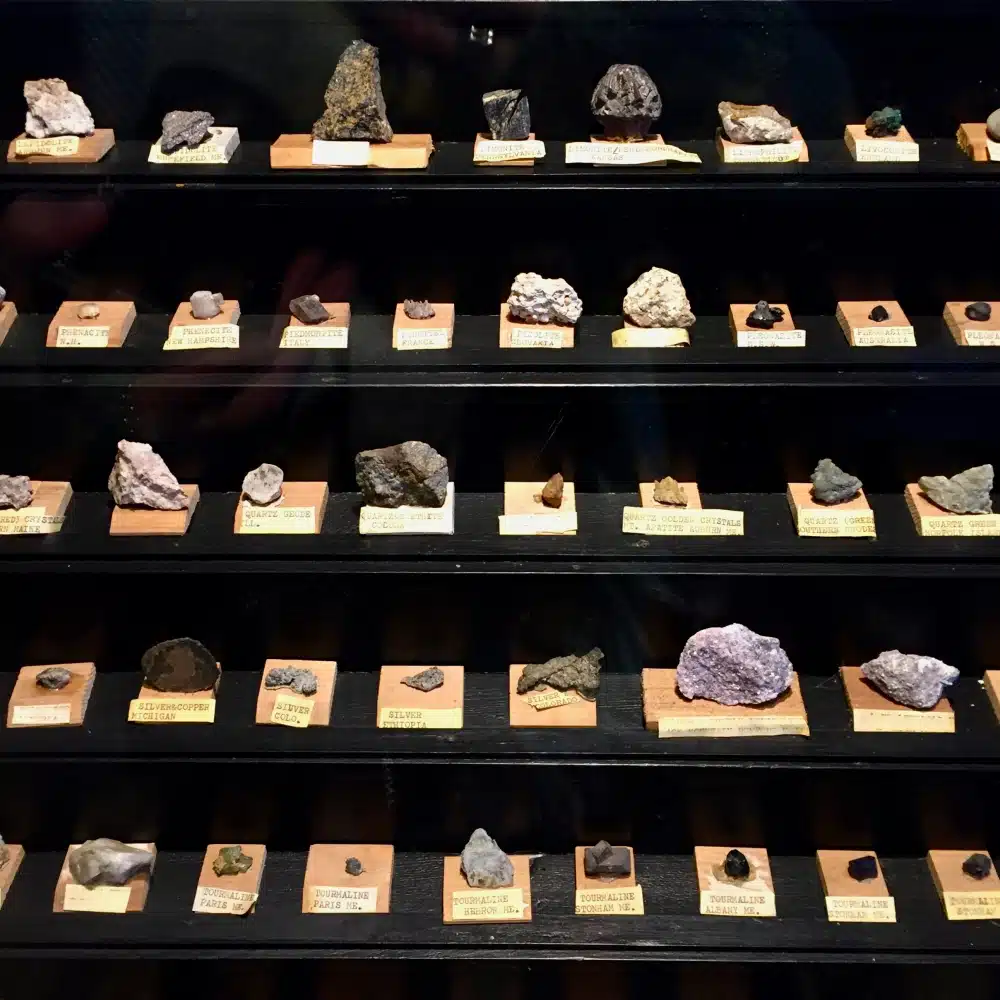
Rocks and minerals were the first items in the collection, which has grown to include many hundreds of samples.

Credit: Michelle Aldredge
Rocks and minerals were the first items in the collection, which has grown to include many hundreds of samples.
Credit: Michelle Aldredge Hinckley instilled his own philosophy and beliefs in this school, which featured nondenominational religious teachings along with training in farm work and skilled trades. It also reflected Hinckley’s belief in the power of personal interaction with both people and objects. The school’s museum began with a donation of a small collection of rocks, including a stalactite, a piece of sulfur, and a fossil. Hinckley understood the value of a museum to inquisitive young minds, and he started growing the collection. Today, the museum comprises more than 10,000 archaeological artifacts, as well as thousands of other objects.
L.C. Bates Museum

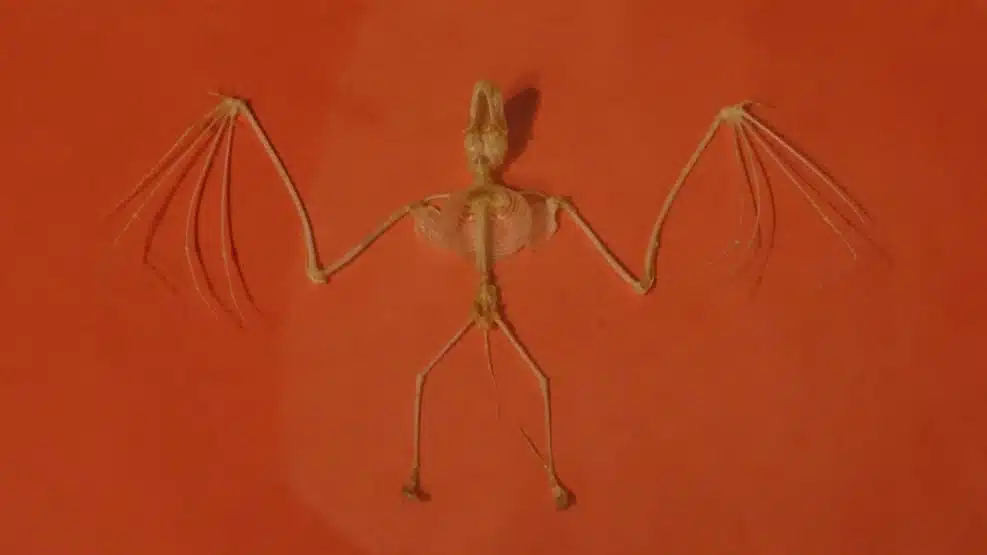
A bat skeleton is fascinating and bit nightmarish, all at once.

Credit: Michelle Aldredge
A bat skeleton is at once fascinating and bit nightmarish.
Credit: Michelle Aldredge The museum is now housed in the 1903 Quincy Building, originally an industrial and training space but repurposed as a museum in the 1920s. The Quincy Building has been on the National Register of Historic Places since 1978; the entire 525-acre campus was added to that register in 1987.
L.C. Bates Museum

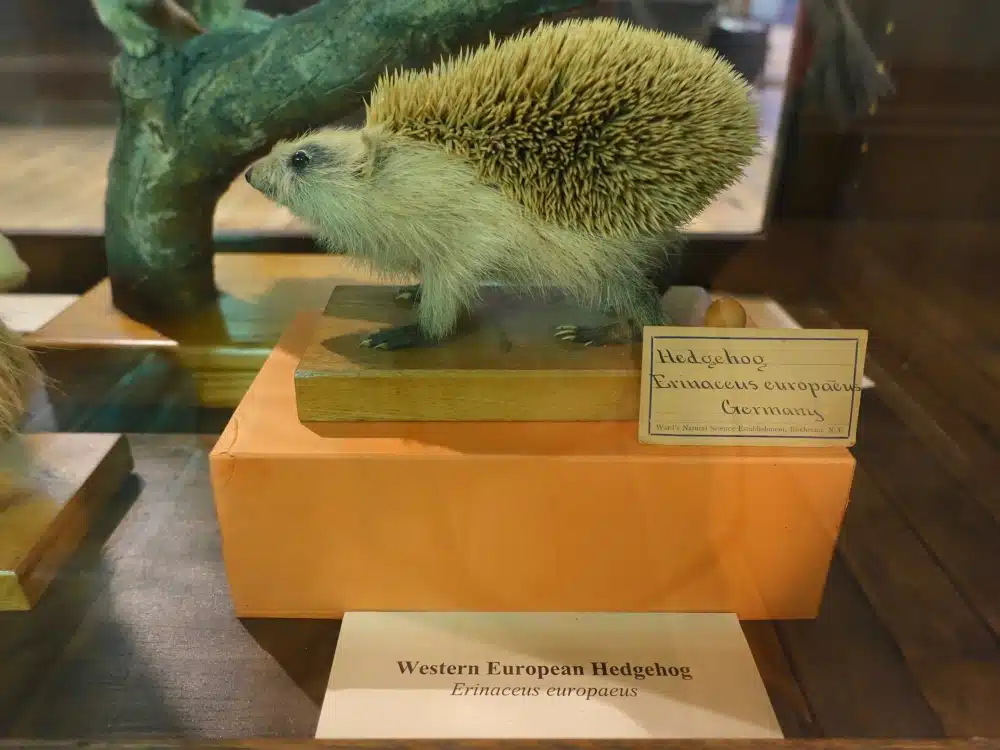
I must admit, this adorable fellow left me wanting a pet hedgehog. I’m sure that’s a horrible idea for any number of reasons, but still…

Credit: Michelle Aldredge
Beware: This adorable fellow may leave you wanting a pet hedgehog…
Credit: Michelle Aldredge
Many of the displays have been maintained in their original configurations (or as close as possible). As such, the L.C. Bates Museum stands as one of the best-preserved examples of an early 20th-century museum experience — a true “museum of a museum.”
L.C. Bates Museum

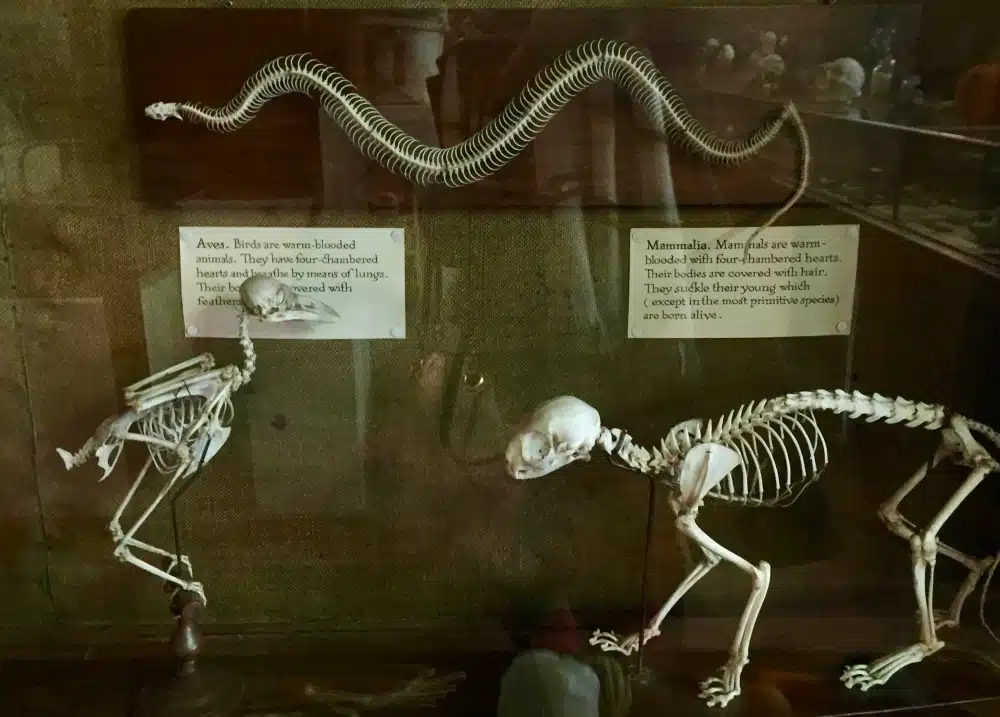
Skeletons!

Credit: Michelle Aldredge
A few of the skeletons you’ll find at the L.C. Bates Museum.
Credit: Michelle Aldredge
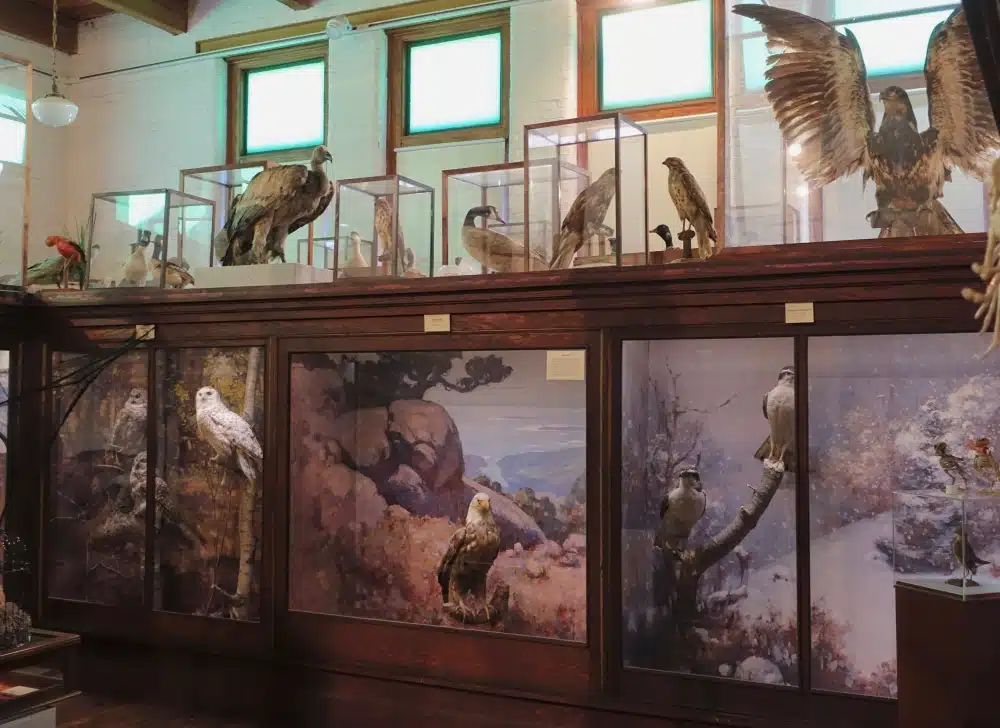
More than a century after the museum’s founding, its educational exhibits continue to fascinate. There are galleries filled with specimens of birds, mammals, fish, reptiles, and insects and nearly three dozen habitat dioramas, many with backgrounds painted by Charles Daniel Hubbard, a notable American impressionist. From the extensive selection of Native American baskets to the vintage printing press in the basement, oddities abound. You’ll be able to check both a wooly mammoth tooth and a marlin caught by Ernest Hemingway off your “things to see” bucket list.
L.C. Bates Museum

One of the largest exhibits in the museum highlights sea creatures great and small, including a prize marlin landed by an American literary icon.

Credit: Michelle Aldredge
One of the largest exhibits in the museum highlights sea creatures great and small, including a marlin landed by Ernest Hemingway.
Credit: Michelle Aldredge
And the learning doesn’t stop at the museum walls. The grounds include an arboretum designed in part by the famed Olmsted brothers, an extensive network of nature trails, and a butterfly garden. There’s an observatory for stargazing and a bedrock formation that gives an up-close look at the earth’s crust.
L.C. Bates Museum

The collection at the L.C. Bates Museum is old enough that several specimens that were common when collected have since become endangered or extinct.

Credit: Michelle Aldredge
The collection at the L.C. Bates Museum is old enough that several specimens that once were common have since become endangered or extinct.
Credit: Michelle Aldredge
After you spend a few hours wandering the exhibits, you’ll find it’s hard not to admire George Hinckley’s creation of an environment where it’s all but impossible not to be interested, to wonder, and to learn. And that never gets old. Have you ever visited the L.C. Bates Museum? Do you know of another contender for the most interesting museum in Maine? Let us know!

SEE MORE: Aliens in New England? A Timeline of UFO Sightings and Unusual Encounters The Lake Winnipesaukee Mystery Stone 5 Best Small Museums in New England

Joe Bills

Former associate editor Joe Bills is the co-owner of Escape Hatch Books in Jaffrey, New Hampshire. After nearly a decade of fact-checking, responding to readers, and writing several articles for Yankee, he now brings his expertise to our sister publication The Old Farmer's Almanac.

More by Joe Bills

Leave a Reply

Your email address will not be published. Required fields are marked *

Login to post a comment

Shop the New England Store

Unlock Your Roots – One Free Account, Endless Discoveries.

Get access to New England templates, research tools, and more.