We the People: A Summer High Note at Tanglewood
In a time of heated debate and cultural divides, the Boston Symphony Orchestra offers music as the bridge that connects us all.
By Katrina Farmer|Mar 28 2026|

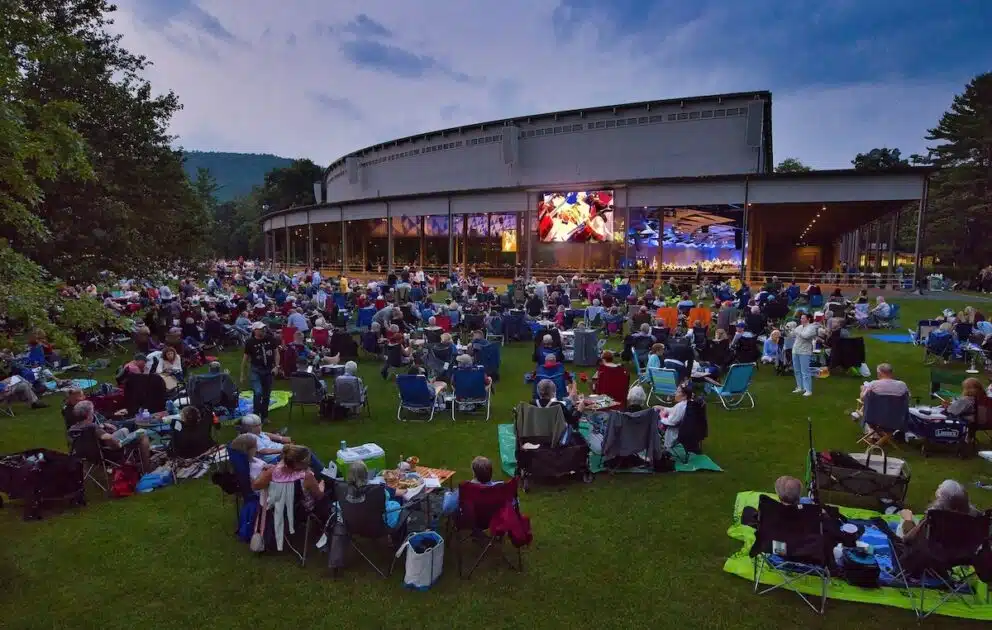
On the Tanglewood lawn, music lovers picnic while listening to the orchestra play.
Credit: Hilary ScottSponsored by Tanglewood.
The calendar pages have flipped to spring, and it’s time to plan our family’s annual trip to Tanglewood—this year will see our fourth generation of music lovers traveling to the Boston Symphony Orchestra’s summer home in the Berkshires. While dreaming of Tanglewood’s expansive green lawns and majestic trees, I scroll the Web to check out lodging and local attractions that could round out our planned visit, but most importantly to discover what the BSO has on tap for the 2026 season.
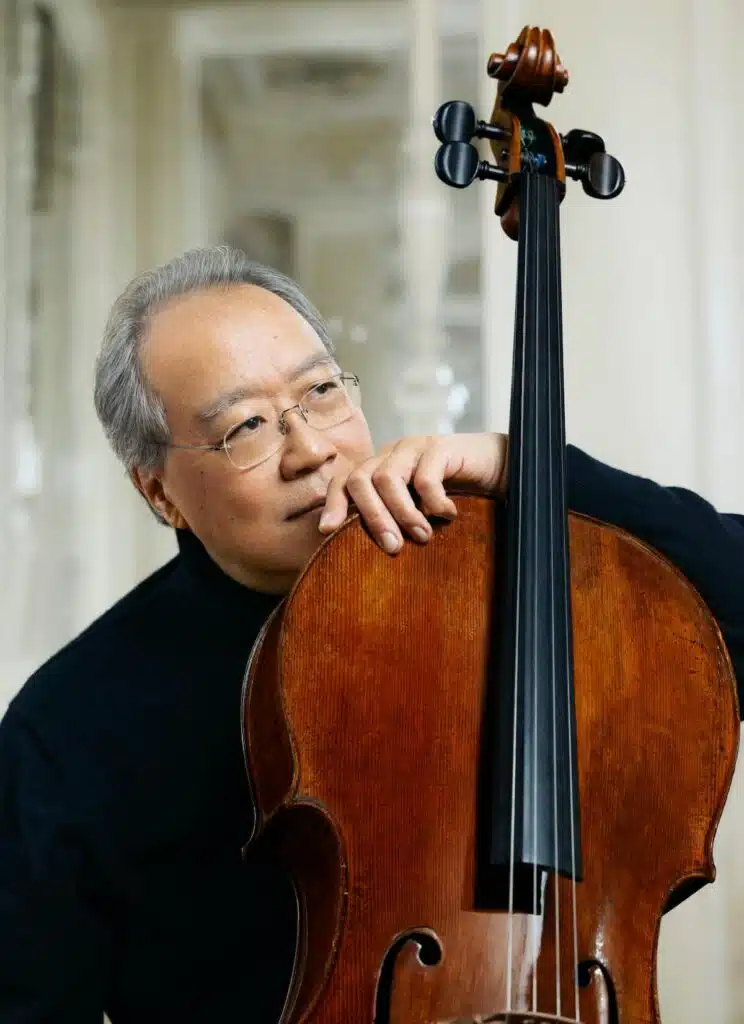
As in years past, there are so many great programs, guest artists, and performances from which to choose. But one in particular jumps out at me: the cellist Yo-Yo Ma, in August. His résumé is stellar—from his debut performance in Paris at age 5 to his 20 Grammy Award–winning albums, from his involvement in multiple nonprofits focused on cross-cultural connections to being named a United Nations Messenger of Peace—and I’ve never seen him in person. It’s just too good to pass up.
Credit: Brantley Gutierrez
Ma’s appearance at Tanglewood is even more compelling as a key part of “We the People: Our Shared Past, Present, and Future,” a series of concerts and programs that run August 4–9. Curated by Ma himself, “We the People” honors the 250th anniversary of the signing of the Declaration of Independence and will give us a glimpse into the cellist’s perspective on our nation’s past, present, and future.
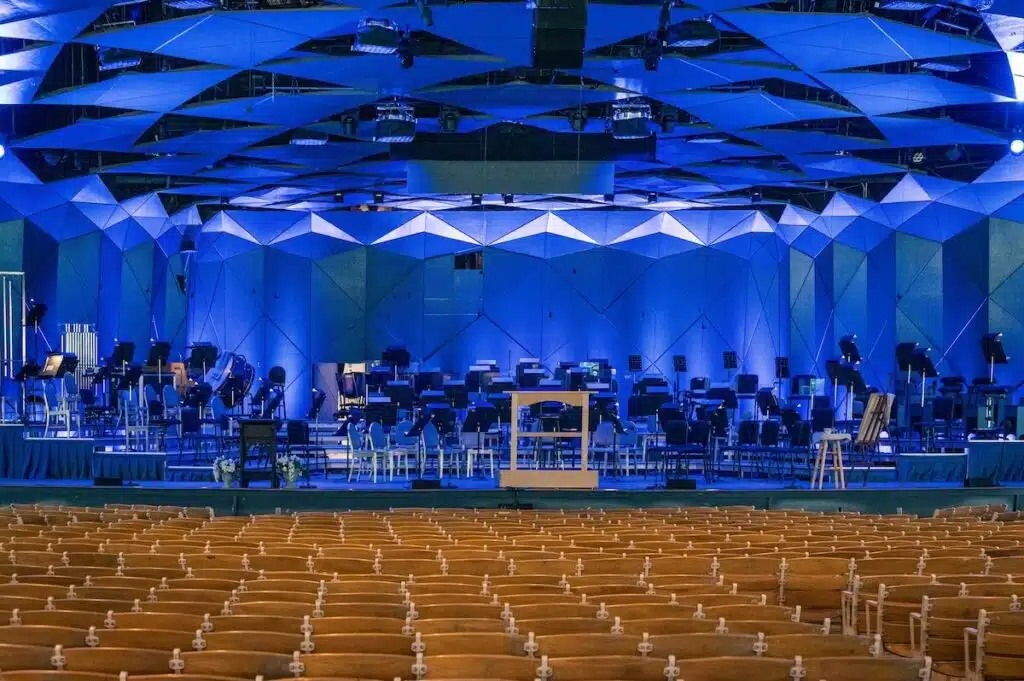
I can already picture myself among all the music lovers, sitting in the rows and rows of wooden folding seats at Tanglewood’s Koussevitsky Music Shed. As the lights dim and a soft summer breeze moves across the crowd, the musicians file in and take their places. Ma walks out, to thunderous applause, and shakes hands with the conductor before settling in with his cello. He raises his bow, smiles impishly, and releases the magic of his music.
There are a few options for when this moment may play out. Tickets for the Friday show featuring Ma and violinist Renaud Capuçon performing Brahms and Fauré look tempting. But I eventually settle on the Saturday concert, with its focus on our relationship to the land (An American Journey with Yo-Yo Ma and Friends), since our family is still reminiscing about our latest cross-country trip to visit U.S. national parks. Plus, we can’t wait to see the friends Ma will invite to join him. Only a few have been announced so far, but they include Jennifer Kreisberg and Aoife O’Donovan. We’re longtime fans of Aoife, the singer-songwriter who co-founded the folk band Crooked Still and worked with Ma on his two Goat Rodeo recordings
Beyond the Concert Hall
With the main concert decided, it’s time to imagine the rest of our time at Tanglewood. There are plenty of reasons for our family to come early on any day and explore the center’s 500-plus-acre campus. There is ample space to run and skip. There are lawn games, like cornhole. And at special events such as Tanglewood on Parade on August 4 there are crafts just for kids and an opportunity for them to touch and play various instruments.
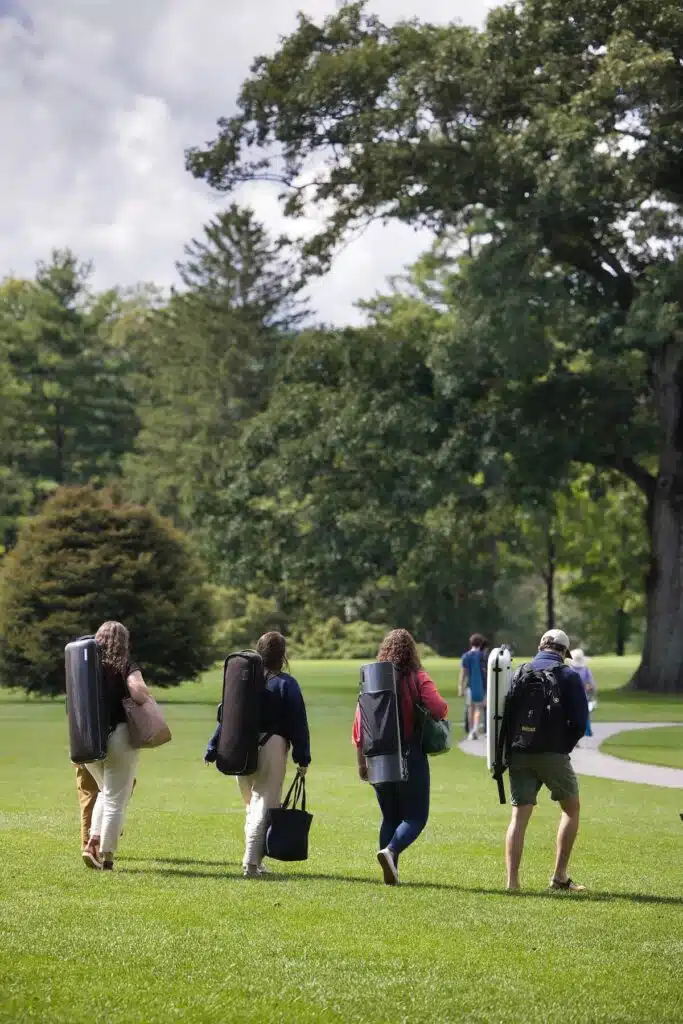
We’ll likely hear musicians practicing in the studios along the gravel paths that wend between towering Norway pines—just one of the 80 tree species that grace this impossibly green campus—to the architectural gem that is Ozawa Hall, an intimate venue perfect for chamber concerts and smaller musical ensembles (note the recital with Ma and BSO cellists on Thursday).
Credit: Hilary Scott
Circling back toward the Shed, our son will want to make a beeline to the ice cream stand next to the Tappan Manor House. Behind the house, the paths loop through formal gardens that include a hedge maze, an interactive in-ground sundial, and a sculpture of composer Aaron Copland, who worked with the BSO for 25 years and greatly influenced American music (one of his pieces is part of the August 4 concert). It’s worth going inside to look at the black-and-white photos from previous decades of performances—including shows directed by Copland—and learn more about the storied history of this Victorian-era “cottage,” gifted to the BSO 90 years ago.
If we plan it right, we will have time to sit in on an open rehearsal, where we get seats much closer to the stage than during an evening performance, and our ears might catch the conductor instructing the orchestra where to add emphasis or soften the sounds in a movement.
Credit: Nathan Smith
Best of all is the grand picnicking tradition at Tanglewood. We’ll set out our blanket to enjoy one of the many scenic spots on campus and linger over the culinary treats from our basket; half the fun is watching hundreds of other people do the same. No matter how many times we experience this scene and are awed by the musical magic of Tanglewood, we want to visit again and again.
Where Music Meets Ideas
This power to bring people together is part of what makes Tanglewood and the BSO cultural institutions unique. To leverage that, the BSO has a robust humanities program that dovetails with its concerts. It’s one of the few places in the country where people can dig into a subject matter with incredible depth, from multiple angles, and over an extended period—just as they will during “We the People.”
For example, before the American Journey concert, there is a TLI Spotlight Series program at Ozawa Hall with Heather Cox Richardson—the historian known for her “Letters from an American”—and civil rights attorney Bryan Stevenson, who founded the Equal Justice Initiative in Montgomery, Alabama.
Back at the Shed, as my family and I wait for the music to begin, there will be a few moments of anticipation during which to reflect on our time at Tanglewood. Then the trilling and running of notes, dancing their way to my ears from graceful wood and gleaming brass instruments, will let my mind quiet, and the music will become the focus. While I might key in on the beat of the timpani, my family members may hear something different—likely the marimba and the flute. But we listen together, enjoying a moment of harmony and imagining a bright future.