



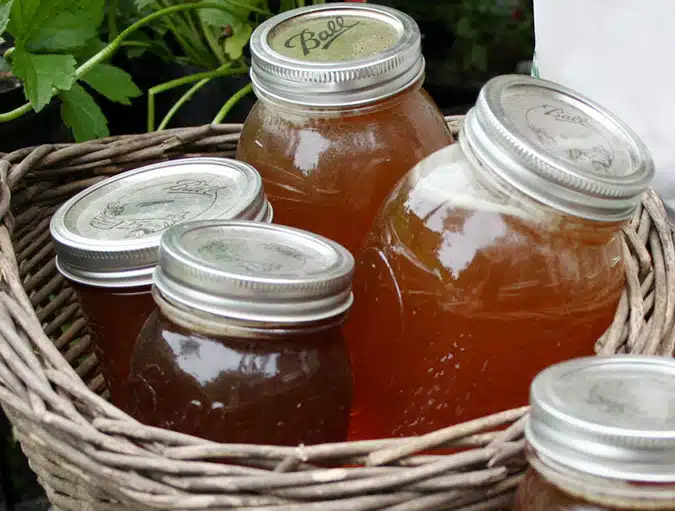
Products made and/or grown and harvested by New England gardeners make great gifts for friends and family members. The money spent on these products stays local and supports the local economy in addition to supporting your area’s gardeners, farms and growers. Roadside farm stands, indoor farmer’s markets, craft fairs and country stores are all great […]
Gardens
Gardens
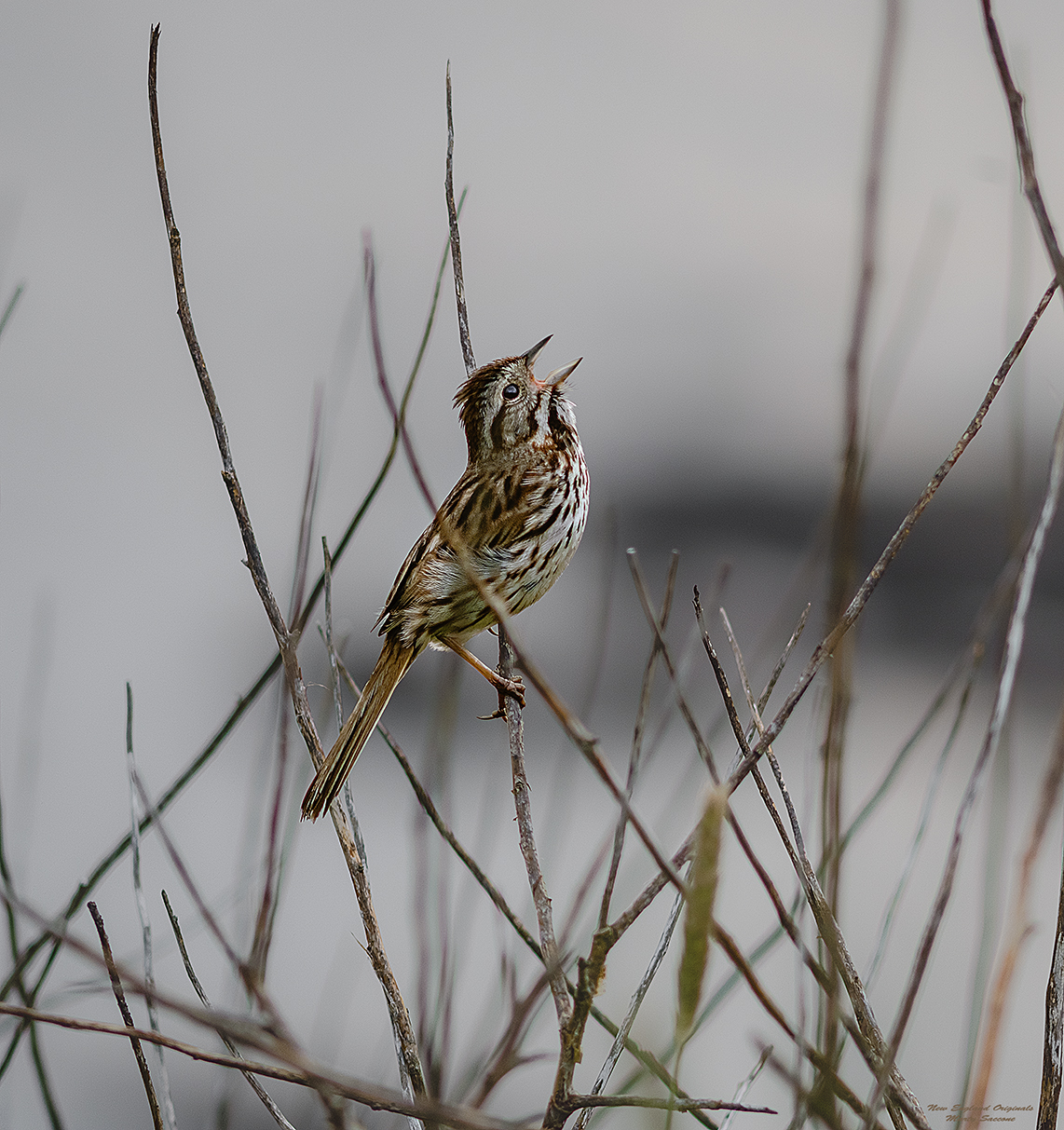
Savannah Sparrow
Photographed at Quoddy Head State Park, Lubec, Maine The Savannah Sparrow These birds forage on the ground or in low bushes; particularly in winter they are also found in grazed low-growth grassland. They mainly eat seeds, but also eat insects in the breeding season. They are typically encountered as pairs or family groups in the […]
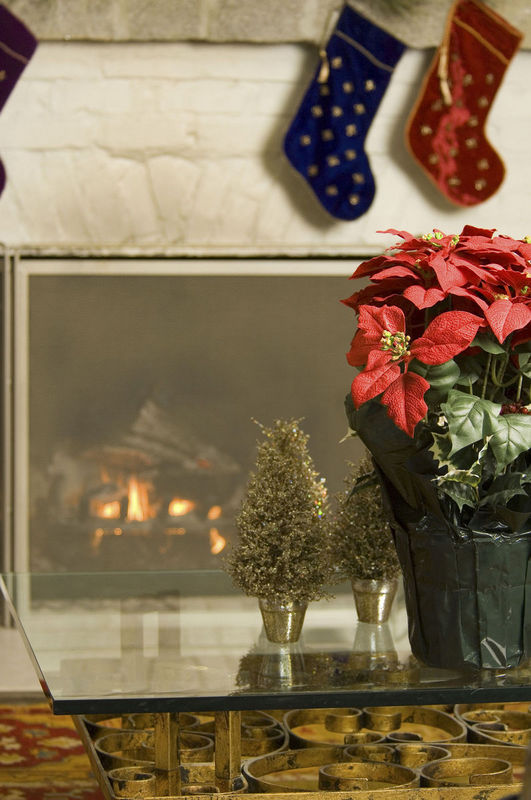
A year ago last spring, I put two healthy (still red) poinsettias in my garden. In the fall, I brought them back inside, still healthy but green. I though they would make red leaves for Christmas, but they didn’t. What went wrong? Why didn’t my poinsettia plants turn red? The red — or pink or […]
Gardens
Recycled Plant Containers
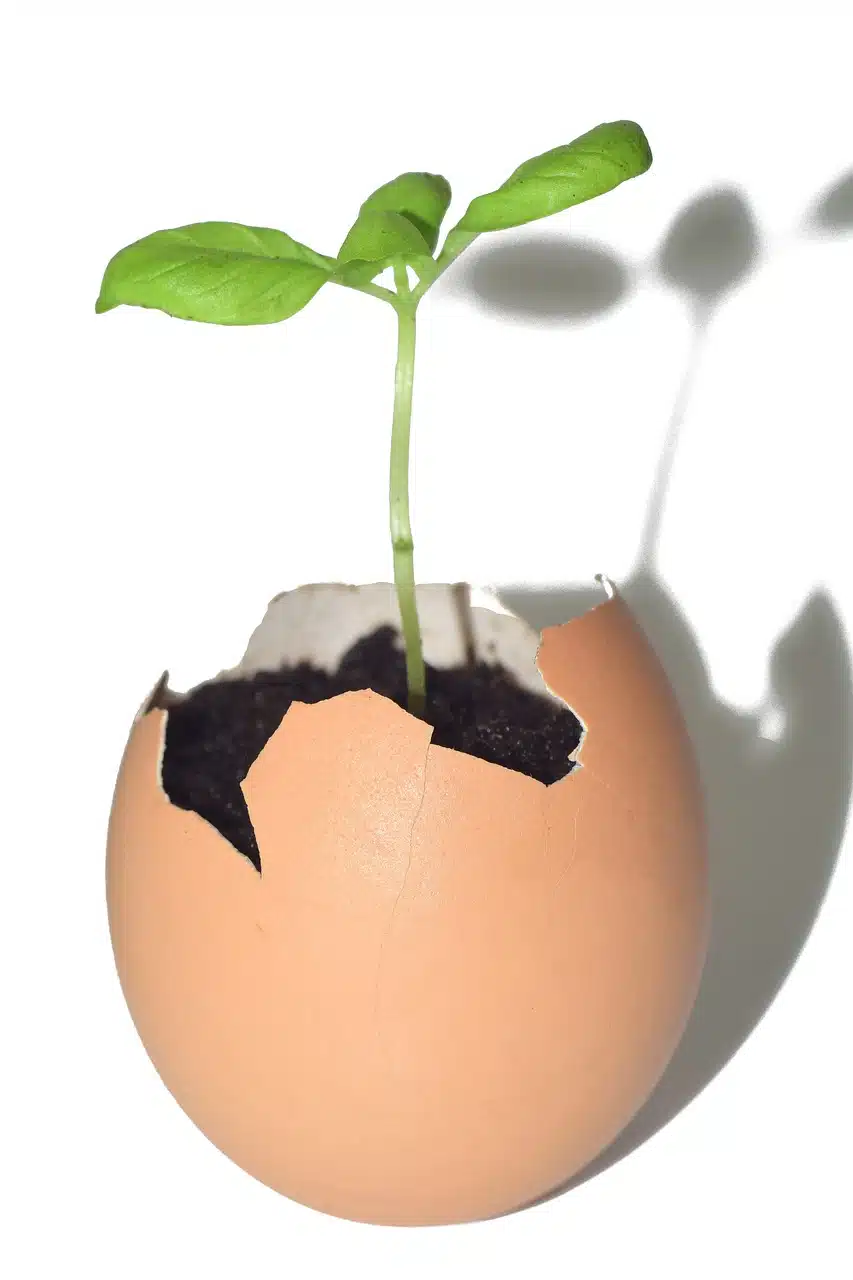
Looking for fun, unusual and fresh ideas for vessels in which to start houseplant cuttings or seedlings this winter? Here are simple instructions to create 4 recycled plant containers to nurture tender and young plants in until they are established enough to be transplanted into larger containers or permanent areas. Paper Egg Cartons The recyclable […]
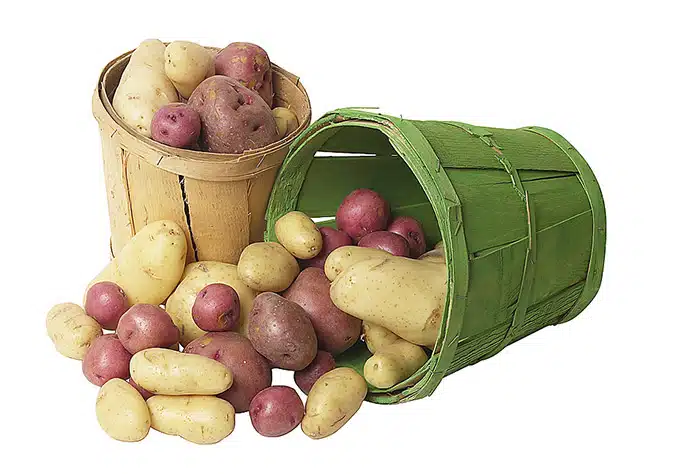
Thousands of different varieties of potatoes are grown worldwide in a broad range of shapes, sizes and colors from tiny fingerling potatoes to the medium sized rounded reds to the larger yellow and whites and even some specialty purple varieties. Here in New England, potatoes are abundant and easy to grow and are very much […]
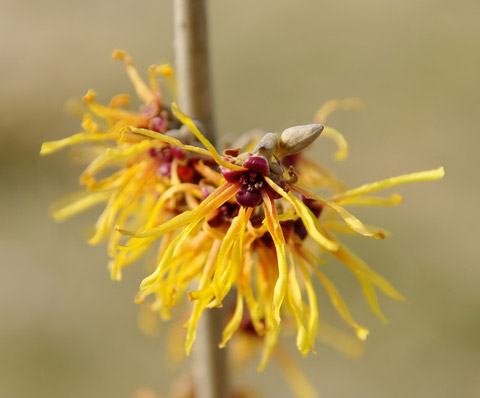
Witch hazel is a fascinating plant because it blooms at the very end or the very beginning of the growing season. Find out more about this perennial plant.
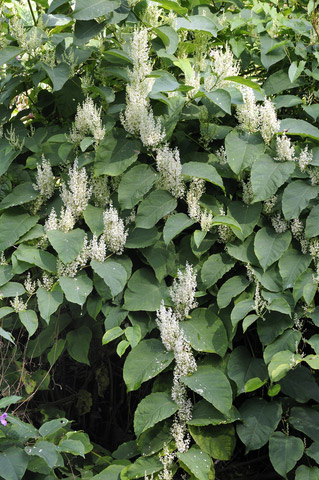
A tall, grassy plant we call “bamboo” has been spreading like wildfire near a brook on our property, and we can’t control it. We don’t want to use anything that will affect our water, wells, or wildlife. — P.D.S., Agawam, MA Polygonum cuspidatum, commonly known as Japanese knotweed or Japanese bamboo, was introduced from eastern […]
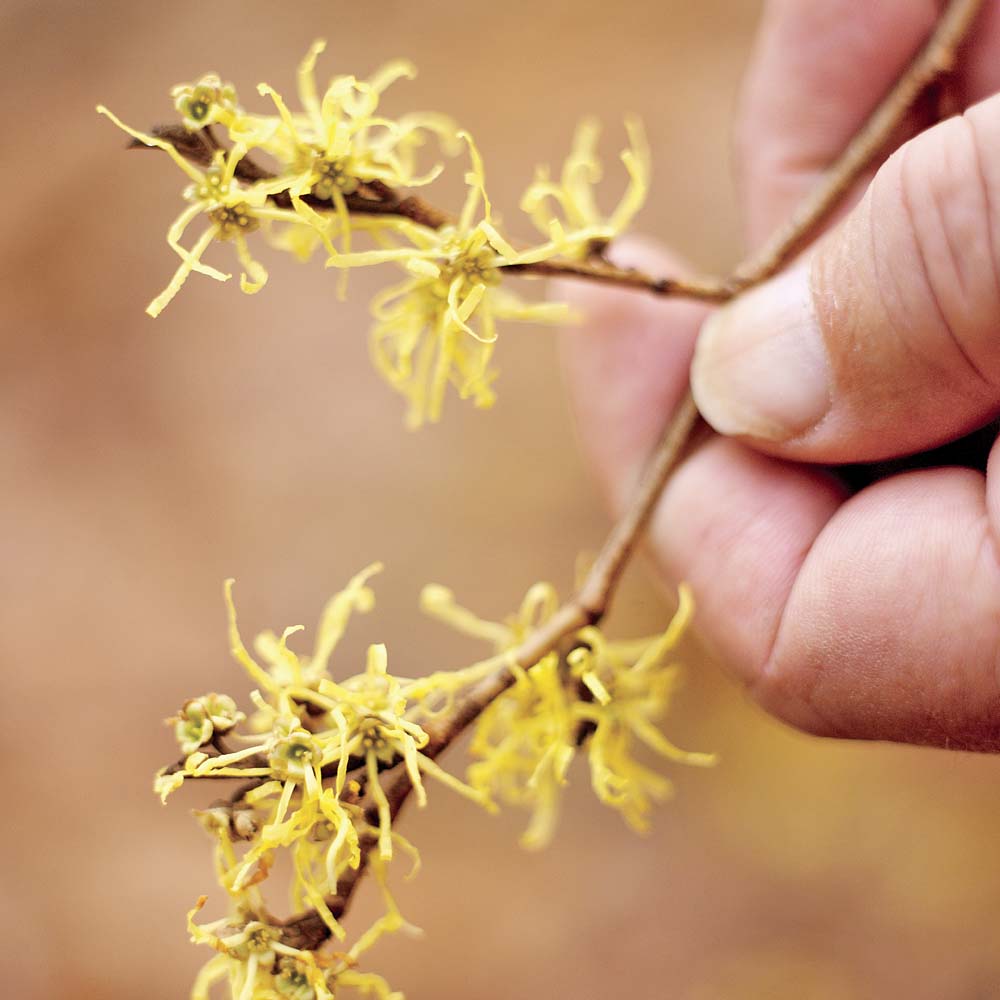
Eastern Connecticut is the witch hazel capital of the world. Why is witch hazel important? 1. Native Americans used witch hazel teas and tinctures to treat cuts and scratches, insect bites, poison ivy, bruises, swelling, and sore gums, among other ailments. 2. Witch hazel extract can speed healing of blisters, cold sores, shaving nicks, and […]
Gardens
Fall Gardening Suggestions
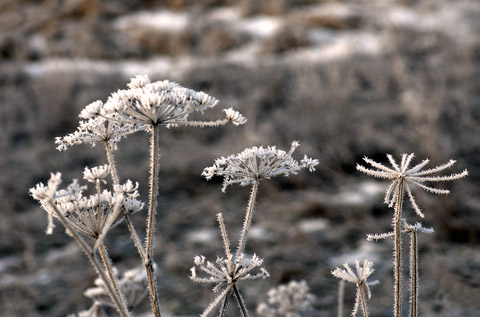
When doing your fall garden cleanup, leave some of your seed heads and dried plant material for wildlife to use for winter food and shelter. Many butterflies and pollinators overwinter in the garden. Think of your winter landscape. Leave ornamental grasses, astilbe, butterfly bushes, sedum, and other plants standing for winter interest. It’s best not […]
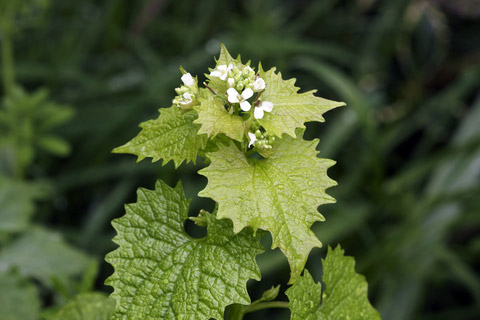
The trees in the area next to my yard have been overrun by vines, and the ground is covered with evergreen undergrowth. The vines still have some orange berries from fall; the lower plants were topped with white flowerheads last spring. What can I do to save my woods? J.F., Worcester, MA Invasive plant species […]
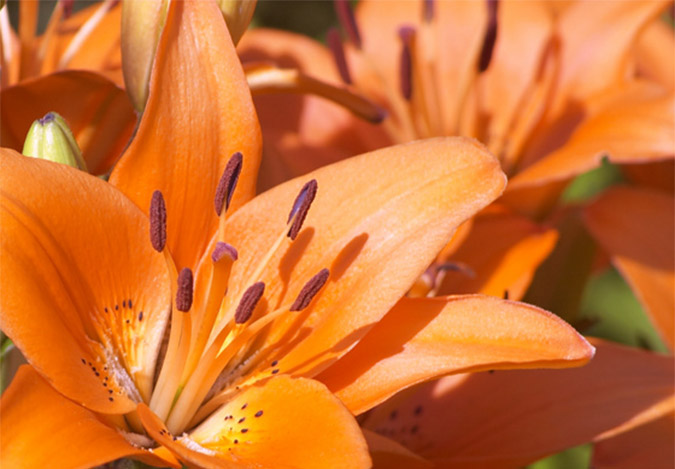
Are daylily buds edible? How do you cook them? — F.P., Berlin, NH The flower buds, flowers, leaves, and even roots of the daylily (Hemerocallis) are universally considered edible. But with any new food, it’s always prudent to try a small amount first in case your system reacts differently. Some people, for example, may have […]
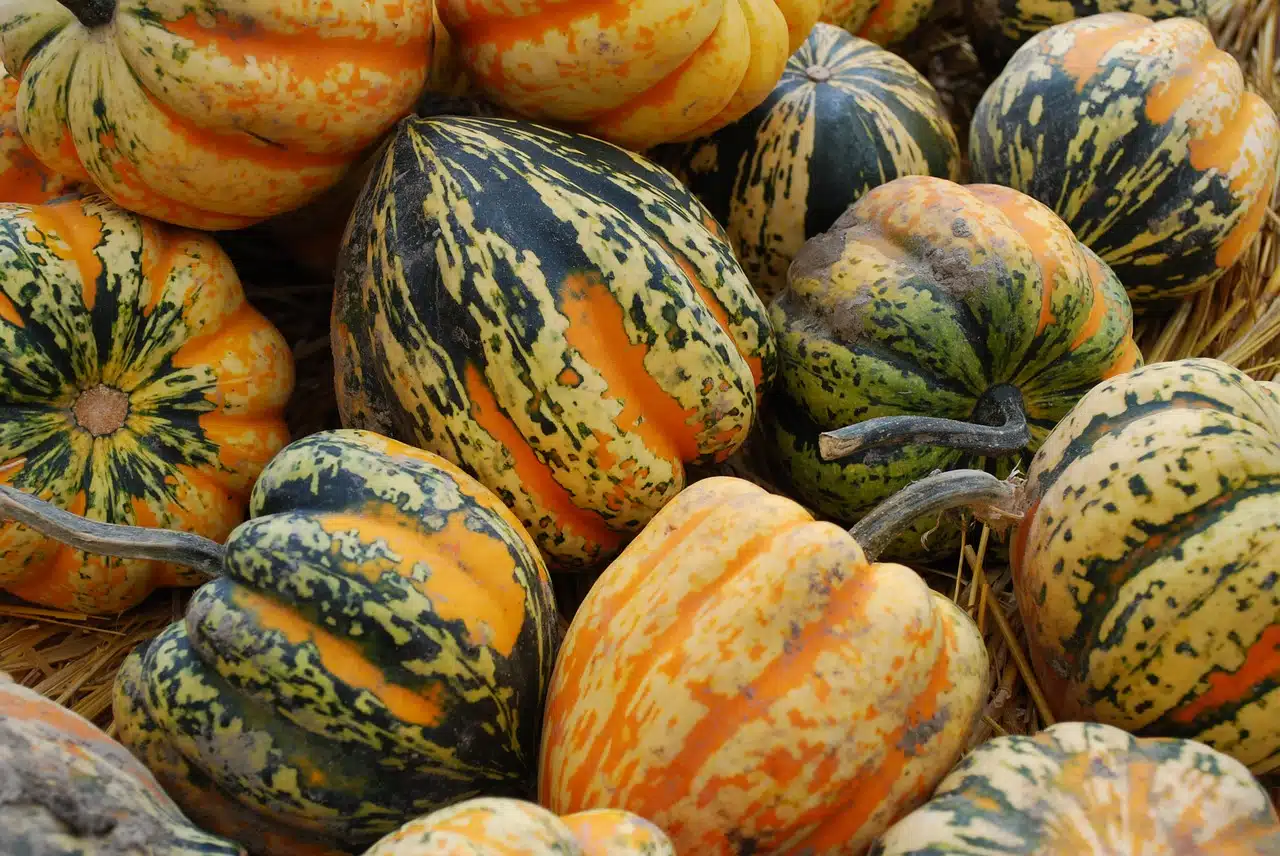
New Englanders have utilized winter squash for centuries. With its thick and tough shell, winter squash can be stored for extended periods of time in cool dry areas throughout the winter and into the spring. Winter squash isn’t only a hardy and nutritious food source, it’s also delicious, versatile, and yes-even fun. Read on to […]