Shack Attack, New England Camps | Knowledge & Wisdom
When you hear New Englanders announce, “We’re going up to the camp for the month,” this could mean a trip of anywhere from 200 miles to 200 yards. A camp, in New England, is a small seasonal dwelling—not a second home, but an antidote to home. While camps tend to be highly idiosyncratic, most are […]
By Yankee Magazine|Apr 12 2018|

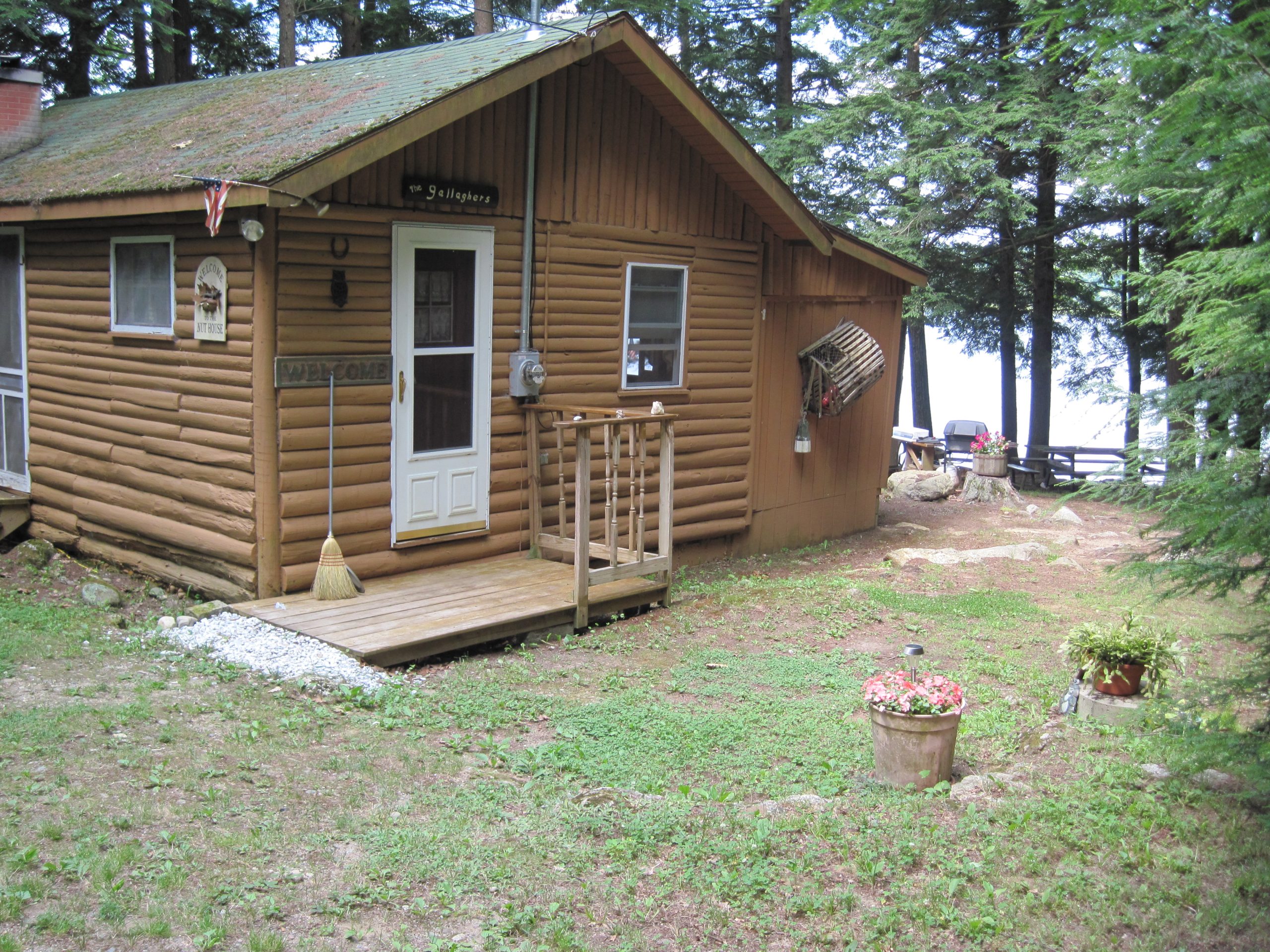
When you hear New Englanders announce, “We’re going up to the camp for the month,” this could mean a trip of anywhere from 200 miles to 200 yards. A camp, in New England, is a small seasonal dwelling—not a second home, but an antidote to home. While camps tend to be highly idiosyncratic, most are variations on a few basic themes:
Seaside
Name: “Spindrift” / Typical diversions: Swimming, sunbathing / Pests: Greenheads / Chore you don’t get around to: Fixing broken beach chair / Specialty of the house: Lobster / Inescapable problem: Noisy neighbors
Lakeside
Name: “Whispering Pines” / Typical diversions: Sailing, swimming / Pests: Mosquitoes / Chore you don’t get around to: Rebuilding old dock / Specialty of the house: Sautéed trout / Inescapable problem: Friends who “just happened by” with swimsuits
Mountainside
Name: “Shangri-La” / Typical diversions: Hiking,
board games / Pests: Blackflies / Chore you don’t get around to: Replacing moribund gas refrigerator / Specialty of the house: Sweet corn / Inescapable problem: Access road washes out every spring
Backwoods
Name: “Ta-Pa-Nu-Keg” / Typical diversions: Card games, shooting at empty bottles / Pests: Varmints / Chore you don’t get around to: Splitting unsplittable pieces of firewood / Specialty of the house: Defrosted deer steak with canned mushrooms / Inescapable problem: Privy needs to be moved
—Adapted from “Understanding Camps” by Jon Vara, August 1995