Franks & Beans Revisited
Inspired by a Maine farm, we found five new ways to celebrate the classic New England pairing of franks & beans.
By Molly Shuster|Jan 20 2015|

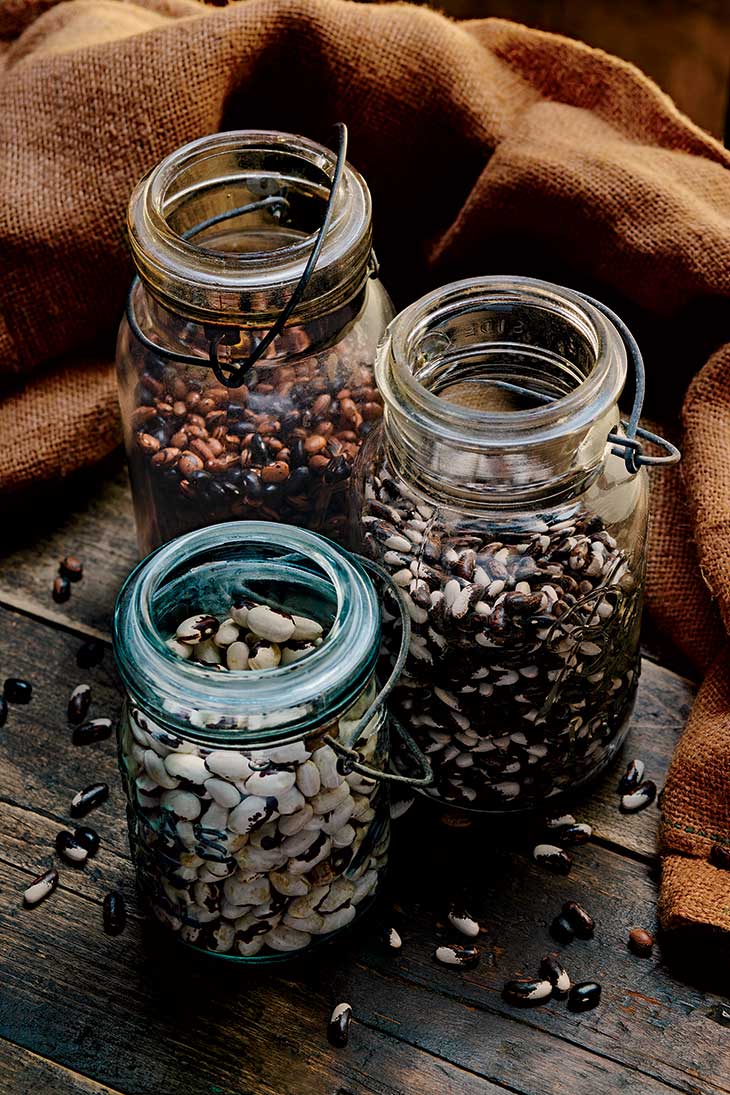
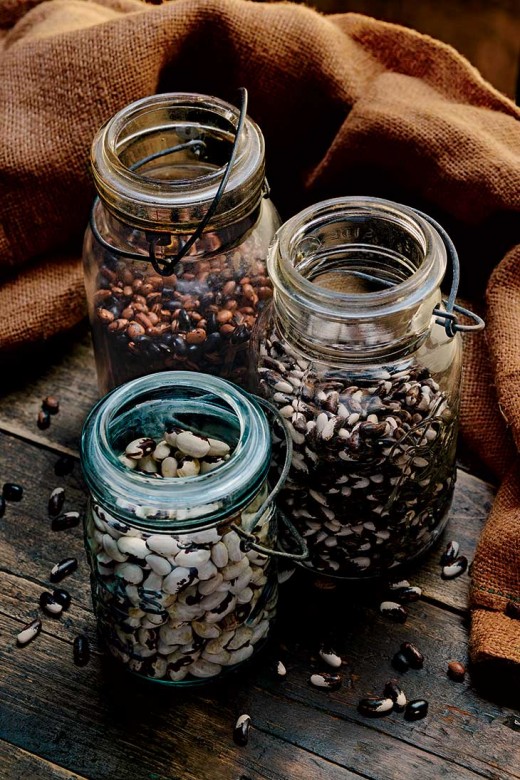
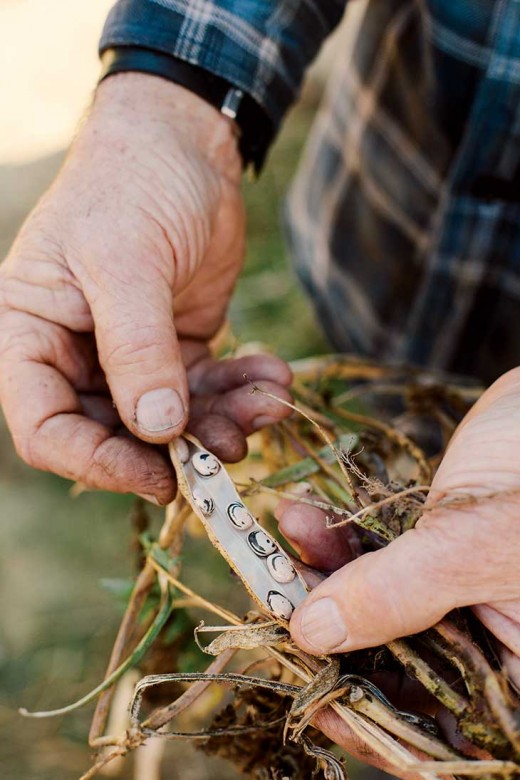
Bumblebee, Appaloosa, and Peregion Beans.
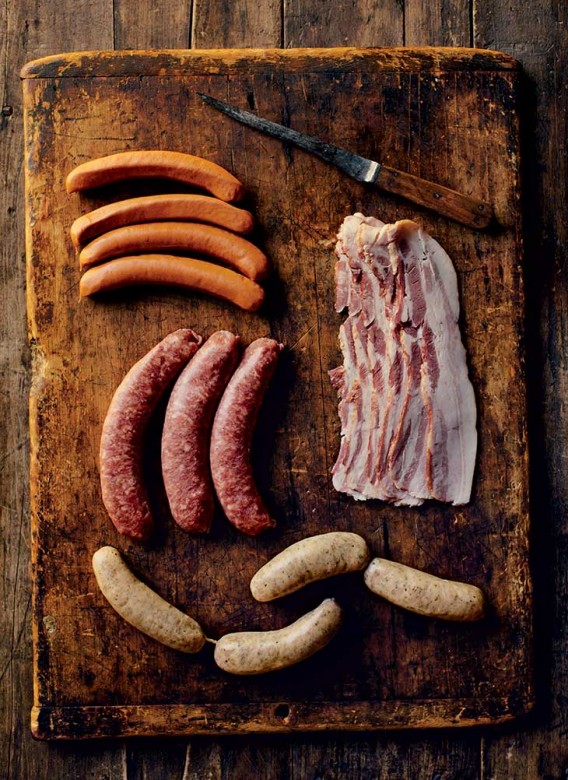
Credit: Adam DetourBeans are one of the founding foods of America, a staple that kept the European colonists alive long enough to get their project underway. The Pilgrims arrived on these shores toting seeds for peas, but when those plants failed to thrive, they followed the example of their Native neighbors and turned to indigenous beans. From England, they also brought a taste for sausages, which functioned as a way to preserve meat and to use up scraps at butchering time.
Credit: Adam Detour
Credit: Adam Detour
Over time, beans met sausage in every kind of variation, from soups to long, slow bakes—a pairing that reached its zenith (or nadir, depending on your perspective) in that cafeteria classic, franks ’n’ beans.
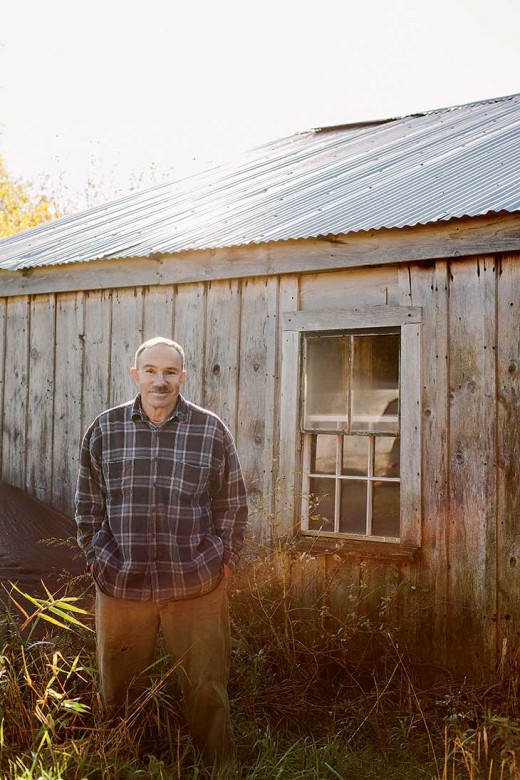
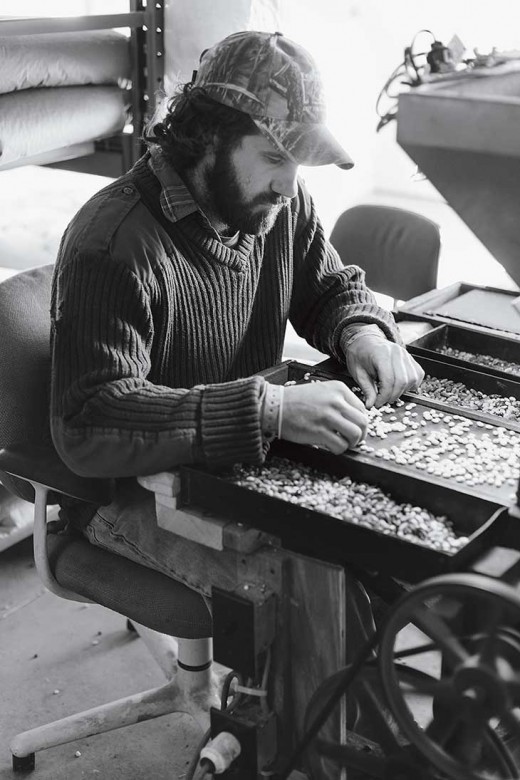
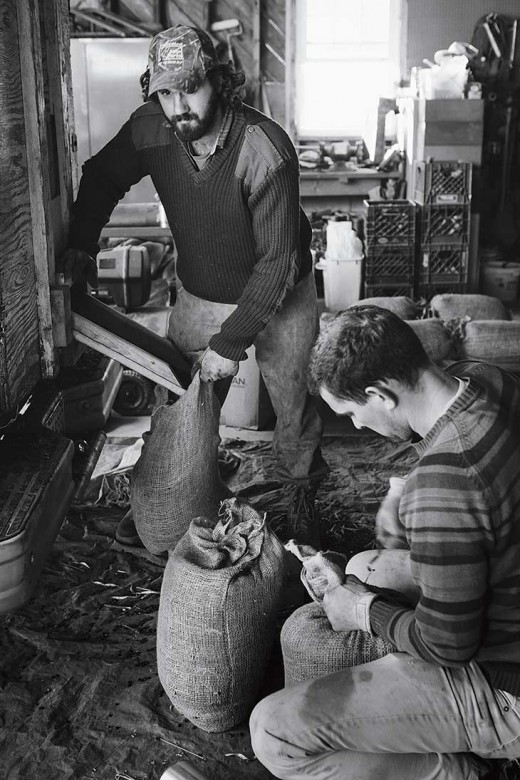
We were inspired to revisit this combination after being introduced to Charley Baer, who grows heirloom beans on his 80-acre farm in southern Maine with the able help of four assistants: Jonathan Zoba, Nicholas Hanlon, Harvin Groft, and Jenna Darcy. Under the brand “Baer’s Best,” Charley sells old standbys like kidney, cannellini, and black turtle beans, as well as rare varieties like bumblebee, money, calypso, and Boston Roman. Some of the farm’s oldest varieties, including yellow eye, Jacob’s cattle, and sulphur, date back to Colonial times.
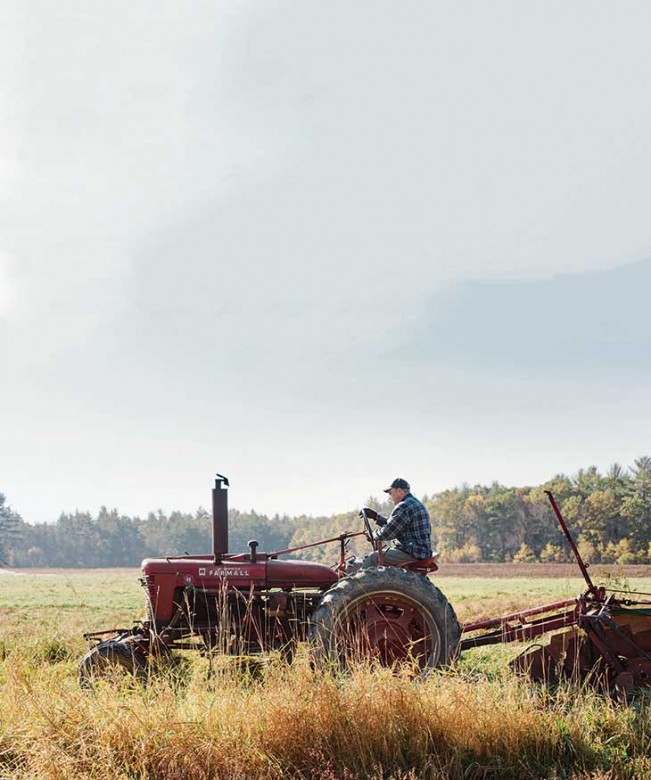
Charley discovered farming in the early 1980s, while visiting friends in central Maine who had apprenticed under a bean farmer. The farmer had taught them his trade, then sold them his equipment. Charley came to help on weekends, the farm grew, and one or two bean varieties became five, then 10 and 20. “You get your first tractor and it’s all downhill from there,” he says.
Credit: Adam Detour
Credit: Adam Detour
Credit: Adam Detour
Charley’s heirlooms are not only healthy, they’re beautiful. Ranging in size, shape, pattern, and color, they’re a world apart from commodity beans. The farming methods and equipment used to produce them—his gear includes 1948 and 1952 International Farmall tractors, a 1950s Bidwell bean combine, and century-old sorting tables—hark back to a time when local, smaller-scale food production wasn’t the zeitgeist but simply the way of life.
Just down the road from Charley’s farm, his neighbors, Becky and Phil Brand of Brandmoore Farm, produce high-quality bacon, pork chops, and sausages (as well as raw dairy products, including grass-fed milk, yogurt, and cream). Young and ambitious, they’ve been running Brandmoore since 2012. “We’re having fun, and we have no trouble falling asleep at night,” Becky says with a smile.
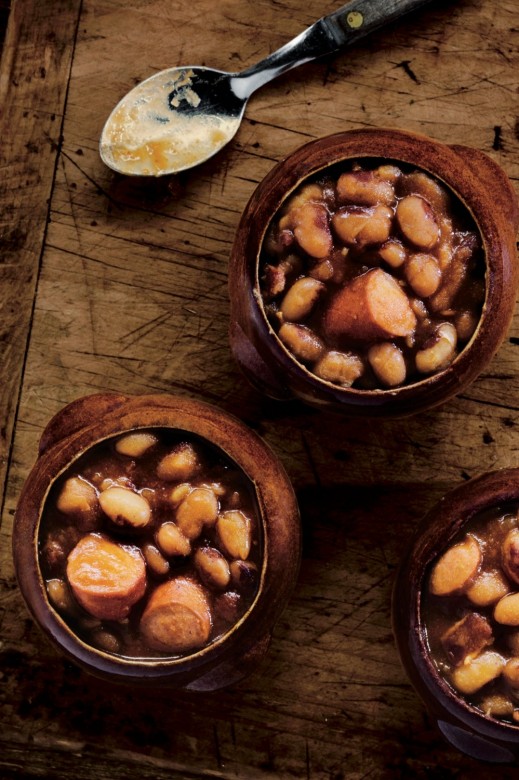
Rich and savory, Brandmoore’s sausages are a perfect counterpoint to Charley’s beans. Meanwhile, in other corners of New England, you can find additional delicious sausages and smoked meats, some made only with locally raised animals (see “Sourcing Local Sausages”). Inspired by this abundance, we explored this classic pairing in many forms—in pasta, soup, classic baked beans, stews, and even a salad.
Credit: Adam Detour
Credit: Adam Detour
Credit: Adam Detour
GET THE RECIPES:
Classic Baked Beans and Franks
Warm Bean & Squash Salad
Pasta with Sausage, Arugula & Breadcrumbs
Bean & Chorizo Stew
Cassoulet
LEARN MORE:
Sourcing Local Sausages in New England