



New England Fall Foliage | 2021 Forecast
Ready for another New England fall foliage season? Even with a wet weekend thanks to Henri, our forecaster sees the potential for lots of color! Read on for the full New England fall foliage 2021 forecast.
By Jim Salge|Aug 23 2021|

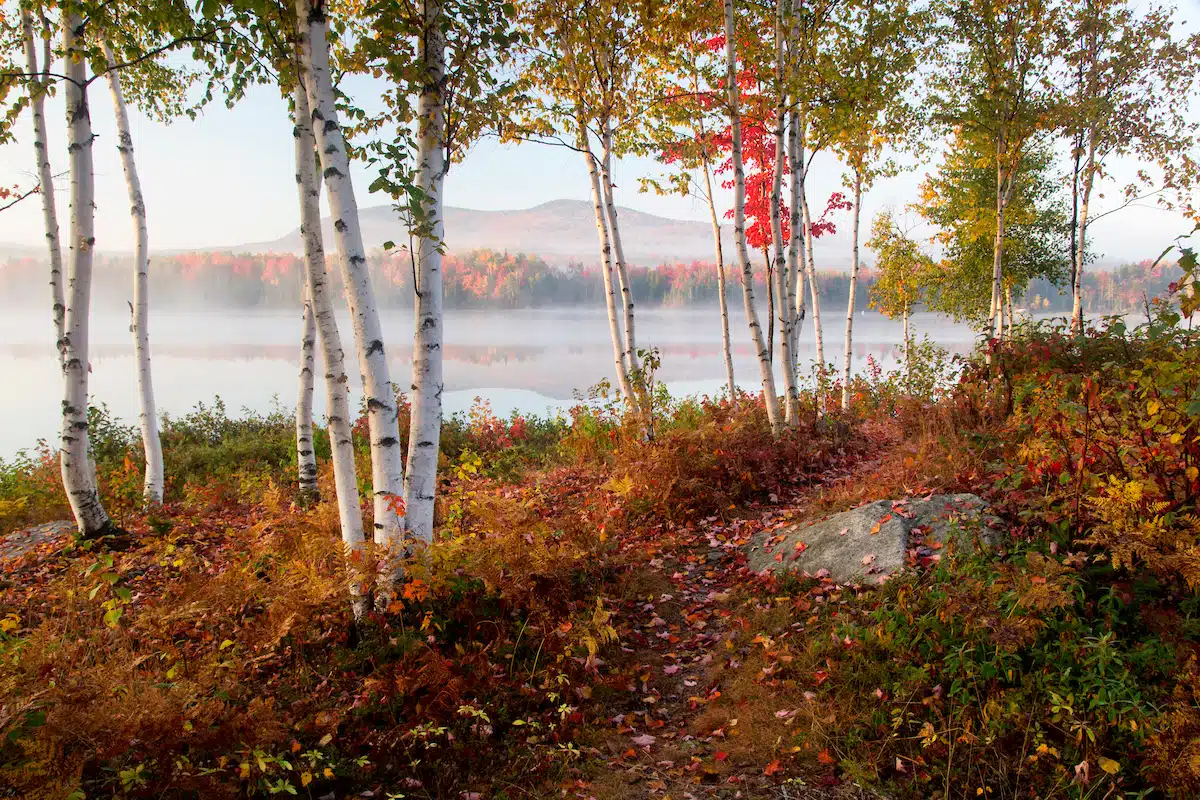
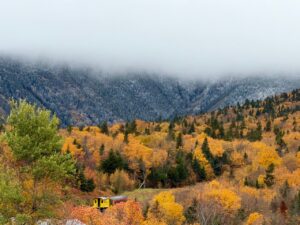
Year after year, New England has some of the brightest fall foliage in the world!
Credit: Jim Salge
Year after year, New England has some of the brightest fall foliage in the world!
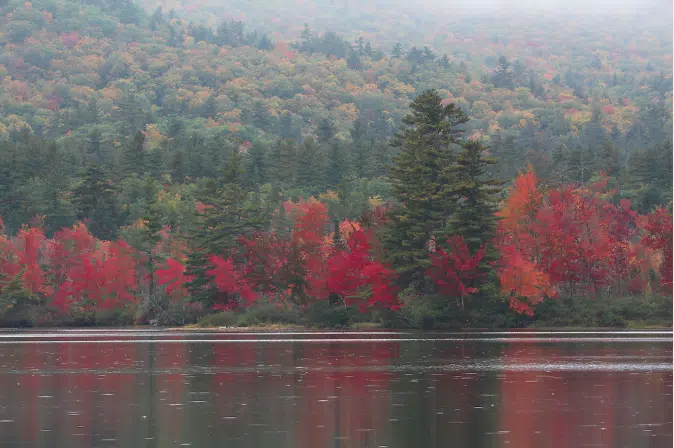
Credit: Jim SalgeCredit: Jim Salge We in the Northeast are fortunate in that our average climate conditions bring about some of the best fall colors in the world. Still, there can be significant variability in the timing, intensity, duration, and hue — and an examination of the weather, climate, and forest factors can help predict how the 2021 foliage season will shape up. One thing is already clear, though: Some signs of the season are showing up amazingly early. Anywhere that standing water has pooled and ponded this summer, you are likely now seeing red maples and black gums turning blazing bright. How will this affect the overall New England fall foliage season? As always, it’s a complex question to tackle. Let’s dive in!
New England Fall Foliage 2020 | Influences
Weather & Climate
An Odd Winter
Healthy trees and a full canopy of leaves are the first key ingredients for a stellar foliage season, and their story actually begins the previous winter, when the buds were formed and dormant. New England’s past winter was an odd one. Mid-December saw the heaviest snowfall, a historic dumping of the white stuff that was measured in feet — as many as four feet all at once! But while skiers were thrilled at the prospect of starting off their season with a massive base, that enthusiasm was washed away on Christmas Day: Temperatures rose above 60 degrees, rain poured down, and the snowpack vanished.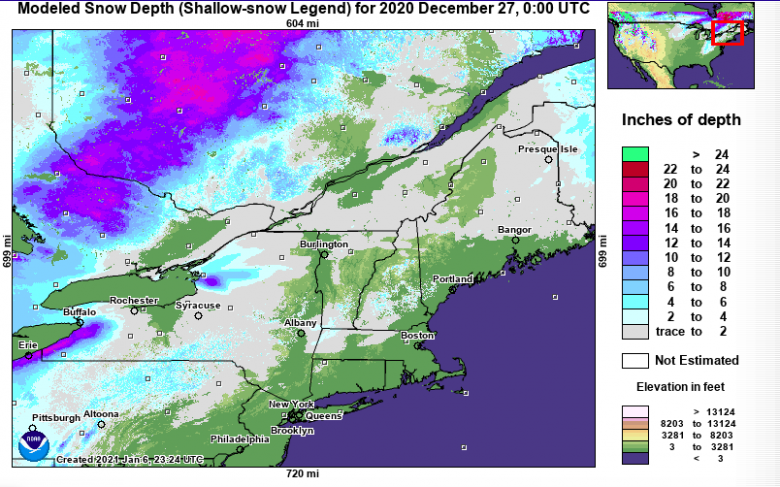
A heavy rainfall and warm weather on Christmas wiped away all the snow in New England.
Credit: NOAA NERFCCredit: NOAA NERFC Nationwide, the major weather storylines of last winter were marked by massive cold snaps and images of busted pipes and indoor icicles all the way to the Gulf of Mexico. New England, however, remained largely warmer than normal. Outside of its high mountains, it never received another major snowfall, and most areas didn’t see even a single snowflake in March.
A Dry Spring
The forests of New England rely on a slowly melting snowpack to deeply wet the soils and water the trees in advance of springtime leaf-out. But by April Fool’s Day, it had all largely melted. A surprise snowstorm in mid-April didn’t do much to abate the dry conditions, and there was little rainfall all the way through June. Leaves arrived on time but were perhaps a bit small and thin this year. Then, in July, it started raining.A Wet, Cool Summer
Even without any tropical systems in play, July ended as one of New England’s top five wettest months ever, period. In Concord, New Hampshire, it rained on 24 of the 31 days in July. Ten to 15 inches of rain fell regionwide, and in some places close to 20. July was also abnormally cool, breaking our streak of months with above-average temperatures. (Random weather fact of the year, or maybe the decade: Augusta, Maine, was warmer last Christmas than it was this past Fourth of July.)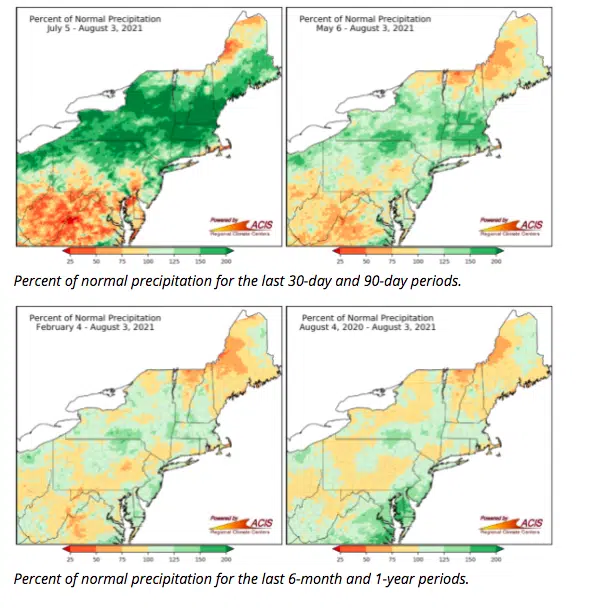
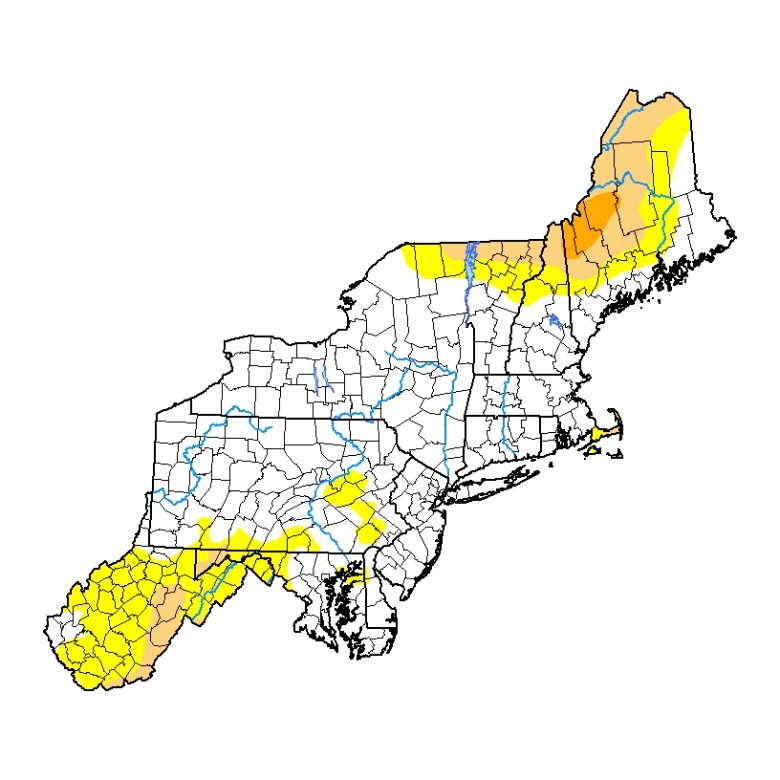
Despite a very wet July, we’ve had generally below normal rainfall this past year.
Credit: NOAA NECCCredit: NOAA NECC All that rainfall caused trees to move from drought-stressed to overwatered. Many red maples in swamps and wetlands began turning color as early as August — but don’t worry, these trees can hold their leaves for a long time, perhaps even until the big show begins, so these early signs in wetlands will be a long and beautiful preview this year. There was one big exception to this summer’s weather pattern: The far northern tier of New England, right along the Canadian border, where the leaves turn first, missed out on most of the rain (more on that later). Generally, though, as I write this 2021 fall foliage outlook, the soils are soaked and, even though the weather has turned slightly drier and warmer, hints of autumn abound.
Wildlife
Fungi and Insects
Any New Englander who’s spent time in the woods recently, or even their backyard, knows that this has been a banner year for mushrooms. Across the region, fungi of all types have transformed the forest floor into a rainbow of colors. And while mushrooms don’t have any effect on the foliage, they can give insight into other forest conditions. One type of leaf fungus that we look out for every year is anthracnose, which sets up in the spring and can really impact fall color. Because of the dry start to the year, it seemed likely anthracnose would not be much of a concern, but July proved so wet that it crept back in. So far it seems to be affecting only oak trees, but it bears watching.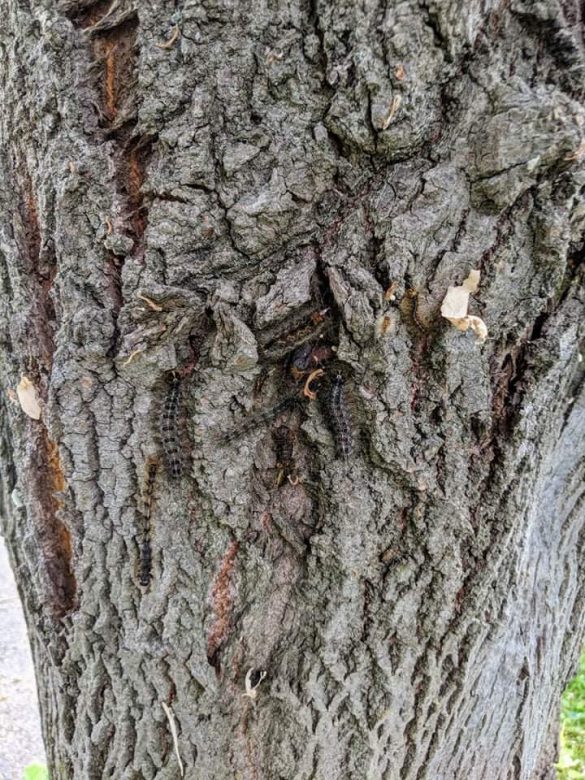
The LDD moth had its biggest outbreak in 30 years in New England in 2021.
Credit: Brian Drourr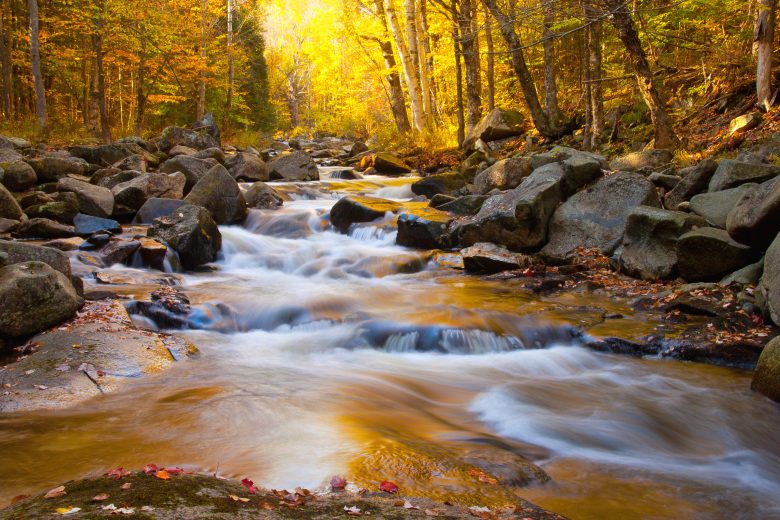

Excellent article! Thoroughly researched, well written and very informative. I love pieces like this!
Thank you so much for this historic information. Loved this article.
Looking forward to our change in scenery.
Good article. You got me thinking about my annual fall trip up to Northern New England in a month or so. A very special place for me.
We travel from L.I. to Vermont every Columbus Day weekend to see your spectacular scenery. Last year was absolutely perfect. Thanks for the forecast. Will check in again in September and pray that it’s just as beautiful again.
How will hurricane Henry (week of 8/20/21) impact the changing of the leaves? Any predictions or trends you can share? Most appreciated!
It wasn’t really a cool summer (albeit July), in fact it was the warmest summer in the boston area since 1872!