



What’s the Difference Between Bees and Wasps?
Bees and wasps may sometimes look alike, but there’s a lot that separates these two common summer insects. Learn the basic difference between bees and wasps, plus what to do if you get stung.
By Yankee Magazine|Feb 29 2016|

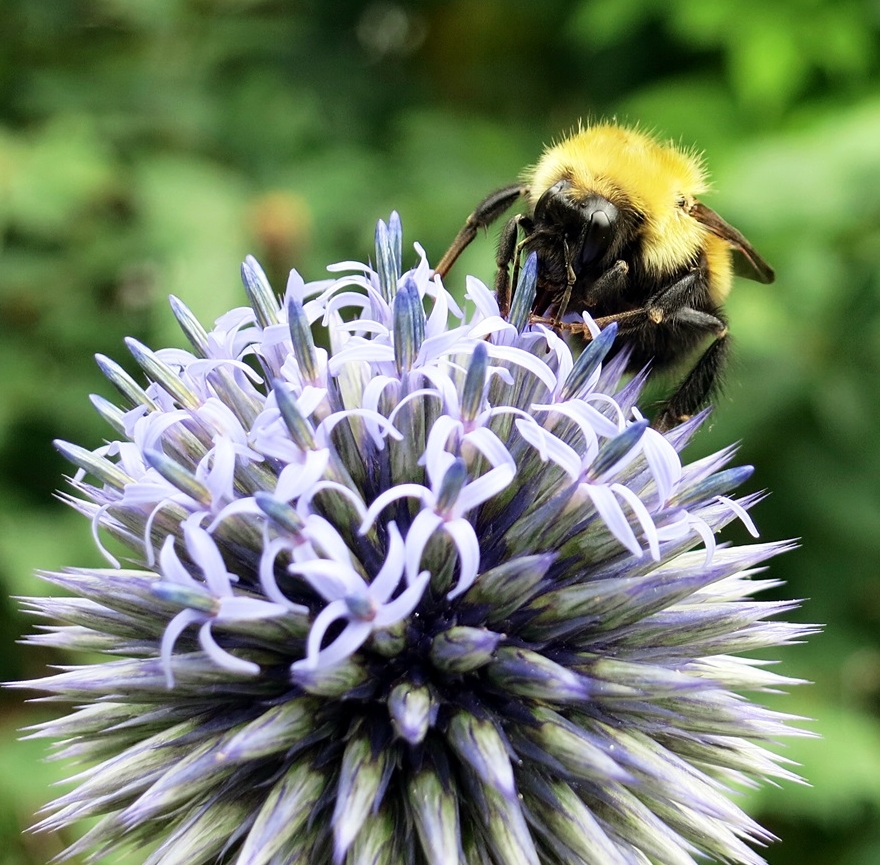
Ahh, summer in New England. The salty ocean air, the cool mountain breezes, the smell of hot dogs and hamburgers on the grill, and (alas) the occasional insect sting. But was it a bee or a wasp that just buzzed on by? Let’s find out the difference between bees and wasps, plus how to treat a bee or wasp sting.
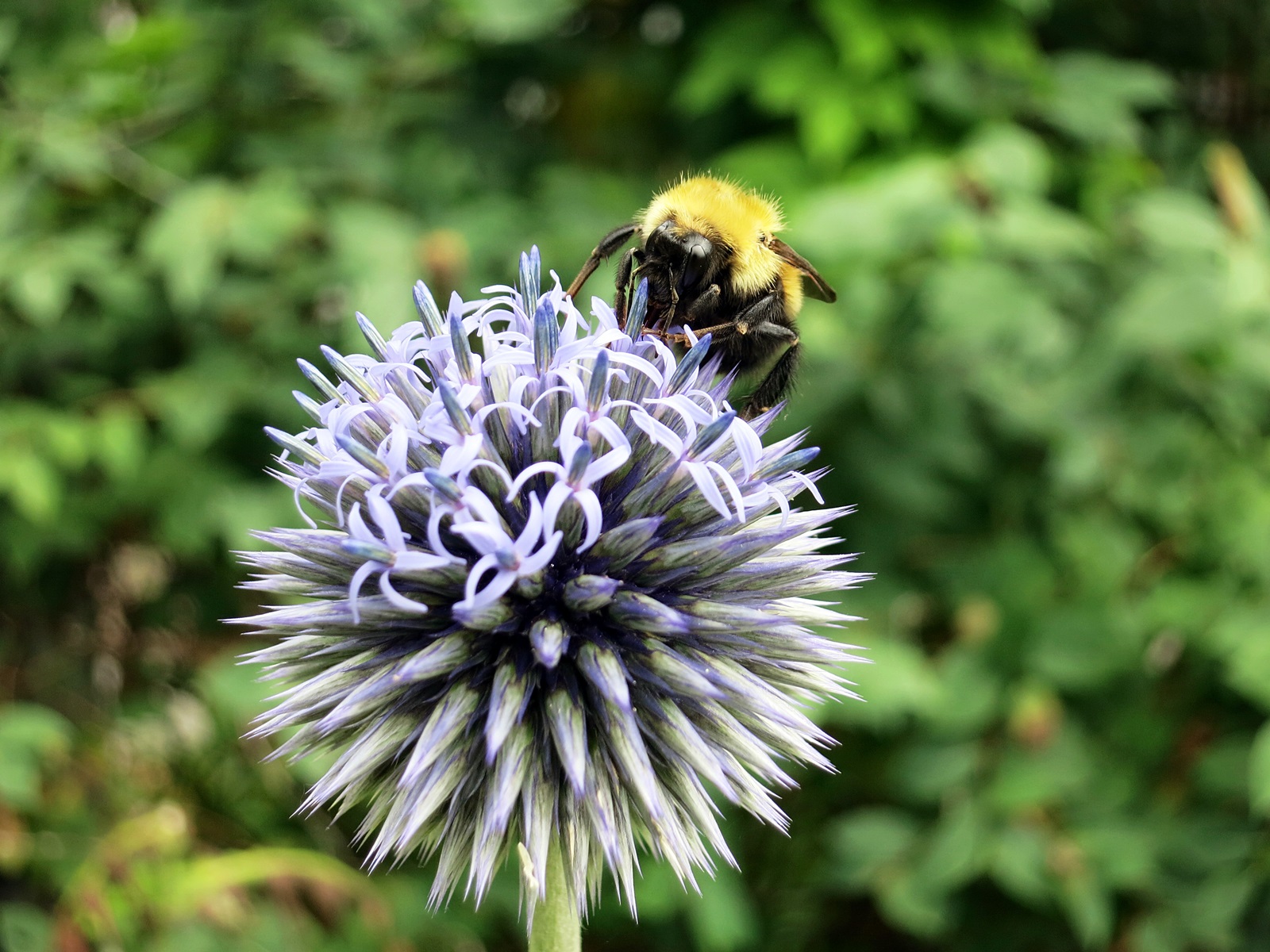
Credit: Aimee Tucker
BEE FACTS
Bees (such as bumble bees and honeybees) have hairy, almost “chubby” black and yellow bodies, with flat rear legs. As pollinators, bees focus on flitting from one plant or flower to another, gathering and distributing pollen. Their hairy physique and flat legs are perfect for this task, holding the pollen in place as they move about.
Bees feed nectar and pollen to their babies, meaning they are not predatory hunters, and are not known for their aggression.
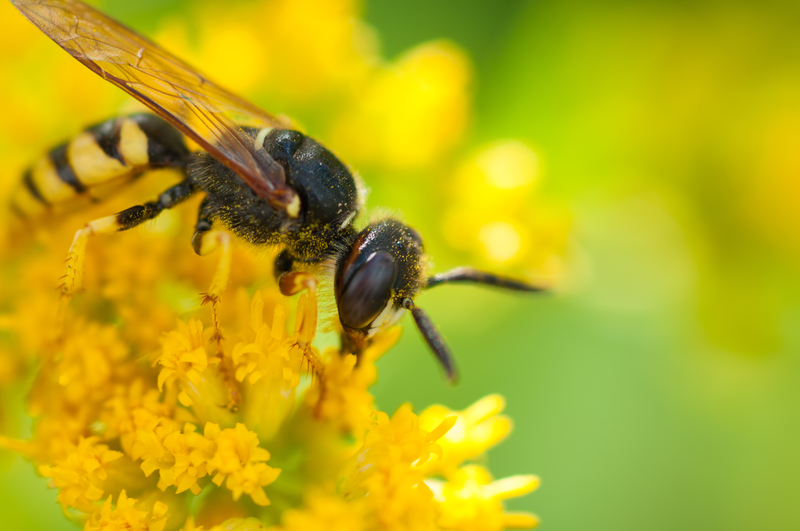
WASP FACTS
Wasps (yellow jackets and hornets are members of the wasp family) are also commonly black and yellow, but their slender, smooth bodies give them a more armored appearance than their chubby insect cousins. Wasps have round legs rather than flat, and rather than serving as pollinators, wasps are primarily predators, hunting things like flies and caterpillars.
Another difference between bees and wasps is that, as predators, wasps can be more easily provoked, earning them a reputation as the more aggressive species.
Pitted against bees, which produce honey and help pollinate the planet, wasps have a tough time in the PR department. Most often, they’re cast in the nasty villain role, darting around and stinging while the happy, fat bee busily makes honey.
Now, let’s get to the really nasty bit…a bit where there’s not much difference between bees and wasps…the stings.
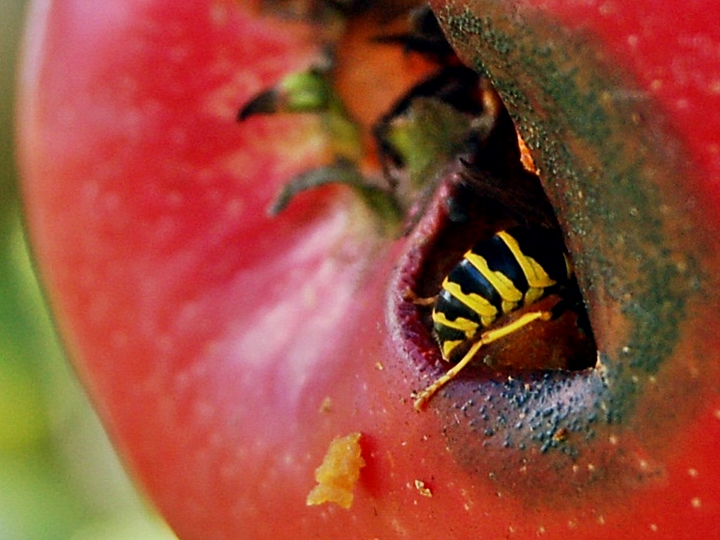
Credit: Aimee Seavey
BEE AND WASP STING FACTS
Both bees and wasps have the power to inject venom with a stinger attached to the rear of their bodies. You often hear that a bee or wasp dies after it stings you, but that’s really only true for honeybees, which have a barbed stinger that lodges in your skin. When the honeybee flies away after stinging a person, it leaves its stinger behind, which makes it understandably difficult to survive. Wasps and other bees do not lose their stinger in human skin, and (unless you’re quick with your foot or a rolled up newspaper), will live to sting another day.
If you’ve been stung by a bee or wasp, there are many folk remedies that claim to bring relief, but scientists say your best bet is to cleanly remove the stinger (if you don’t it will continue to pump venom for some time), and then apply anything cooling or numbing to the skin. Of course, if you’re allergic or if an allergic reaction begins to take place, call 911 immediately.
LEARN MORE: Treat Bee Stings and Other Bug Bites
As a general rule, it’s also wise to move away from an area where you or someone else has been stung, since both bees and wasps send out a signal after they sting, which may encourage more misfortune.
Do you have a favorite way to tell the difference between bees and wasps? How about treat a bee or wasp sting? Let us know in the comments!





I have had the misfortune to have been stung by honeybees, paper wasps and yellowjackets and. for me, the yellowjacket’s stings were the worst by far! The best relief I found was to wash the area of the sting in warm, soapy water. Then I put ice cubes in a Zip-loc bag, wrapped the bag in a towel and pressed this against the bite to bring down the swelling and relieve the pain. An old folk remedy I heard more than once, was to put some mud on the site of the sting. I tried it once when out in the woods and it did seem to work, but putting mud on any kind of sting or bite can lead to infection and I wouldn’t recommend it. Soap and water are much better!