4 Houseplants You Can Grow from Kitchen Scraps
Most people are aware that certain vegetables, such as celery, onion, and lettuce, can be regrown from kitchen scraps, but did you know that ornamental plants can be grown from kitchen waste as well? Most kitchen-scrap plants begin sprouting within weeks, and the source material is literally at your fingertips. Why not dig out your […]
By Shelley Wigglesworth|Mar 16 2015|

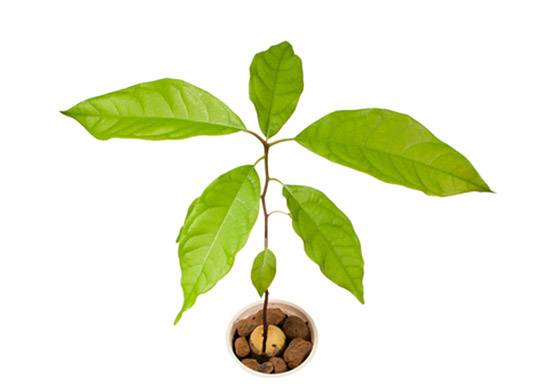
Avocado plant grown from pit.
Credit: DreamstimeMost people are aware that certain vegetables, such as celery, onion, and lettuce, can be regrown from kitchen scraps, but did you know that ornamental plants can be grown from kitchen waste as well? Most kitchen-scrap plants begin sprouting within weeks, and the source material is literally at your fingertips. Why not dig out your spare plant pots, fill them with a little clean potting soil, and start planting? Before you know it, you can have some new and interesting plants growing – and best of all, it won’t cost you a thing! Here are 4 houseplants you can grow from kitchen scraps!
- Potato and Sweet Potato: Look for a potato that has several eyes beginning to sprout. Insert four or five toothpicks or wooden skewers partially into the potato, but extending enough to hold it suspended in the mouth of a Mason jar or glass container. Fill the container with water until it covers some of the eyes on the bottom of the potato. Place the jar in an area with medium, preferably filtered, light. When the plant has at least three or four leaves on each sprout, remove from the water and move to a pot. Cover the potato and the new roots with lean potting soil. Potatoes are vine plants, and will trail, but if you prefer a fuller look, cut the vines back a few inches when they are approximately 8-10 inches long. Potato vines/plants are for ornamental purposes only. Do not eat.
- Avocado: There are two ways to start an avocado plant from the pit. One way is to follow the same method used for potatoes above, making sure that the bottom (larger end) of the avocado pit is in the water. When the roots fill the glass, transplant to a pot and cover with potting soil, leaving just the top of the seed exposed. Keep the soil moist. The second method is to place the cleaned pit directly in potting soil, bottom (large) side down, and keep the soil moist until roots develop. Although these plants can produce fruit, they typically won’t for several years. Indoor avocados are intended to be ornamental houseplants or trees.
- Pineapple: Select a mature pineapple that has healthy, firm, green leaves and a skin that is light brown. Make sure there are no signs of insects or disease on the leaves. Avoid plants that have leaves with gray spots. Grab the entire top set of leaves and twist hard to remove. Remove any bits of fruit that may be on the stem. Carefully cut small, horizontal sections from the bottom of the crown and stem until you see root buds, which will look like small dots. Let the cut section of crown with the root buds dry out for 2-3 days before placing it in a glass of water with the stem exposed. Change the water every few days. Within 3-4 weeks, roots will appear. At that point, plant the crown sections in cactus or succulent potting soil. This plant will take a few months to become established. Like the avocado, it is intended as a houseplant in New England – if it does produce fruit, it will take a few years.