



What Should I Do With All These Apples? | Ask the Expert
The lowdown fresh from Yankee’s apple expert, senior food editor Amy Traverso.
By Joe Bills|Aug 25 2016|

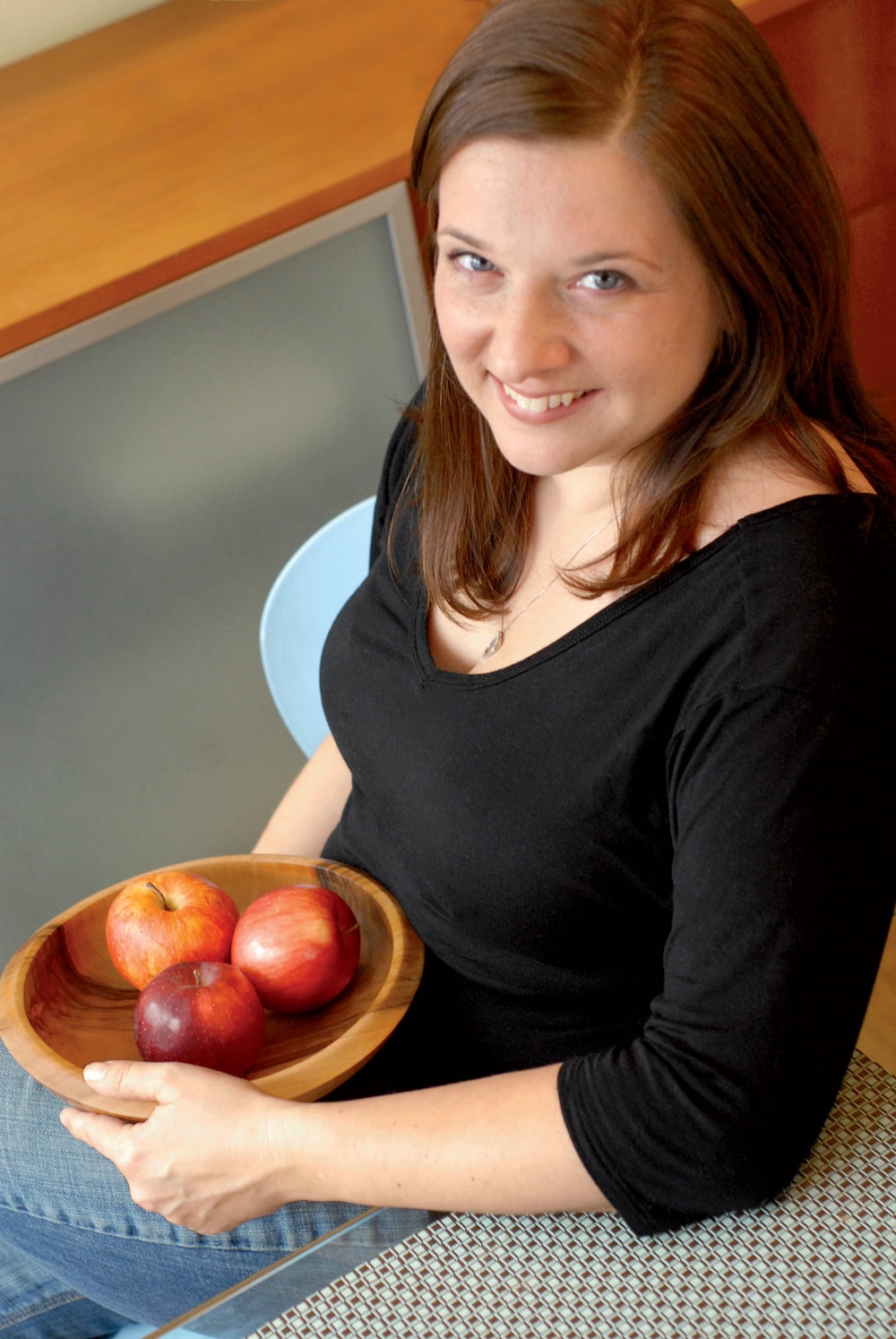
Senior Food Editor, Amy Traverso
Credit: Charan DevereauxToday apples have become the world’s third most widely grown fruit, behind only bananas and grapes. Here in New England, apples are an essential late-summer and fall staple. But with some larger orchards now growing 100 varieties or more, it takes an expert just to sort it all out. Amy Traverso, Yankee’s senior food editor and author of The Apple Lover’s Cookbook, shares her thoughts on getting the most out of apple season.
Credit: Charan Devereaux
All Apples Are Not Created Equal
“The two things that will make the biggest difference in how your dish turns out are the firmness or tenderness and the sweetness or tartness of the fruit,” Traverso says. “It’s good to be aware of where an apple falls along those spectra. A softer apple, like a McIntosh, will dissolve if cooked too long. A firmer variety, like Calville Blanc d’Hiver, can be heated much longer without cooking down.”
Varieties
In her book, Traverso divides apples into four categories: Firm–tart (Granny Smith, Rhode Island Greening, Northern Spy, Roxbury Russet) work in rich desserts that need some acidity; firm–sweet (Golden Delicious, Braeburn, Ginger Gold, Pink Lady) are best for delicate cakes and savory baked dishes; tender–tart (McIntosh, Cortland, Macoun) are best for sauces and for eating fresh; and tender–sweet (Gala, Fuji) are eaten fresh or used in salads or quick-cooking dishes such as pancakes.
Mix It Up
In many recipes, Traverso prefers a mix-and-match approach: “Using several varieties of apples from the same category will introduce a spectrum of flavors that will give your dish a unique taste. In dishes like pies or applesauce, the more varieties that are included, the more complex, and delicious, the flavor will be.”
Timing Is Everything
The longer a dish cooks, the firmer the apple should be. “My grandma made apple pie with Macs,” Traverso recalls. “They were delicious, but they were essentially applesauce pies.” She recommends using softer apples for dishes that cook quickly, like muffins, and firmer ones for dishes that cook 45 minutes or more.
Freshness
Buying straight from the orchard or at a farmers’ market is best, of course. In the supermarket, buying fruit marked “local” gives you your best shot at reasonable freshness. Indicators like color and firmness often can’t be trusted, because growers and researchers have developed controlled-atmosphere storage methods to manipulate the fruit.
Creative Shopping
Even if you’re limited to supermarket apples, you can still mix and match to get interesting flavors. A combination of half Granny Smith and half Yellow Delicious, Traverso notes, results in a complex sweet-and-tart flavor. Larger grocery stores, however, are likely to carry a varied array of apples in season. Pink Pearl and Calville Blanc d’Hiver are two under-appreciated varieties that she recommends keeping an eye out for.
Extend the Season
Historically, many apples were prized primarily because they kept well. Technology has rendered that concern somewhat obsolete. If you don’t have a root cellar, Traverso recommends storing apples in a paper bag in your refrigerator’s produce drawer. “I’ve successfully stored Newtown Pippin and Northern Spy well into spring,” she says. “Also, pies can be made and then frozen prior to cooking. This is a great way to get extended use out of your firmer apples.”
Like Butter
One of Traverso’s favorite recipes for using up lots of apples is apple butter: “It’s easy, and it cooks in a slow cooker overnight. I cook the apples—as many varieties as possible for the most complex flavor—with a little apple cider. Once they’re simmering, I turn the heat down, leave the lid ajar, and go to bed. Some slow cookers run hotter than others, so try this out during the day first and keep an eye on it. But by morning you’ll have apple butter, and your whole house will smell amazing.”


Hello Amy–I just tried the APPLE CREAM TORTE attributed to you. It was good. However, why on earth do you have the batter put in a springform pan. From previous experience I know the batter will leak, so I put foil around the outer edge and under the pan. Still leaked under the pan itself, where a good portion of the cake settled. I ate it, very spongy. You also need to put a pan underneath the springform pan to catch seepage while baking. Is there a leak proof springform pan that I am not aware of? if not how about using something else? thanks, Lili
Not a comment but a question. I just discovered that I have a tree on my property that appears to be a Black Oxford apple tree which originated in Maine circa 1790. My research indicated it is a winter apple. Could you please lend some advice on when to harvest, how to store, and best uses for this breed. Thank you I am a longtime subscriber to your magazine
Do you have a recipe for apple pancakes or apple fritters?
My Dad always said the best apples for apple pie are Cortlands. I agree and think they are delish in a pie.
Any apple dish is great–when someone gives you the apples!!!!