Historic Salem Walking Tour | McIntire Historic District
Looking for a historic Salem walking tour – the perfect combination of history, New England architecture, and fresh air? Look no further than Salem’s McIntire Historic District.
By Bethany Bourgault|Jun 09 2016|

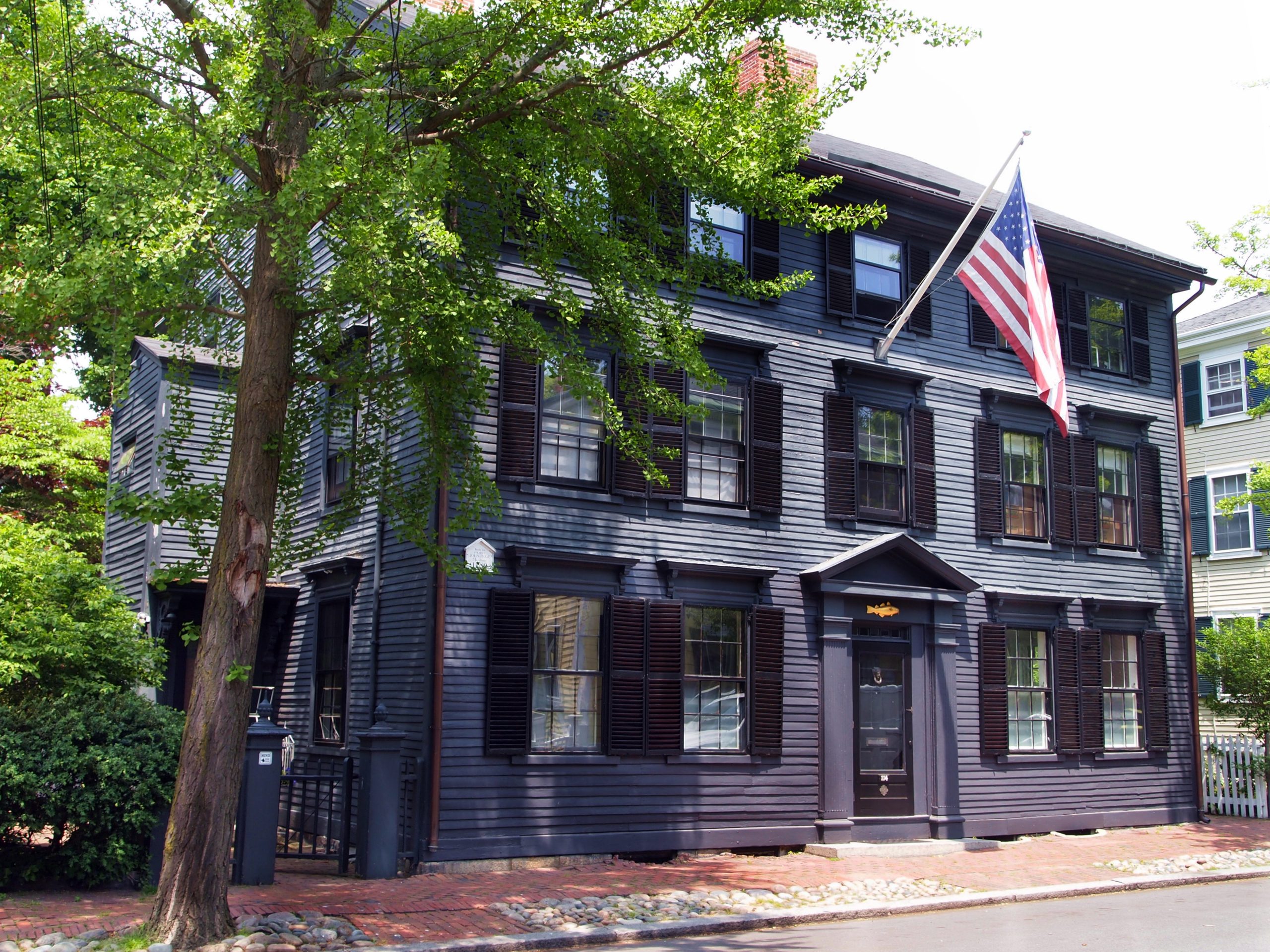
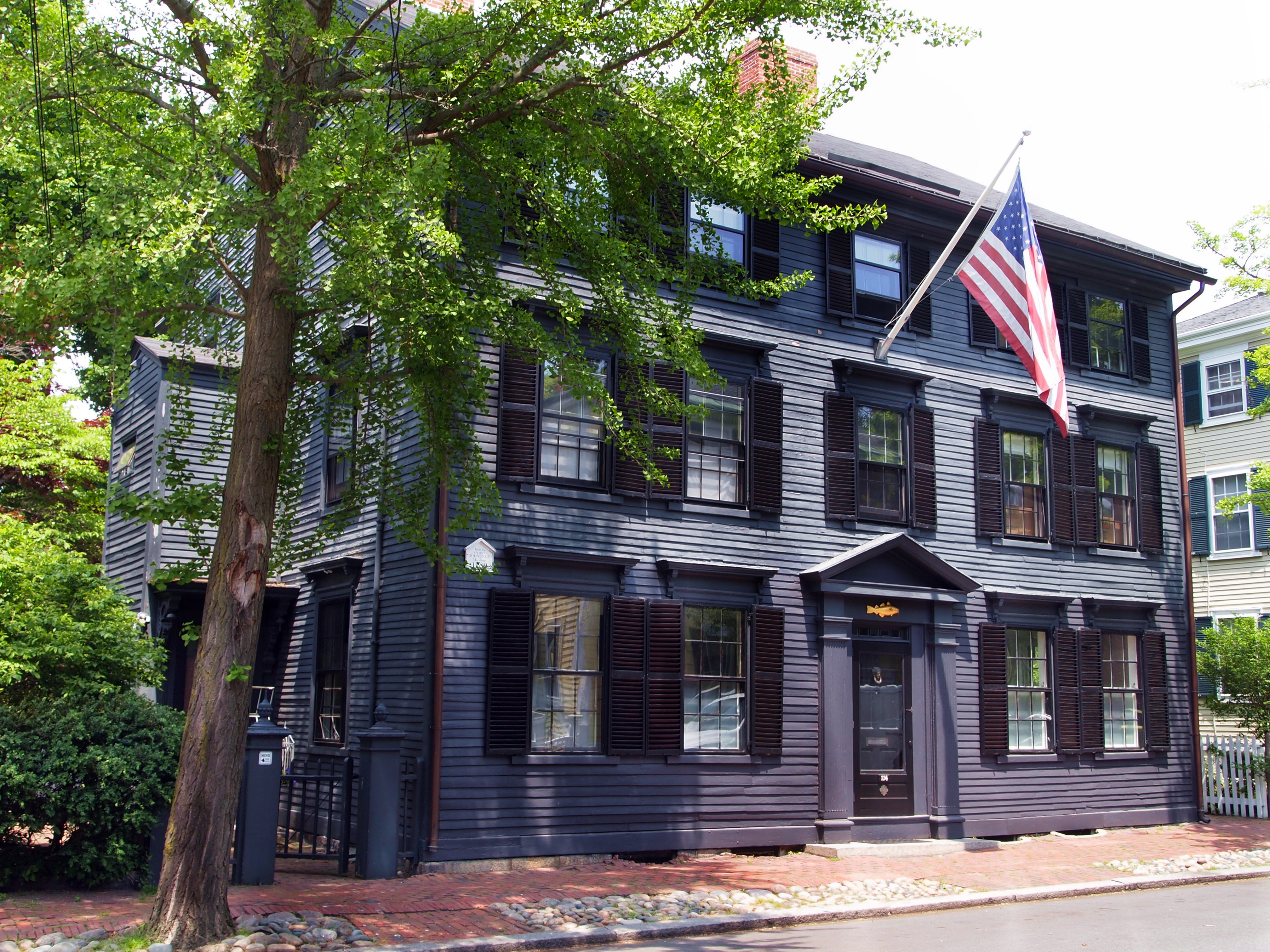
The Page-Lawrence-Farrington House, built in 1786, and its neighbors on either side represent what a typical Salem street would have looked like in the 18th and 19th century.
Credit: Bethany Bourgault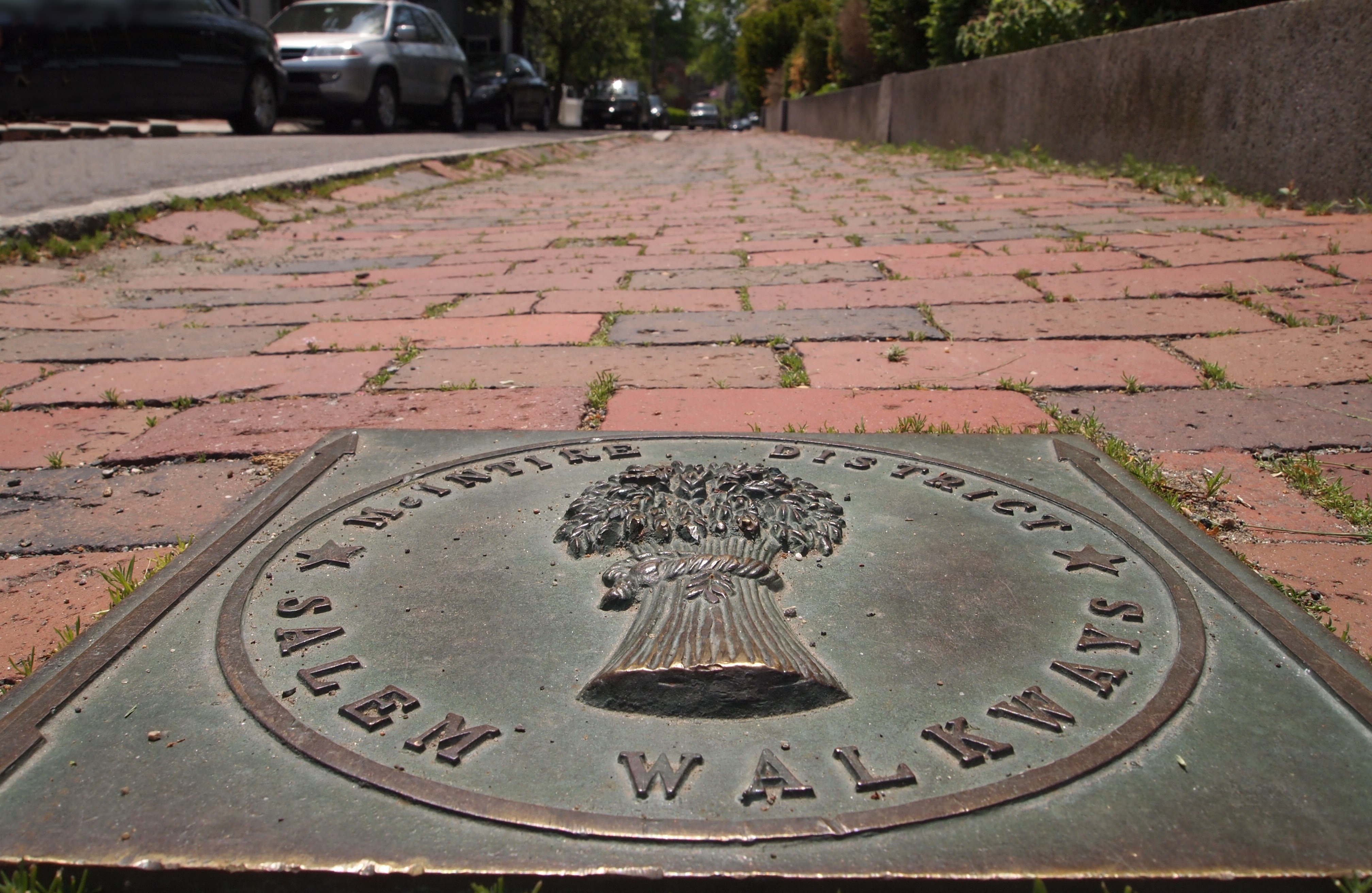
McIntire Historic District | Architectural Walking Tour
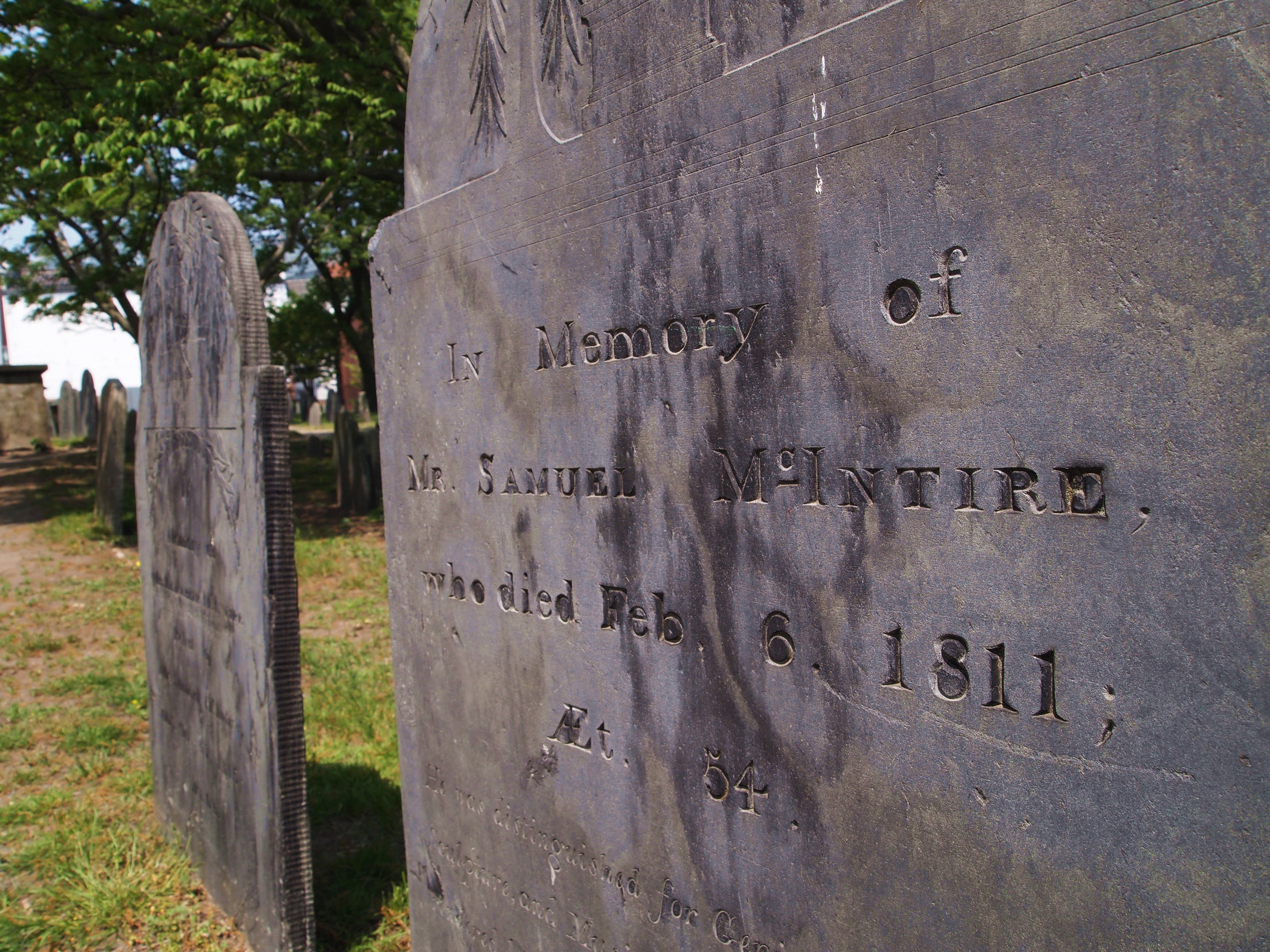
Credit: Bethany BourgaultCredit: Bethany Bourgault Samuel McIntire, the district’s namesake, was a prominent, influential architect in the late 1700s. He was hired by Salem’s wealthiest merchants and businessmen to design their grand dwellings, and is now oftentimes thought of as responsible for designing the signature look of the city. After 1790, McIntire worked primarily as a woodcarver, carving intricate designs for his high-paying clients. Many of his works remain in their original locations, and you can see some of his most famous homes along the walking trail. McIntire is buried in Salem’s Burying Point Cemetery, the oldest burial ground in the city of Salem. His current neighbors include a Mayflower passenger and Justice Hawthorne of the infamous witch trials.
Credit: Bethany Bourgault
Credit: Bethany Bourgault
Credit: Bethany Bourgault
Credit: Bethany Bourgault
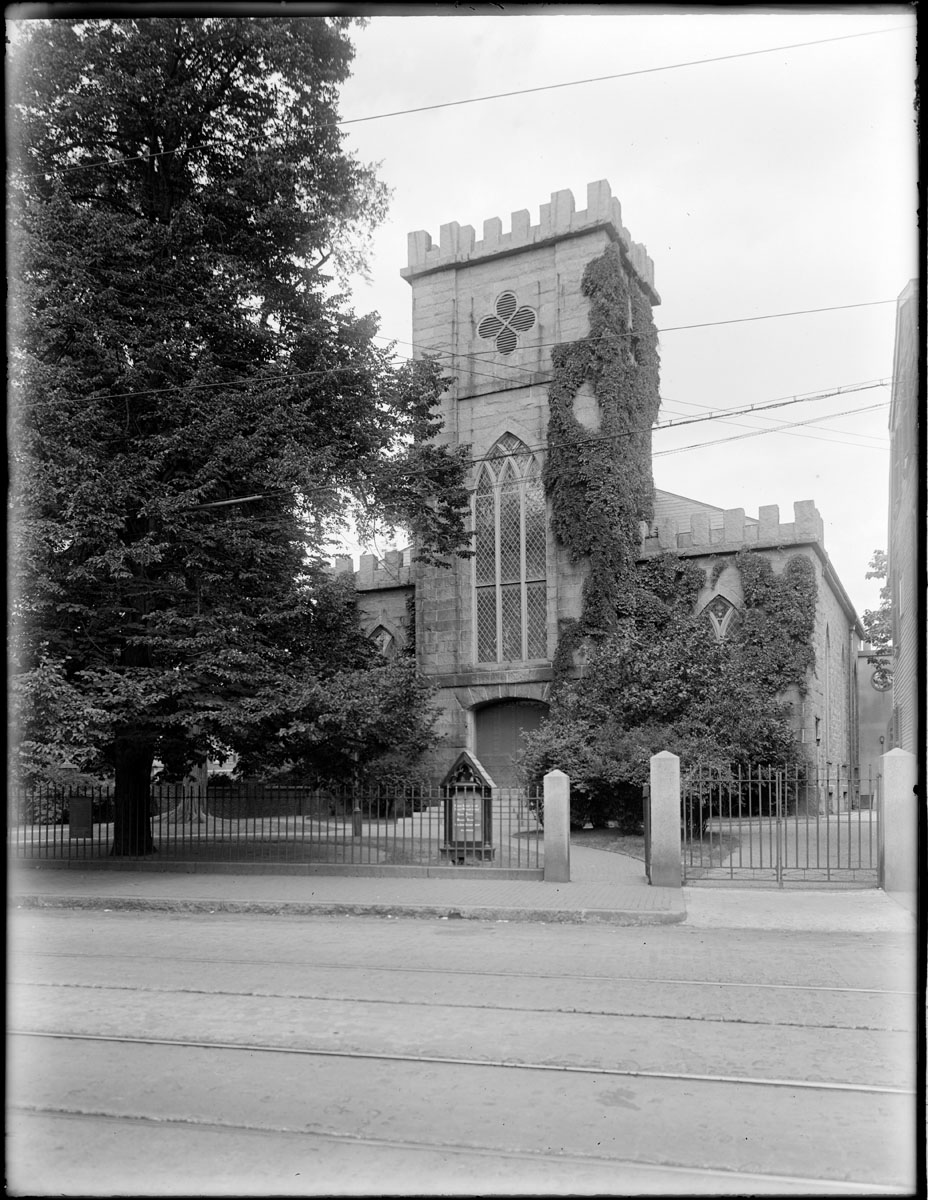
The First Church of Salem, circa 1930-1945.
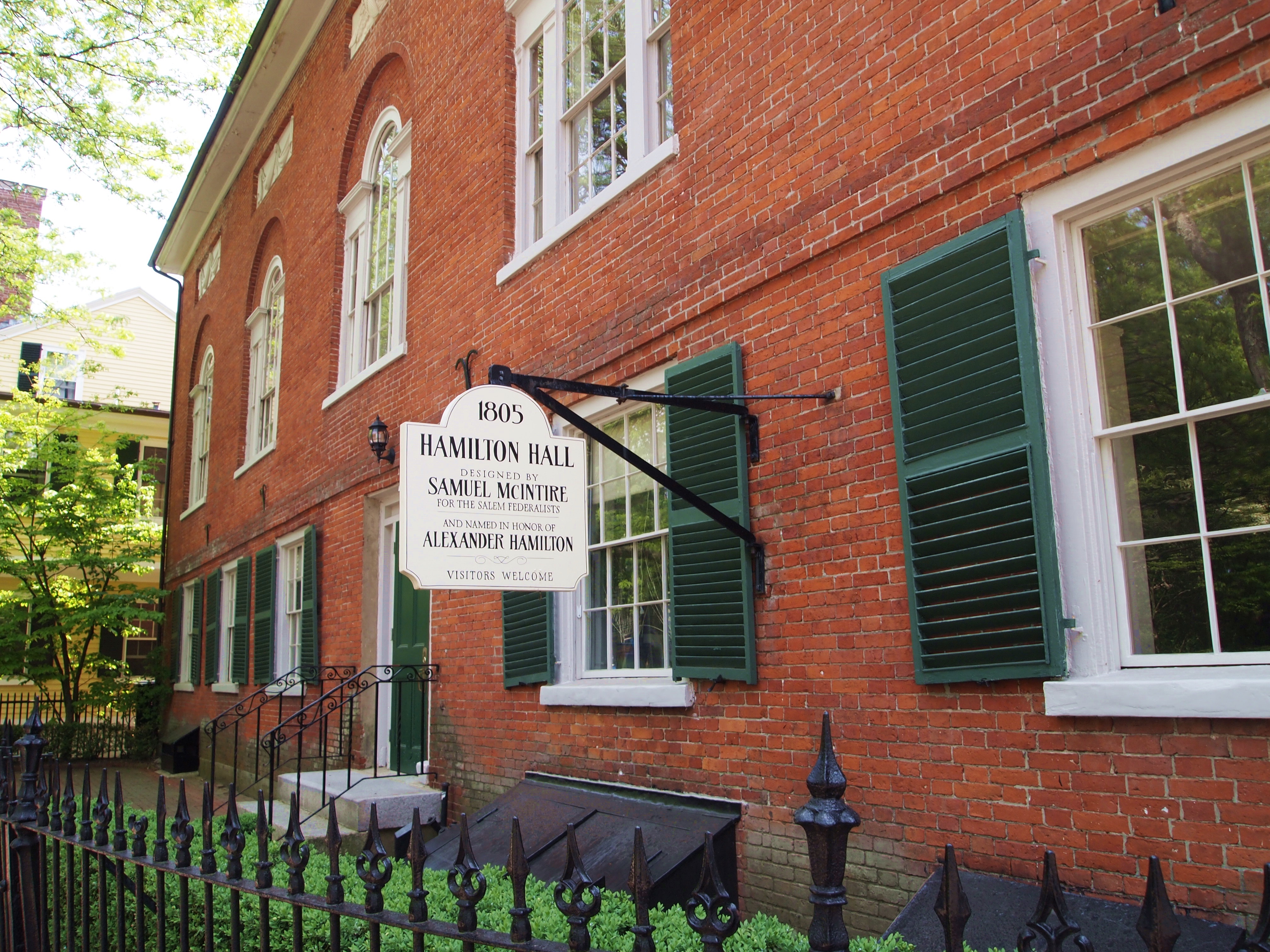
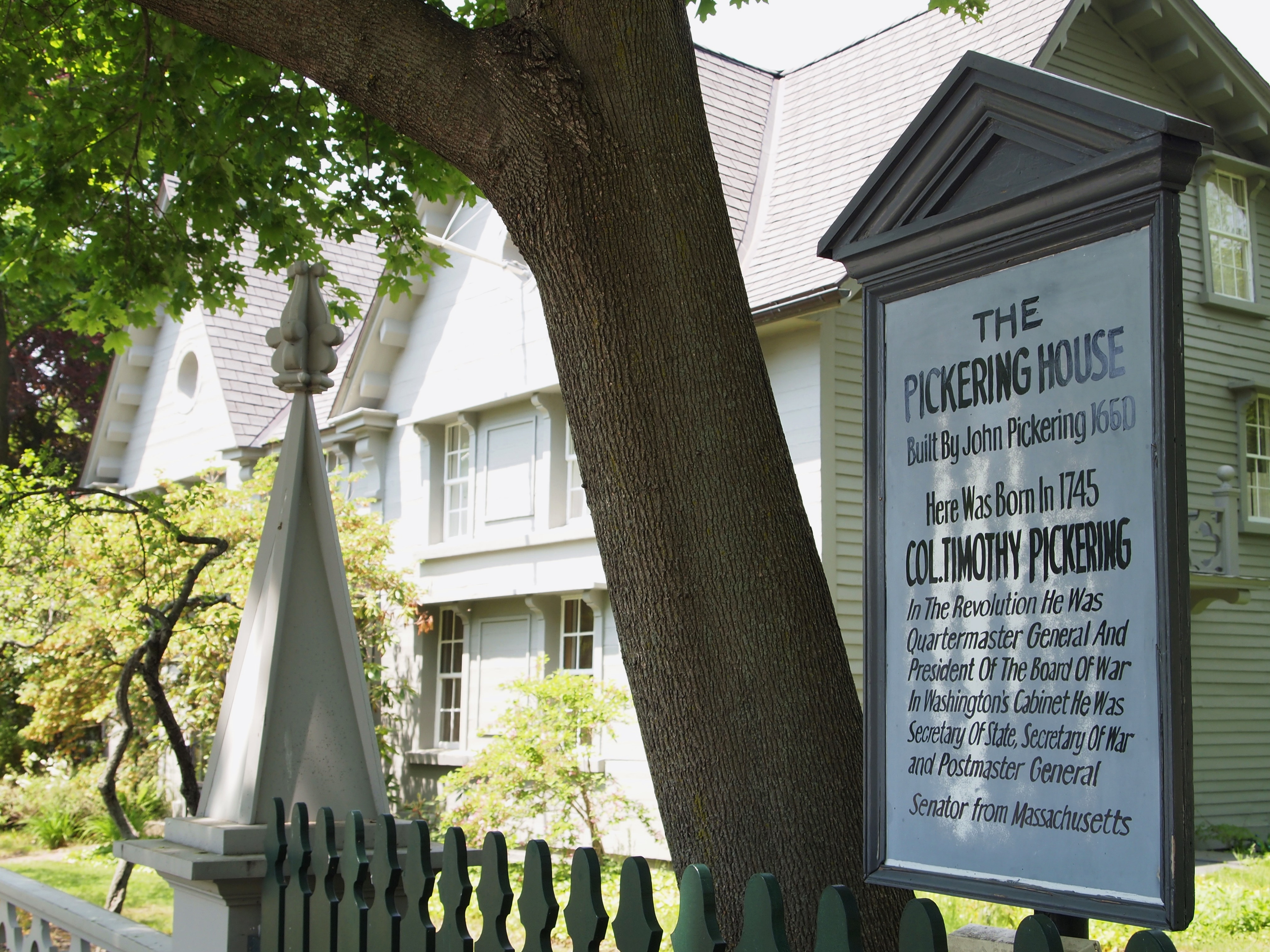
Credit: Boston Public LibraryCredit: Boston Public Library Moving right along through historic Cambridge and Chestnut Streets, walkers will find Hamilton Hall – an 1805 McIntire work in the Federal Style named after Alexander Hamilton just a year after his death. The hall has been a popular place for balls, meetings, lectures, and weddings for over 200 years, and isn’t showing any signs of slowing down. Those following the McIntire Historic District Architecture Tour will follow their maps to pass by the Federal style Butman-Waters House and Gothic Revival style Pickering House (once home to George Washington’s secretary of war/secretary of state Timothy Pickering) before heading back toward Chestnut Street again.
Credit: Bethany Bourgault
Credit: Bethany Bourgault
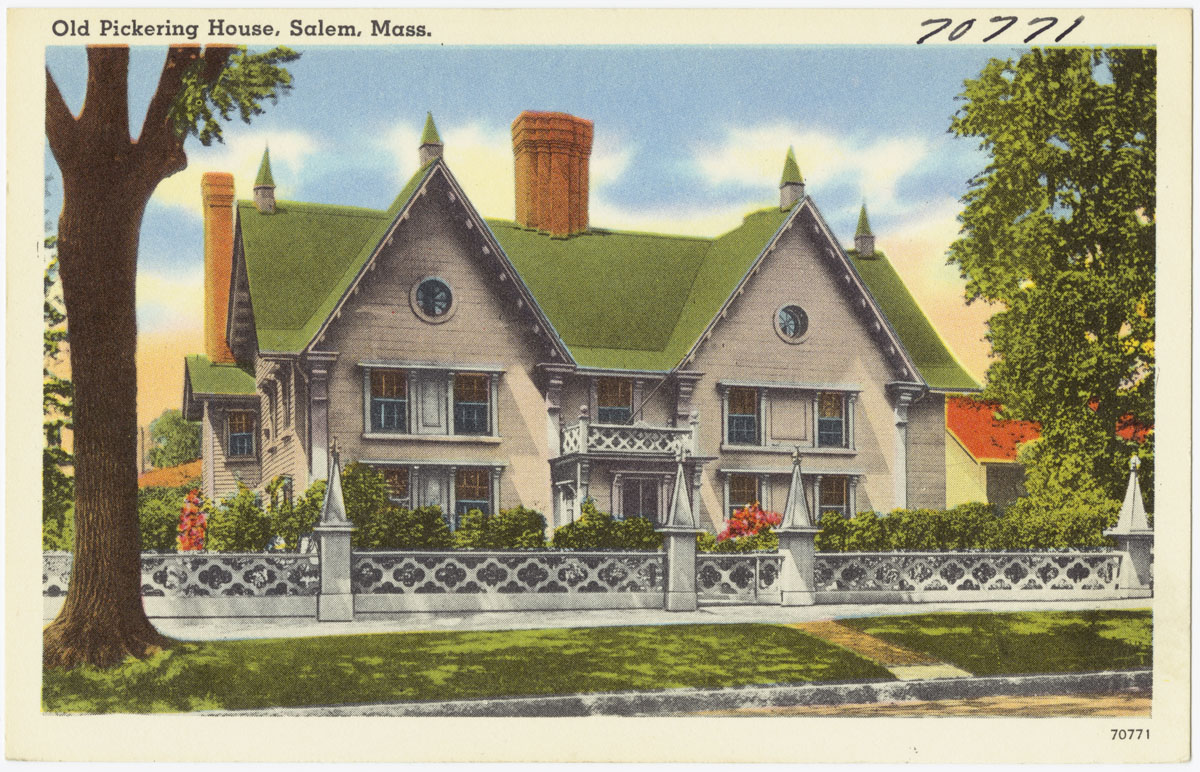
The Pickering House looks much the same today as it did back in the 1930s and 40s.
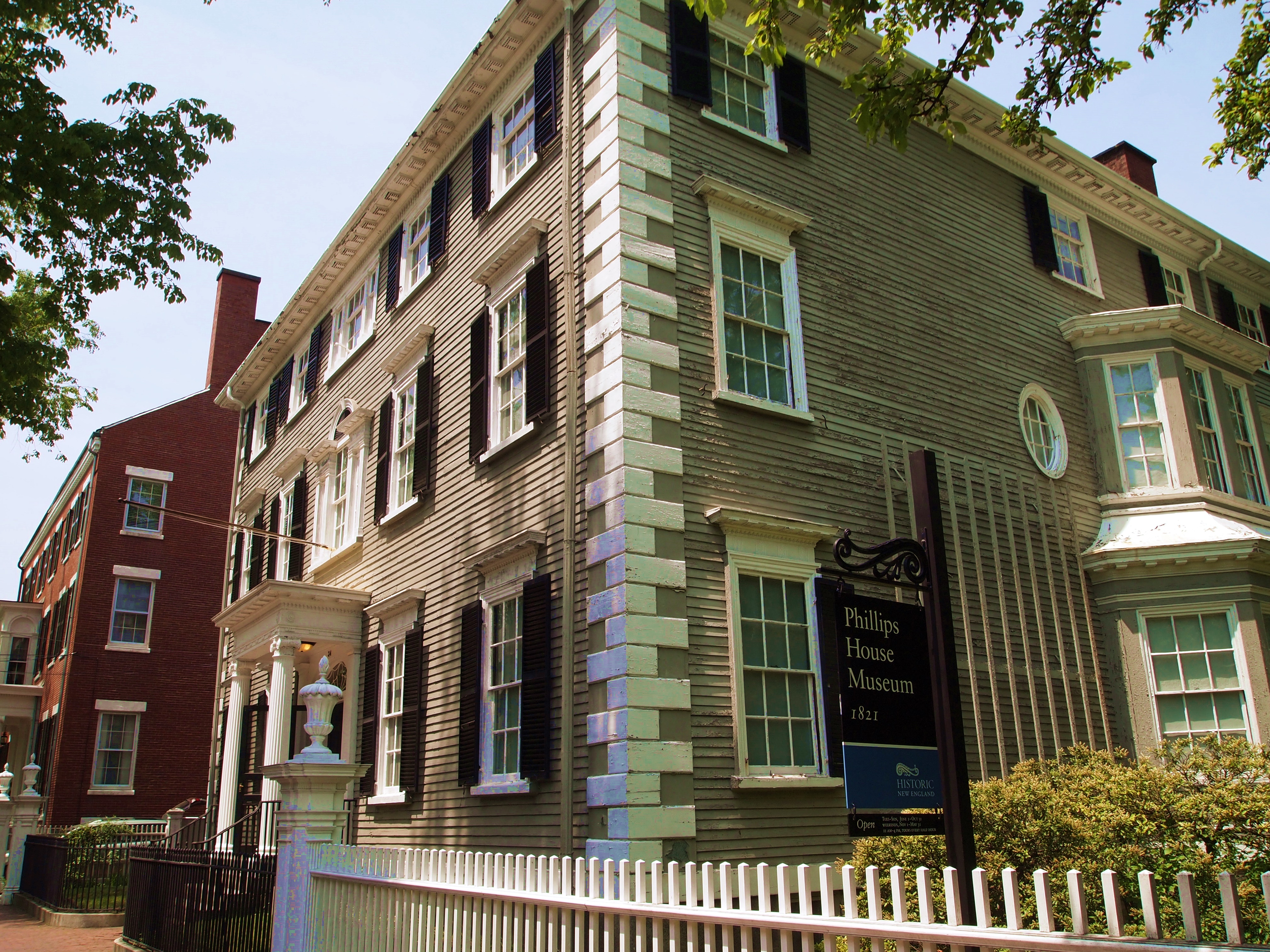
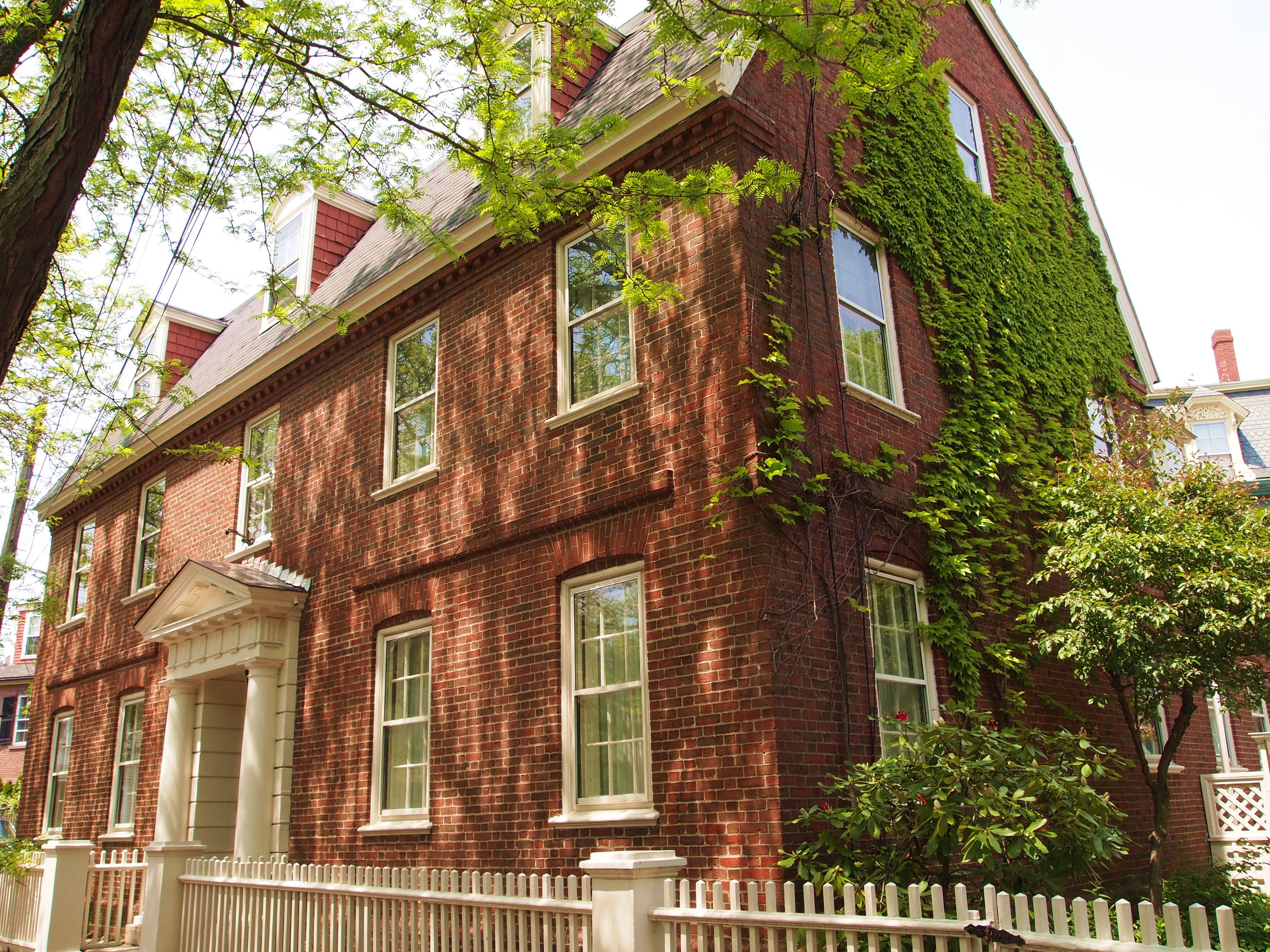
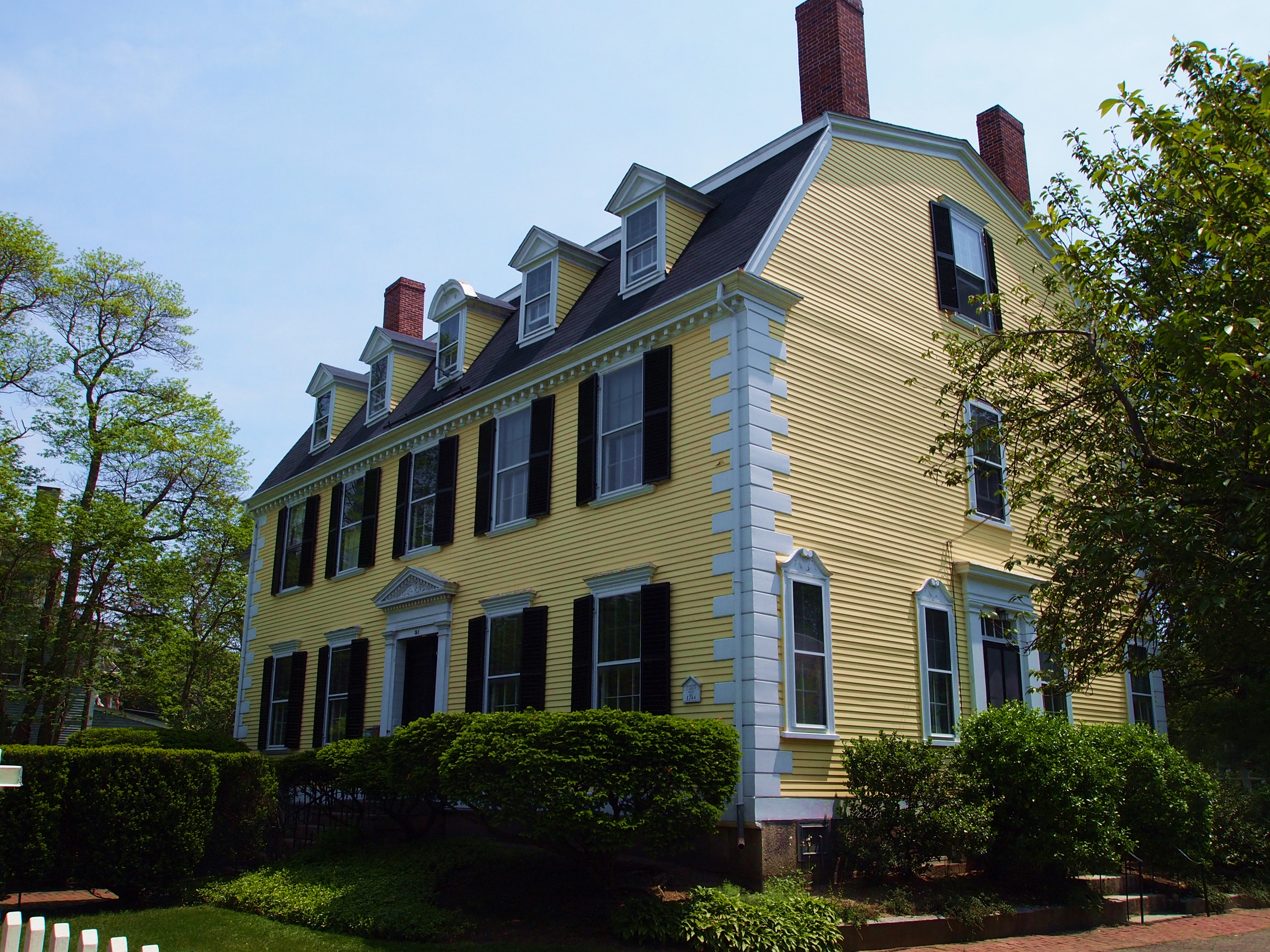
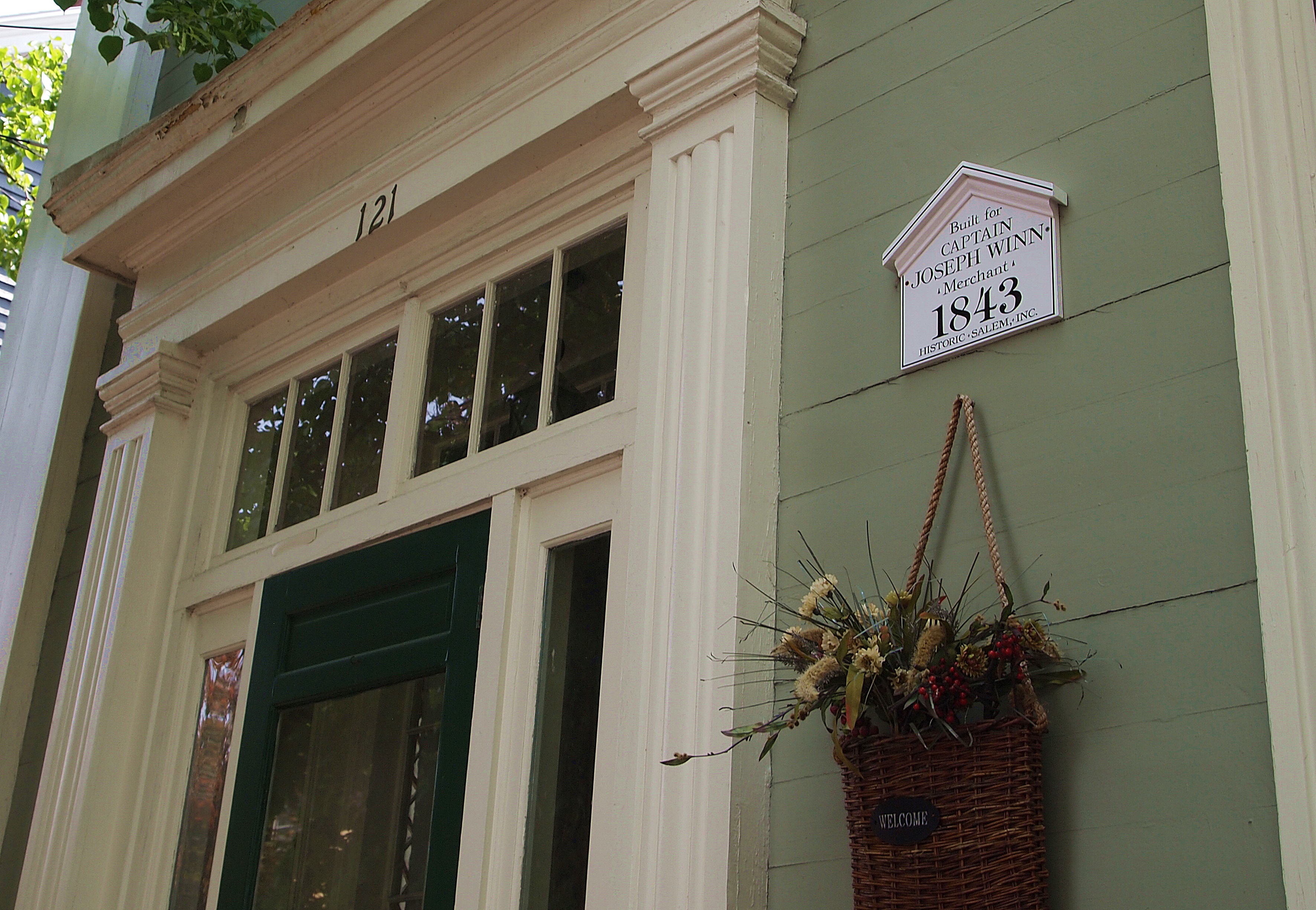
Credit: Boston Public LibraryCredit: Boston Public Library Chestnut Street is one of Salem’s most historically significant, playing host to houses like the 1806 Williams-Rantoul House, home of President Grover Cleaveland’s great-uncle, and the former home of Nathaniel and Sophia Hawthorne. Visitors can go in and check out the Phillips House, built in 1821 at a different location for Captain Nathaniel West. The home was moved to Chestnut Street by ox sled, where the wealthy Phillips family renovated it into what it is today. The home is now owned by Historic New England. Various architectural styles like Colonial Revival, Greek Revival, and Federal can be seen on Chestnut Street.
Credit: Bethany Bourgault
Credit: Bethany Bourgault
Credit: Bethany Bourgault
Credit: Bethany Bourgault
Credit: Bethany Bourgault
Credit: Bethany Bourgault
Credit: Bethany Bourgault
Credit: Bethany Bourgault
MORE HISTORIC SALEM:
Historic Downtown Salem | Art, Architecture, and Attractions Historic Salem, Massachusetts | A City Wrapped in Layers Halloween in Salem, Massachusetts