



How to Make a Cinder Block Garden Bed
A cinder block garden bed is an easy-to-make and long-lasting alternative to more traditional raised garden beds made of wood.
By Shelley Wigglesworth|Apr 01 2018|

How to Make a Cinder Block Garden Bed
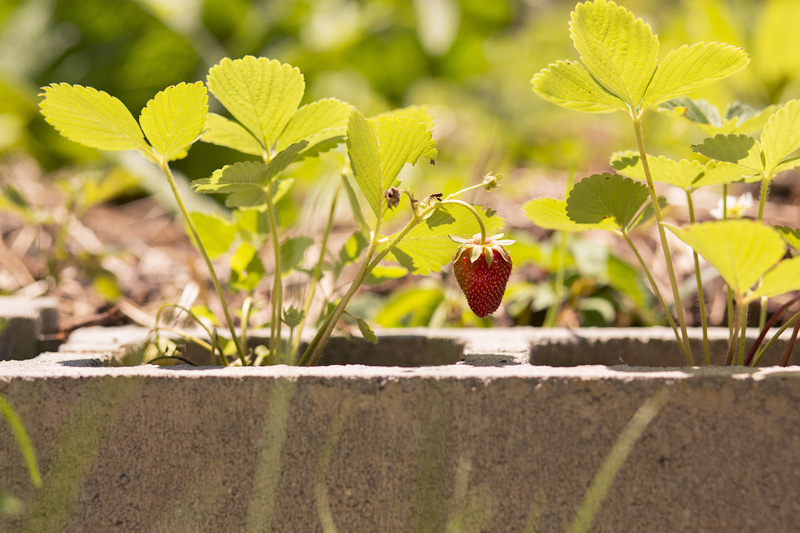
Credit: DreamstimeLooking for an alternative to the wood pallet garden bed or another, more traditional raised garden bed? Here’s an idea that is super simple: Make a cinder block garden bed by gathering about eight blocks and grouping them into a rectangular shape, leaving a large opening in the middle. No tools are required to build this garden bed — all you need are the blocks and some rich gardening soil!
Credit: Dreamstime
Cinder blocks measuring 16″ X 8″ X 6″ can be purchased at most home improvement stores for under five dollars each. And if you have a few blocks kicking around on your property, the investment is even lower. Additionally, the blocks will not rot like wooden enclosures do and small plantings, such as herbs, can be grown in their own separate holes along the border of the bed. The one drawback, of course, is that cinder blocks are heavy — so plan accordingly!
HOW TO MAKE A CINDER BLOCK GARDEN BED
Materials for Making a Cinder Block Garden Bed
- 8 – 16 X 8 X 6 inch cinder blocks
- Gloves
- Closed-toe shoes or boots
- Cardboard or newspaper to line the bed
- A wheelbarrow or two of full of rich soil
- A hoe or rake to spread the soil
- Seeds and/or seedlings
Instructions for Making a Cinder Block Garden Bed
- Choose a level spot that receives full sun and is close to a watering source.
- Wear shoes or boots to protect your feet and wear gloves to protect your hands. Place two cinder blocks horizontally at each end and arrange the remaining two cinder blocks vertically on each side to fashion a rectangular shape. If you want a larger bed, simply add more cinder blocks.
- Line the opening area with recycled and flattened cardboard box pieces or newspaper.
- Fill the garden with rich soil and spread evenly.
- Plant seeds and seedlings, water and enjoy!
Have you ever tried gardening with cinder blocks? If so, tell us about your experience in the comment section below!
This post was first published in 2015 and has been updated.
SEE MORE:
How to Grow Greens in a Bag of Potting Soil
Container Gardens | Flower Power
How to Make a Wood Pallet Garden




Great idea. But, what about in the winter? Does the frozen soil split the cinderblocks?
New and old Cinder blocks can vary in quality and durability depending on the materials used in the product. When purchasing new blocks, it is a good idea to consult with the supplier for the most durable options. While cracking may occur, it is unlikely that all blocks will crack or break at once. If a block breaks it can be easily replaced the following season. To reduce the likelihood of cracking, blocks may be loosened from the soil the end of the season and even covered for additional protection.
Nope! Frozen soil will not split te cinderblocks. It MAY push them out of alignment, so you’ll have to do some fixing/shoving/putting back in place when it thaws.
I said this because I’ve been doing it for 8 years now and have never lost a block, but I also do NOT live where there are constant hard freezes that last for any length of time. As Shelley has stated, if blocks do crack, they are easily replaced.
Very nice idea, but I can’t figure out what you are lining with the cardboard and paper?
thanks
John
Hi John-
A biodegradable lining is suggested to prevent any weed seeds that may be present (before adding the soil to the garden) from propagating.
Thanks!
Shelley
sounds like a great idea but i can,t quite picture it….a simple diagram would be helpfull…also any suggestions on what to plant…seems like root plants like carrots would not do very well….also how big could you make it…would a 4 by 4 foot bed be impractical???? interesting idea i’ll have to look in to it and give it some more thought….my wood raised beds are in need of replacing and i,ve used patio blocks buried to define beds but i,m not very happy with them…thanks for a new idea…….thanks again hal .
For 5 years now I have had 6 cinder blocks placed around the base of my rain barrel to hold it in place when it is low on water and it is windy out. Each spring I refresh the top of the holes with some fresh potting soil and fill them with flowering annuals. None of them have ever broken or cracked.
I have been using raised beds for many years. My wood ones eventually rot. My beds made with landscape stones have gaps, but have lasted for years. My bed made with cinder blocks is the most solid and durable of the lot. Some places call these be names other than cinder blocks. My local DYI store calls them “light blocks”. Be sure you do not buy concrete blocks. They are HEAVY.
I love my raised vegetable garden. but i recently read that toxic metals from fly ash in the blocks can leach into the vegetables. a lot of the posts are unclear whether that refers to concrete or cinder blocks. I am not even sure which kind I have. Can you offer advice on this subject? Thanks!
I would love to make my own cinder block garden bed! I love the way that they can make a space look a little different. I think they would also look good with wood. That way, you have a traditional, yet modern looking style. And, the wood will add color to the grey cinder blocks!
I would hesitate to use ‘fresh’ blocks for the leaching possibility. To my knowledge blocks are made of some stuff that might be caustic; lime for one. And, the newer blocks don’t seem to hold up as well to the elements. So, having said that, if I wanted to do a cinder block garden, I think I’d scour the countryside for old blocks. They’d be seasoned and have the booger-boo’s leached out of them.
Some concrete blocks r made using flyash which comes from burning coal. Could leach mercury arsenic and?.
betonaloka thanks alot