



Blue Flowers | 5 Popular Varieties for the Garden
Believe it or not, it’s time to start planning summer flower gardens. When thinking about colors, consider blue—one of the most sought-after colors for flowers in gardens. Why are blue flowers so popular? Part of their appeal may be that it’s a rare hue to find in plants naturally. And while very few native blue […]
By Shelley Wigglesworth|Mar 31 2014|

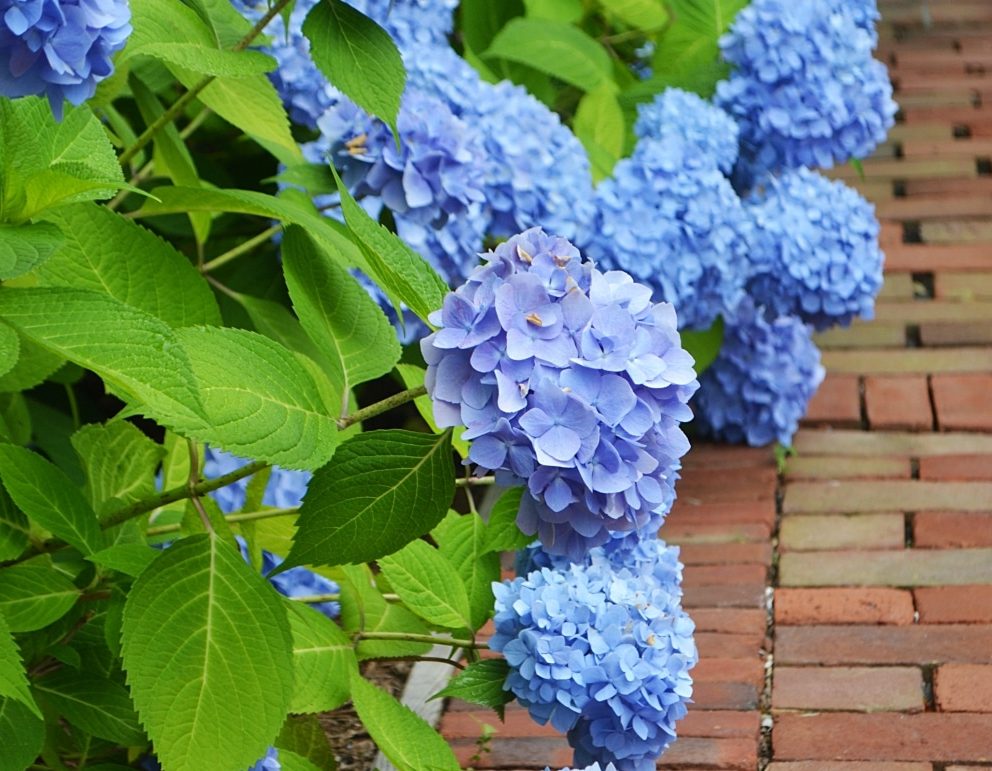
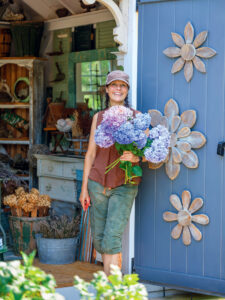
Bigleaf hydrangea on Cape Cod.
Credit: Aimee TuckerBelieve it or not, it’s time to start planning summer flower gardens. When thinking about colors, consider blue—one of the most sought-after colors for flowers in gardens. Why are blue flowers so popular? Part of their appeal may be that it’s a rare hue to find in plants naturally. And while very few native blue flowers can be found in New England, gardeners have introduced non-native blue flowers and flowering shrubs to their gardens over the years to add allure and to balance out common colors in their garden scheme. Here are 5 blue flowers to imbue your garden with a sense of cheer reminiscent of a bright and clear summer sky.
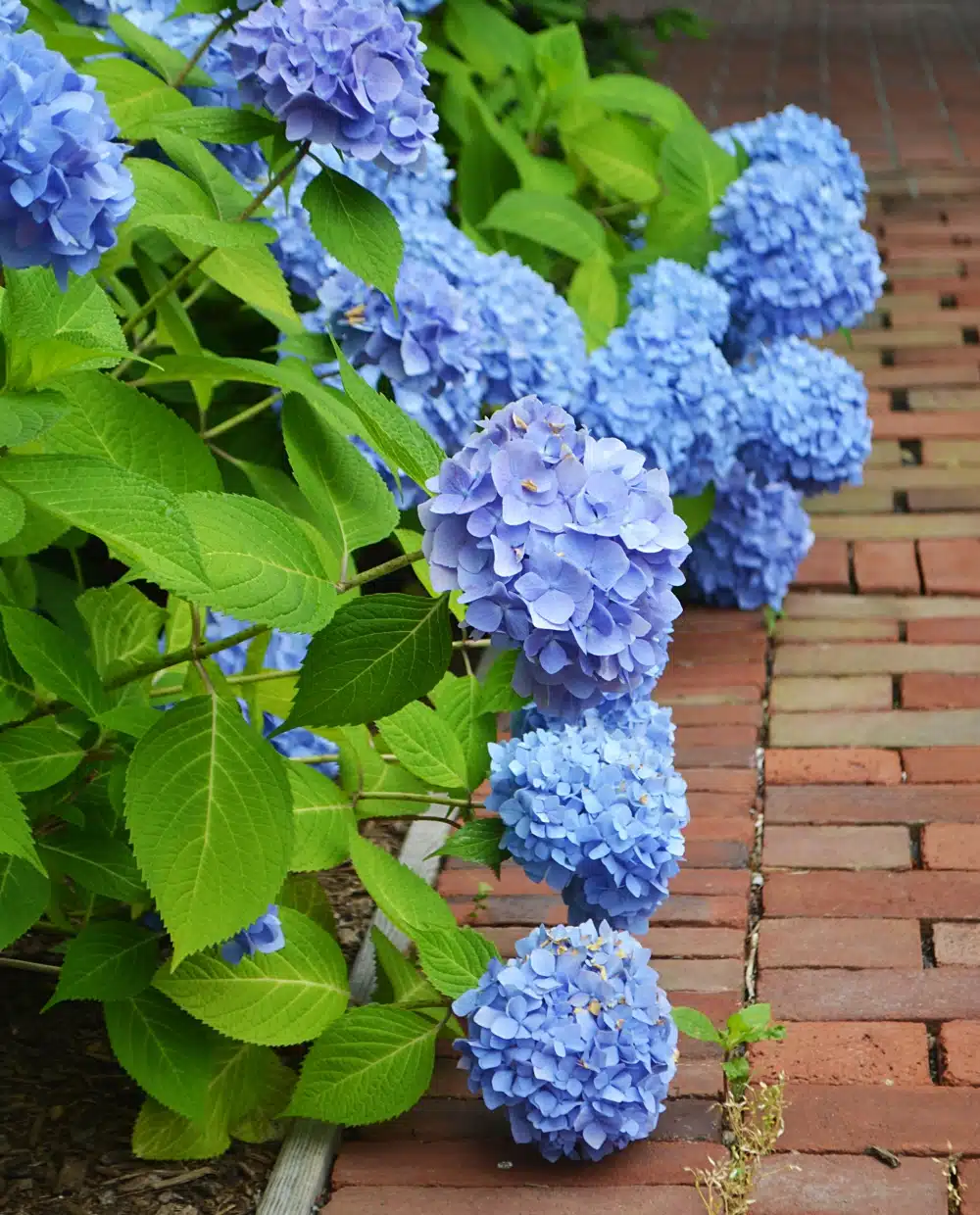
Credit: Aimee Tucker
5 Blue Flowers For the Garden
Blue Hydrangea
These large, showy blooms make for great floral arrangements and are a fun and easy flower to dry. The color of the hydrangea flower is determined by the PH level of the soil in which it grows. Aluminum needs to be present in the soil for it to be acidic enough to produce blue blooms. Adding pine needles or crushed eggshells to the soil can increase the intensity of the blue color in a hydrangea’s blossoms. If the soil is naturally acidic, nothing needs to be added. PH test kits can be purchased at greenhouses.
Bluet
Also known as Quaker Ladies, these tiny, low-growing wildflowers appear in delicate clusters. Each flower in the cluster has four light blue and white pinwheel-style petals, usually with a sunny yellow center. Popular in the May baskets of yesteryear, these beauties are one of the first wildflowers to show in spring.
Forget-Me-Not
Although there are many species of forget-me-nots, the common garden variety resembles the bluet, right down to the sunny yellow center; however, they are larger in size and darker blue with five petals rather than four. Forget-me-nots also grow in clusters that do best in moist surroundings and can tolerate partial sun and shady conditions in the garden.
Blue Iris
These perennial flowers spread fast and are easy to care for. Once planted, they will begin growing and multiplying each year, putting on a stunning show with their vivid hues. Dividing the blue iris bed every few years is recommended to maintain a healthy plot. Share your thinned-out blue iris plants with your true blue friends!
Lobelia
Great for window boxes and hanging planters, these small blue flowering plants will grow to spill out of baskets in charming disarray. Well-draining soil and partial sunlight will help these flowers to grow their best. They are also known to attract butterflies!
What blue flowers would you add to the list? Let us know!
This post was first published in 2014 and has been updated.


Would a variegated willow tree choke a 2 year old hydrandea?
Thank you for your question. Most willow species have invasive root systems and eventually can cause destruction to other plantings in addition to septic systems and foundations. Even though it may take some time for the root system to get to the hydrangea it would be better suited if planted in an area where willows are not in close proximity. Happy planting!